
My 2024 Veterans Day Adventure in Florence continued as I discovered why this city was once considered “The Art Capital of Europe.”
The glories of the Renaissance can be found around every nook and cranny. It felt as if this city’s palaces and legendary attractions were frozen in time to ensure future generations could experience Florence’s mystique.
I, for one, relished the opportunity.
My day began with a nice breakfast at Hotel Orto De’ Medici. The hotel really is a lovely place.
Afterward, I eagerly made my way to Galleria dell’Accademia di Firenze, which was founded in 1784 by Pietro Leopoldo, Grand Duke of Tuscany.
The museum is also home to one of the world’s most famous statues — Michelangelo’s David.
GALLERIA DELL’ACCADEMIA DI FIRENZE
Entry to the Galleria dell’Accademia di Firenze was included with the Firenze Card. However, reservations were still required for entry.
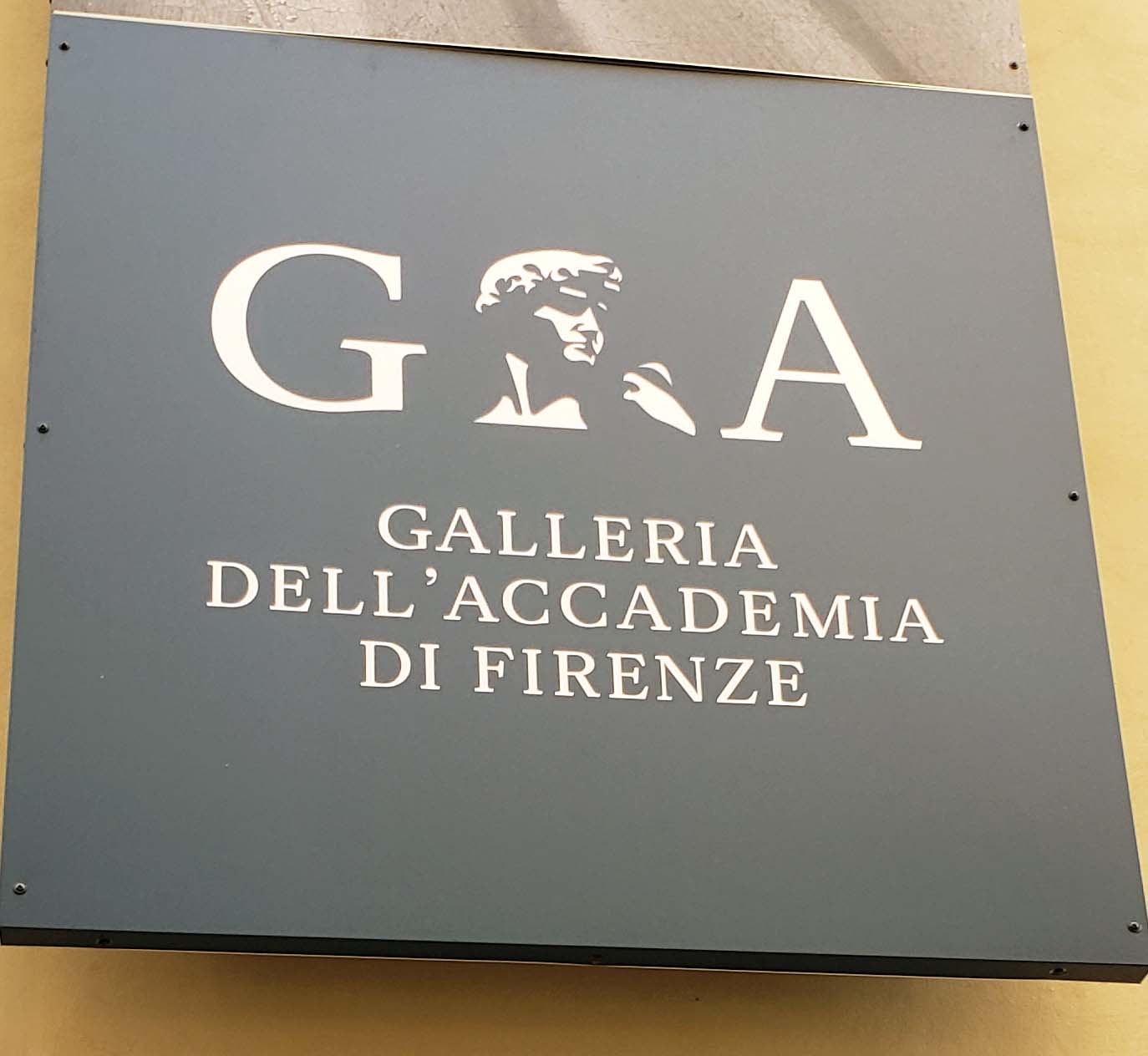
Being aware of the museum’s popularity, I secured my reservation for the first time slot of the day, 0815. To my surprise, the early hour didn’t deter many visitors. Arriving 15 minutes early, I found myself third in line, a position that would soon be envied as the line began to wind around the corner by 0810.
At precisely 0815, the doors open. I made my way through the security line and went straight to see David.
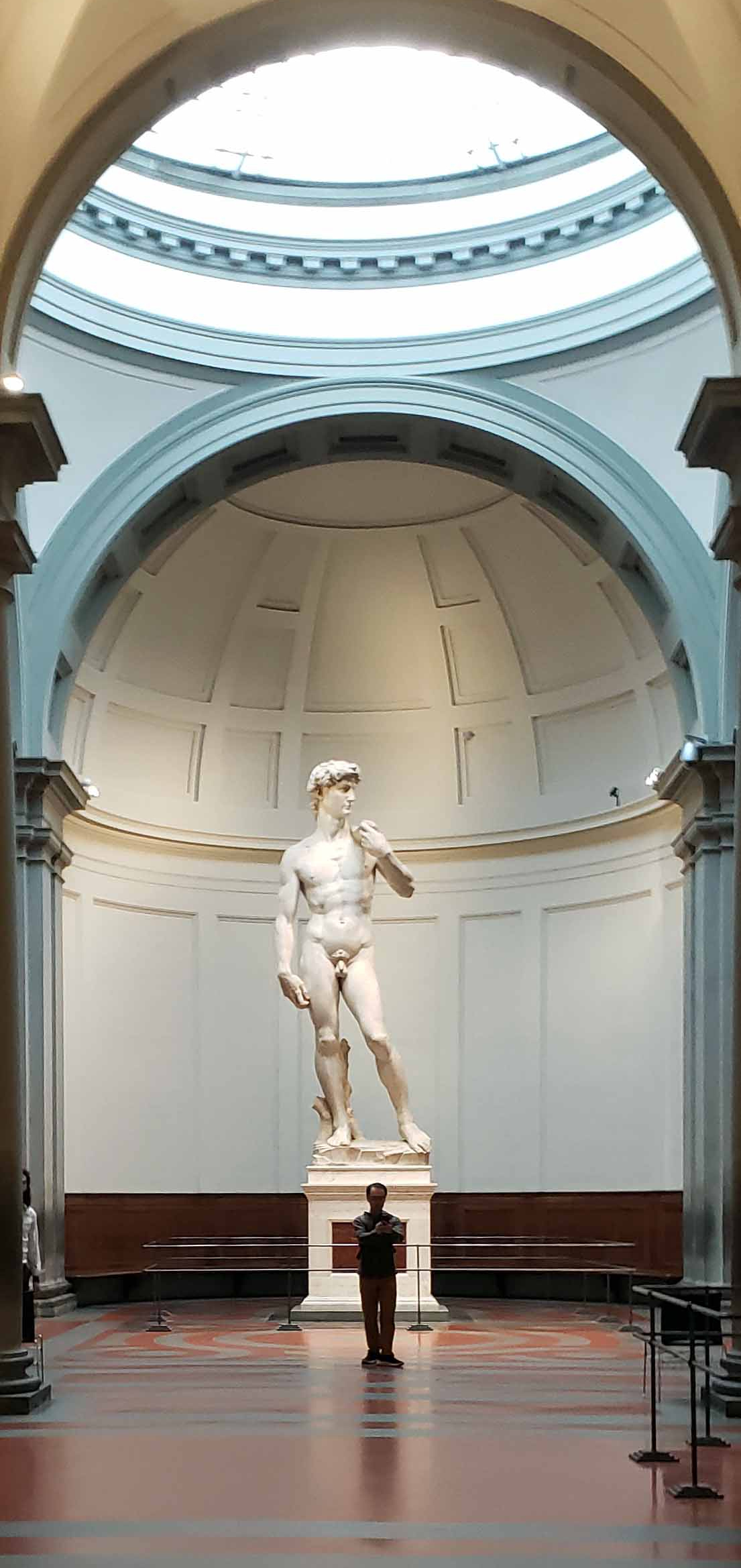
I learned my lesson in Paris when visiting the Louvre. Instead of visiting the Mona Lisa area first, I chose to explore another exhibit. In those 10 minutes, the Mona Lisa room became crowded, and it was hard to move, let alone view the small painting.
I didn’t make that mistake with David, going straight to the statue. I was able to get a few lovely photos before the crowd descended.


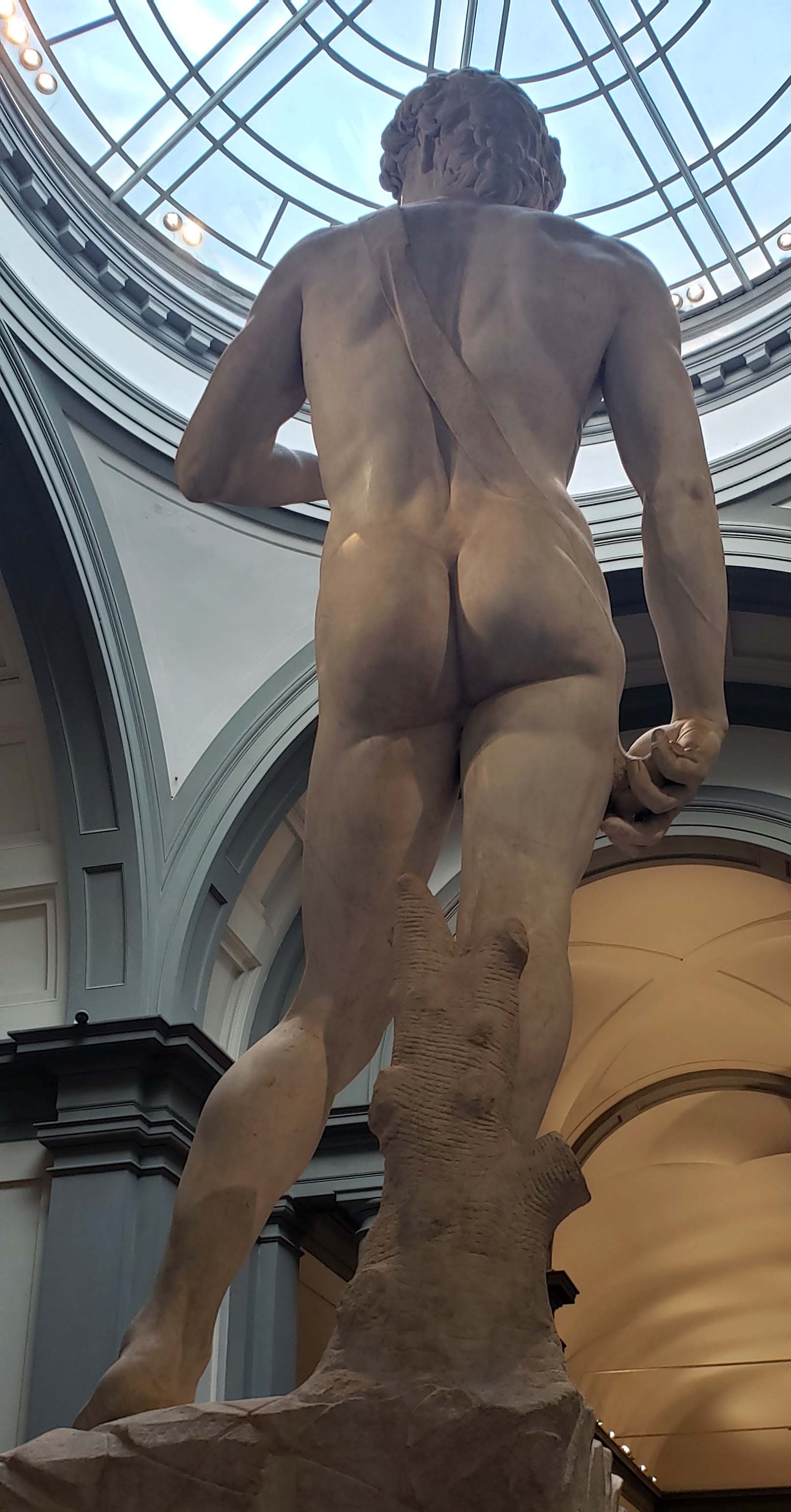
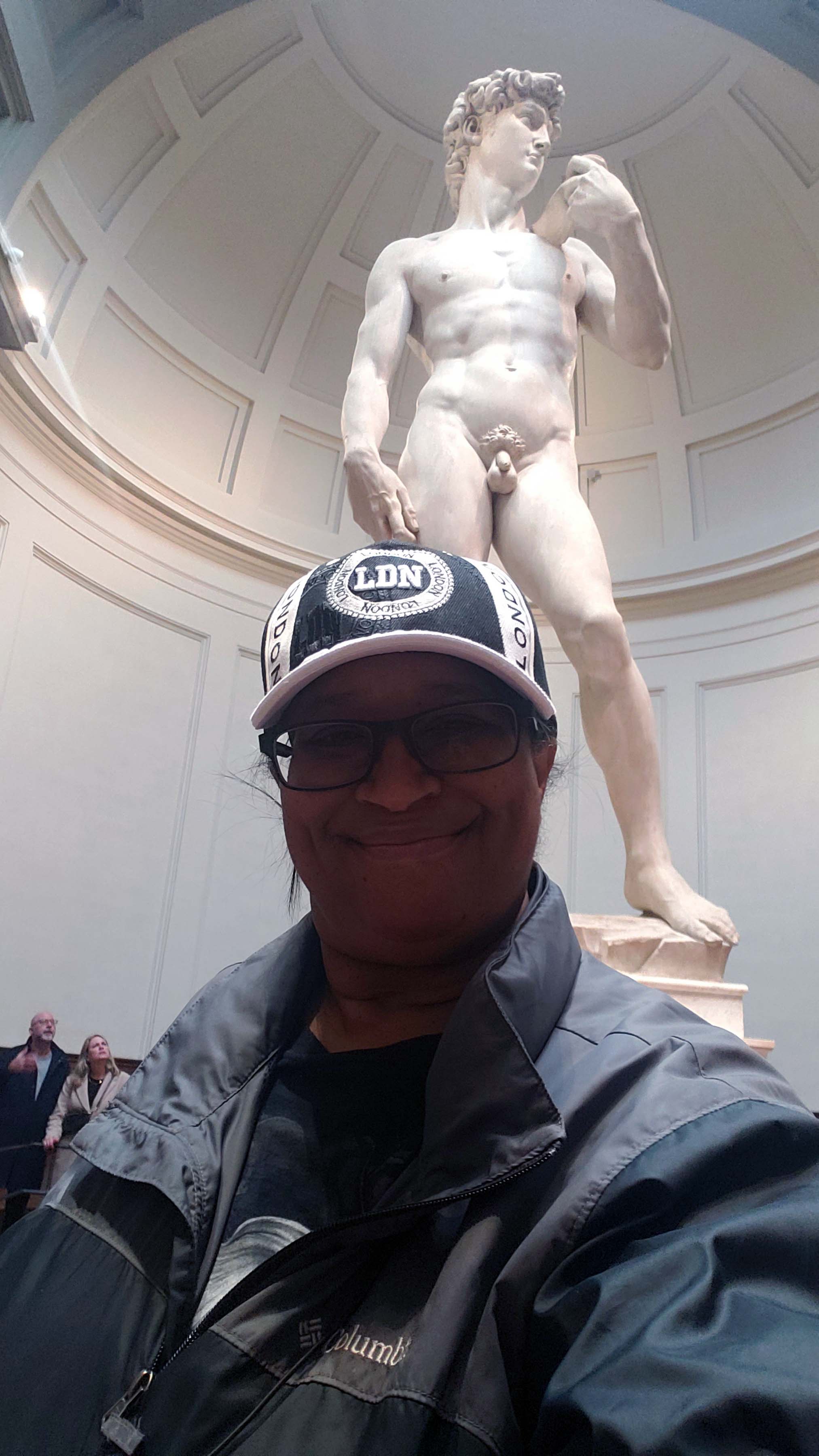
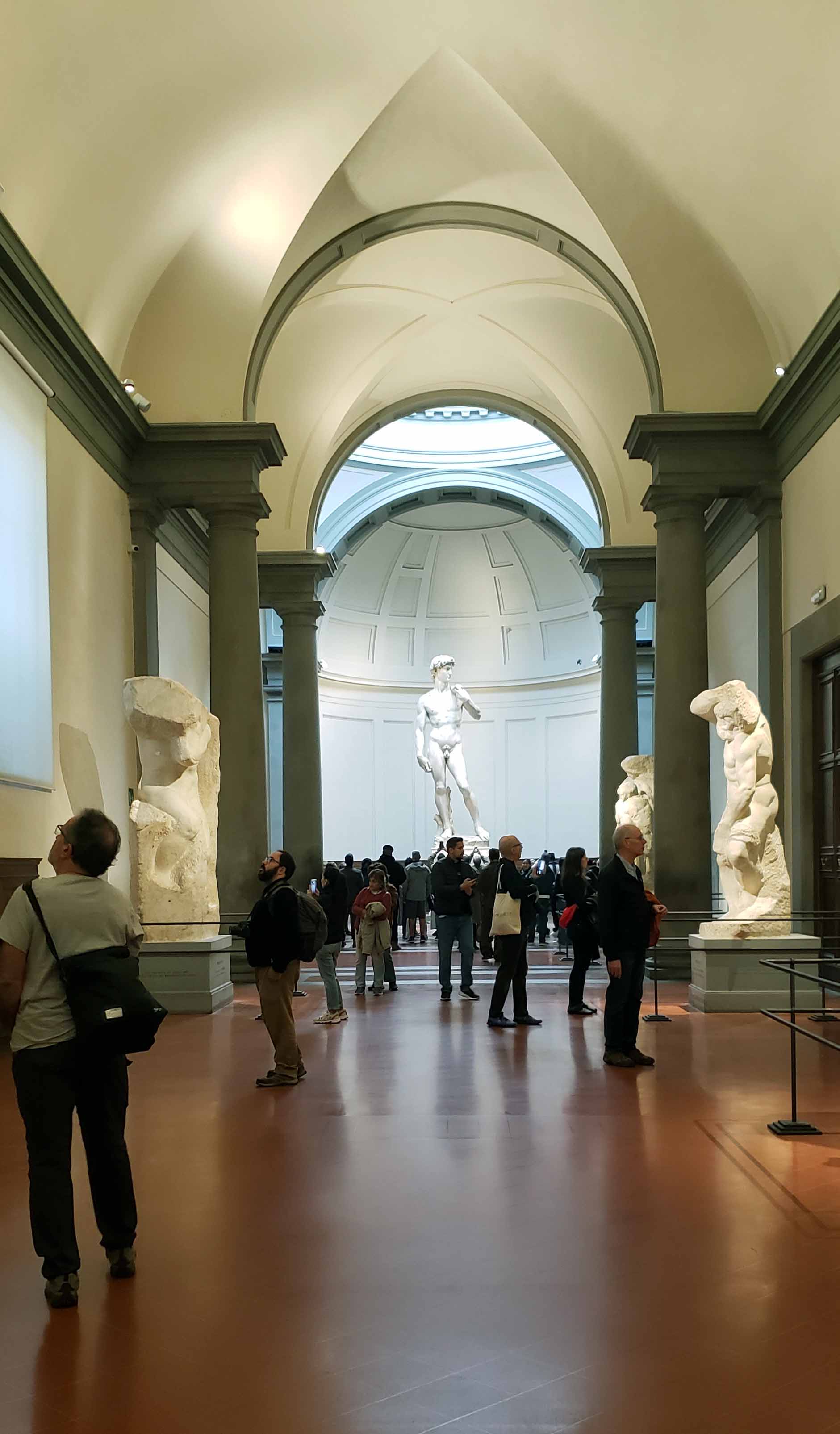
As I stood before the stunning statue, I was captivated by its beauty. The craftsmanship displayed in every intricate detail was nothing short of extraordinary. The lifelike texture of the marble seemed to breathe with life, and I became transfixed by the deep, expressive eyes of David. Each contour and curve of his form was a testament to the artist’s skill, drawing me deeper into the allure of this masterpiece.
It was easy to see why this statue is revered and celebrated as one of the most iconic works of art in the world.
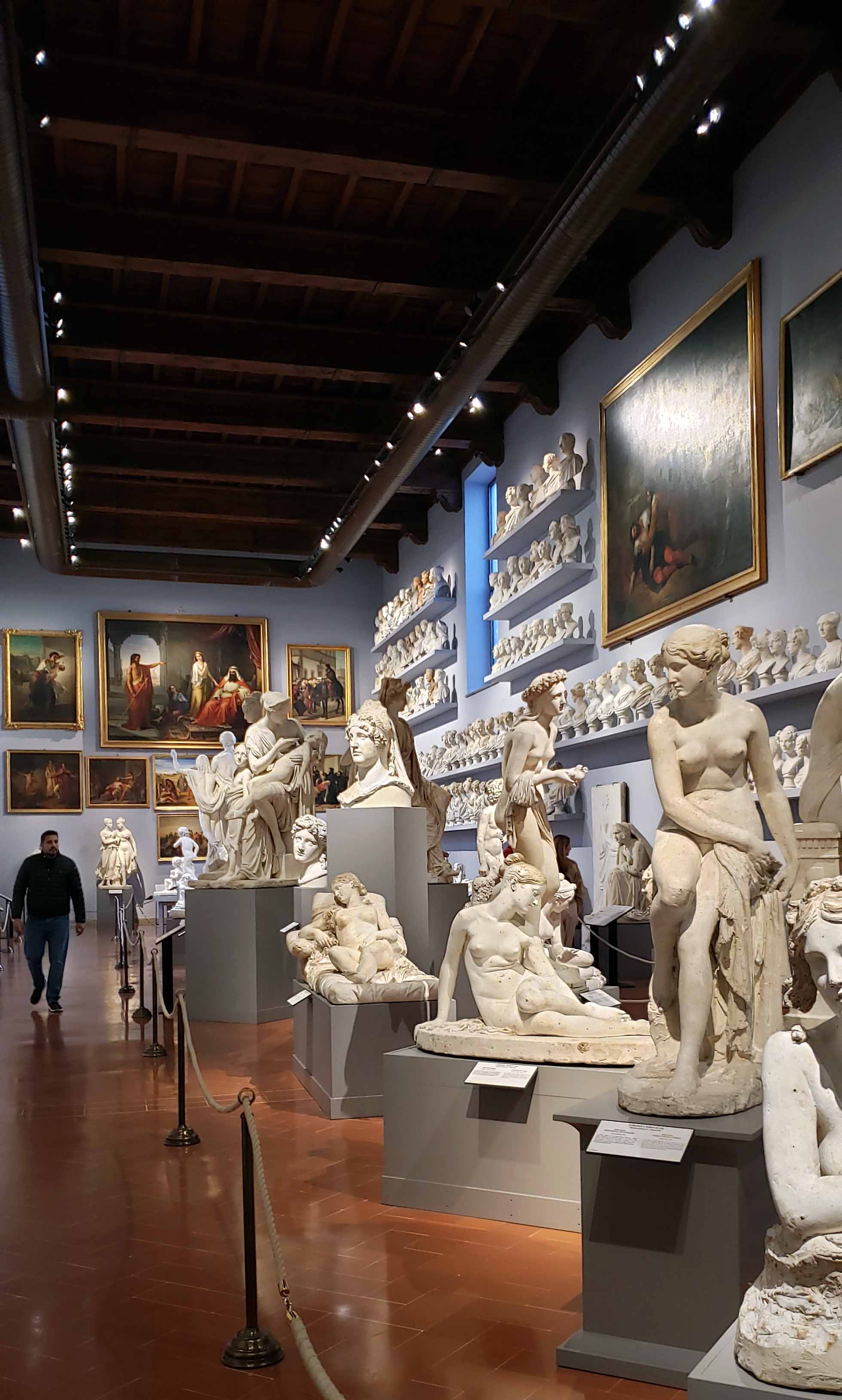
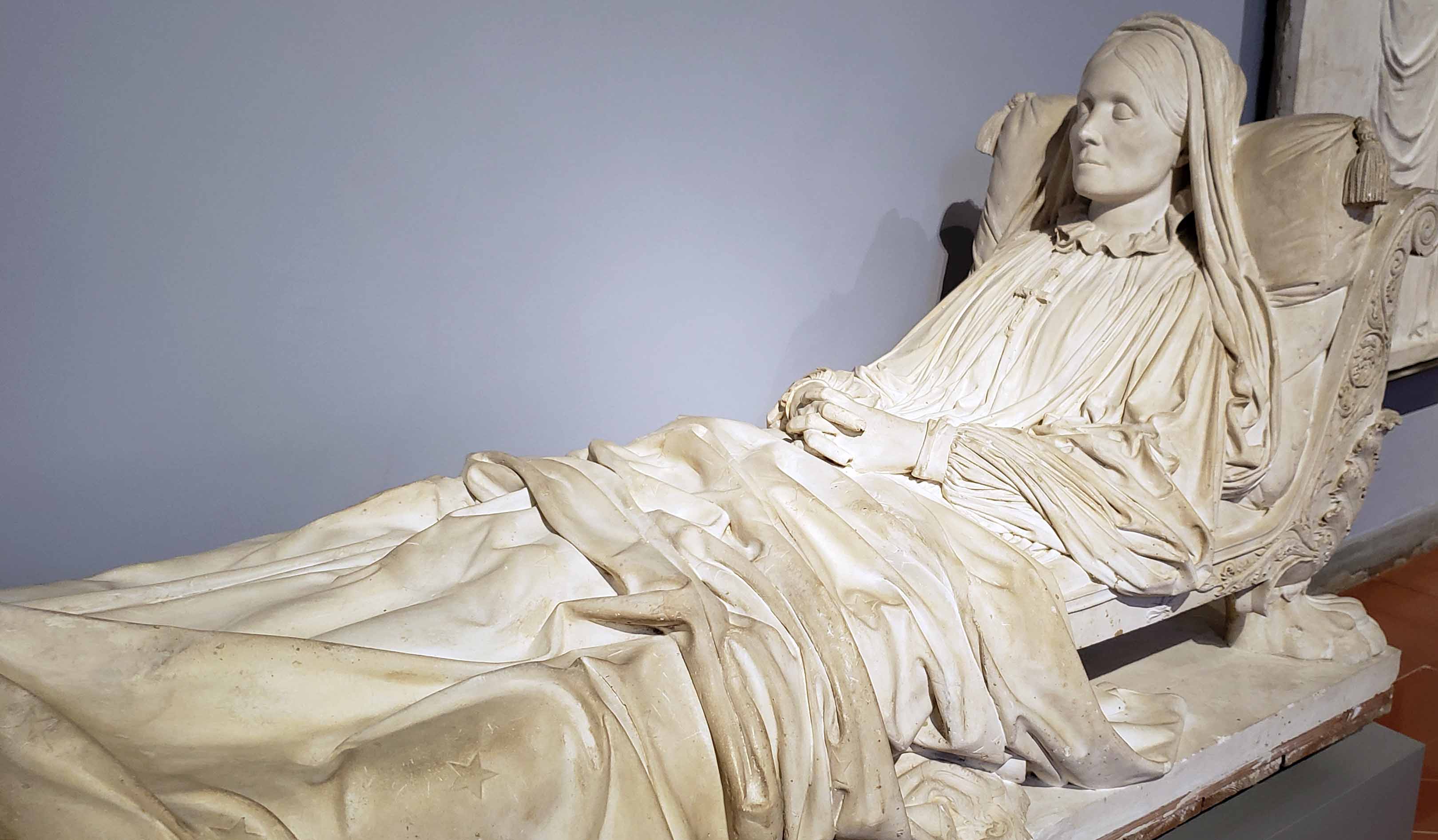
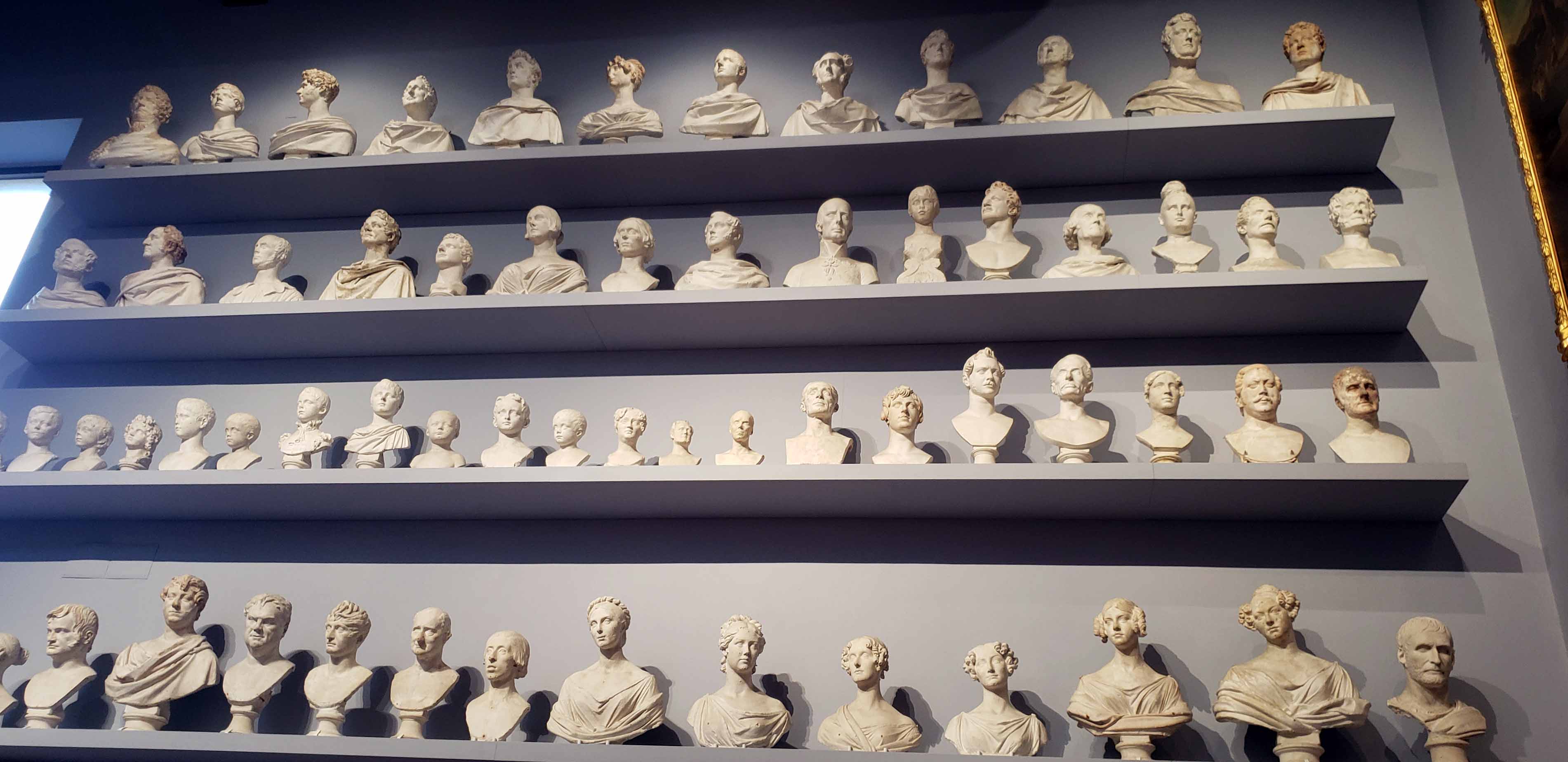
As I wandered away from the monstrous crowd encircling the statue, I ventured into the Gipsoteca Bartolini. This enchanting space felt like a hidden gem for history aficionados, showcasing an impressive collection of 19th-century plaster casts masterfully crafted by Lorenzo Bartolini.
Each piece stood as a silent sentinel, exuding its own distinct character and narrative, whispering tales of artistic evolution and the profound impact they had on the art world. The soft glow of overhead lights accented the intricate details and textures of the casts, making it easy to lose track of time amid this remarkable tribute to creativity and craftsmanship.
UFFIZI GALLERY
The Uffizi Gallery, a treasure trove of exquisite Italian Renaissance artworks, was the next stop on my museum journey. Entry was conveniently included with the Firenze Card, but as with the Galleria dell’Accademia di Firenze, reservations were a requirement.
I again chose an early morning time slot for the same reason I did for the Galleria dell’Accademia di Firenze.
Unlike the Galleria dell’Accademia di Firenze, the entry process here sucked. What good is having a timed ticket when everyone was let in at the same time? Staff didn’t check the ticket times and only cared about moving people through the security line.

Staff were also rude and uninterested in helping visitors or keeping order. I skipped renting the audio guide because there was no need to waste €7. The place was crowded, but I managed to find space at the lesser-known artworks.
The entire place is like a maze, complete with arrows guiding visitors around the museum.
My first port of call was to The Birth of Venus, Sandro Botticelli’s famous painting. The artwork displays Venus (Aphrodite in Greek Mythology), the Roman goddess of love and beauty, arriving on land on the island of Cyprus, standing on a giant scallop shell.
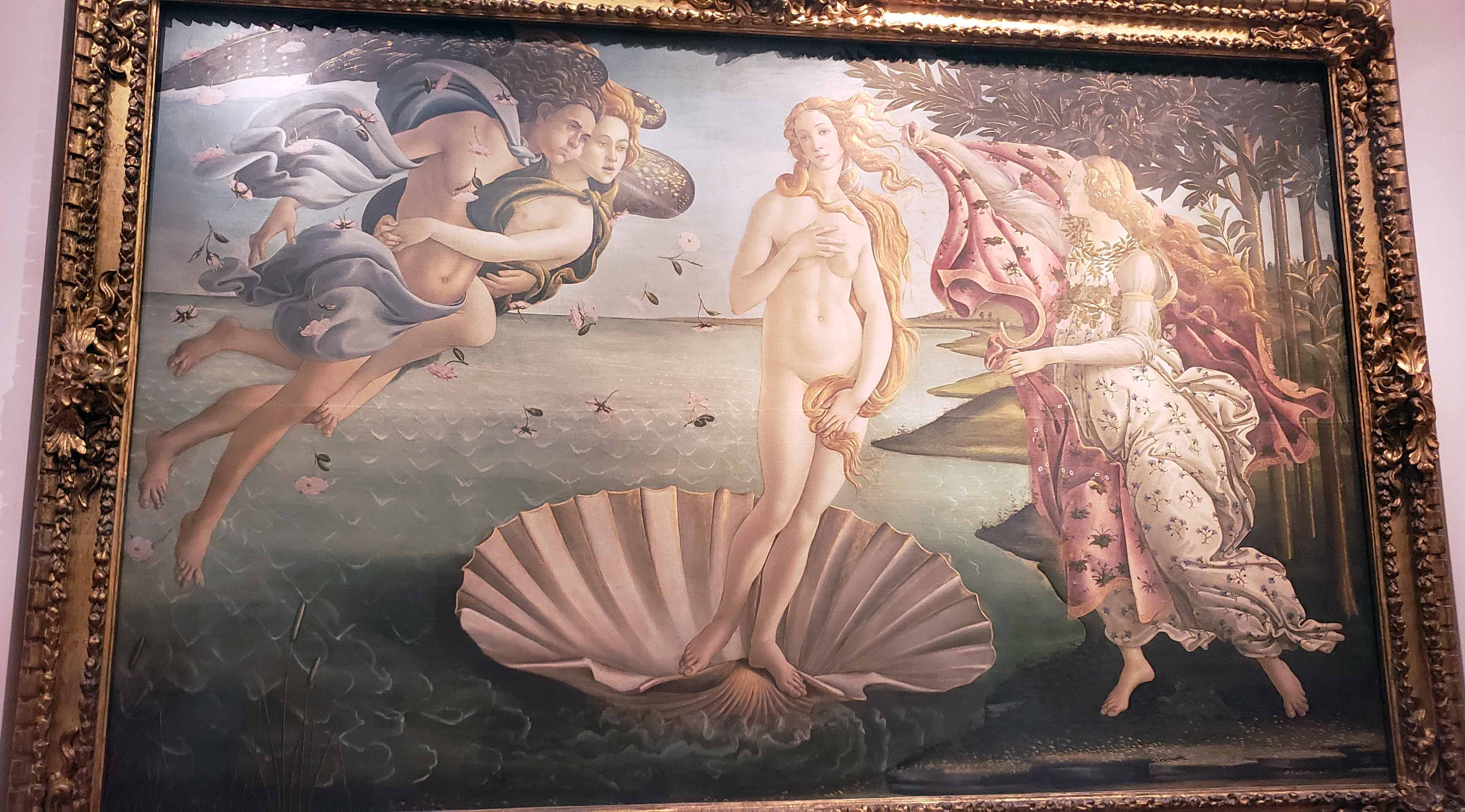

Seeing the painting in various mediums is one thing; seeing the actual painting with our own eyes is on another level of memorizing.
Oh, so I expected.
The painting is truly captivating, its colors vibrant, and its brushstrokes masterful. However, try as I might, I couldn’t stop the wave of melancholy that washed over me.
This feeling was reminiscent of the disappointment I felt upon gazing at the Mona Lisa in the Louvre. My expectations had swelled over the years, fueled by countless stories and reproductions. Yet, the experience left me feeling strangely dejected.

It is a beautiful painting nonetheless. While I appreciate the artist’s skill and the artwork’s intricate details, I did not experience the overwhelming euphoria that one might anticipate upon viewing such a striking piece.
The Tribune was fascinating. The room itself was a breathtaking spectacle, overflowing with opulence and artistry. Barriers prevent visitors from entering the actual room. Nevertheless, they are granted a rare privilege to gaze at the splendors of the Medici collection from afar.

This collection, an illustrious assortment of art and artifacts, was meticulously gathered by the Medici family — a dynasty that wielded enormous power and influence in the vibrant tapestry of Florence’s history.
The room is exquisite — that is if you do not mind fighting with the crowd to even get a glimpse.

The rest of my visit was pretty uneventful. I strolled through the museum, capturing images of paintings that interested me. My 90-minute visit ended at the gift shop.
I had scheduled three hours for this museum given that it houses many of the world’s most impressive artworks. My goal was to immerse myself in the art and take my time, but the overwhelming crowd was too detracting.
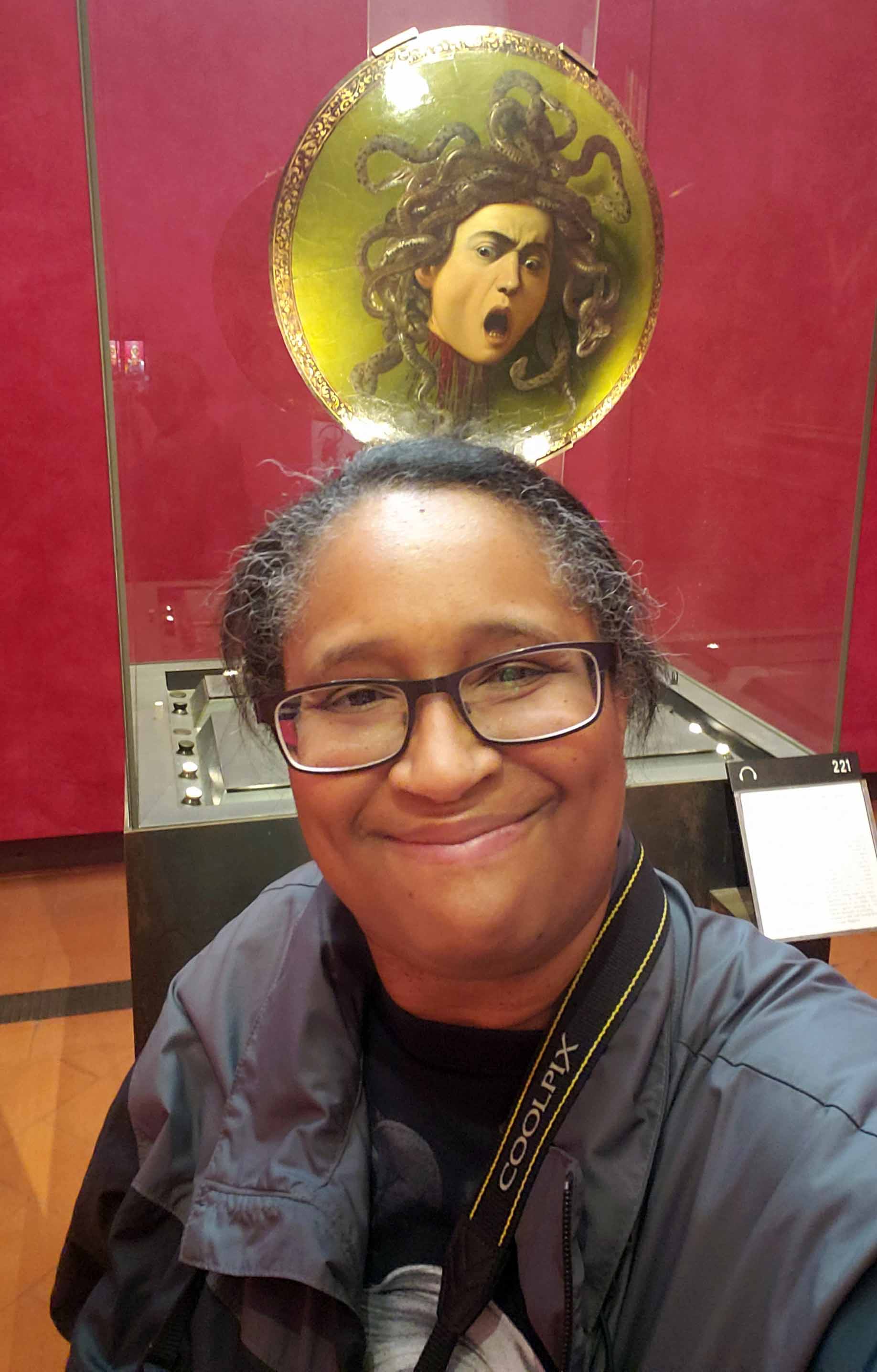
Instead of being able to appreciate each painting, I felt constantly pushed along, which was disappointing. Plus, the staff seemed to lack the ability to manage the situation, leaving many of us feeling more like an inconvenience than valued visitors.
Considering the time and effort to visit, it’s just upsetting that my experience was cut short.
PIAZZA DELLA SIGNORIA
Following my Uffizi exploration, I decided to slow my museum pace and immerse myself in the historical significance of Piazza della Signoria.

This square, created as a symbol of Medici power, is a testament to the immense artistic magnificence of Florence. It is home to the headquarters of the municipality of Florence, Palazzo Vecchio.


LOGGIA DEI LANZI
It is also the home of Loggia dei Lanzi, an outdoor exhibition space adorned with statues and works that seem almost life-like, each telling a story of the city’s rich past.


This was one of my favorite areas of Florence. It was lively, historic and educational.
However, it is also a very crowded area, so safety precautions are a must. I actually witnessed three pickpocketing incidents.
In each case, a couple was distracted by a vendor engaging them in an attempt to sell something. While the couple were focused on the vendor, his partner expertly picked the visitors’ pockets.
This serves as a reminder to always be vigilant in crowded tourist areas.
PALAZZO VECCHIO
After I explored the Piazza della Signoria, I visited the museum at Palazzo Vecchio. Entry was included with the Firenze Card, and no reservations were required.
The Firenze Card also included entry to the tower, but I decided to skip it. My legs were tired from a day of walking, and I wasn’t in the mood to climb 223 stairs.
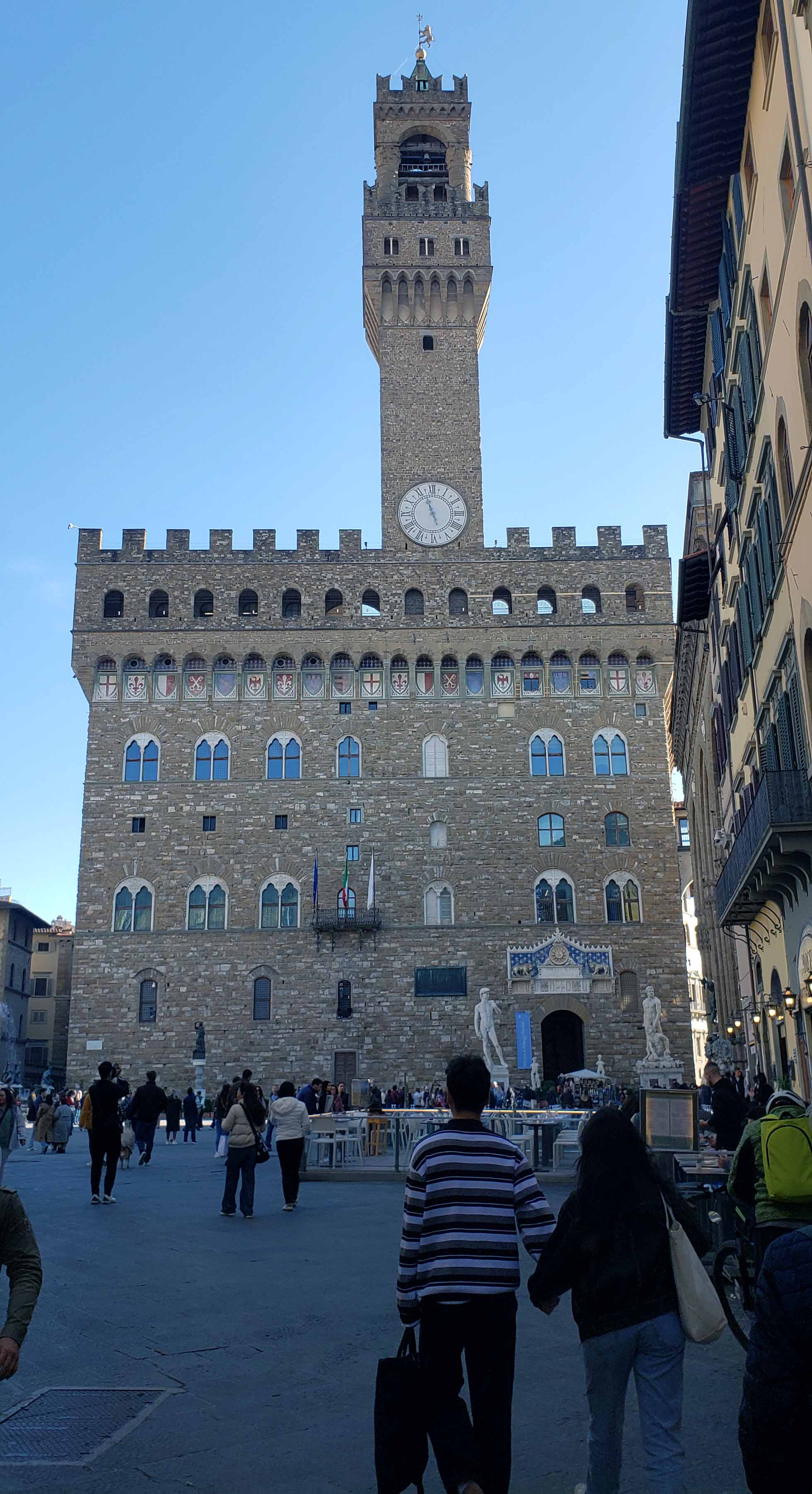
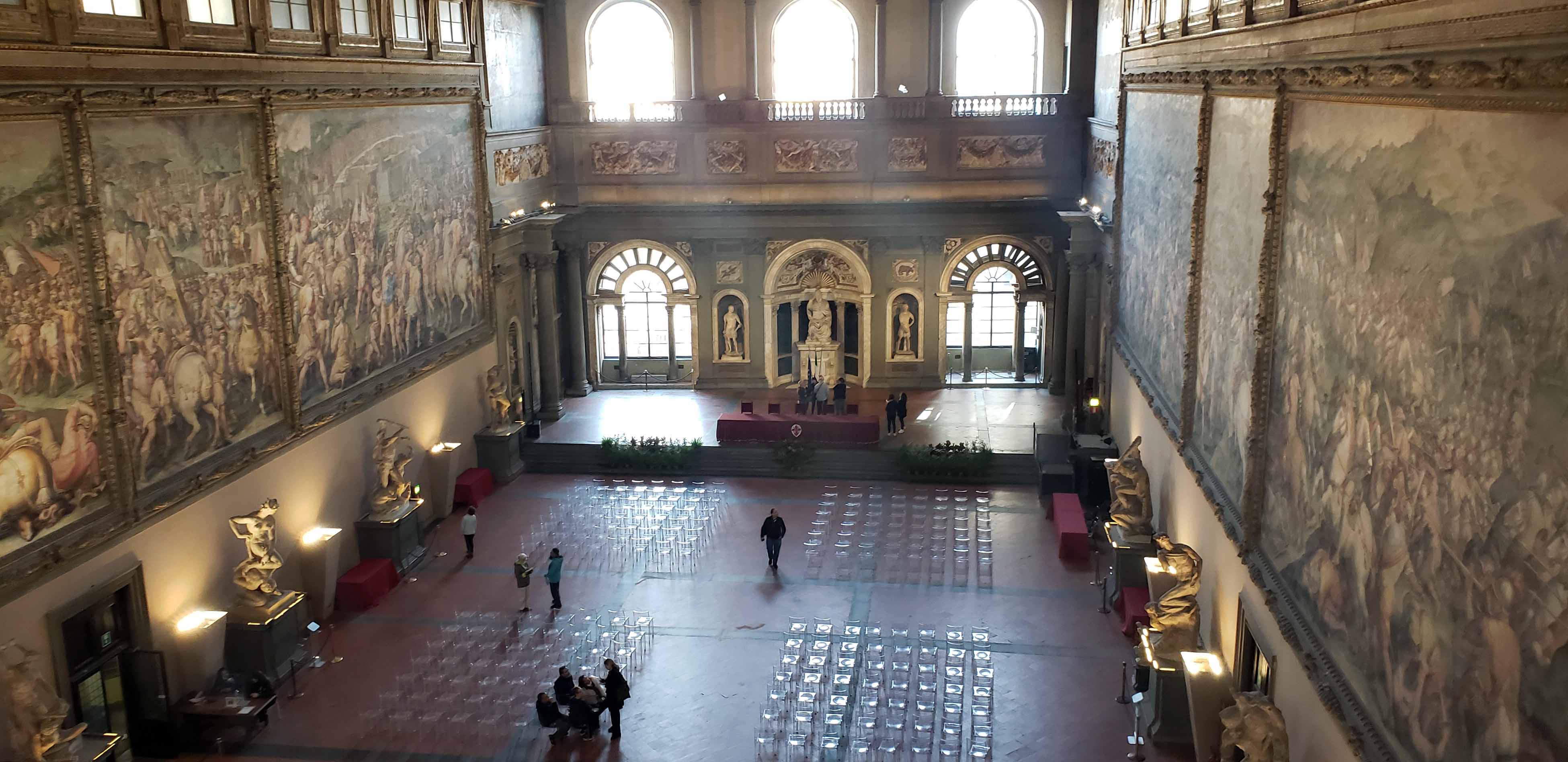
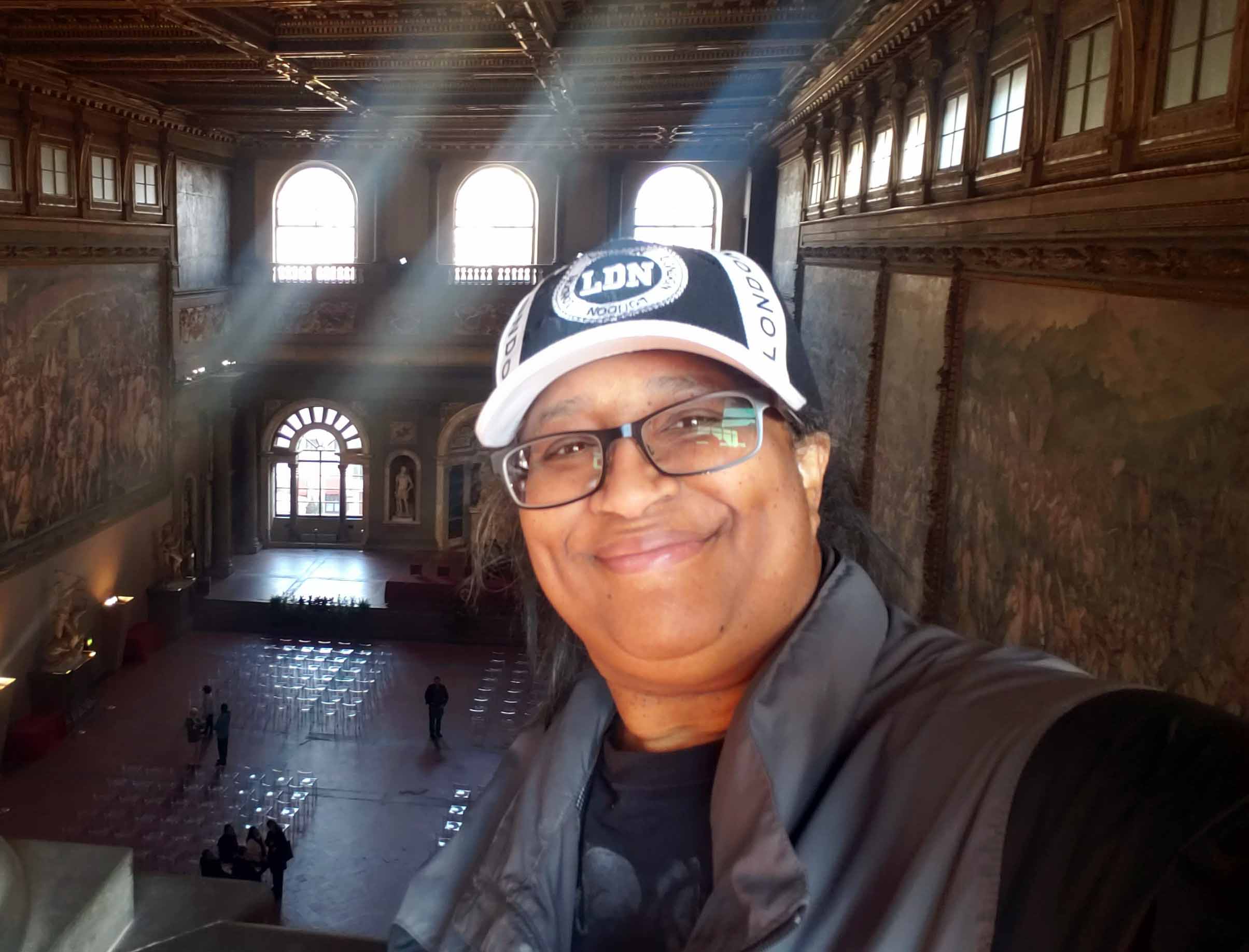
The medieval town hall in Piazza della Signoria, Palazzo Vecchio, symbolizes civil power and is home to iconic art frescoes, secret tunnels, and Roman ruins. An exquisite place to explore.




BISTECCA ALLA FIORENTINA
The Palazzo Vecchio was not the last museum I visited on this Florence Adventure. However, after exploring it, my stomach growled, signaling it was time to call it a day and find food.
I discovered Manzo Firenze while strolling back to my hotel. Their menu had a nice selection, and their Bistecca alla Fiorentina was perfect for my budget.
My dining experience at Manzo was the complete opposite of my Ammalia Restaurant experience. The meal I had at Manzo was #scrumdiddlyumptious! 🤤 🥩 🍽️


The steak was cooked to my liking. The potatoes were crisp and seasoned just right. However, the Bruschetta didn’t please my palate, though it was still edible and a refreshing starter. The restaurant’s customer service was excellent. The atmosphere was pleasant. I felt like a local simply enjoying a nice meal out on the town.
My meals at Ammalia and Manzo were the same price, but the differences in dining experience were substantial. While Ammalia targeted more upscale customers, providing a refined and elegant dining experience, Manzo offered a more down-to-earth atmosphere, catering to a wider range of customers.
This contrast in dining experiences is a testament to Florence’s diversity of culinary experiences, proving that extravagance doesn’t always equal taste and flavor.
DAY TWO CONCLUSION
Day Two focused on the artists that sparked the Italian Renaissance. Seeing Michelangelo’s David was a true highlight.
The Uffizi Gallery was a ‘must-see’ but failed to live up to my expectations. The large crowd, along with the lack of consistent security and care from the staff made my gallery visit subpar.
However, the Palazzo Vecchio was surprisingly enjoyable and insightful, making up for the disappointing Uffizi experience.
Overall, Day Two of my Florentine Adventure was genuinely awe-inspiring and deeply eye-opening. As I wandered through the city, I felt a profound connection to the rich history and creativity that permeated every corner.
I realized why Florence was once celebrated as the “The Art Capital of the World.” The passion and artistry that breathe life into this magnificent city left me with a sense of wonder and gratitude that I will carry with me forever.
Until the next adventure …
HAVE PASSPORT, WILL TRAVEL!

 Candy Knight's Stories
One comment