
My 2025 Four-Lear Clover Adventure continued as I set foot in two of Dublin’s most historic and awe-inspiring locations — The General Post Office (GPO) and Dublin Castle.
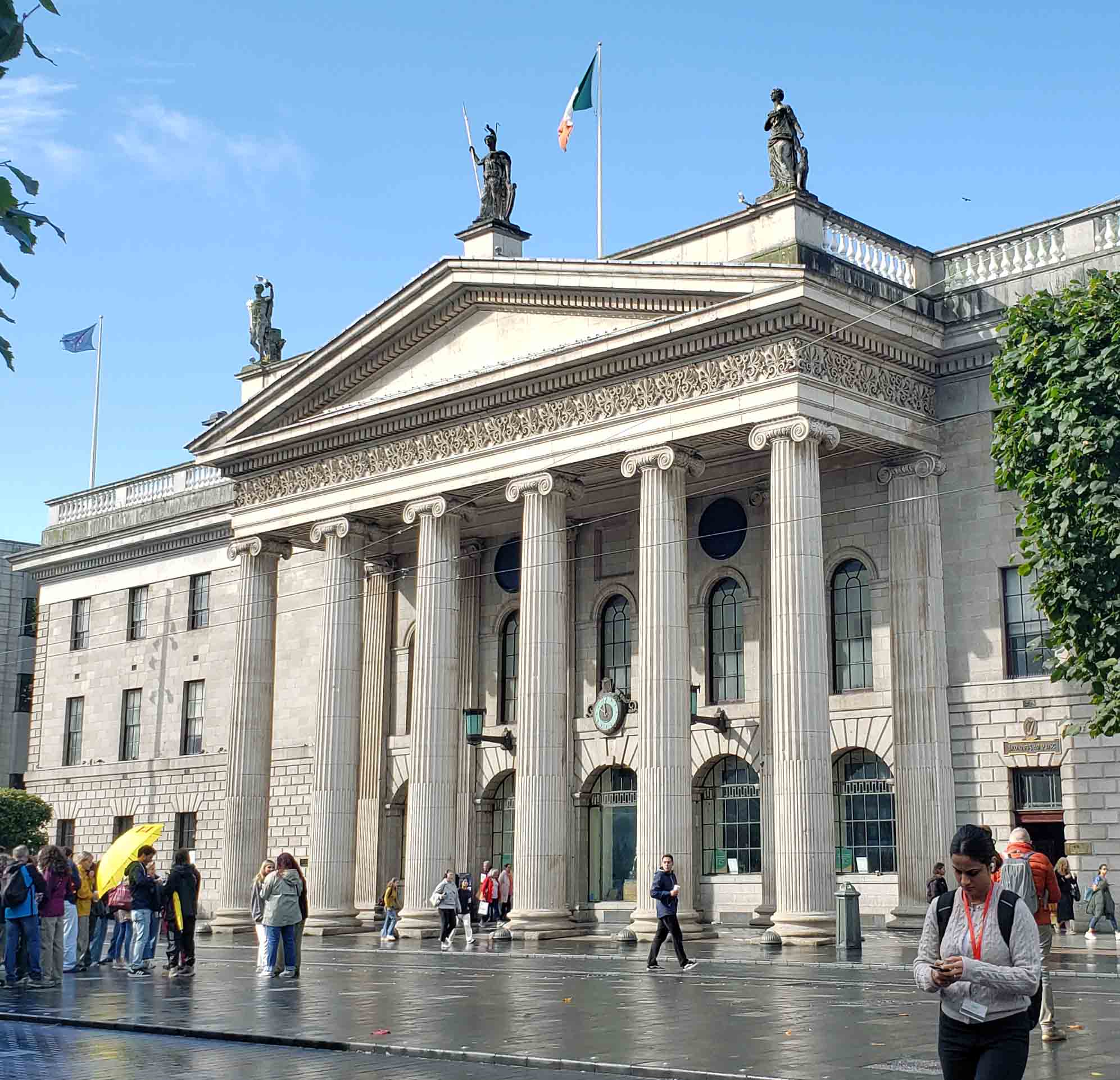
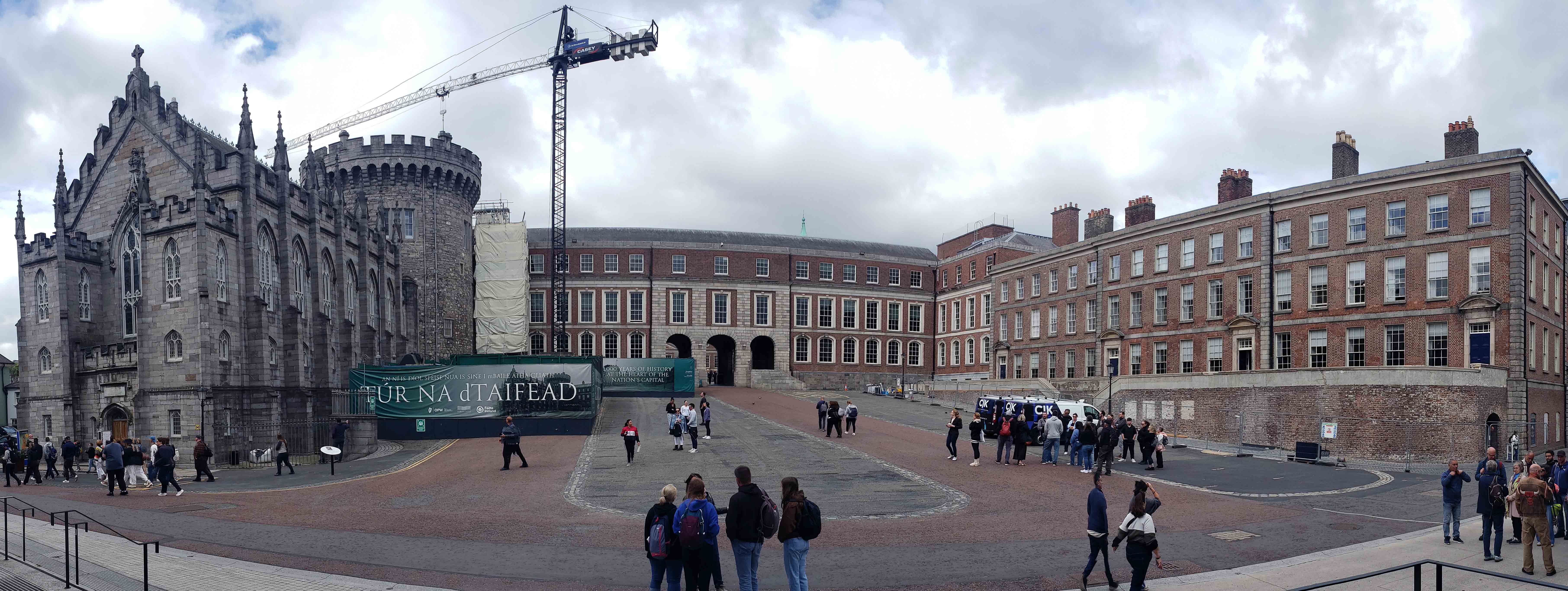
For years, I had dreamed of standing in the very places where history unfolded, yet each previous Dublin journey led me to breathtaking day trips to the Cliffs of Moher and enchanting Kilkenny, leaving these iconic sites untouched.
My go-to reason for not visiting was the classic, “Oh, I’ll visit the next time I’m in Dublin” excuse.
However, this time, my spirit of adventure ignited a sense of urgency within me.
GPO MUSEUM: WITNESS HISTORY
The GPO Museum and its “Witness History” exhibition were at the very top of my must-see list this time around, and I don’t regret that decision.

As a history enthusiast, I’ve often found myself captivated by stories of the past. Still, I admit my knowledge of the 1916 Easter Rising wasn’t up to snuff.
The moment I stepped through the doors of the GPO, my curiosity was ignited, and I was ready for an adventure through time. I expected the museum to cover simply the events of the 1916 Easter Rising.

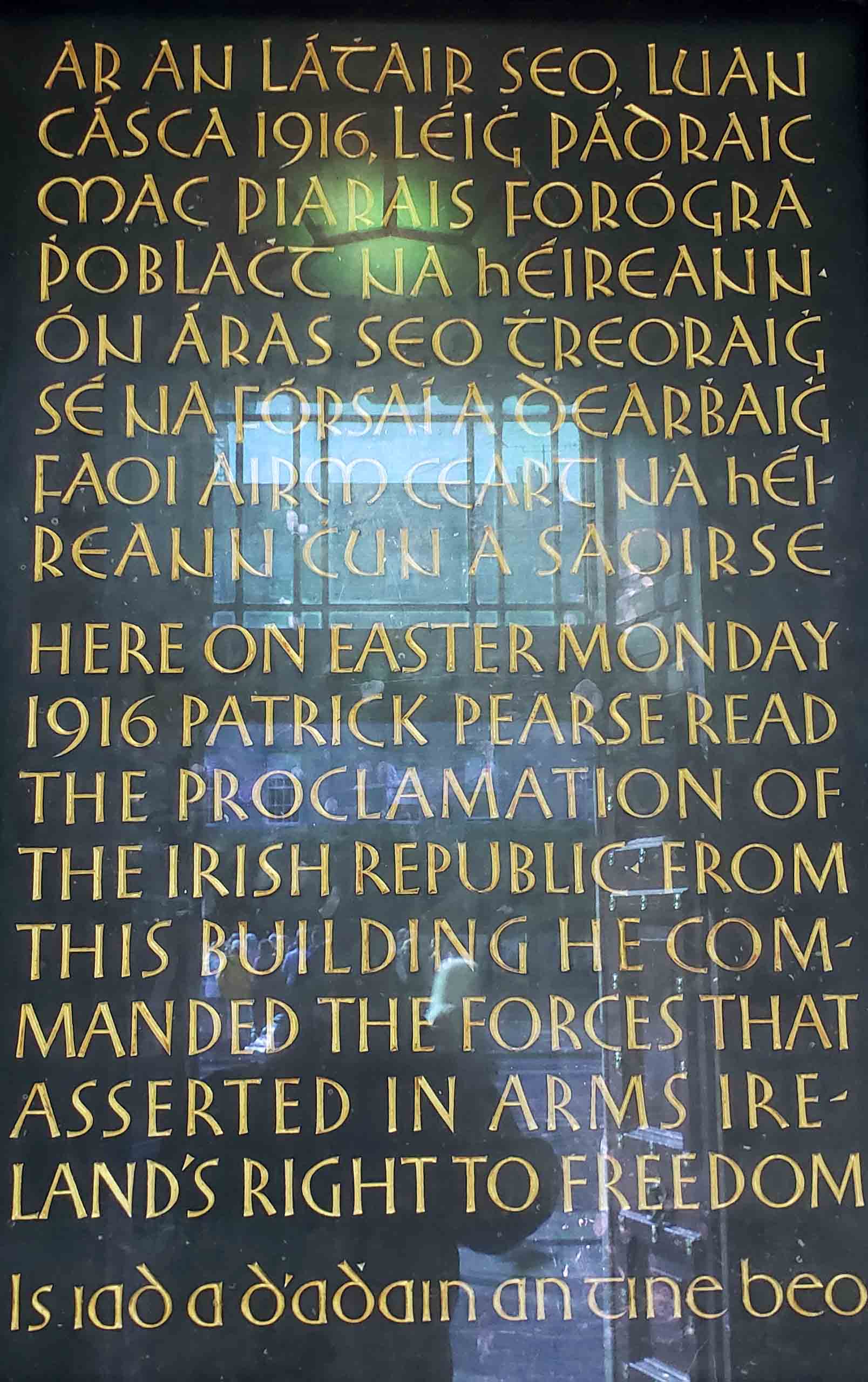

However, not only does it do an incredible job of detailing the Easter Rising, but it also does an fantastic job detailing other monumental moments in Irish history, like the Irish War of Independence, the Troubles, and the pivotal signing of the Good Friday Agreement in 1998.
“FIRE & STEEL”
The highlight of my visit was undoubtedly “Fire and Steel,” the 15-minute, immersive film experience that places visitors in the heart of the 1916 Easter Rising and the happenings inside the GPO, which served as the headquarters of the rebel forces.

The film was a vivid tapestry of sights and sounds that drew me into the tumultuous events of the 1916 Easter Rising. I could almost feel the pulse of history as I sat and watched the film.
I was so captivated that I couldn’t resist catching the next showing, determined to uncover all the intricate details I had overlooked during my first viewing.
Details like the role the women in the Cumann na mBan played during the Rising. I also learned about Winifred Carney. She wasn’t just a bystander; she was James Connolly’s aide de camp, steadfast and courageous, standing resolutely by his side throughout the tumultuous days of the Easter Rising. Her bravery and determination added an electric layer to the narrative, compelling me to learn more about her.
TRADITIONAL & INTERACTIVE
The museum also impressed me with the balance it struck between traditional exhibits and interactive experiences. The elegantly curated displays were rich in detail and history. Each piece felt alive, whispering tales from the past. Meanwhile, the interactive stations invited visitors to delve deeper into Irish history.


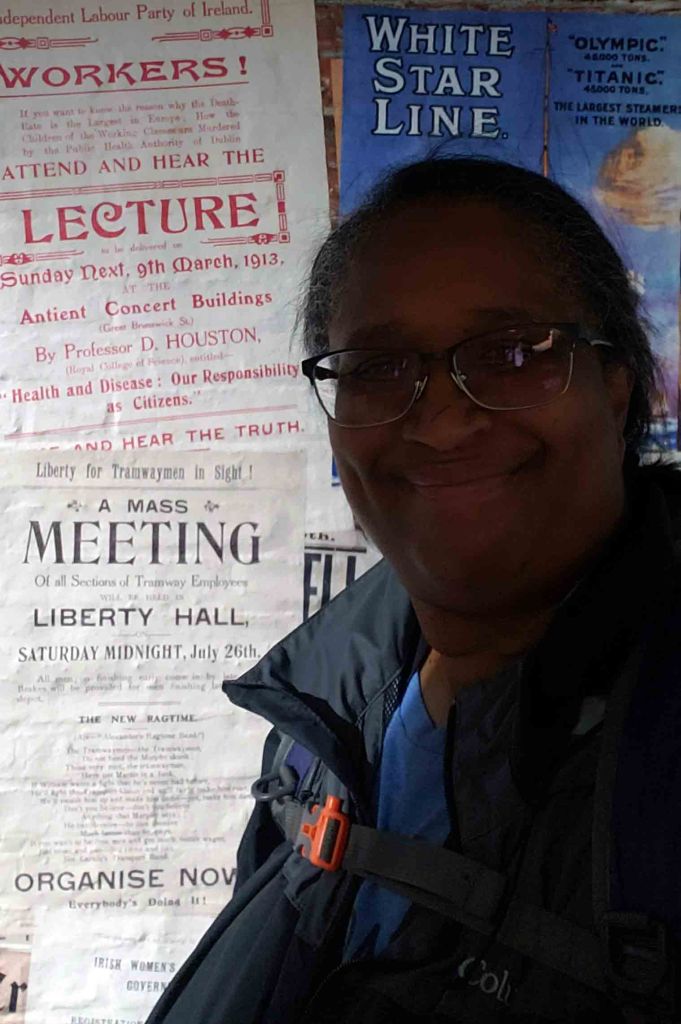


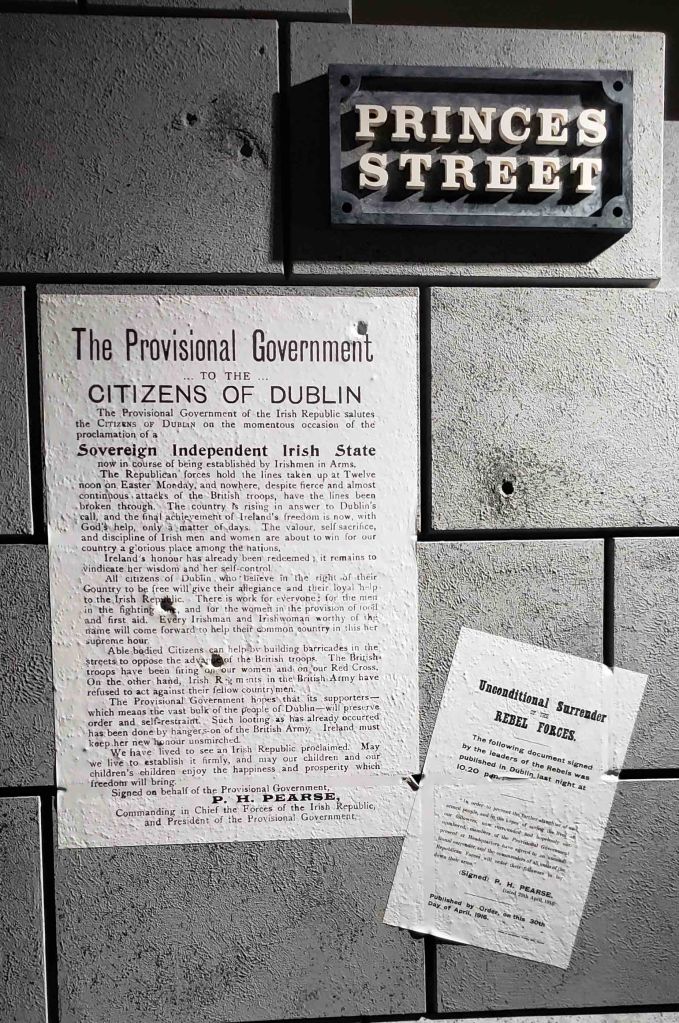

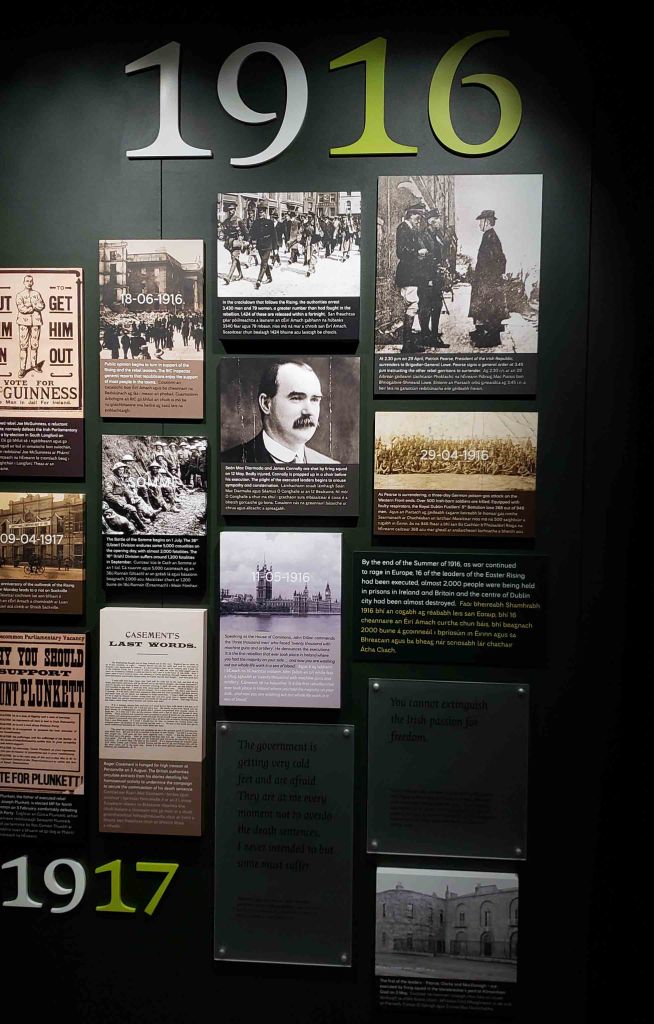


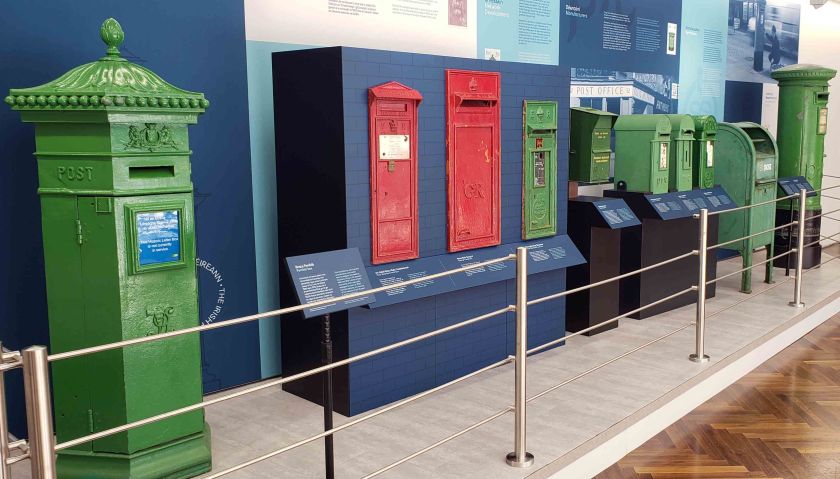
This seamless blend of the traditional and the innovative transformed the museum into a vibrant learning haven, where every moment was an opportunity for discovery.
IRELAND’S NATIONAL FLAG
The exhibit on Ireland’s flag was another standout moment. It expertly illuminated the profound symbolism and historical significance inherent in this iconic emblem. I was captivated by the vivid colors of green, white, and orange, each representing different aspects of the nation’s heritage.

The deep green symbolizes the Irish Catholics and the lush landscapes of Ireland, while the bright orange stands for the Protestant community. The purity of the white in between represents peace and unity between these two groups.
Overall, my visit was an exhilarating journey filled with discovery and reflection. The GPO Museum doesn’t just present history; it immerses you in it, making it an unforgettable experience.
I left with a deeper understanding of Ireland’s past and a newfound appreciation for its enduring spirit. If you’re looking for a place where history comes alive, the GPO Museum should be at the top of your list!
DUBLIN CASTLE
Later, I wandered over to Dublin Castle, the nerve centre of historical power in Ireland.

Before heading out, I did a bit of research on the castle and its role in history to see if there were certain areas or items I should check out.
Hmm, that murder mystery detective curiosity gene seems to be quietly asserting itself.
I learned that from 1204 until 1922, the castle was the seat of English and, later, British rule in Ireland, as well as serving as the principal residence for the Viceroy of Ireland.
Also fascinating to learn was that Bram Stoker, the author of Dracula, worked at the castle from 1866 to 1878. What a lovely bit of trivia for those pub night quizzes.

Overall, my visit was – if I had to sum it up in one word – nice.
There wasn’t anything negative to report, but I can’t say it left me breathless or eager to rush back any time soon. My expectations were high, yet reality had a gentle way of bringing me back down to Earth — a friendly reminder not to get too carried away.
While it was a charming experience, I must admit it turned out to be more of a “check the tourist box” kind of outing — pleasant, but not exactly a thrill ride.
Just goes to show that expectations sometimes blind us to reality.
There were two options for tickets – a self-guided tour for €8 of the State Apartments or a guided tour for €12, which included the State Rooms, Viking Excavation and the Chapel Royal.
I chose the self-guided State Apartments tour because I love exploring at my own pace, rather than following a group that could be too quick or too slow. I also chose the 10 a.m. timeslot, which was 15 minutes after the castle opened. I chose an early time slot to avoid the crowds.


The self-guided tour was about 45 minutes. The audio guide, available at https://dublincastle.ie/audio_guide, offers intriguing history tidbits delivered in an engaging manner that kept me interested rather than bored.
The placards provided detailed information about the rooms and the significant events that took place in that room. For example, the James Connolly Room is an important landmark in the story of the Easter Rising of 1916, and the Throne Room, which was created in 1788 as an audience chamber in which the Viceroy received guests on behalf of the British monarch.





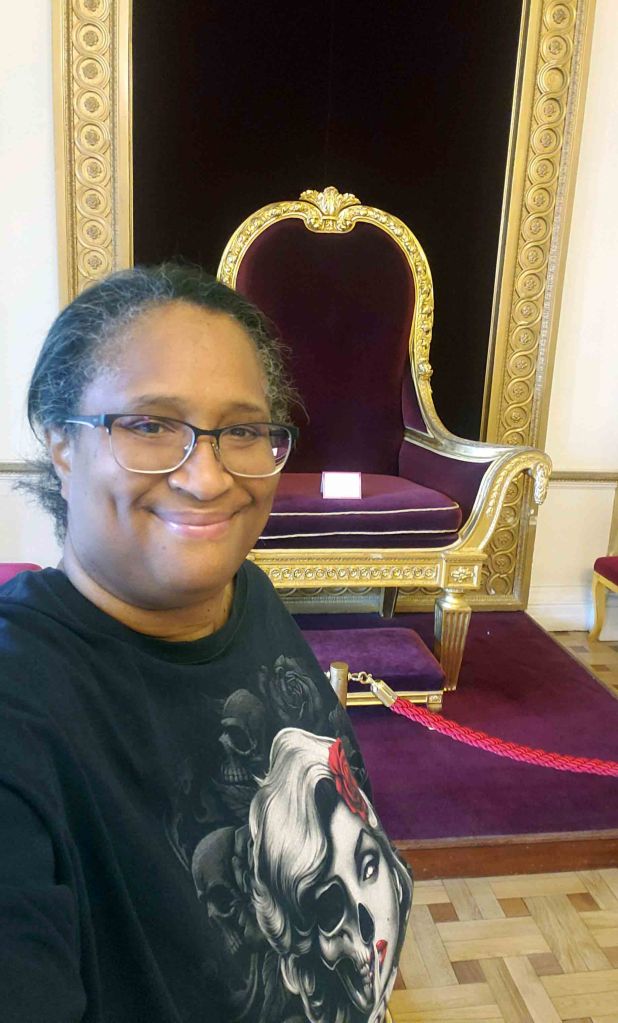


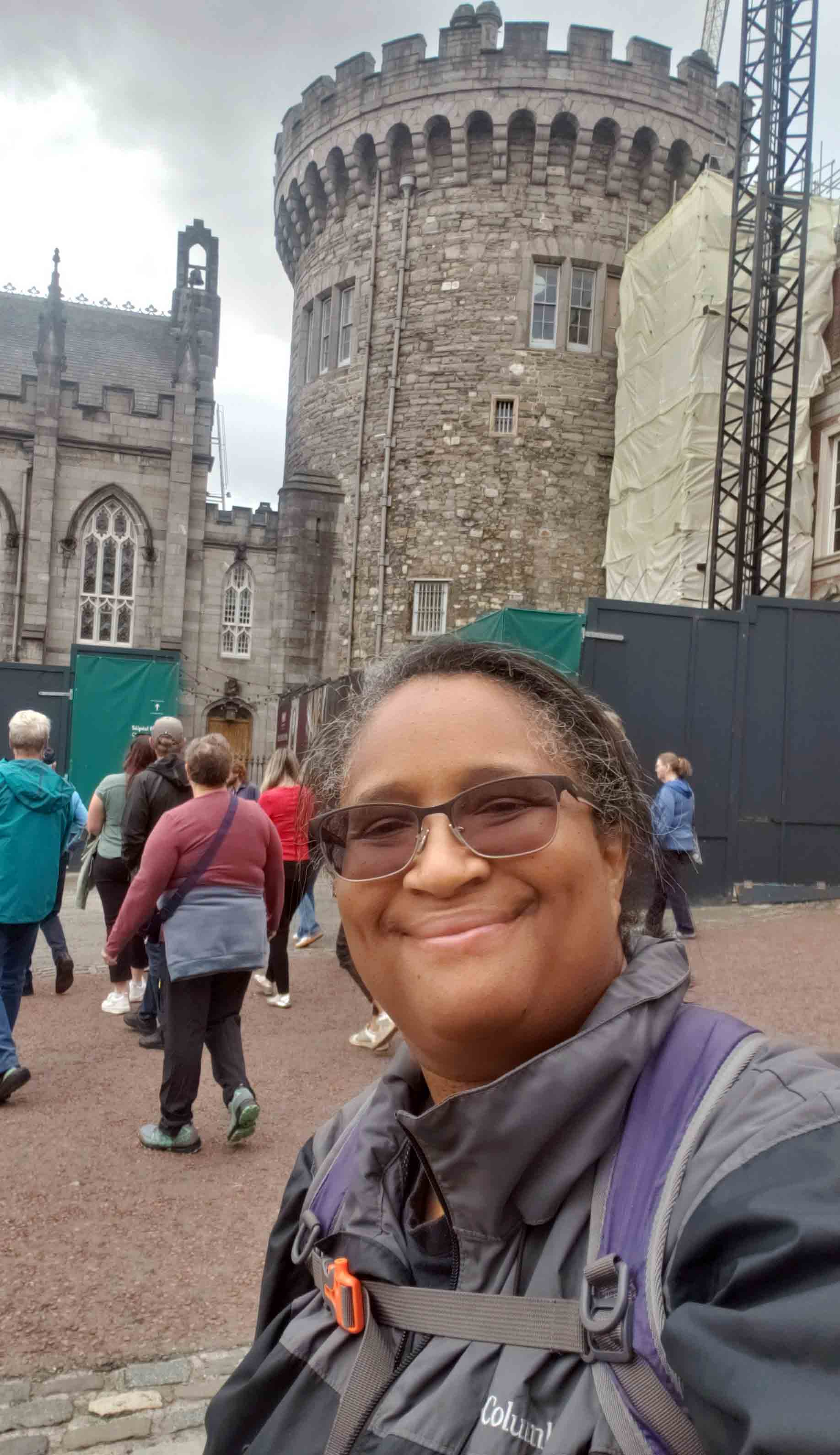
Forty-five minutes later, the self-guided tour was done. I spent another 20 minutes outside taking photos of the surrounding area.
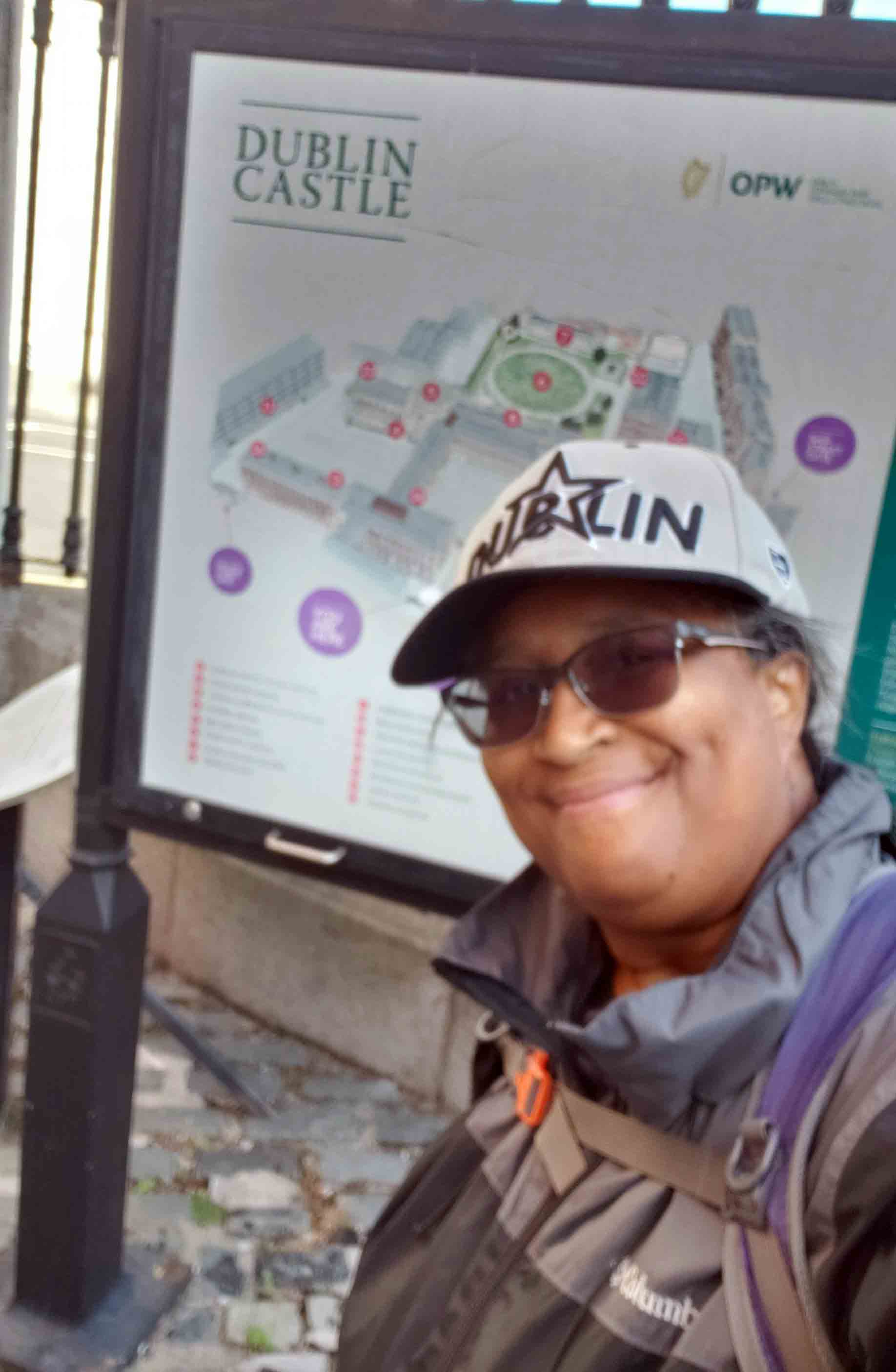
Luckily, I came across the Dublin Castle Map and discovered two free museums nearby, thus my Dublin Castle experience wasn’t a complete downer.

FINAL THOUGHTS
My escapades at the GPO Museum and Dublin Castle were like a historical double feature — one part thrilling blockbuster, one part charming indie film.
The GPO Museum hooked me right from the start. Its dynamic exhibits and storytelling felt like a captivating novel I couldn’t put down. Who knew learning about the past could be so exhilarating?
Dublin Castle was more like a cozy evening with a cup of tea and a good book — delightful but a tad predictable. While it offered a lovely peek into the past, it felt more like I was ticking items off a tourist checklist than embarking on an adventurous quest. Don’t get me wrong, the castle had its charm, but I was hoping for a bit more pizzazz!
These jaunts reminded me that history can swing wildly between nail-biting excitement and gentle nostalgia, largely depending on our expectations and the tales we choose to chase.
In the end, my adventure was a delightful cocktail of discovery and reflection, reinforcing the notion that every destination has its own quirky story to tell. Some tales leave us breathless, while some give us a firm handshake and a soft pat on the back before sending us on our way.
What a simple reminder that not every adventure needs to be a rollercoaster ride!
Until next time …
 Candy Knight's Stories
2 comments