Can you imagine New York City without its iconic Subway? Paris without its Métro?
Hard to fathom, huh?
Well, if the Metropolitan Railway hadn’t come into existence, the NYC Subway and the Paris Métro may never have been created.
That’s right!
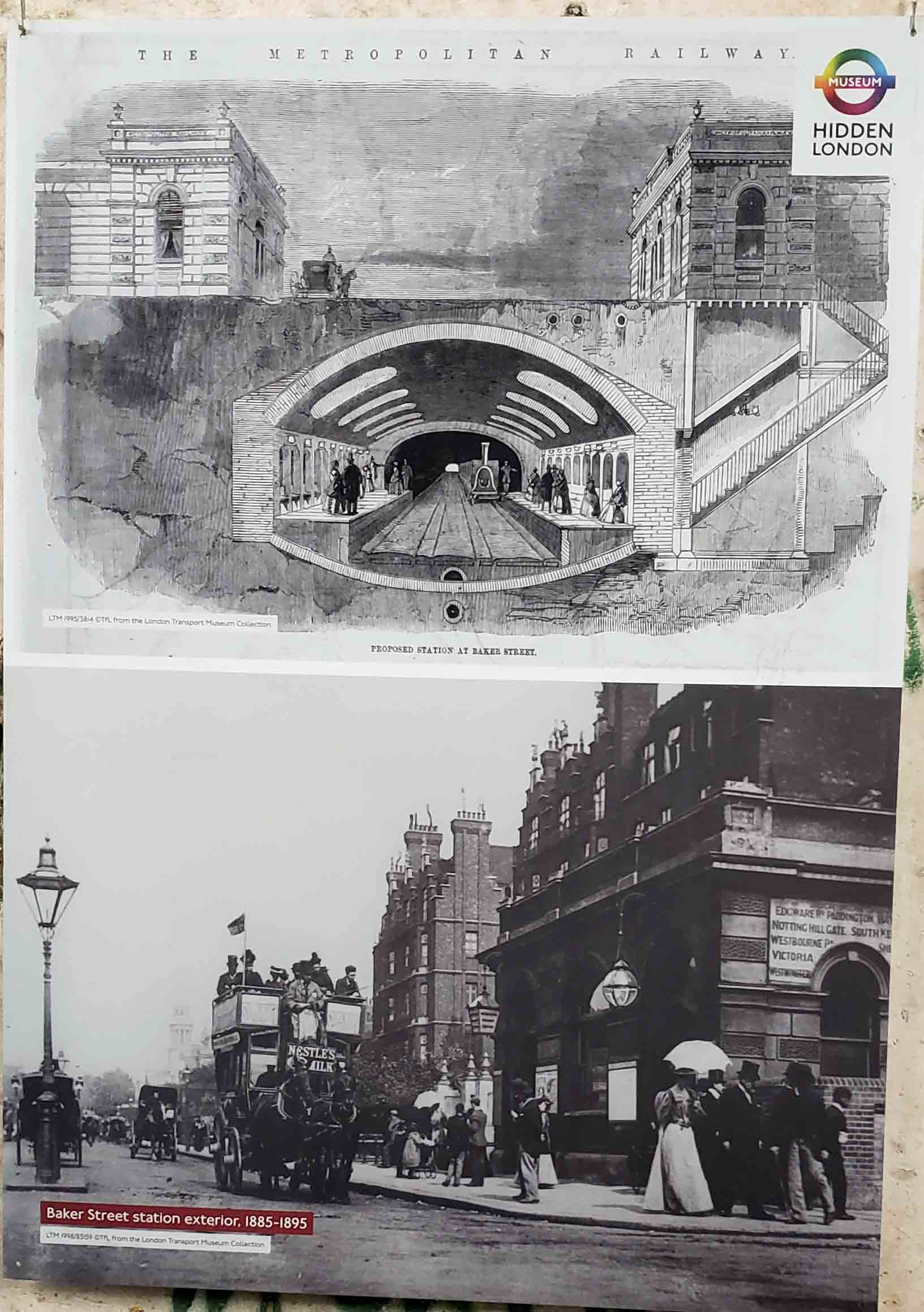
London’s Metropolitan Railway kicked off a travel revolution when it opened on January 10, 1863.
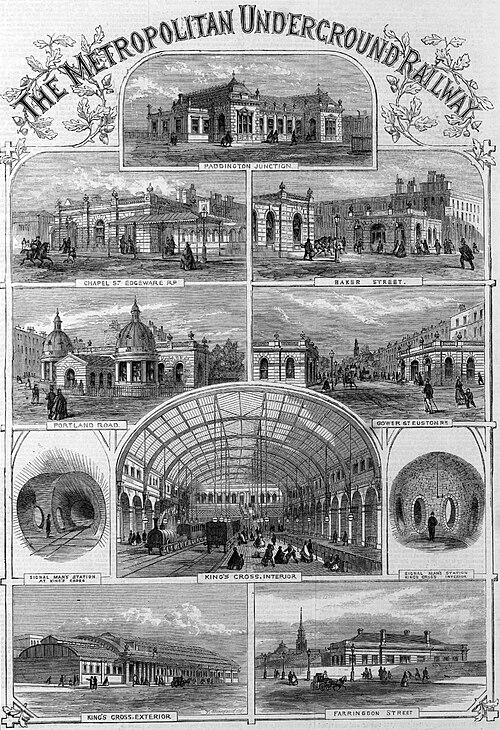
As the world’s first underground railway, it sparked a new era of connection and possibility, showcasing the power of visionary thinking.
Imagine cutting a 90-minute journey down to just 20 minutes. If you’ve ever been stuck in traffic, you know that’s mind blowing magic!
Baker Street: The World’s First Underground
As I descended into the depths of the Baker Street Tube station, I felt a thrill of anticipation. Most people only know the station as a bustling hub for commuters.
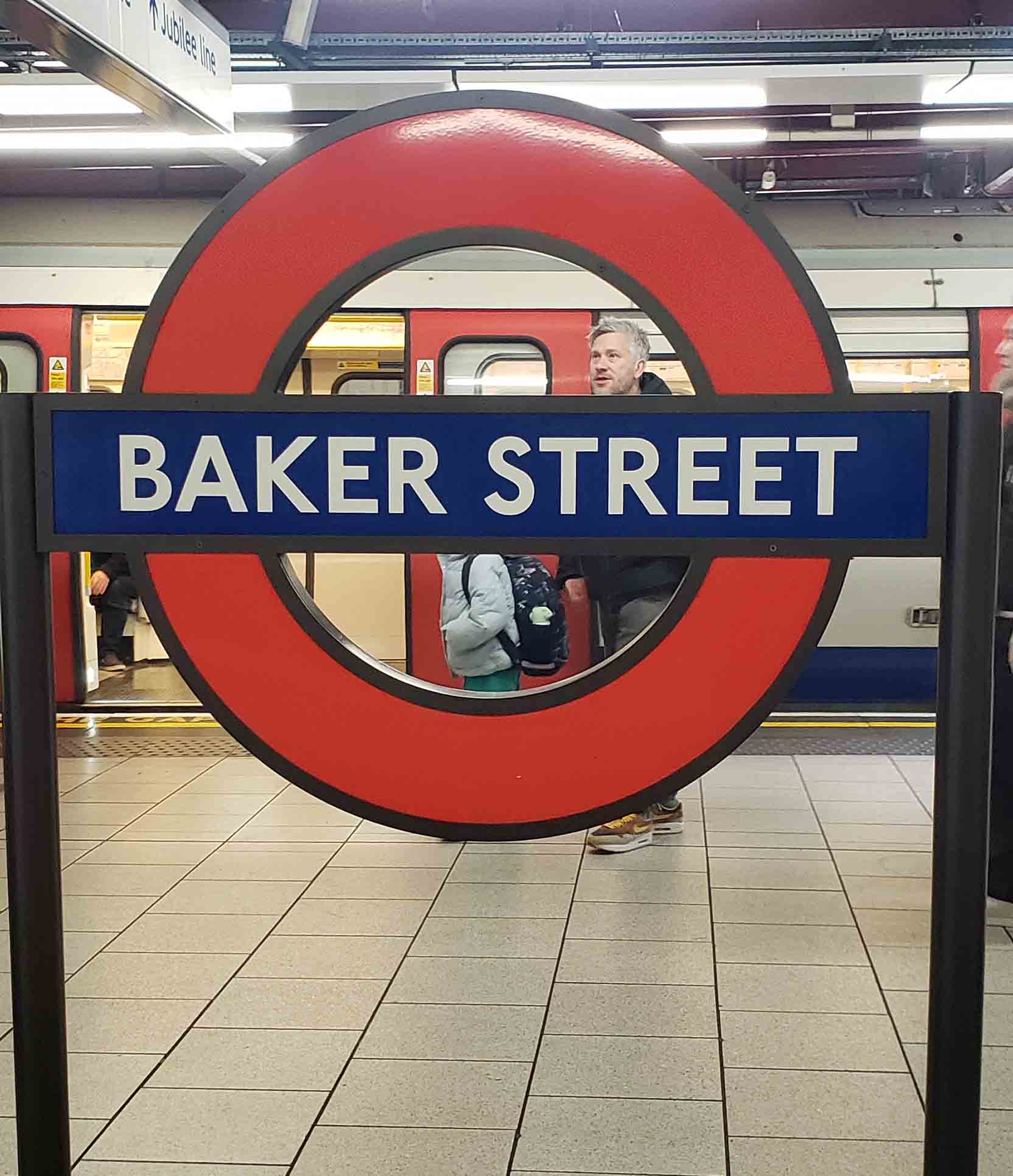
Yet, thanks to the brilliant Hidden London tours, my experience was woven with history, mystery, and a touch of humor.
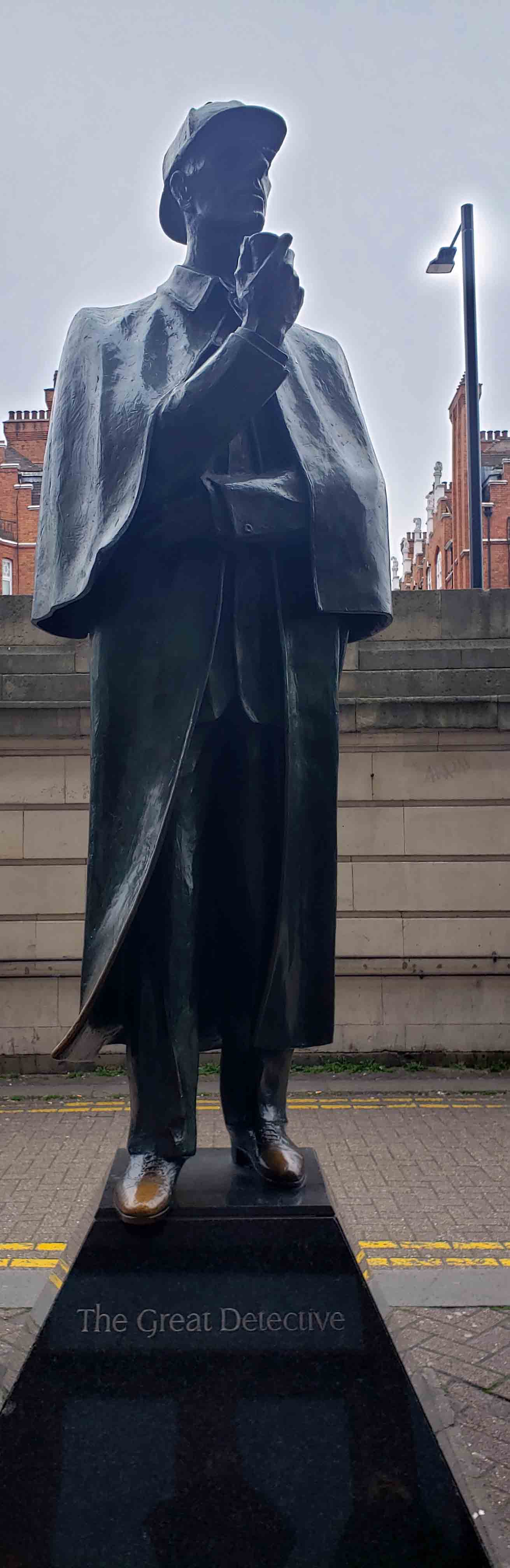
Before I joined my group, I couldn’t help but snap a few photos of Sherlock Holmes, one of the world’s best-known detectives, who lived at 221B Baker Street.
Upon joining my group, I was greeted by our spirited guides, who possessed an absolute treasure trove of knowledge.
With an air of charming eccentricity, they began weaving tales of the station’s past, from the grandeur of its Victorian architecture to the fascinating facts that made this place famous.
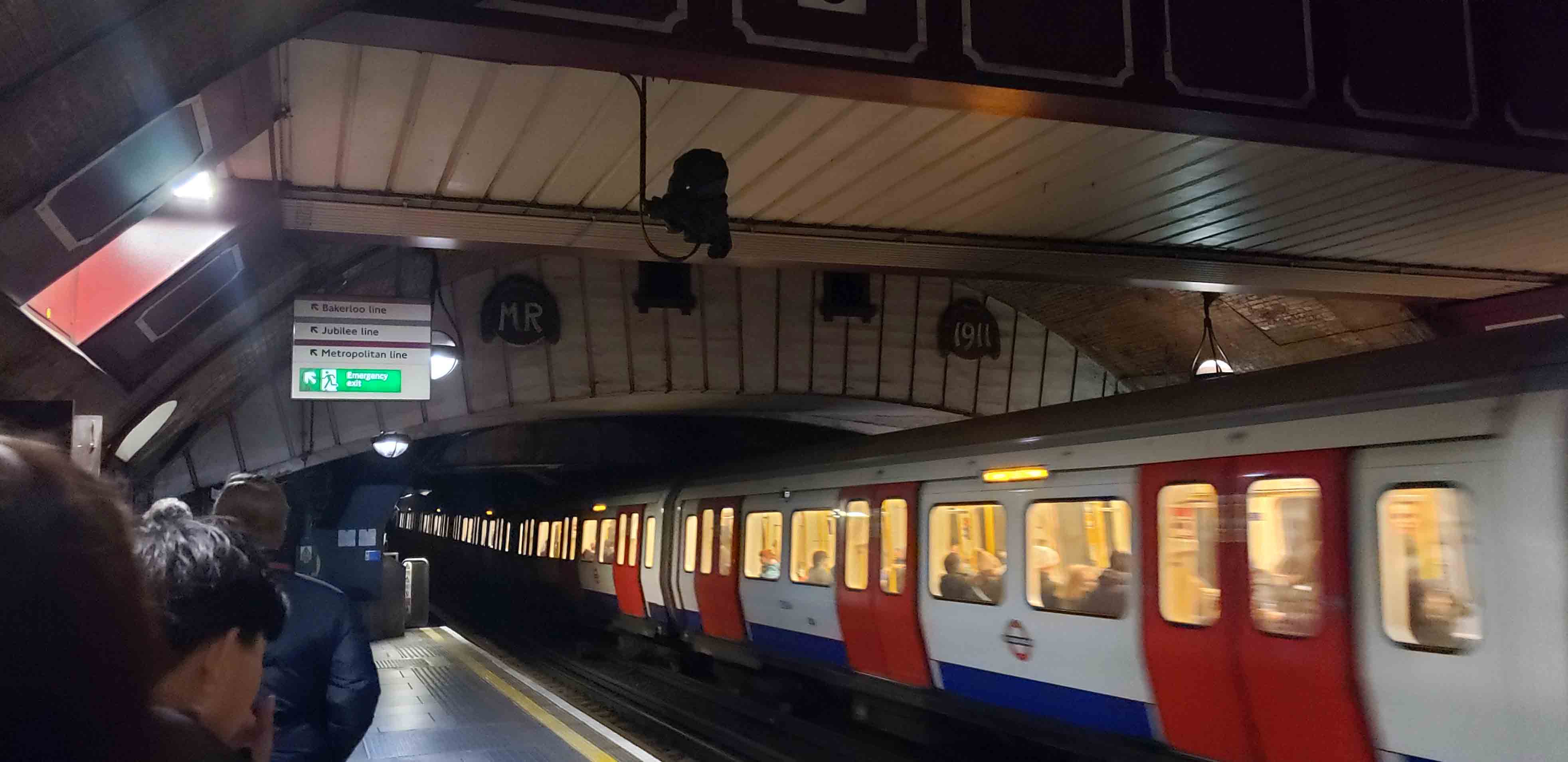
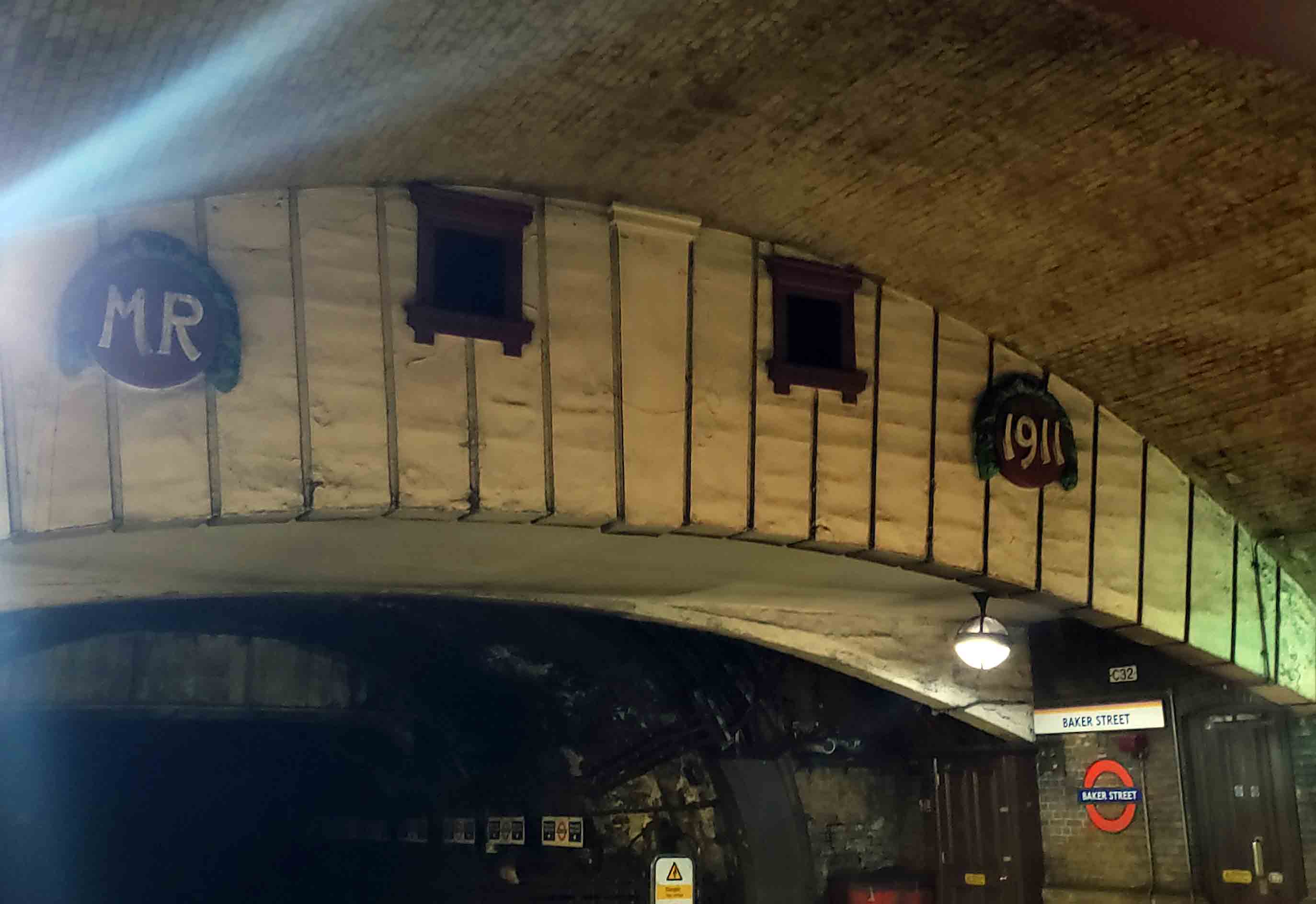
Exploring the station’s hidden areas was like stepping into a beautifully preserved time capsule. The vintage tiles and the old signage whispered stories of the countless passengers who have traversed these platforms.
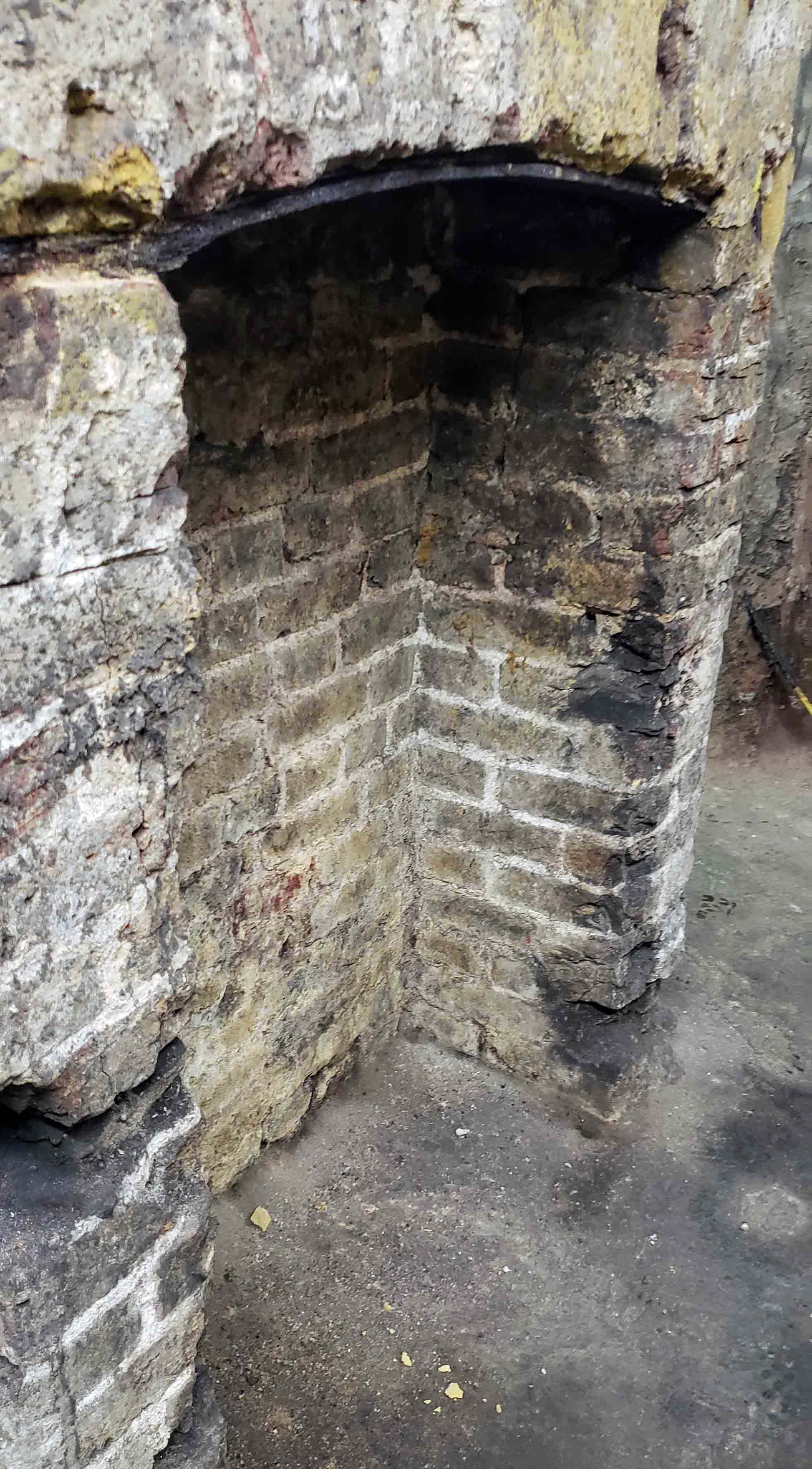
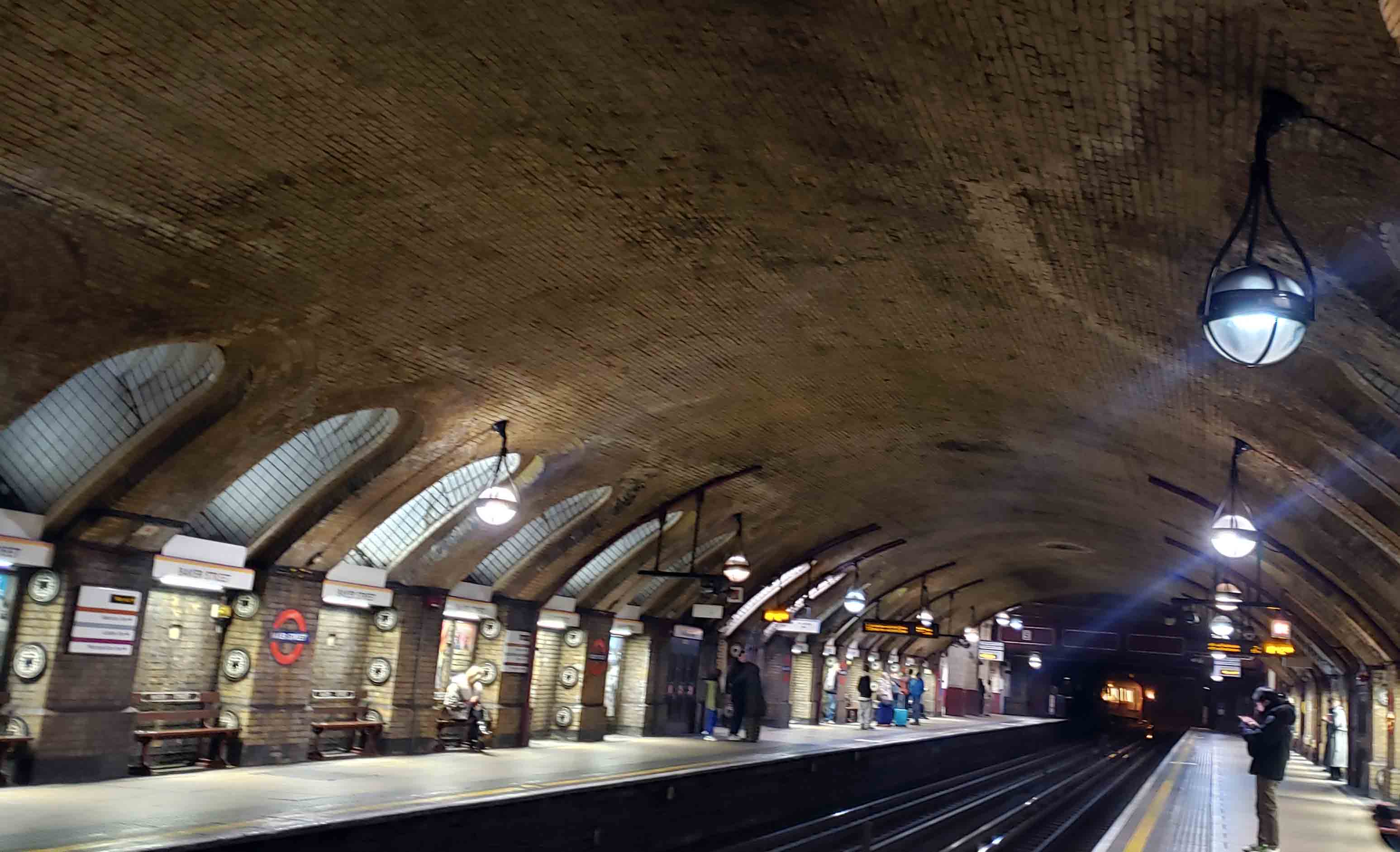
We even stumbled upon a section of the tunnels that used to double as public toilets — talk about a real “flush” back to history!
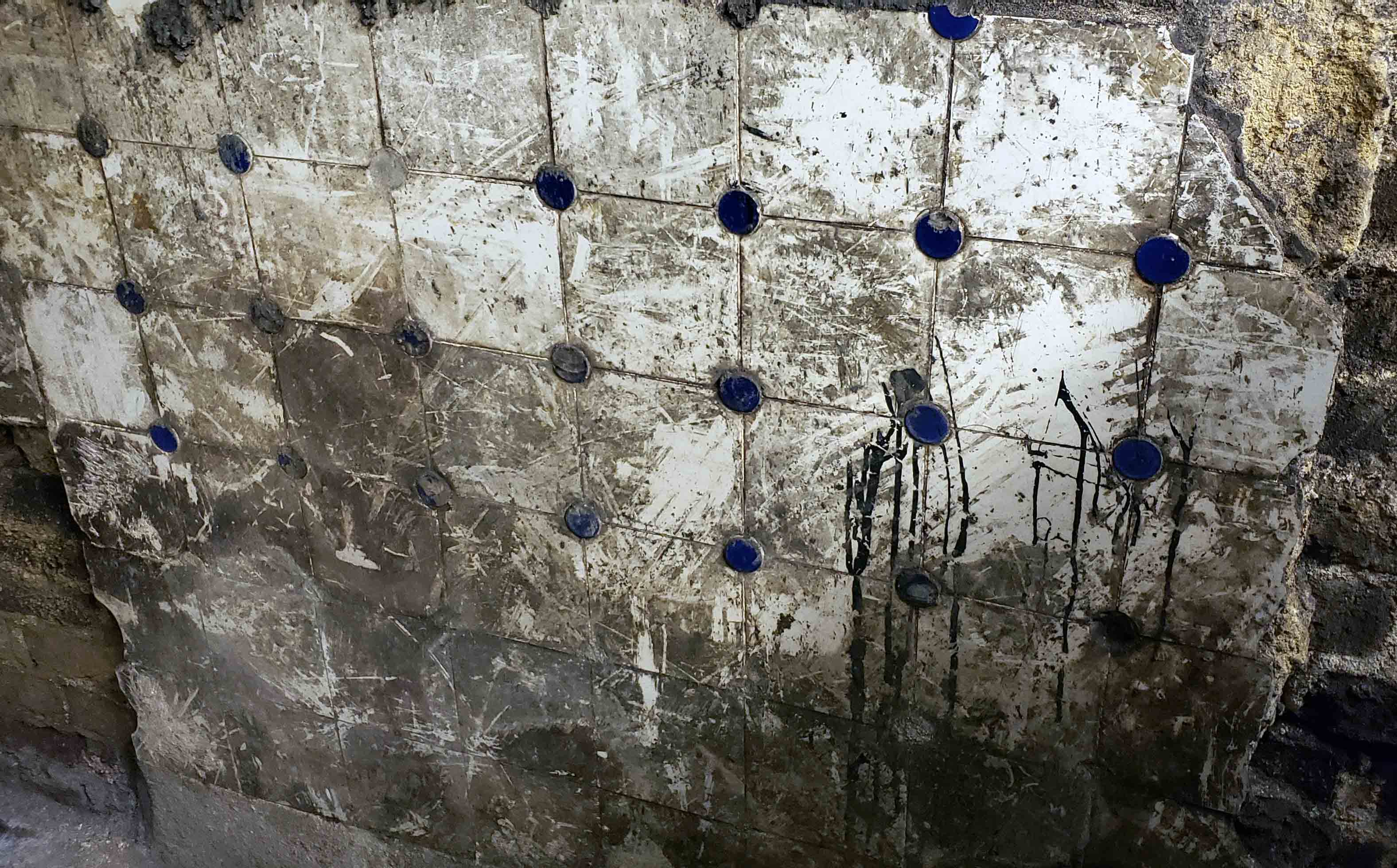
Who knew ancient plumbing could be so… riveting? I’m just glad they didn’t have Google reviews back then!
Forgotten Tunnels
One of the most exciting highlights of my tour was exploring the forgotten platforms of the Bakerloo and Metropolitan lines!
These historical gems, long abandoned, offered me a fascinating glimpse into the rich history of London’s transportation system.
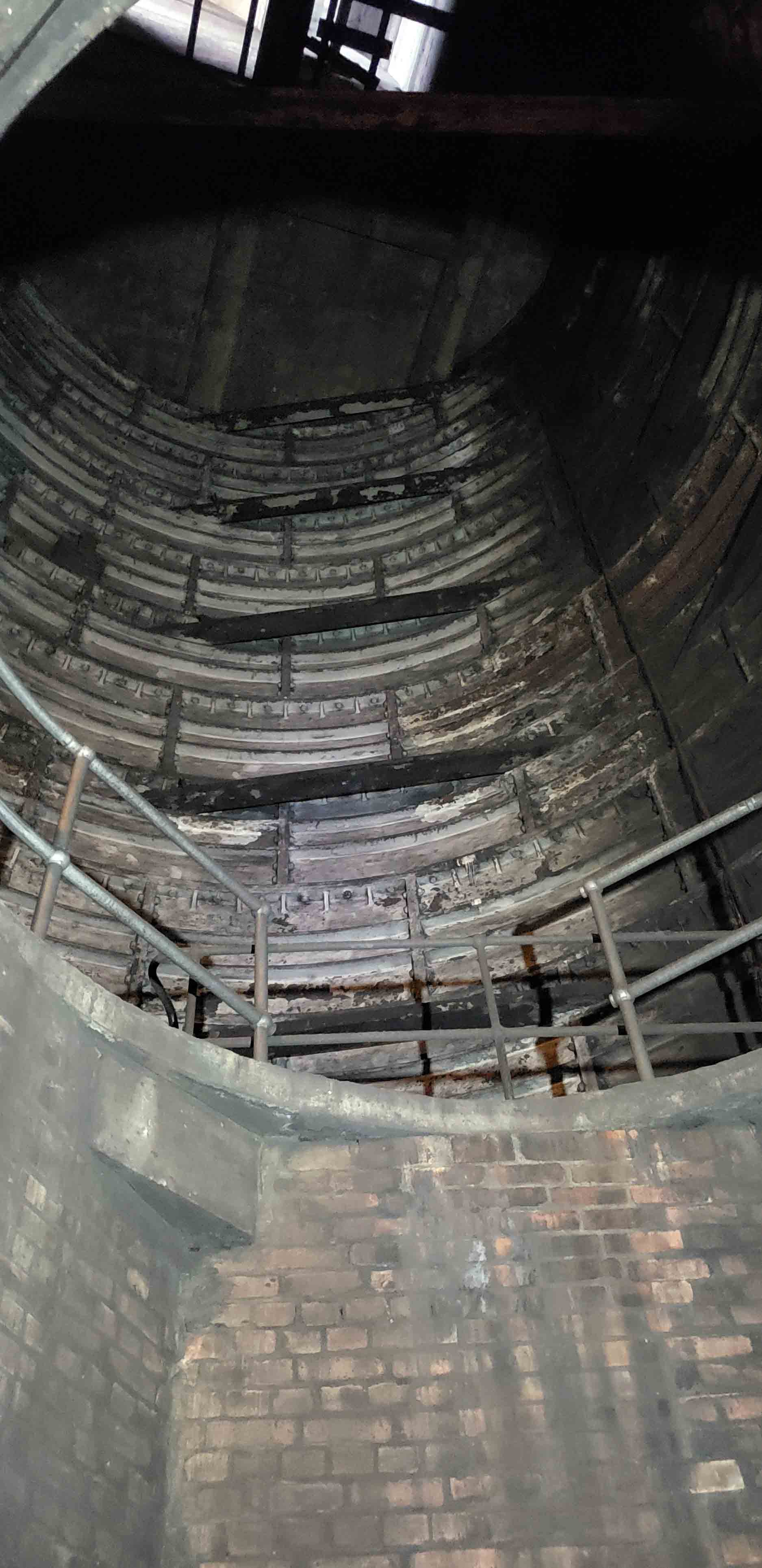

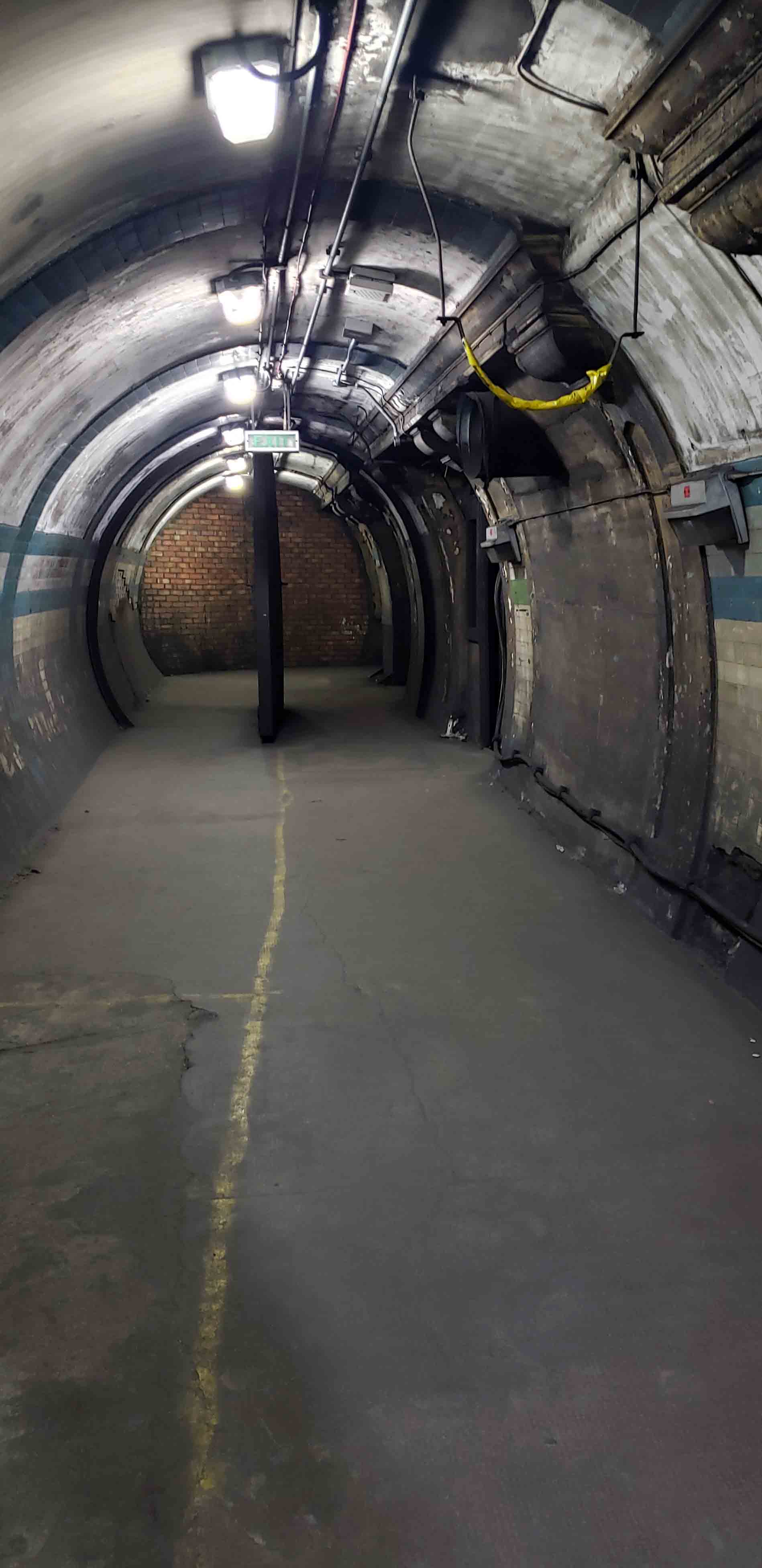
As I strolled through the softly illuminated tunnels, the echoes of my footsteps mingled with the refreshing, cool air, creating an unforgettable atmosphere.
While some platforms showed signs of age from neglect, I was captivated by the stunning tile work, vintage signage, and delightful period details that transported me back to a vibrant 19th-century experience.
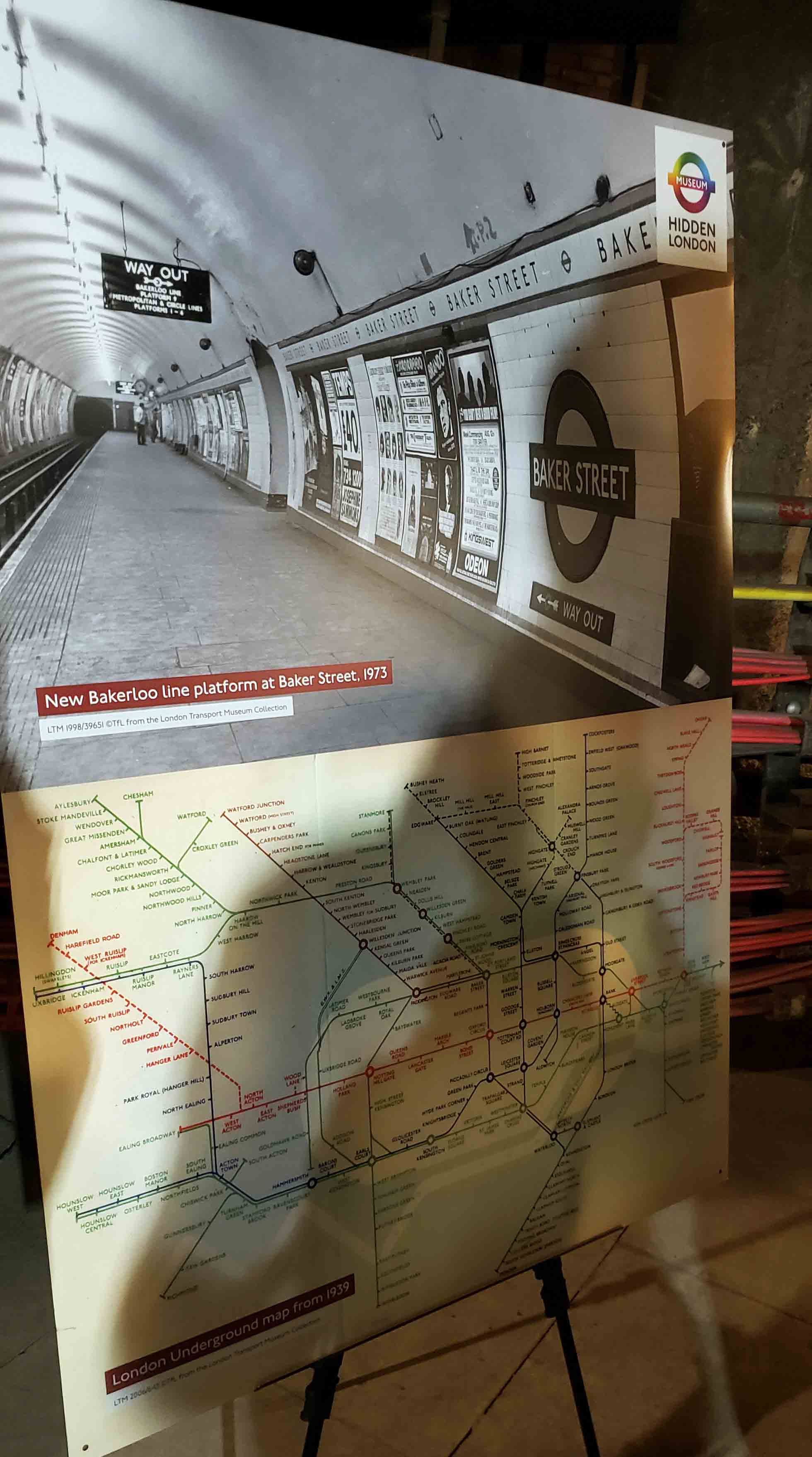
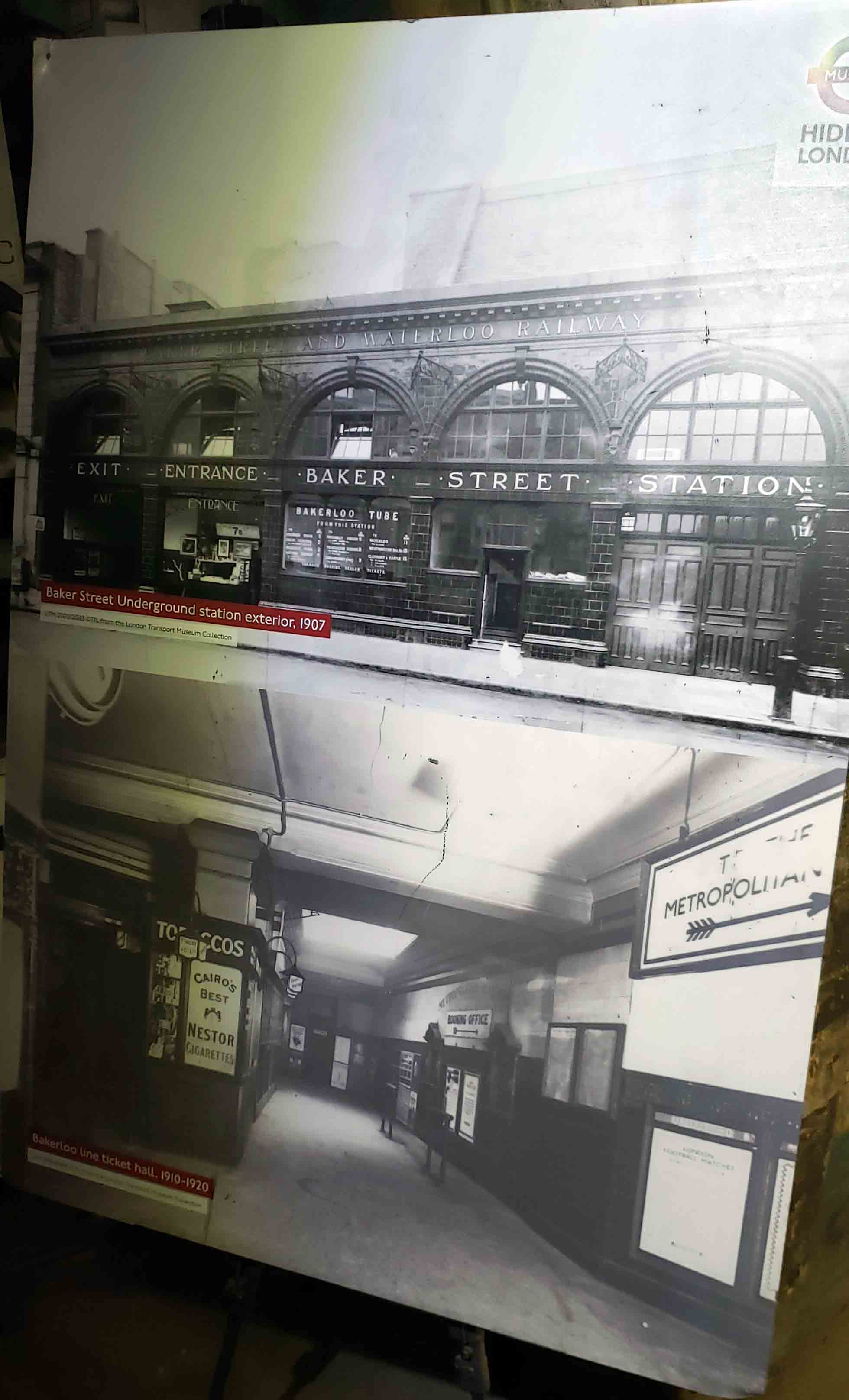
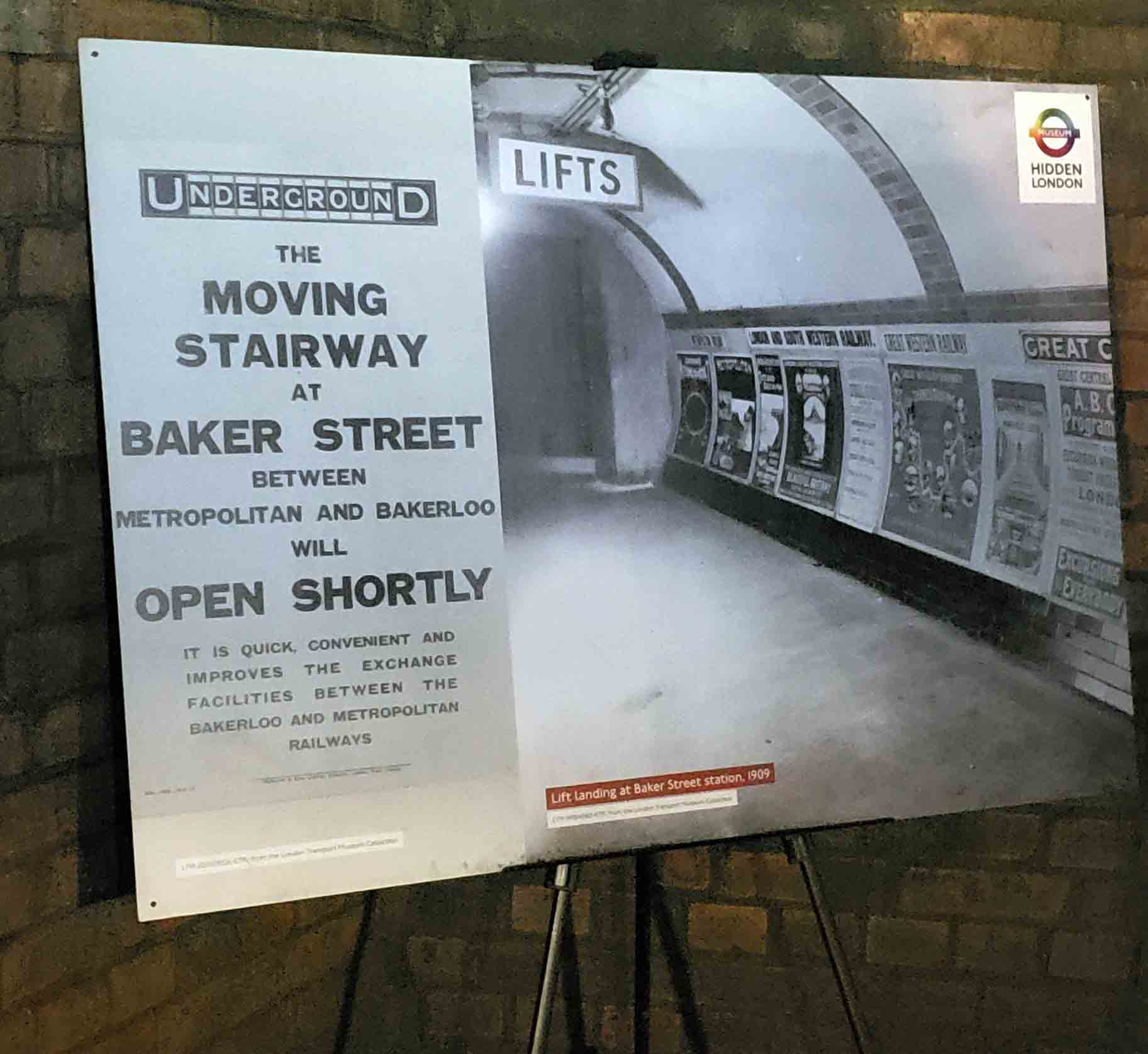
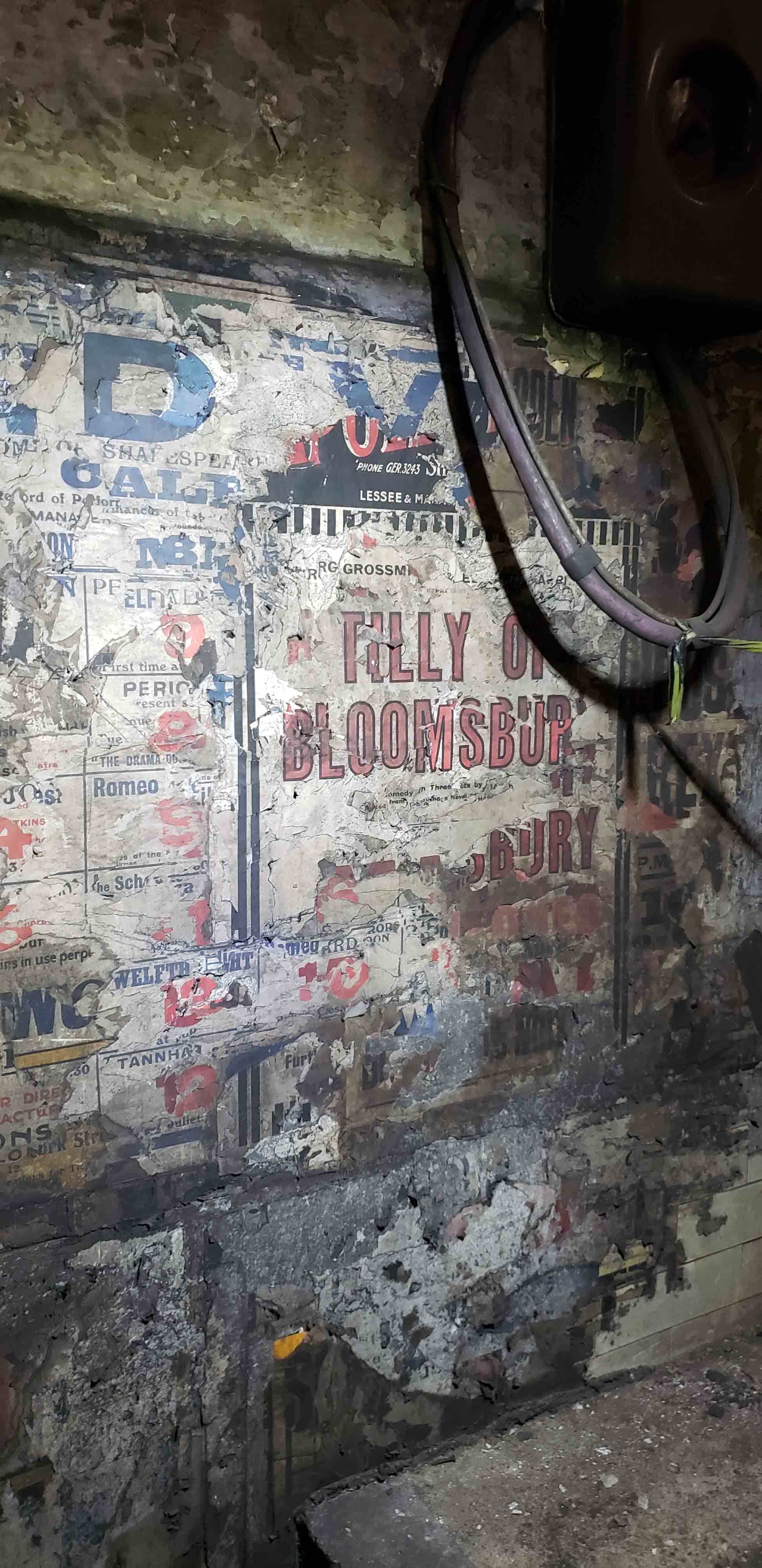
I couldn’t help but imagine what it was like to stand on these platforms during such a lively time in history!
The contrast between the bustling city above and the silent, hidden world below adds to the excitement of uncovering this lesser-known aspect of London’s history.
The Psychology of the Tile Colors
I’ve always been intrigued by the unique tile colors at each Underground station. Knowing a bit of Underground history, I figured the colors originated from the various private railway companies that once owned each line, each wanting to establish its own identity.
During the tour, I learned that these vibrant tile colors and unique patterns serve an essential purpose: wayfinding and station identification. They help passengers, regardless of their literacy skills, to quickly recognize their stop through distinct visual cues.
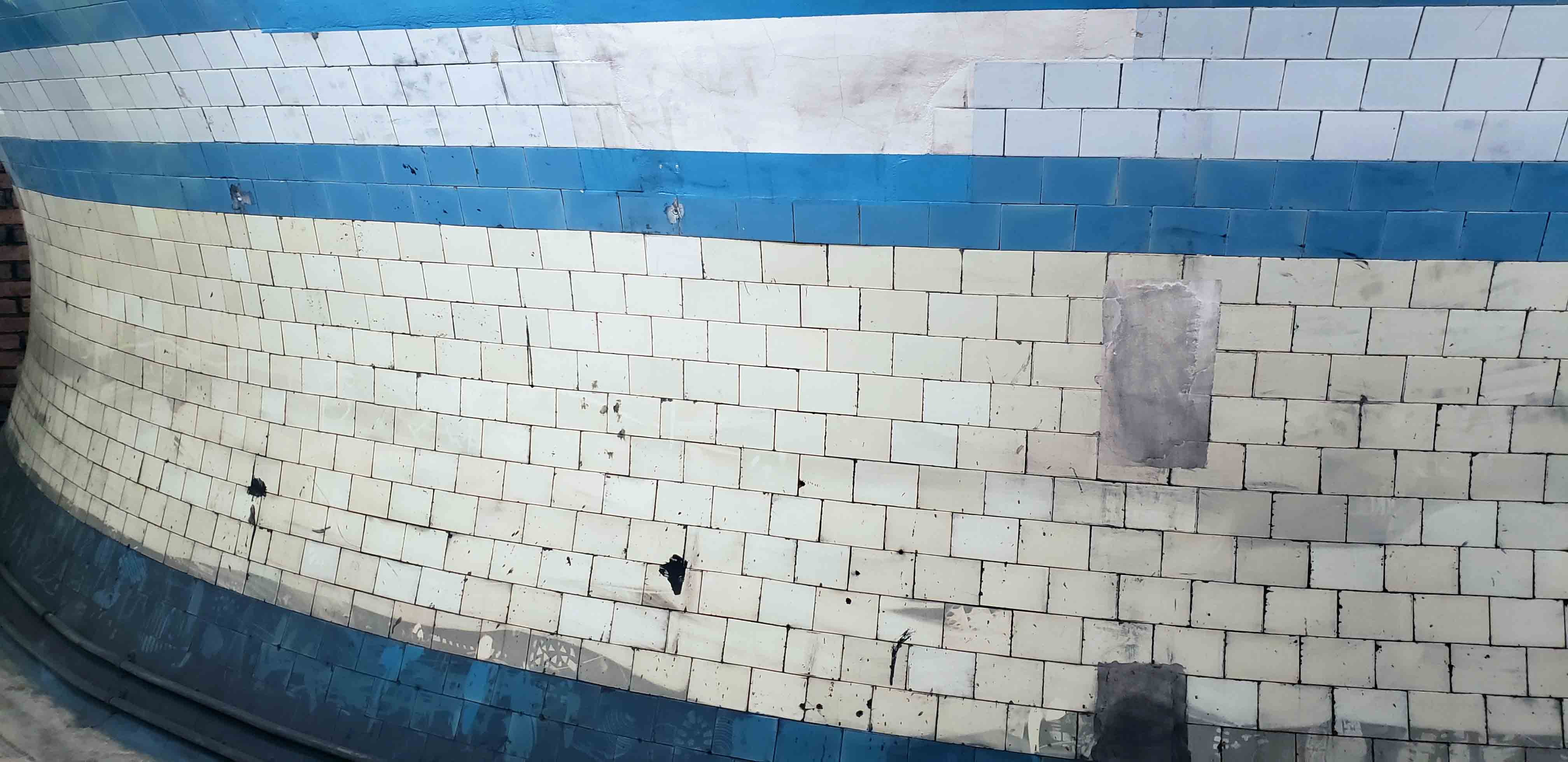
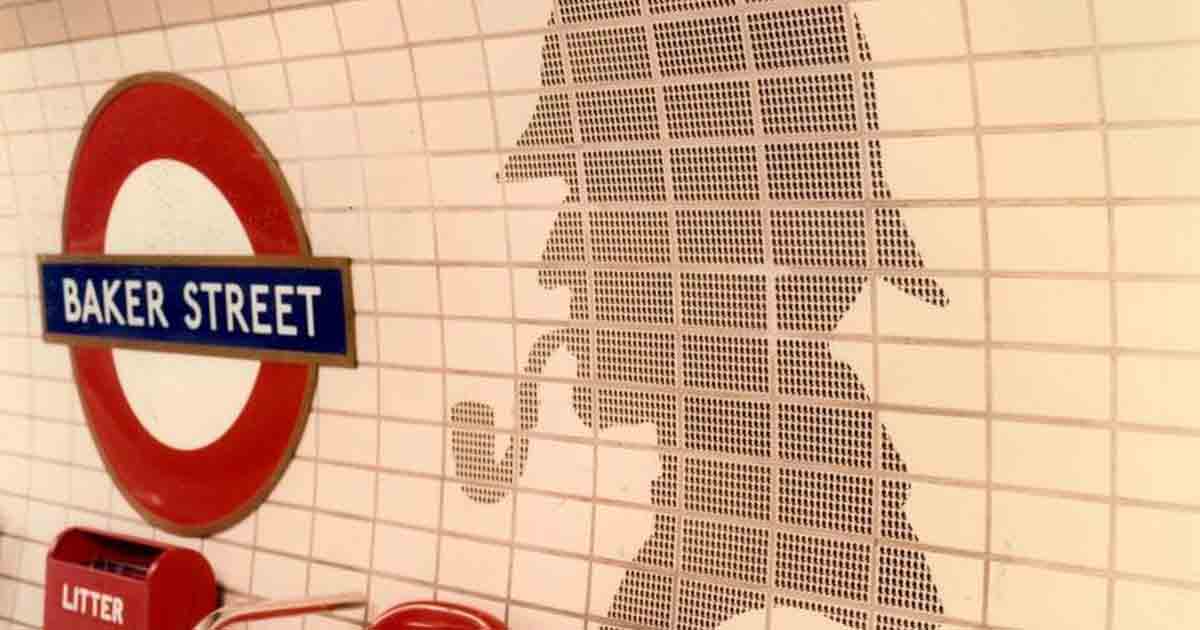
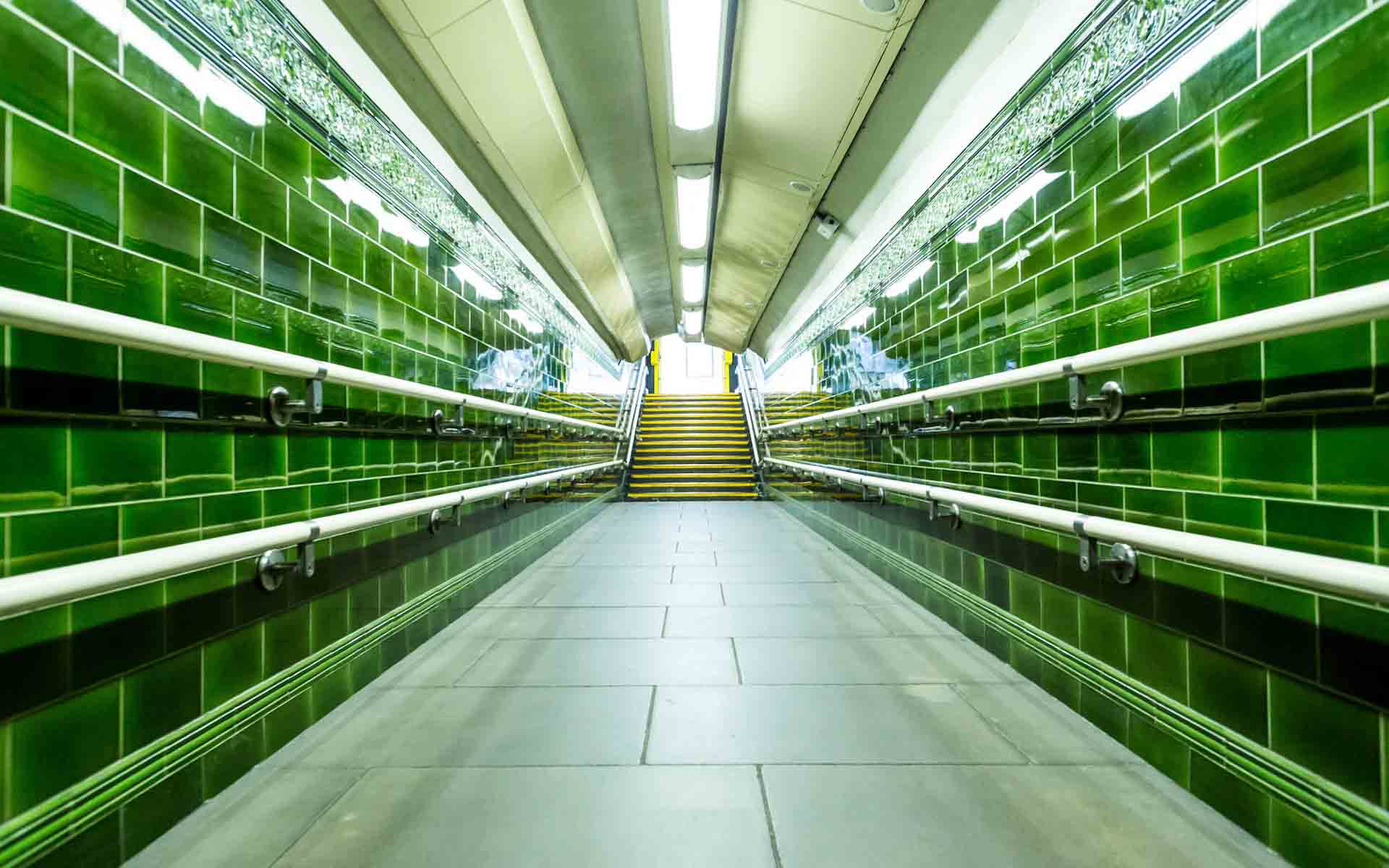
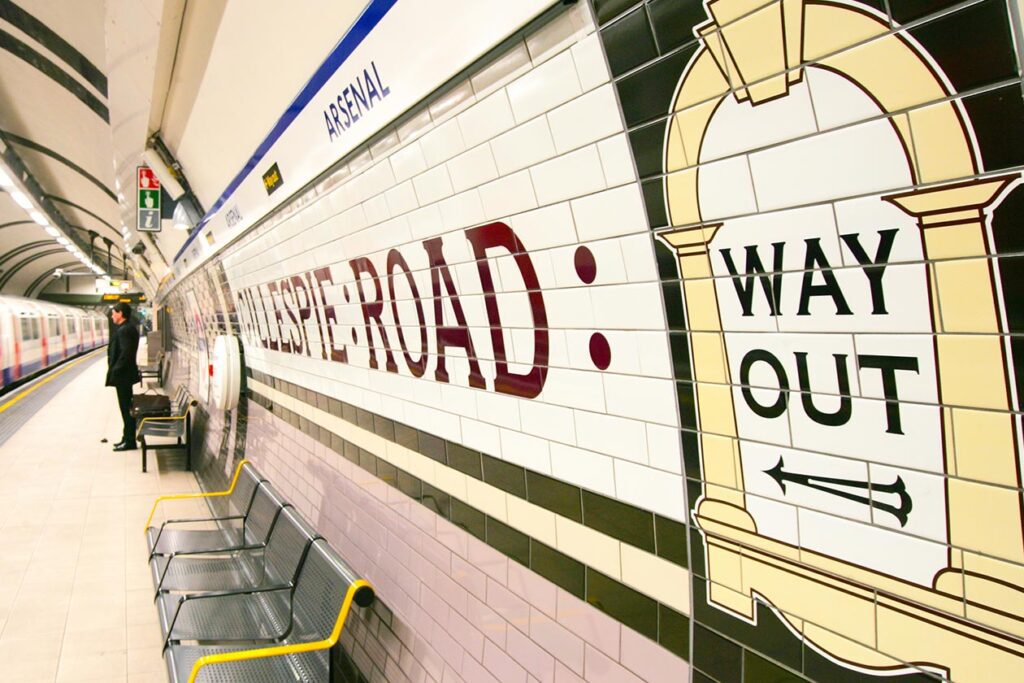
This design feature was, and still is, significant in a bustling city like London, where navigating through a maze of tunnels can be daunting.
Additionally, I discovered that architects and designers used these tiles to create a recognizable brand for their respective lines.

It’s captivating to think about how something as simple as colored tiles can have such a rich history and practical function, enhancing the experience for countless travelers each day.
My appreciation for the London Underground deepened, not only for its functionality but also for its role in the city’s identity.
Metropolitan Railway HQ
The tour also highlighted that Baker Street was the original headquarters of the Metropolitan Railway. This site was so much more than just an office; it housed the Central Control Rooms for the Bakerloo, Central, Jubilee, and Metropolitan lines, buzzing with operational energy.
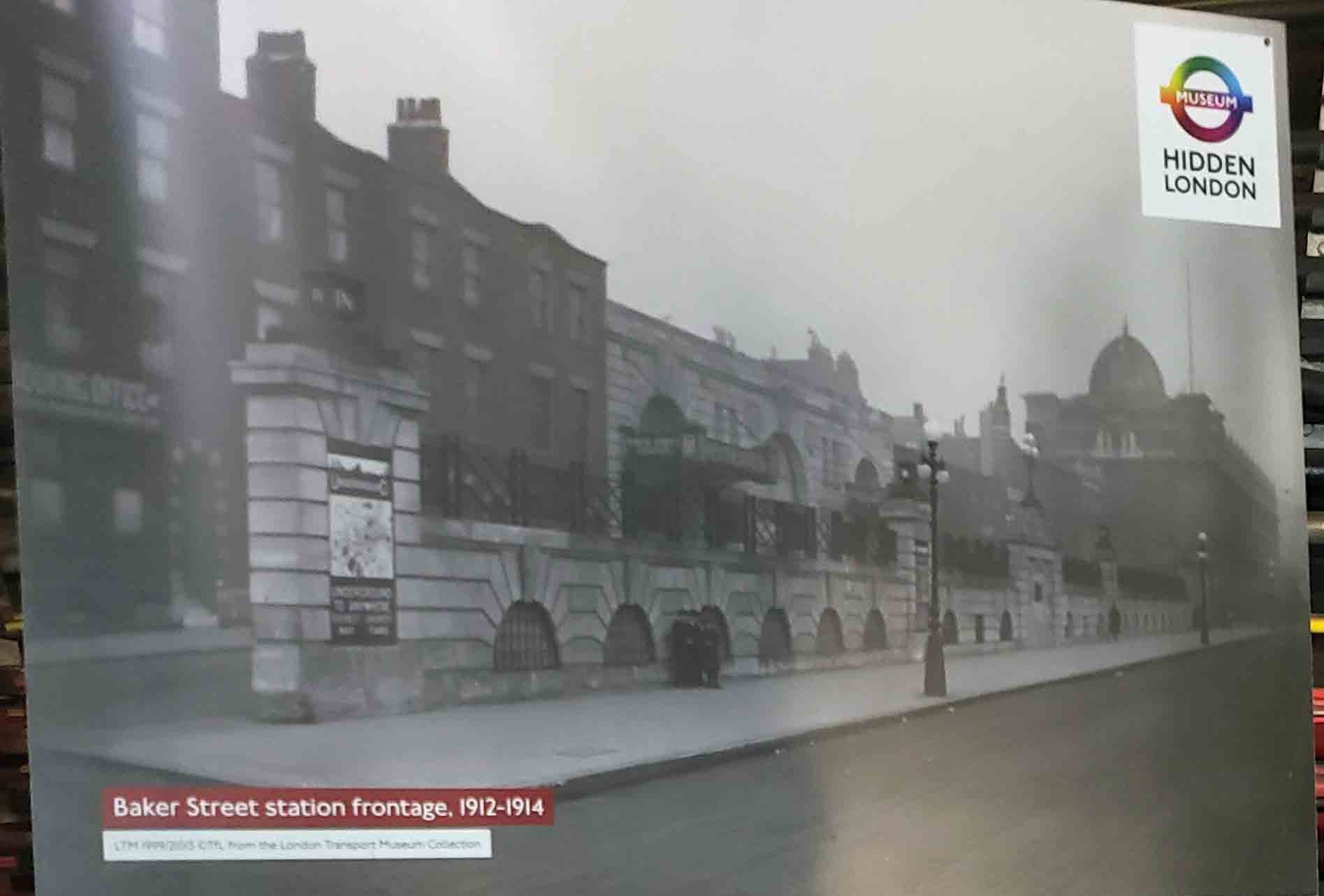
I loved learning that it was one of the first operational sites for the British Transport Police — just imagine the stories behind that!
Lose Something?
The Lost Property Office was a fascinating treasure trove of forgotten belongings, each with its own tale.
Given its important function, I found it hilarious how it shows the evolution of society.
Back in the late 19th and early 20th centuries, the place was overrun with lost umbrellas. There were so many umbrellas that the staff actually created free ‘Need a Umbrella, Take One’ stands at various stations.
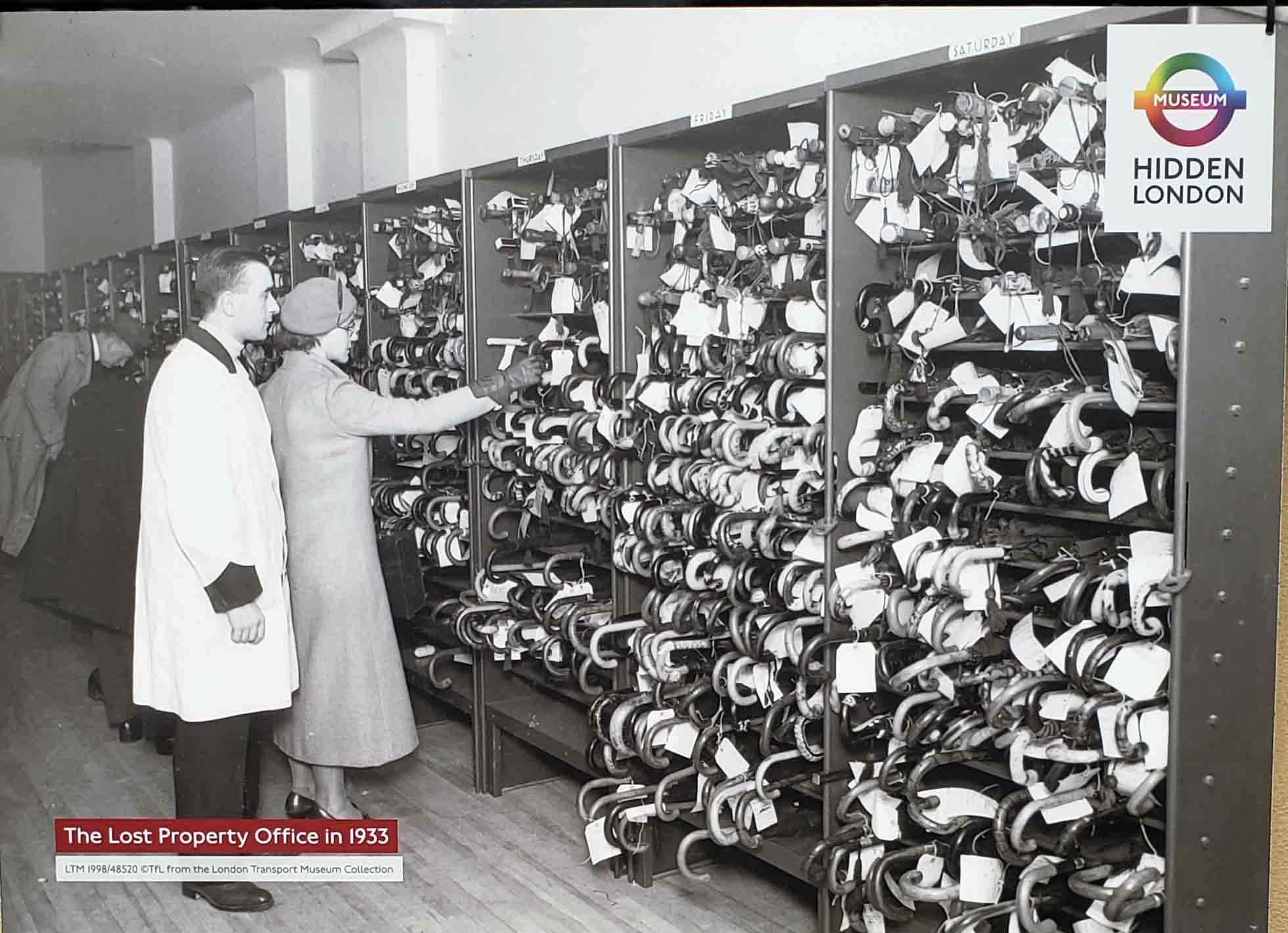
Fast-forward to the 21st century, and guess what holds the crown for the most lost item?
Mobile phones!
I can just picture someone at the office baffled by a collection of forgotten flip phones and one lonely umbrella. Did people just stop caring about rain, or are have we become too busy Googling to notice?
I’m surprised London Transport has not established ‘Need a Mobile Phone, Take One’ stands. Imagine asking, “Can I borrow a charger? And maybe a new phone while I’m at it!”
It’s hilarious how what we lose reflects our society’s quirks. So, if you misplace something, just remember — it’s all part of our wonderfully eccentric saga!
Chiltern Court
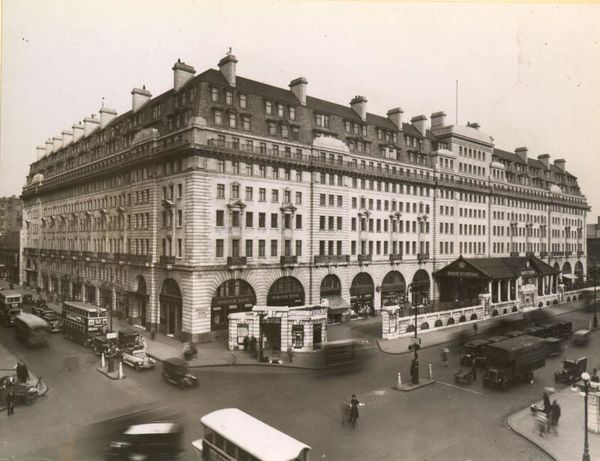
The story of Chiltern Court is as rich and fascinating as the building itself. Its construction began in 1912, initially conceived as a luxurious hotel and the prestigious headquarters of the Metropolitan Railway.
However, the onset of World War I brought these ambitious plans to a standstill. In 1927, construction resumed, and the building was reimagined into a magnificent block of flats, complete with a chic restaurant.
When it finally opened its doors in 1929, Chiltern Court made waves as London’s largest residential building, boasting an impressive 198 elegant units, a hairdresser’s for residents’ convenience, staff accommodations, and the much-anticipated Chiltern Court Restaurant.
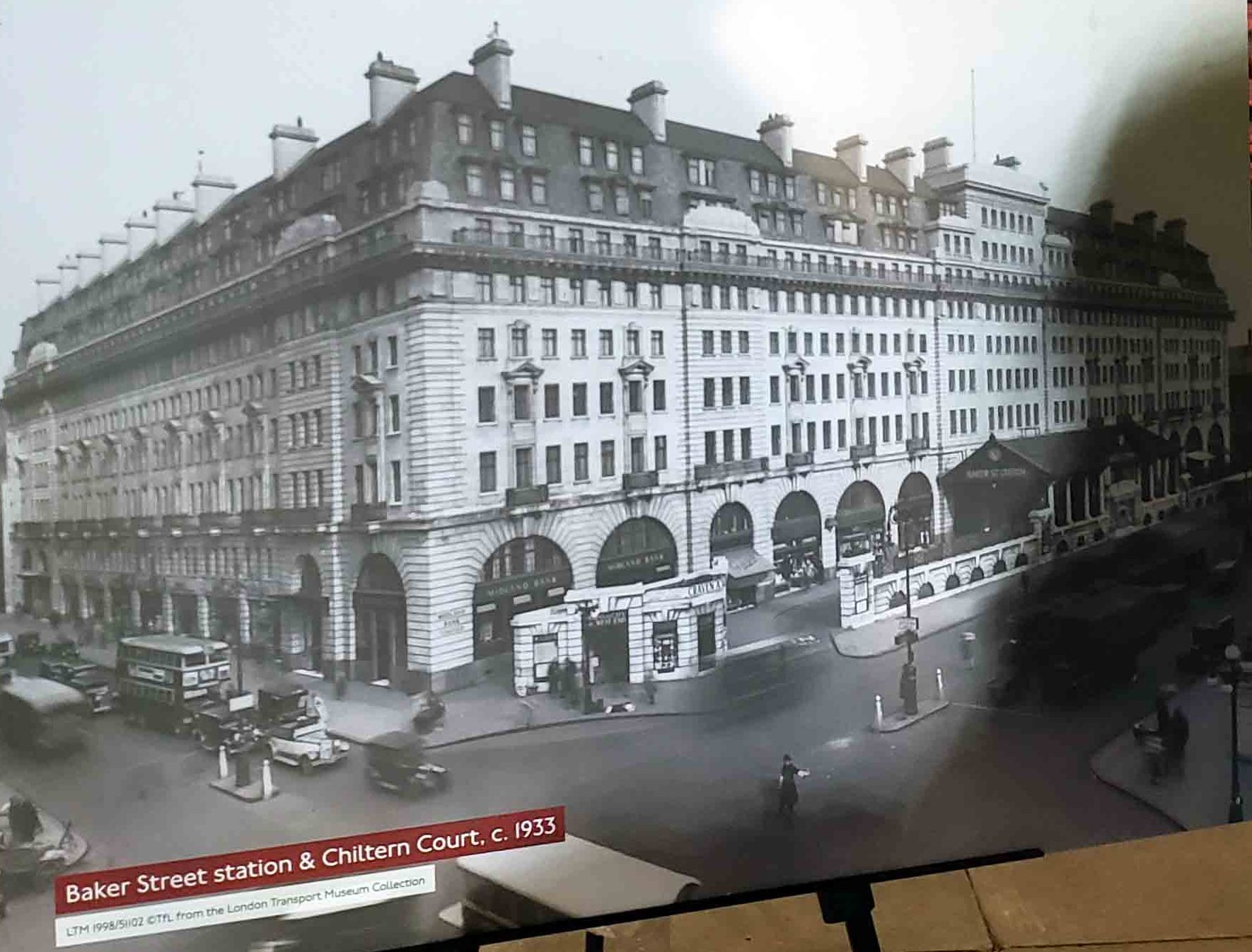
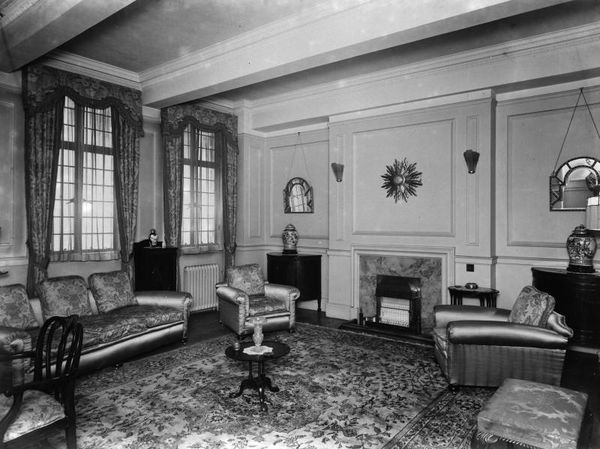
However, according to our tour guides, despite its illustrious past, the restaurant within Chiltern Court became infamous among residents for its lackluster food, earning a reputation that echoed through the hallways.
This grand structure has been home to a plethora of notable figures, including renowned authors like H.G. Wells and Arnold Bennett, adding to its historical charm.
During World War II, the Special Operations Executive was based at 64 Baker Street, serving as a secretive nerve center.
Among its divisions, the Norwegian Section operated from three inconspicuous flats at Chiltern Court, where they skillfully orchestrated daring missions, notably against the heavy water plant in Telemark, Norway.
Canteen Training Center
I found the information about the London Transport Baker Street Canteen Training Centre very intriguing.
Opened in 1949, this purpose-built centre revolutionized catering training by centralizing it, moving away from the inconsistent methods used in various canteens.
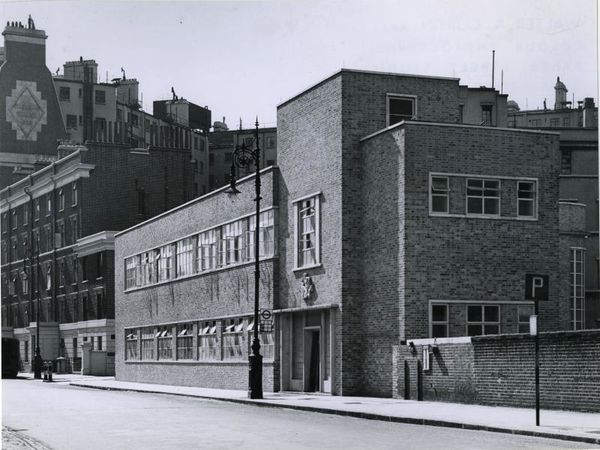

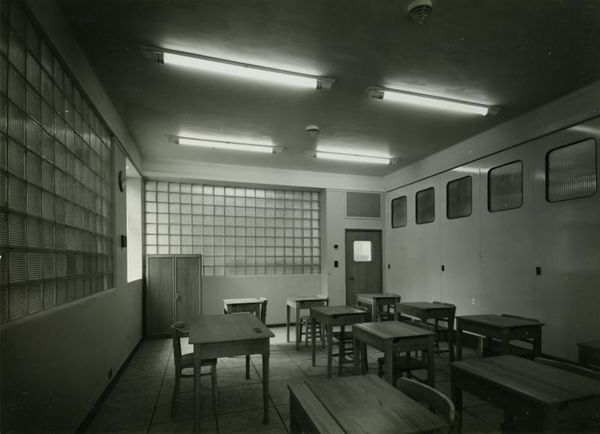
Each year, around 1,200 staff members had the chance to dive into theory and hands-on practice, learning everything from cooking techniques to customer service and cleanliness.
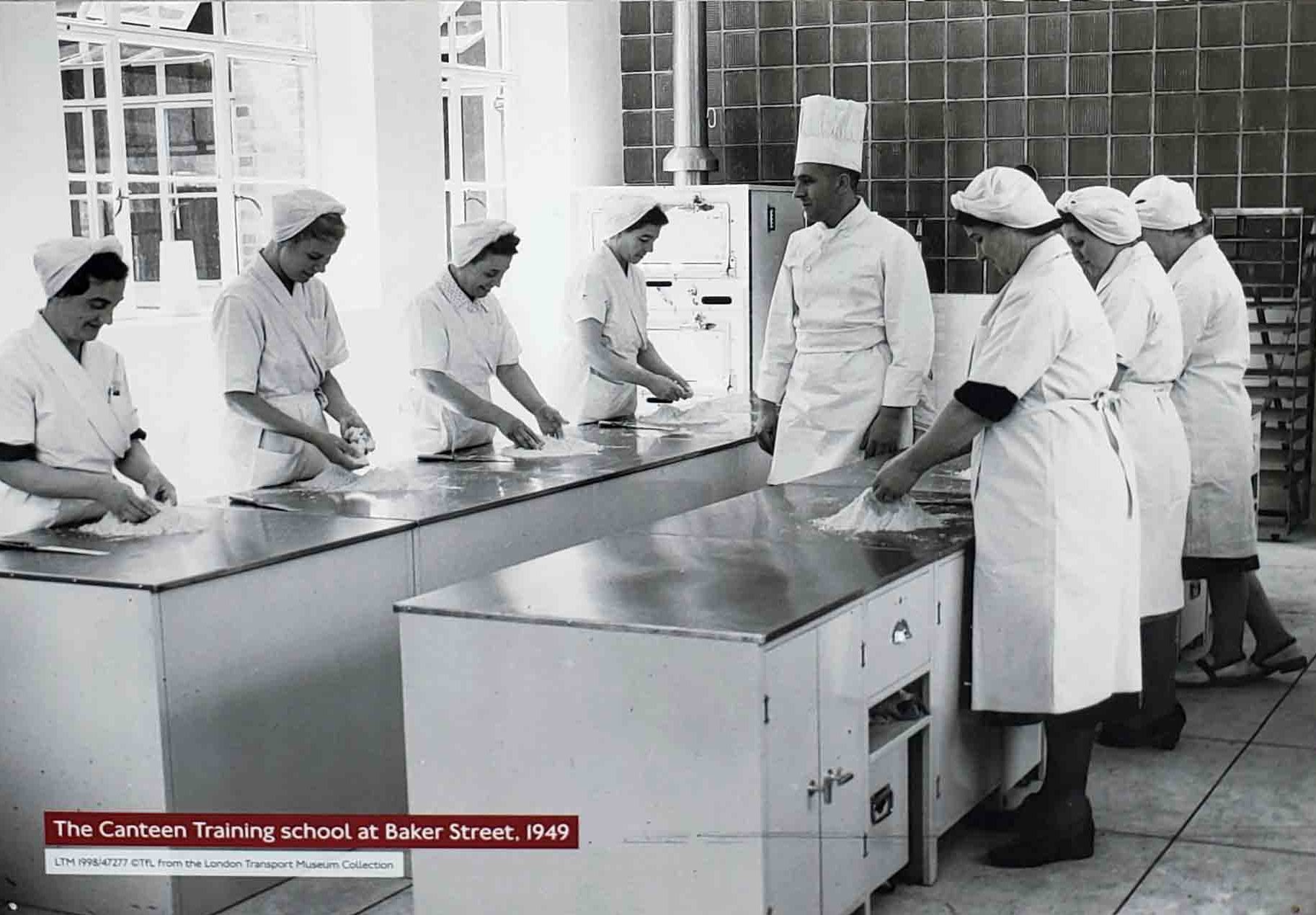
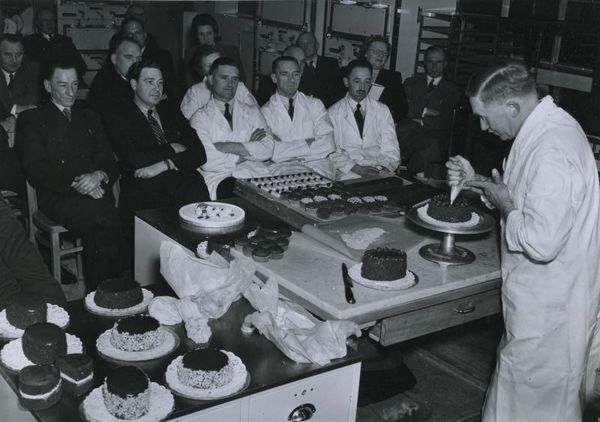
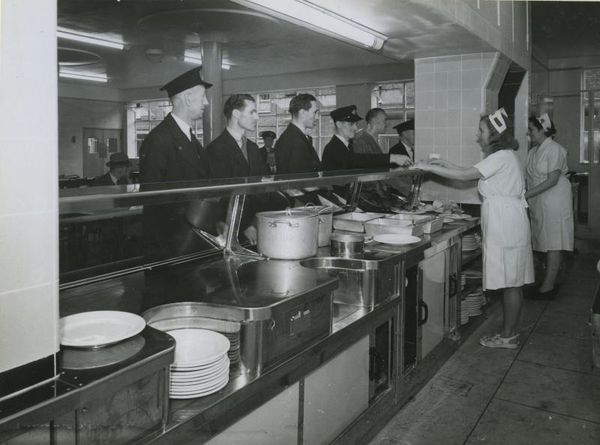
Can you imagine the excitement of attending masterclasses in pastry and cake making?
The courses ranged from a week for Canteen Assistants to eight weeks for Cooks, with Supervisors undergoing a two-week program covering menu planning and organization.
Just picturing the expertise gained in that place is inspiring!
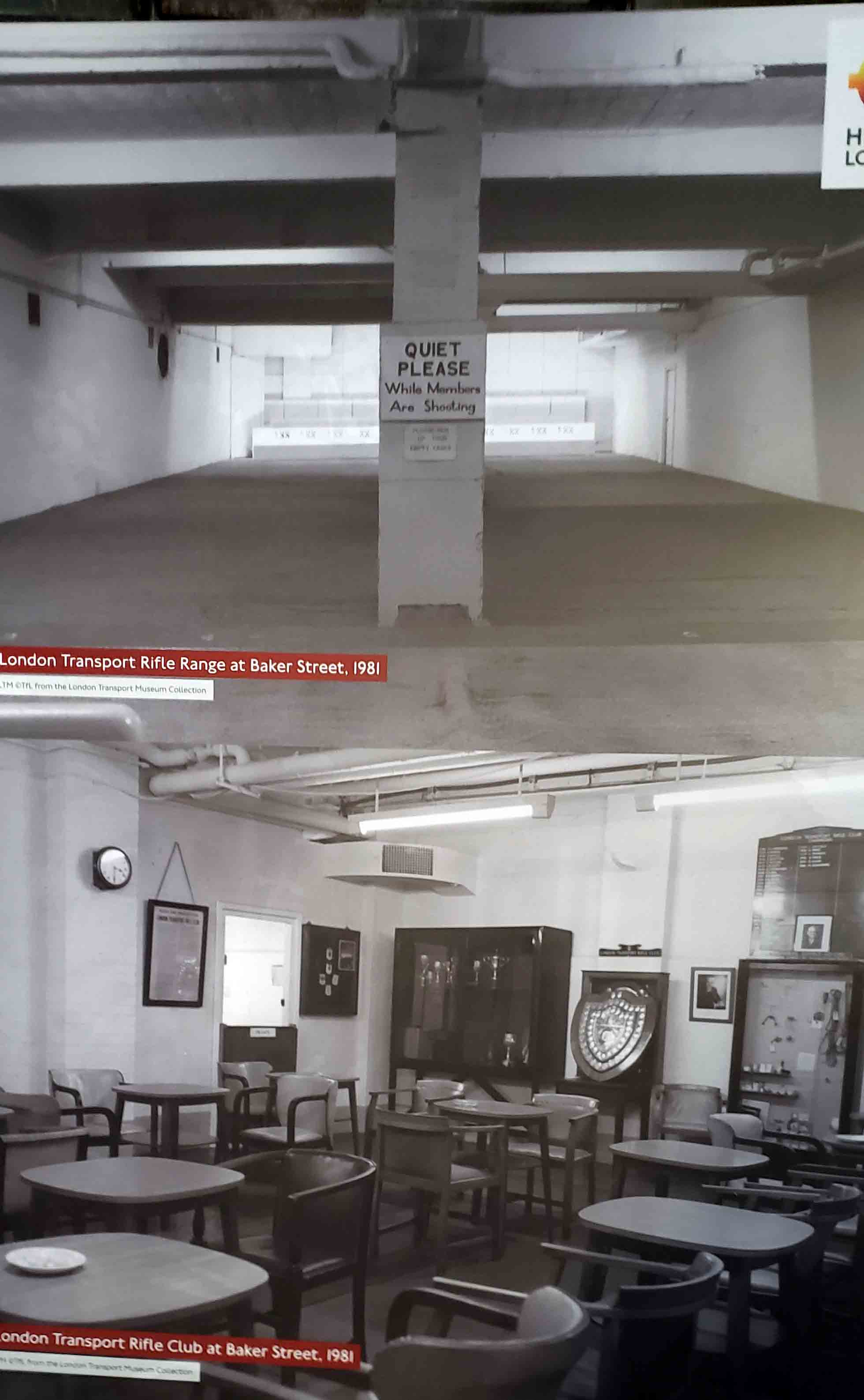
Rifle Club
The tour revealed another fascinating aspect of the London Underground’s history.
Did you know that there was once a Rifle Club and rifle range under Baker Street?
No, really, there was a Rifle Club and an actual range underneath one of the busiest London underground stations.
Is Hidden London worth the price?
If you’re wondering whether joining a Hidden London tour is worth it — let me assure you, it absolutely is, no doubt!
You’ll not only learn about London’s rich tapestry but also discover quirky little nuggets that you’d miss on a regular commute.

No joking. I’m already planning to join the tour of Down Street. You know, the short-lived station where Prime Minister Winston Churchill secretly took refuge during the Blitz.
Plus, the local anecdotes and witty commentary will keep the energy high and the smiles even higher.
So grab your tickets, lace up your walking shoes, and prepare for an adventure that will reframe how you see London’s underground.
Who knew a tube station could offer so much drama, intrigue, and laughter?
Until next time …
 Candy Knight's Stories