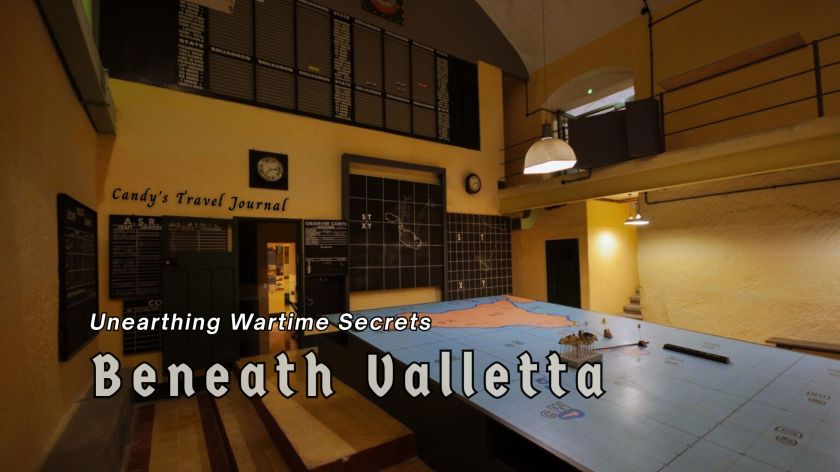
Tucked beneath the timeless streets of Valletta lies one of Malta’s best-kept secrets — a subterranean warren where the echoes of World War II still linger in the cool, stone corridors.
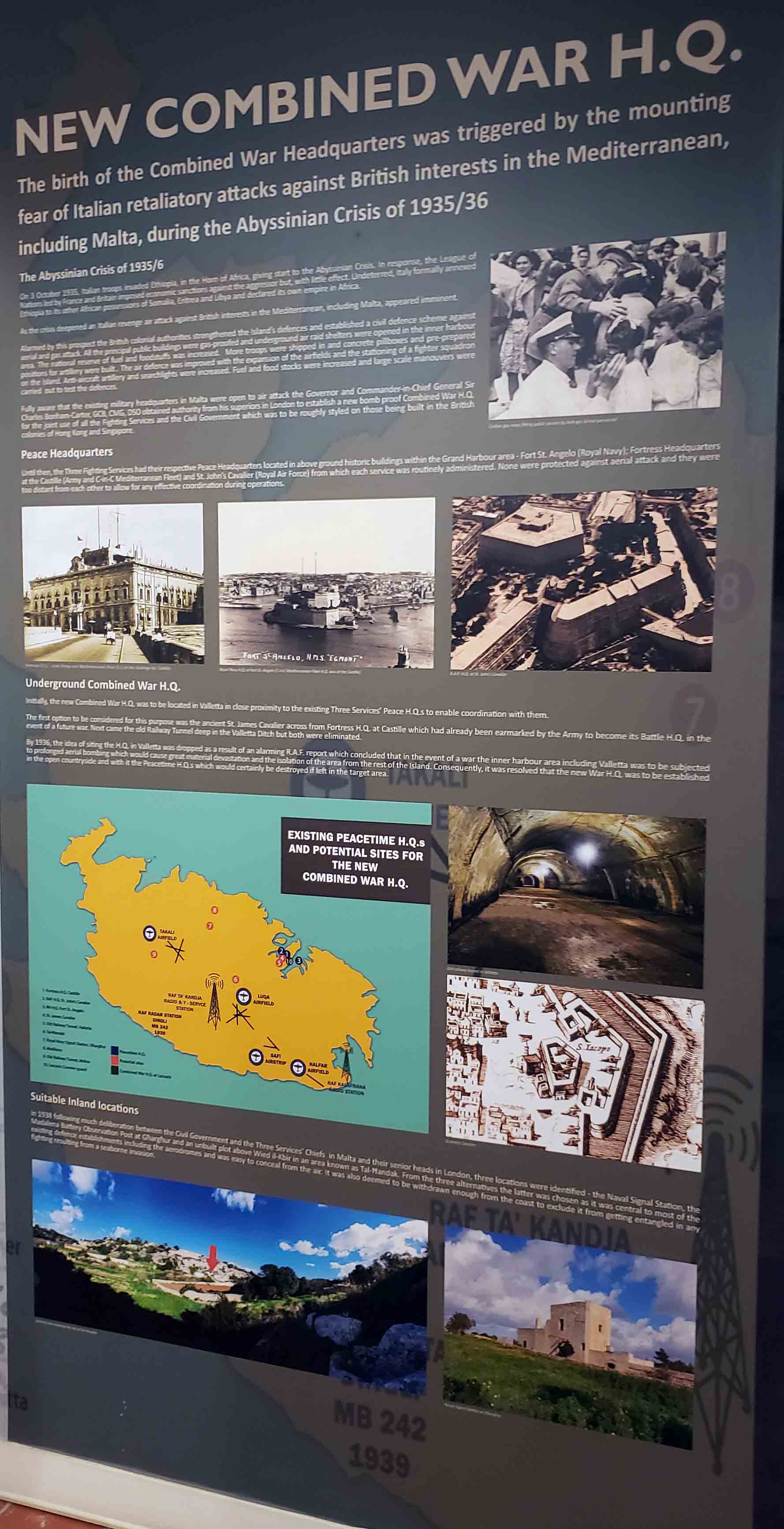
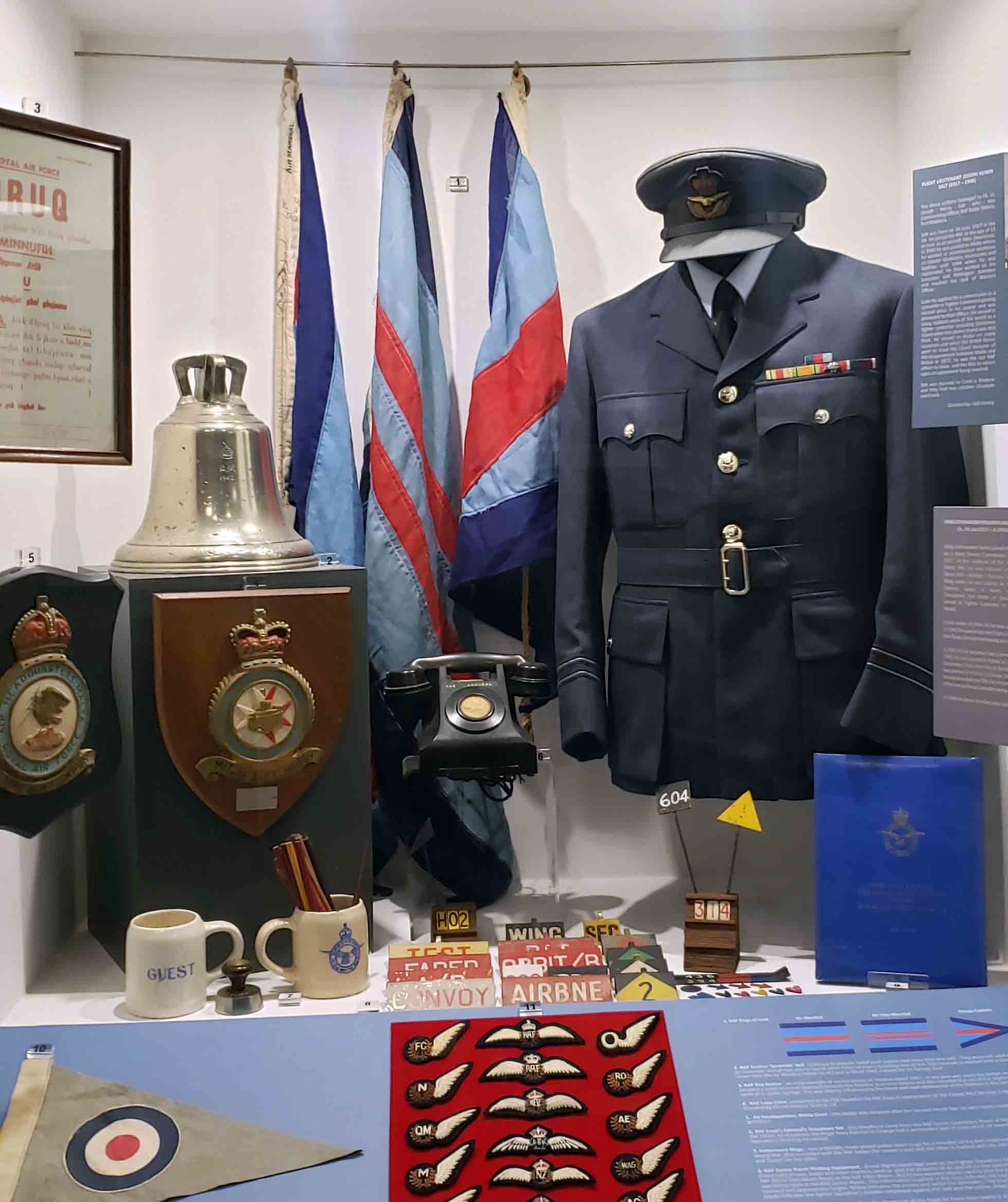
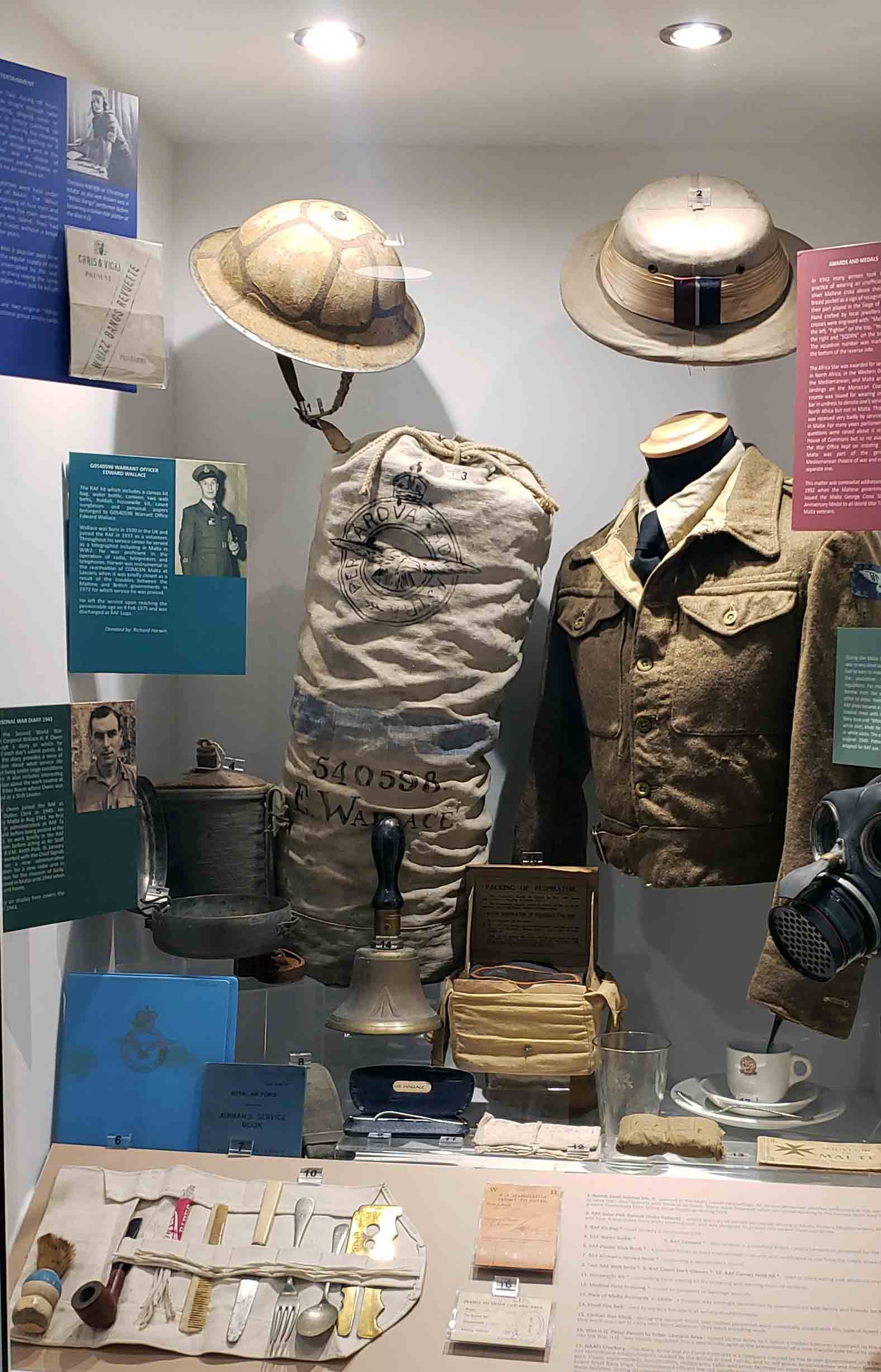
During my Malta Adventure, curiosity and my obsession with hidden history led me to the Lascaris War Rooms: a network of underground tunnels and chambers that once served as Allied HQ for the Mediterranean and played a pivotal role in Operation Husky, the invasion of Sicily.
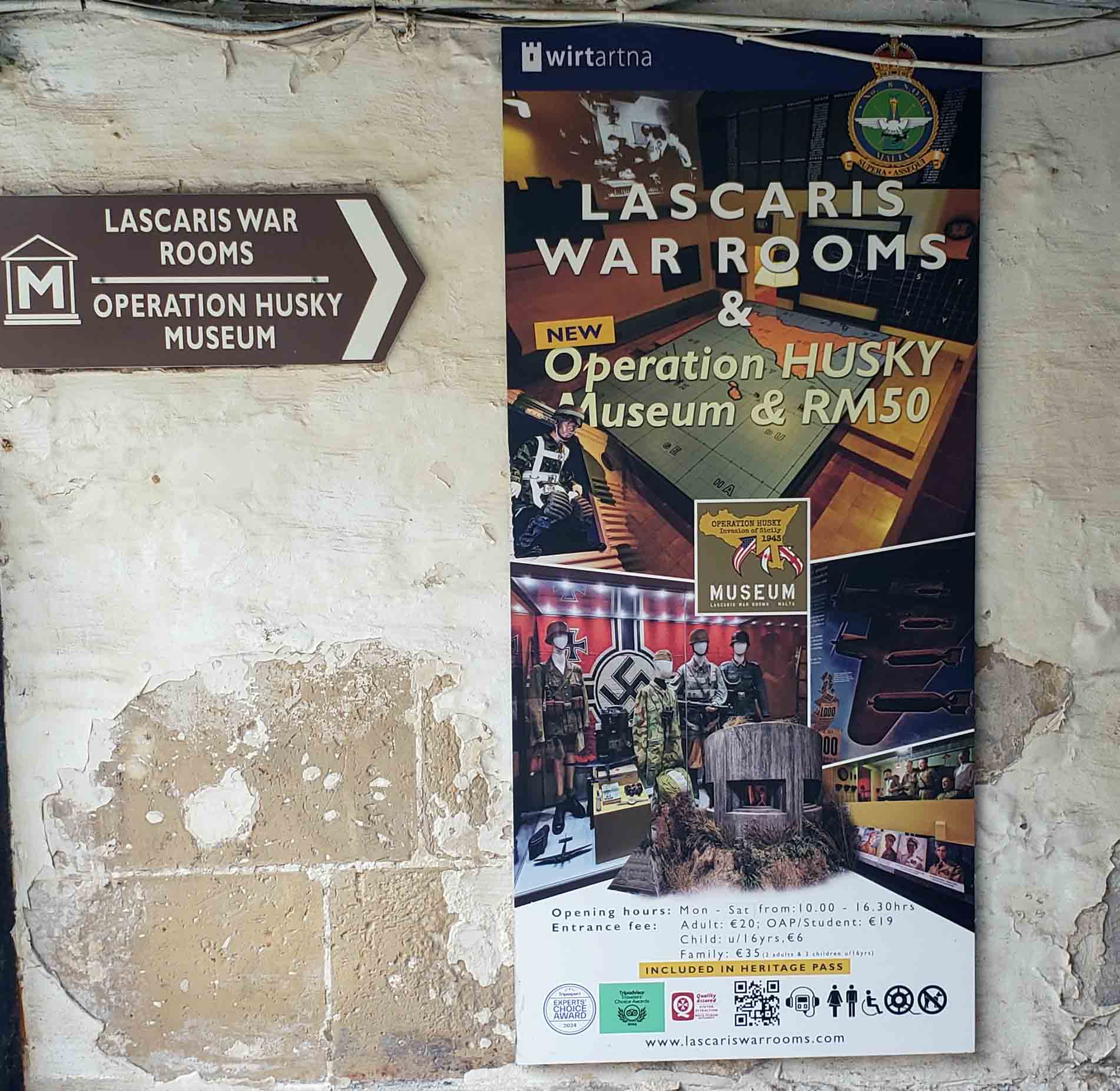
For fellow explorers, the Lascaris War Rooms are opened Monday to Saturday from 10 a.m. to 4:30 p.m.
Getting there is part of the adventure itself: make your way to Battery Street in Valletta, just a short stroll from the Upper Barracca Gardens.
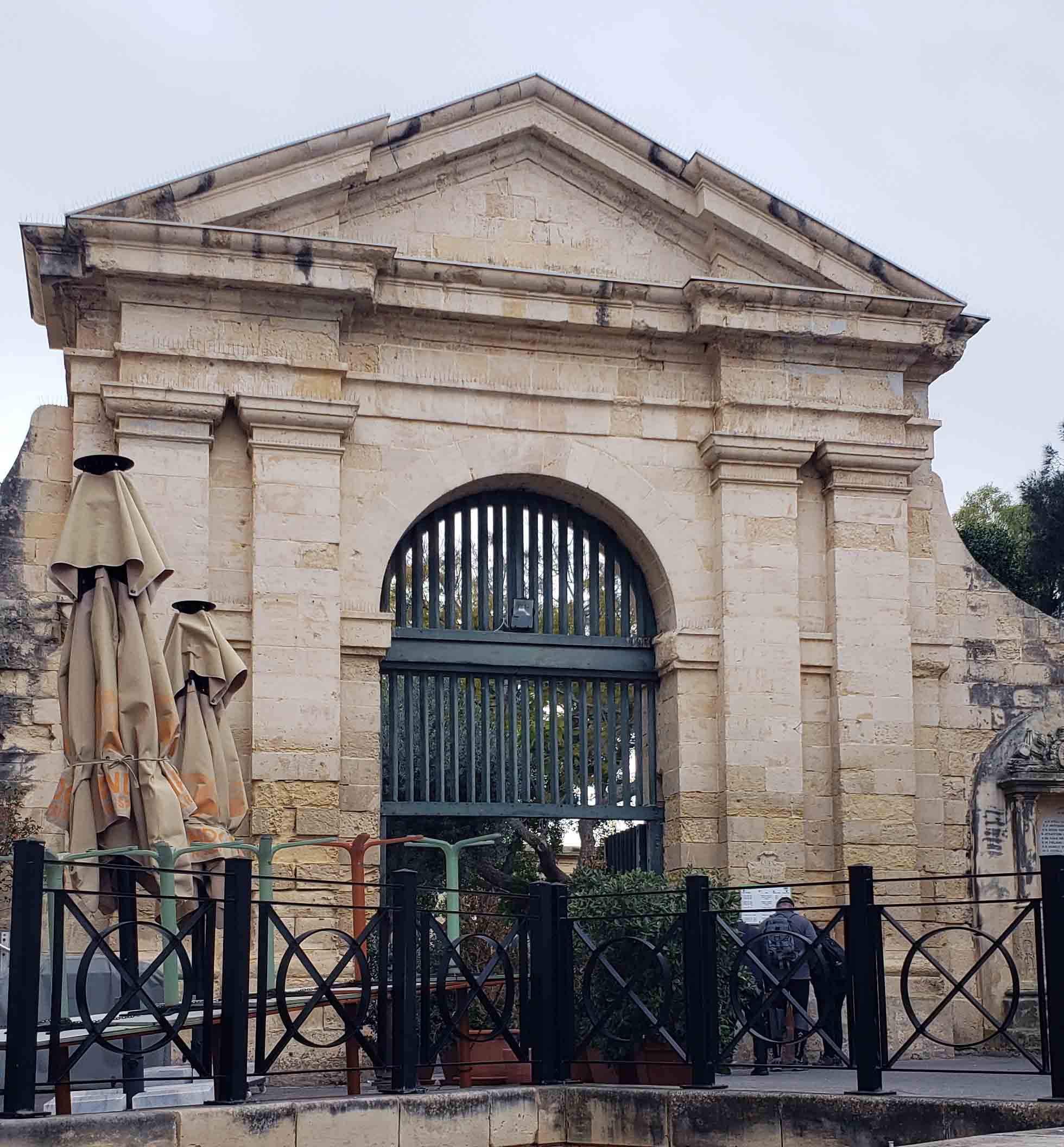
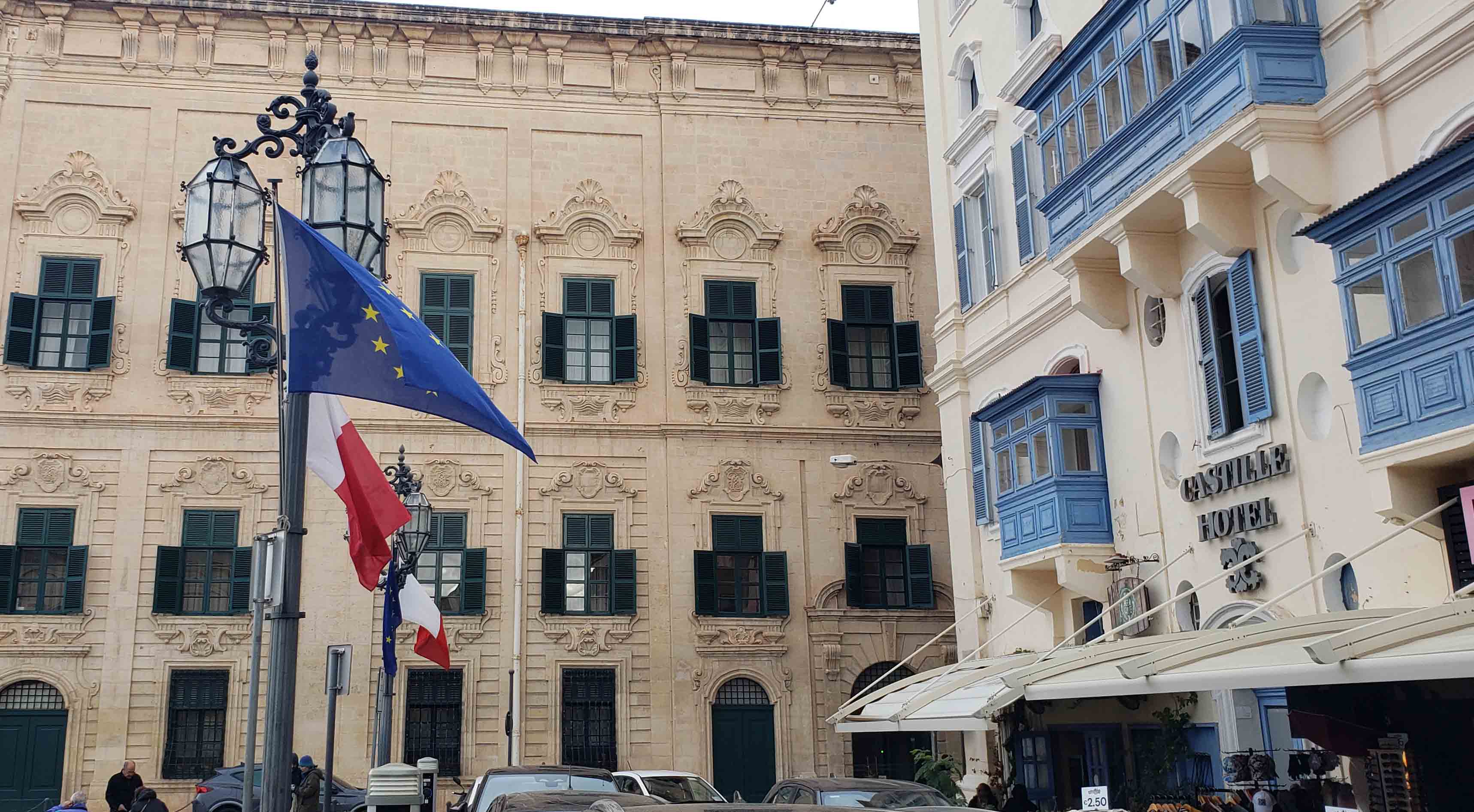
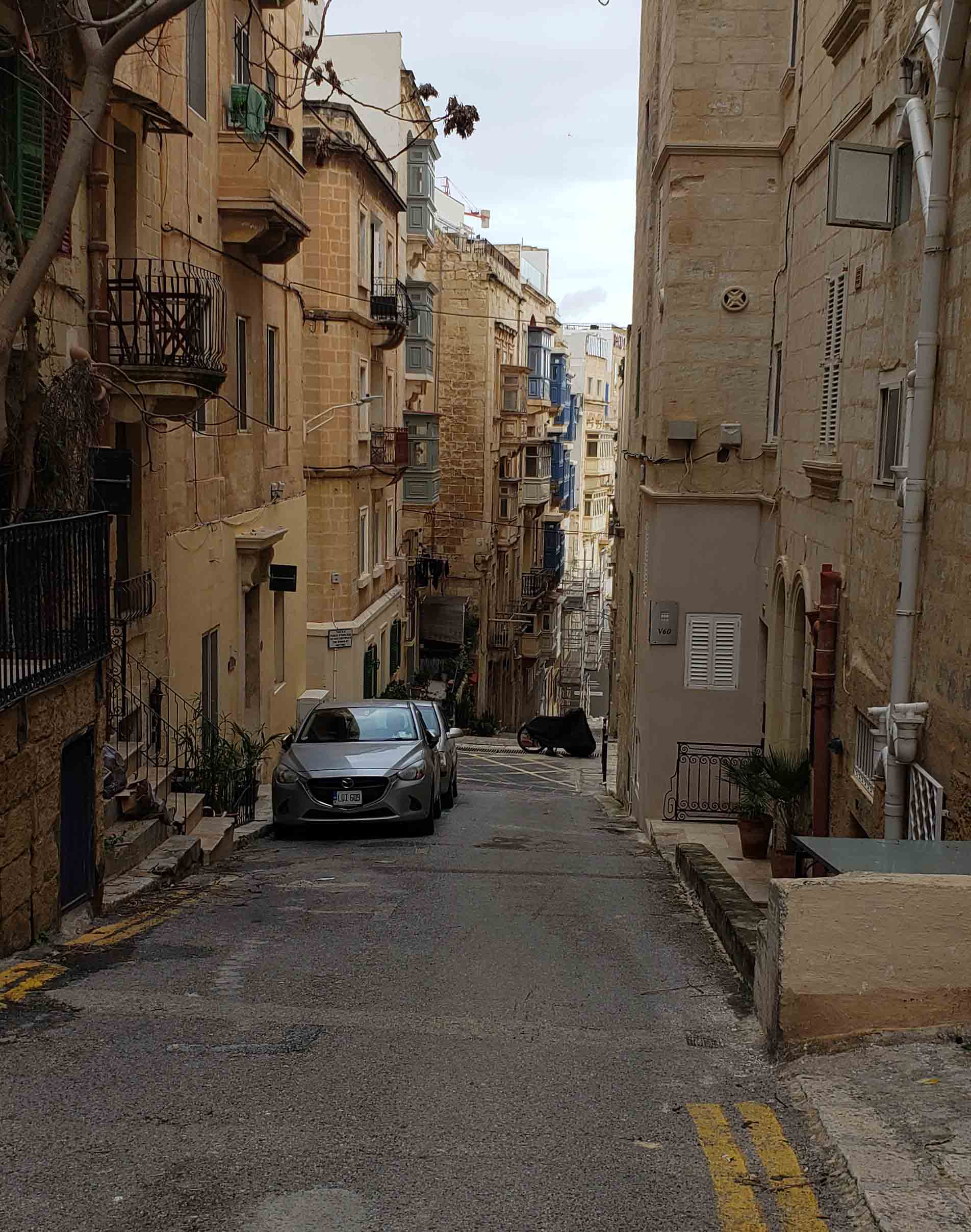
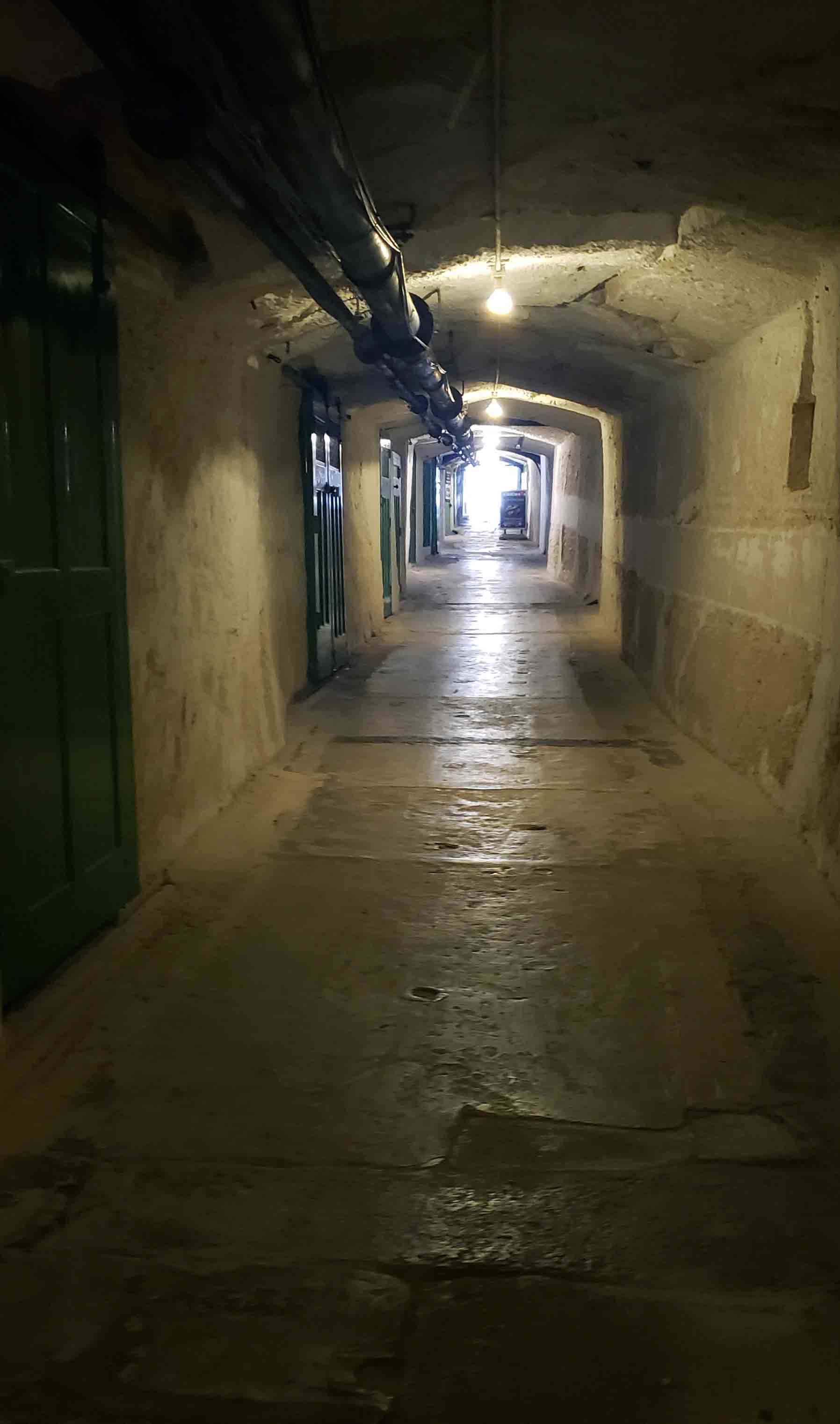
Keep an eye out for the signs that guide you down a winding path and a steep flight of steps into the depths of Malta’s wartime command center. With every step, it truly feels like you’re traveling back in time — making the arrival all the more memorable.
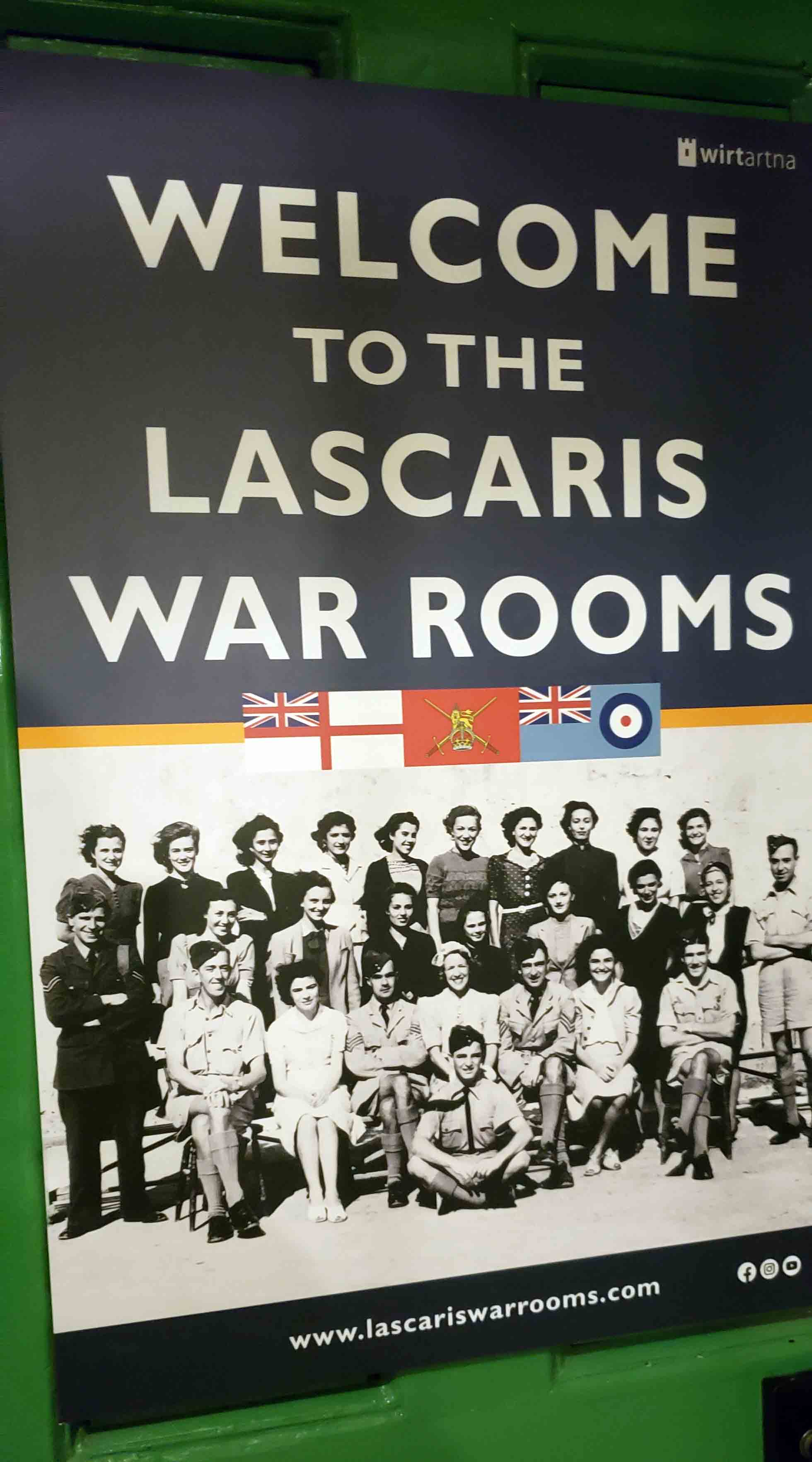
Wow, I had no idea this labyrinthine complex existed, let alone once served as the nerve center of the island’s defense during some of the darkest days of the 20th century.
Stepping inside, I was struck by the shift in atmosphere. A chill carried whispers of strategists and soldiers long gone. The narrow passageways, once alive with officers, now offered only the steady drip of history. It felt as if I’d slipped through time, landing in a world of secrets, maps, and midnight decisions.
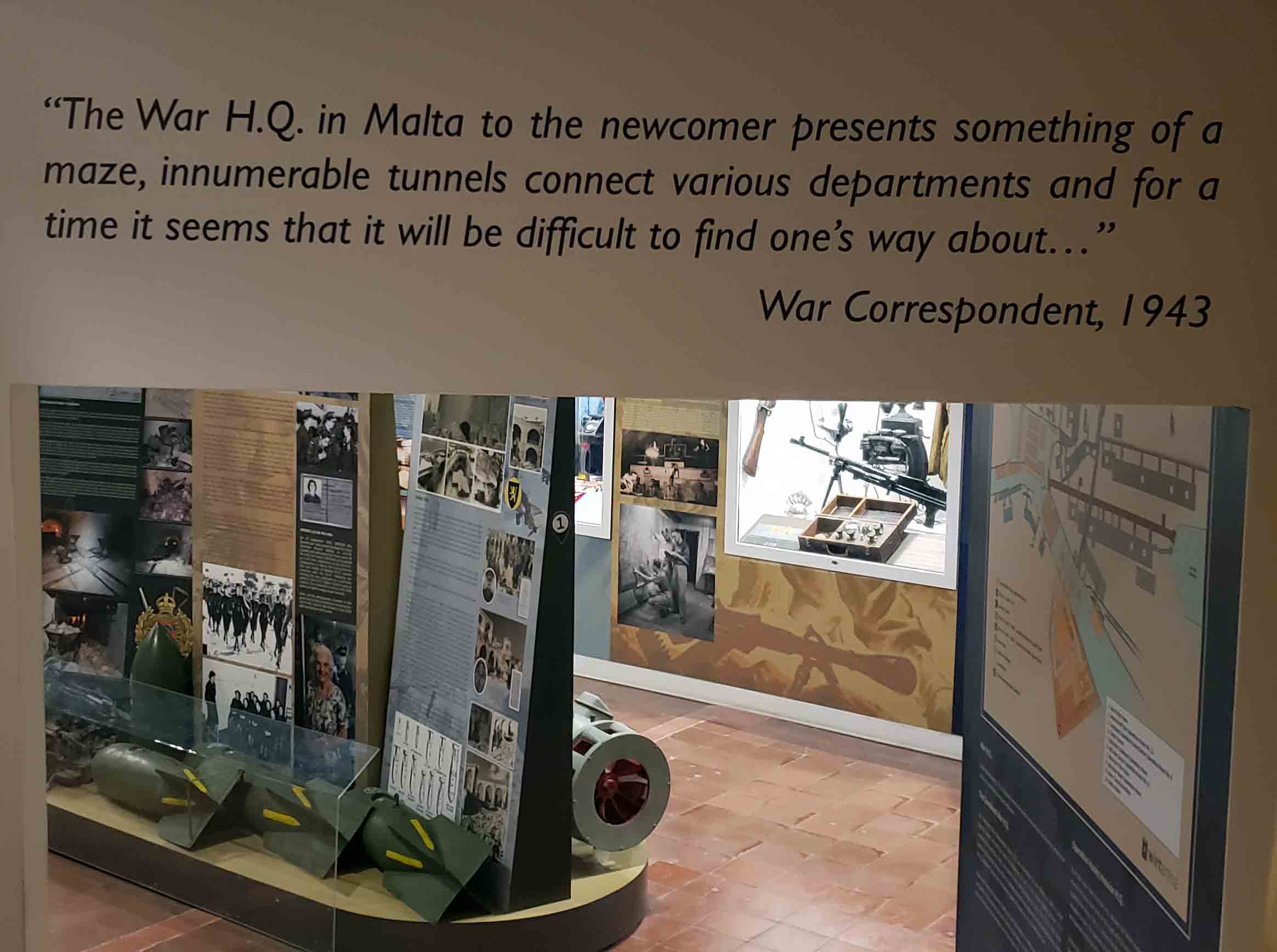
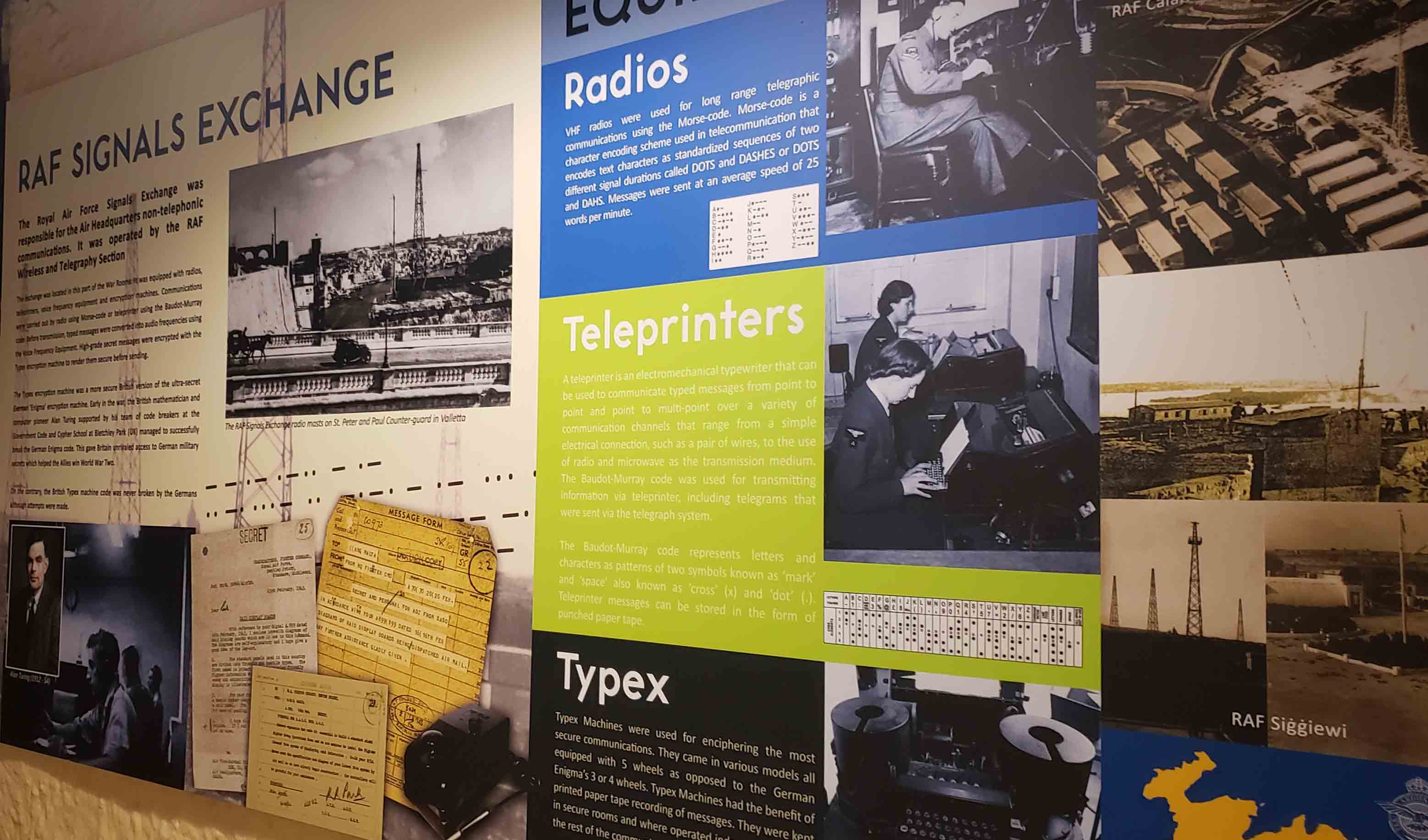
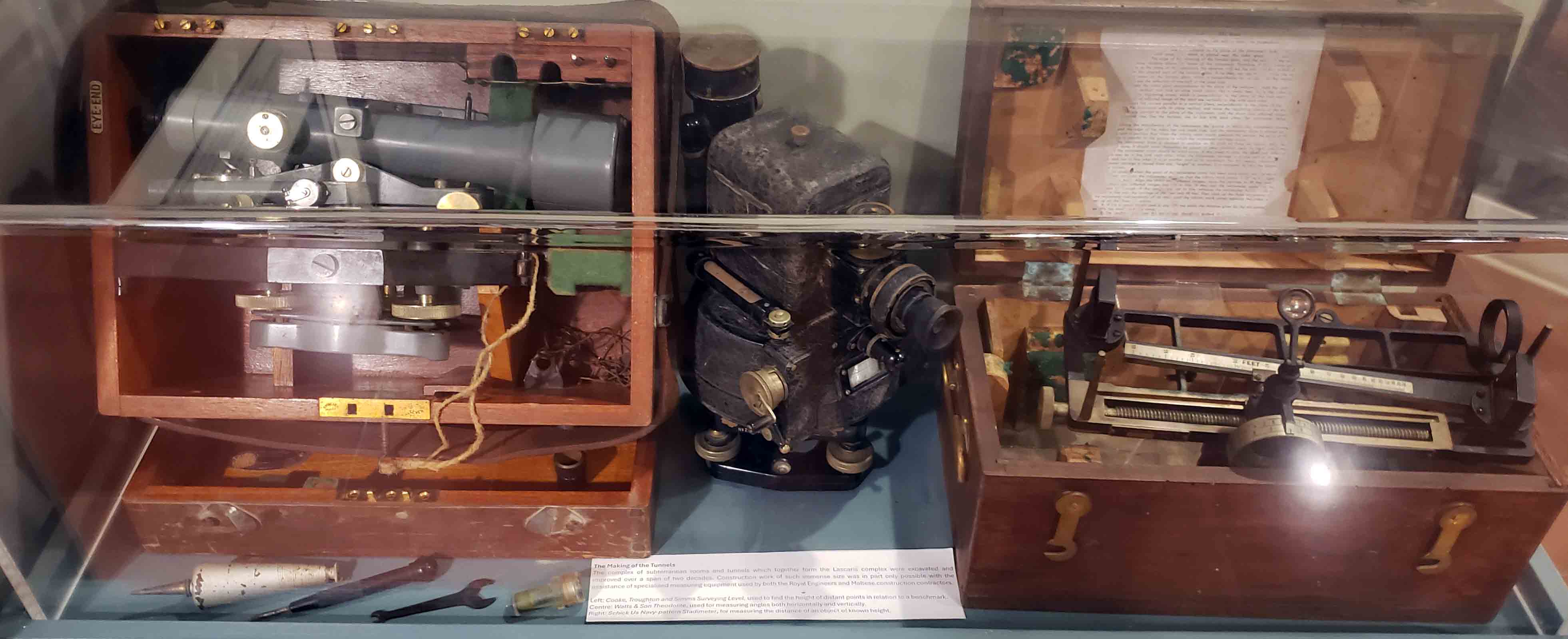
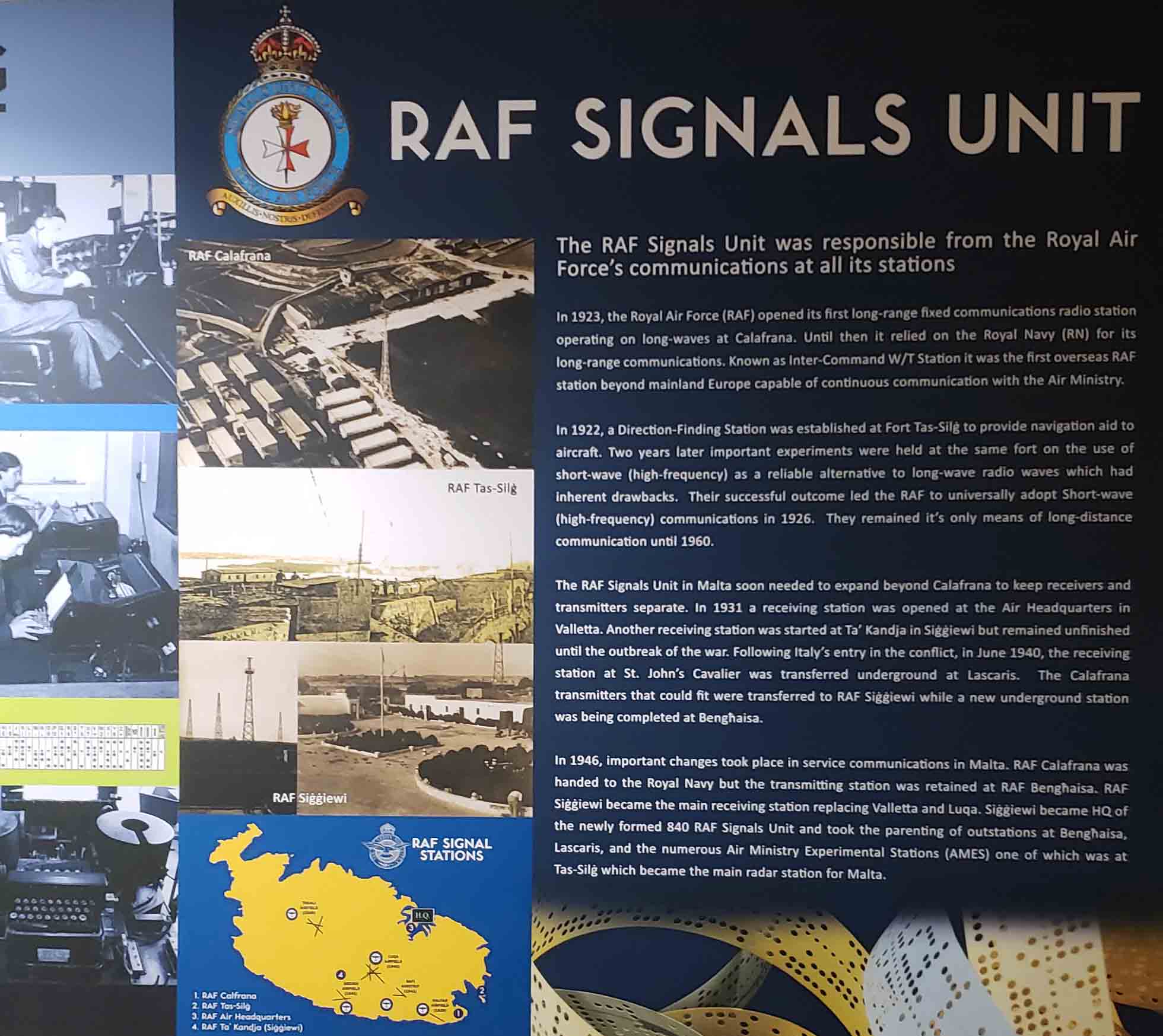
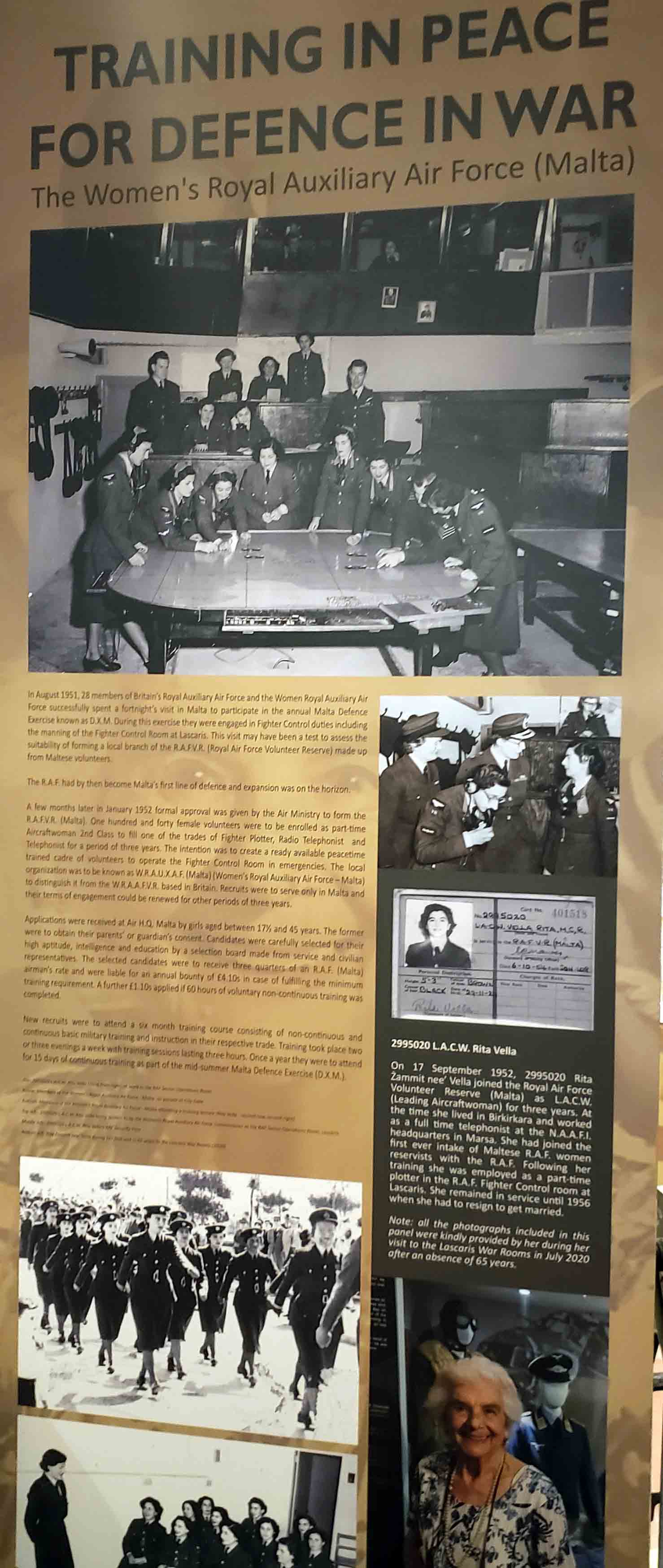
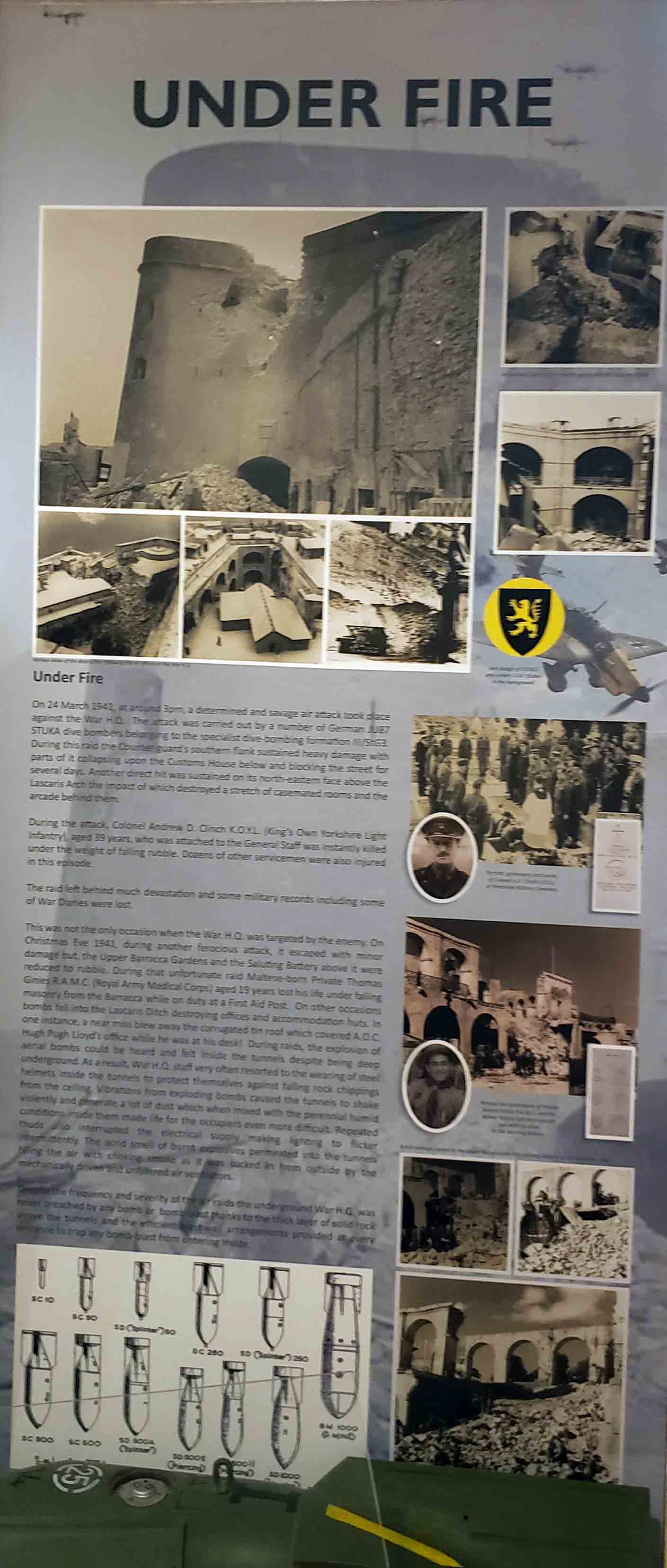
As I wandered from room to room, the story unfurled. Relentless air raids, urgent Morse code messages, and a small island punching far above its weight came to life.
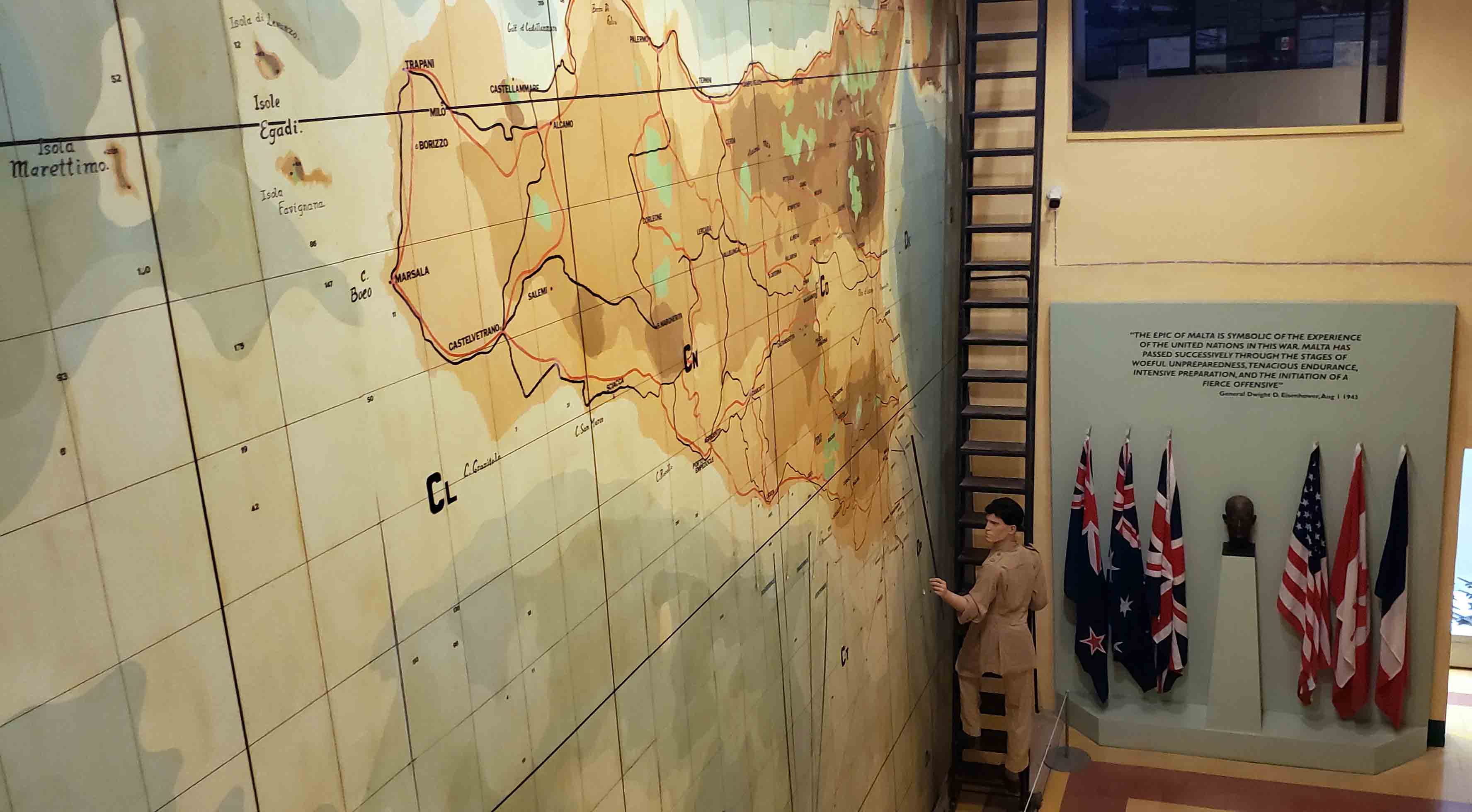
The Operations Room was a highlight: huge plotting tables still marked with model ships and aircraft. Walls were covered in faded maps and color-coded pins. I could almost see the tension in the air. Hands moved frantically as the fate of Malta — and perhaps the Mediterranean — hung in the balance.
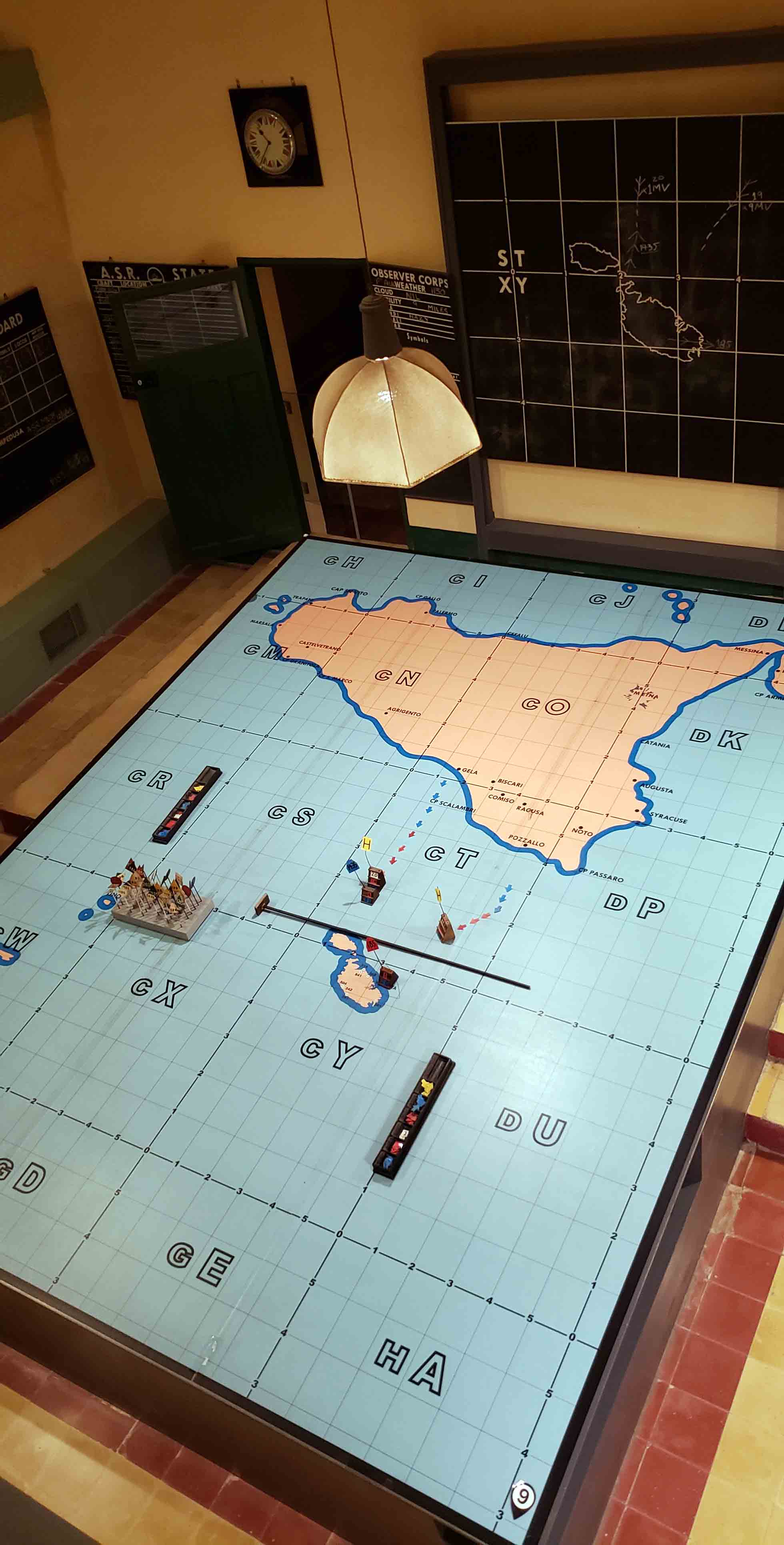
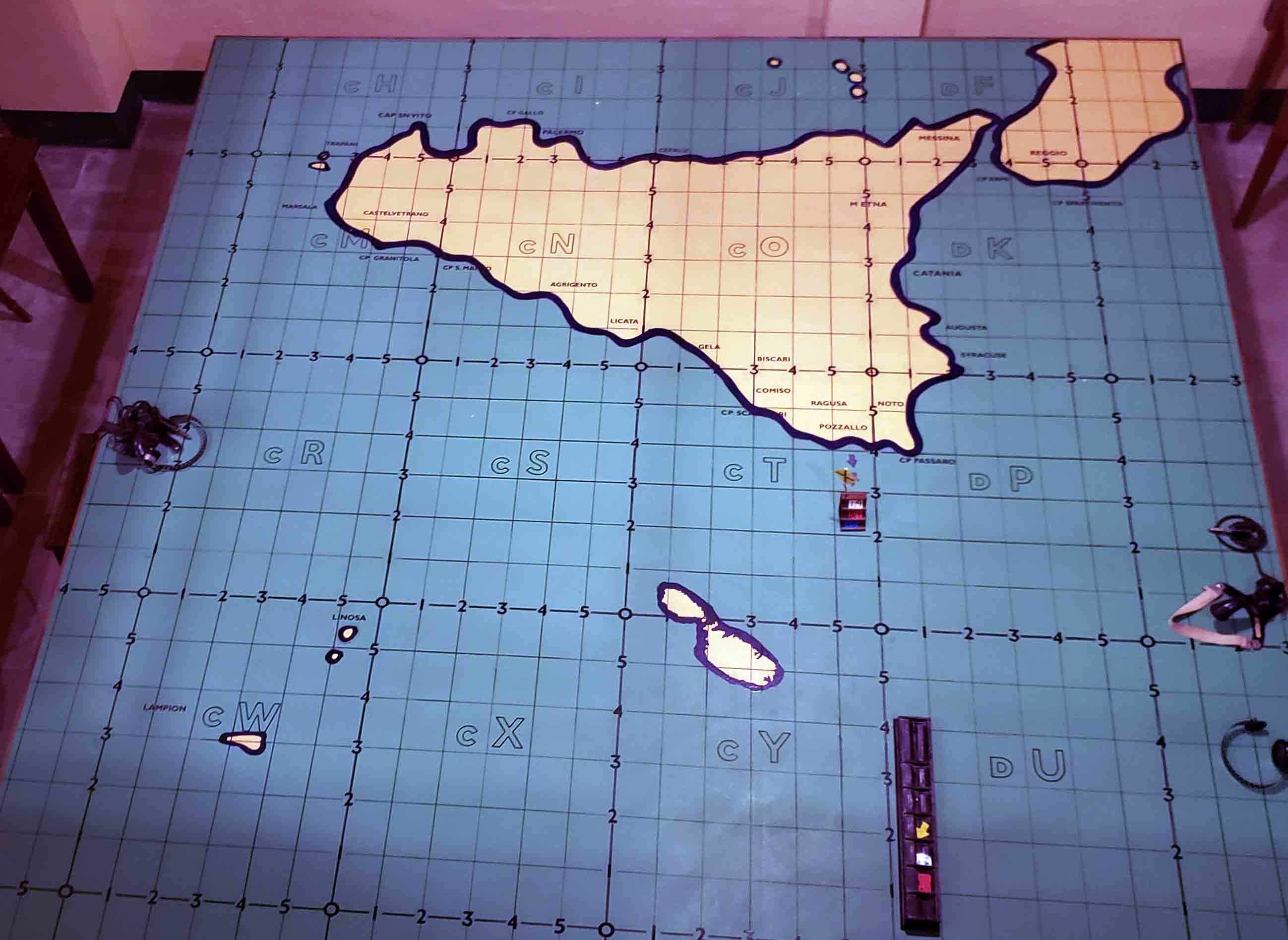
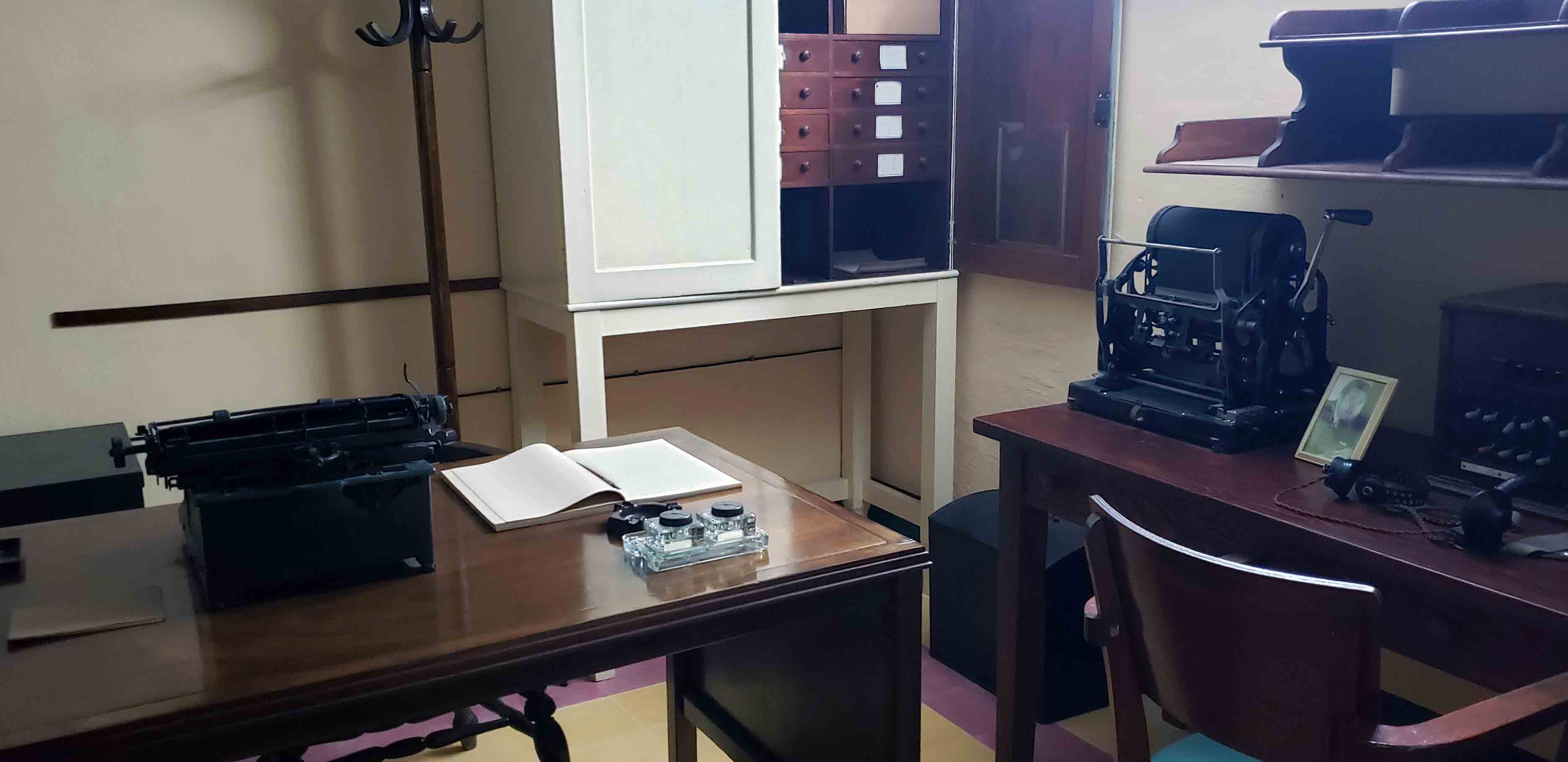
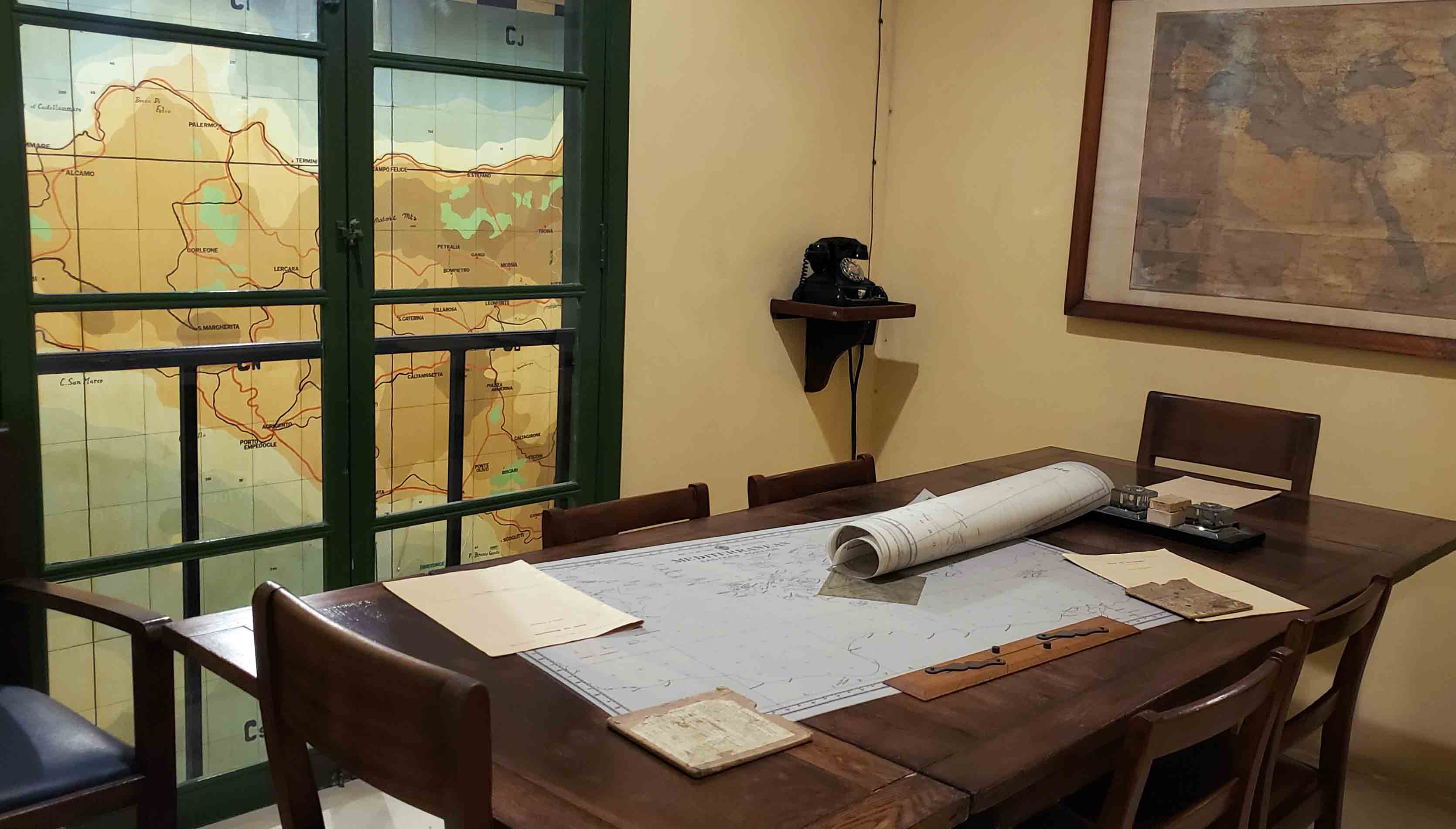
Every corner revealed new intrigue. I peered into the cipher room, where codebreakers worked feverishly to decipher enemy messages, and paused at the telephone exchange, imagining the cacophony of voices relaying vital orders.
Learning more about its pivotal role in the Mediterranean theater, I discovered that the Lascaris War Rooms were at the heart of two of World War II’s most daring operations: Operation Husky and Operation Mincemeat.
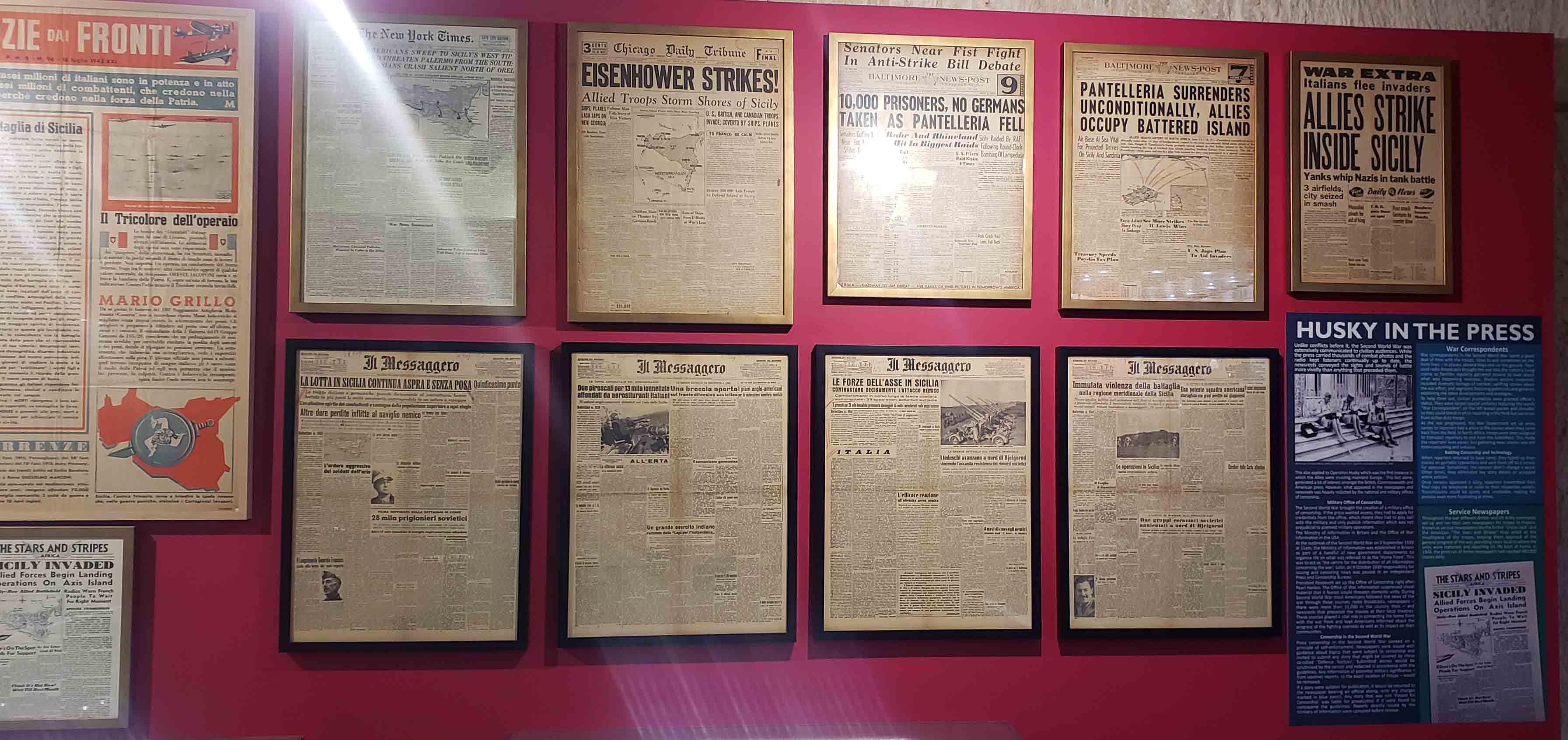
Here, in these very rooms, Allied commanders meticulously planned Operation Husky — the massive invasion of Sicily that marked the beginning of the end for Axis forces in Europe.
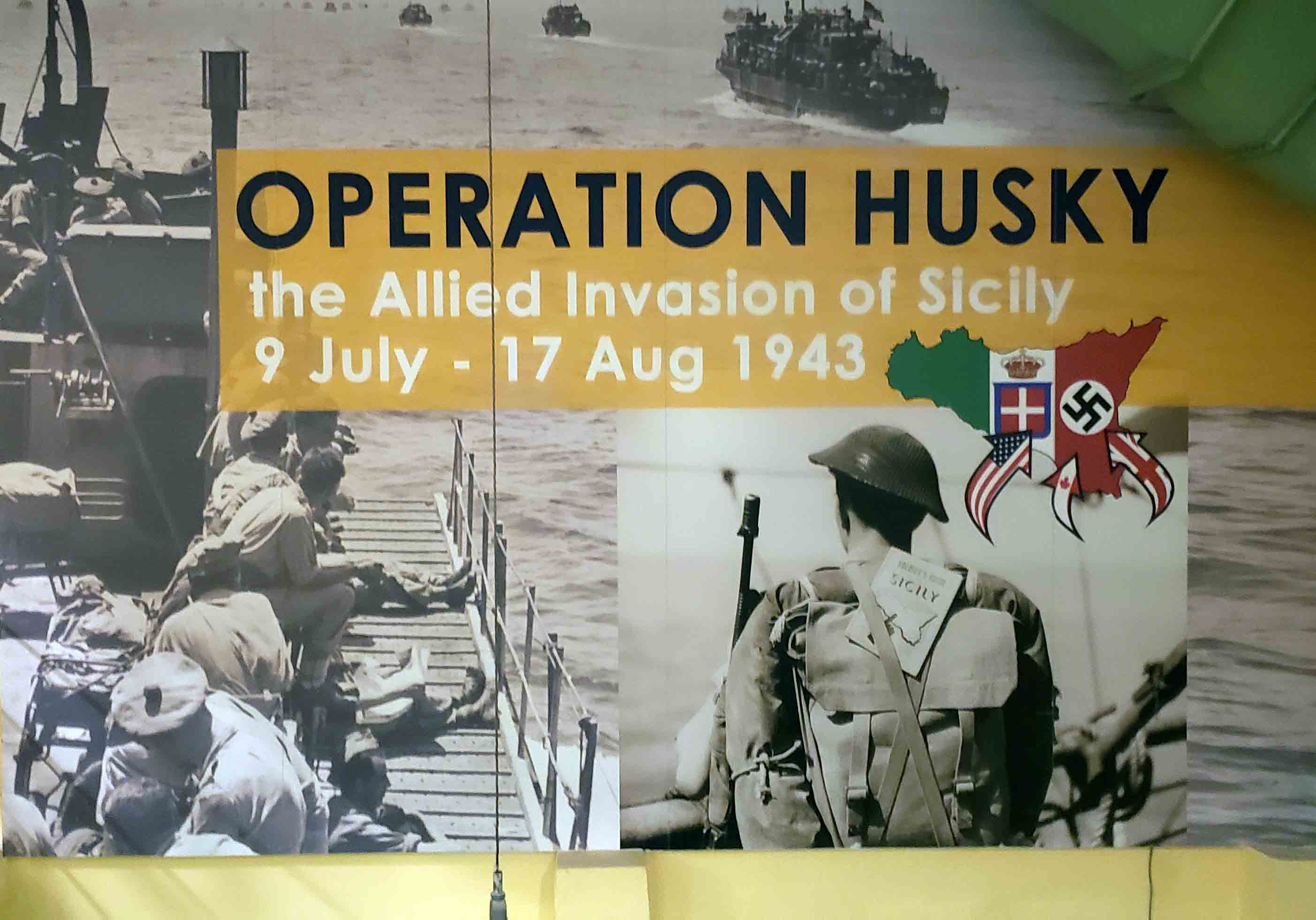
The War Rooms buzzed with urgency as strategy maps were unfurled and real-time intelligence poured in, guiding one of the largest amphibious assaults in history.
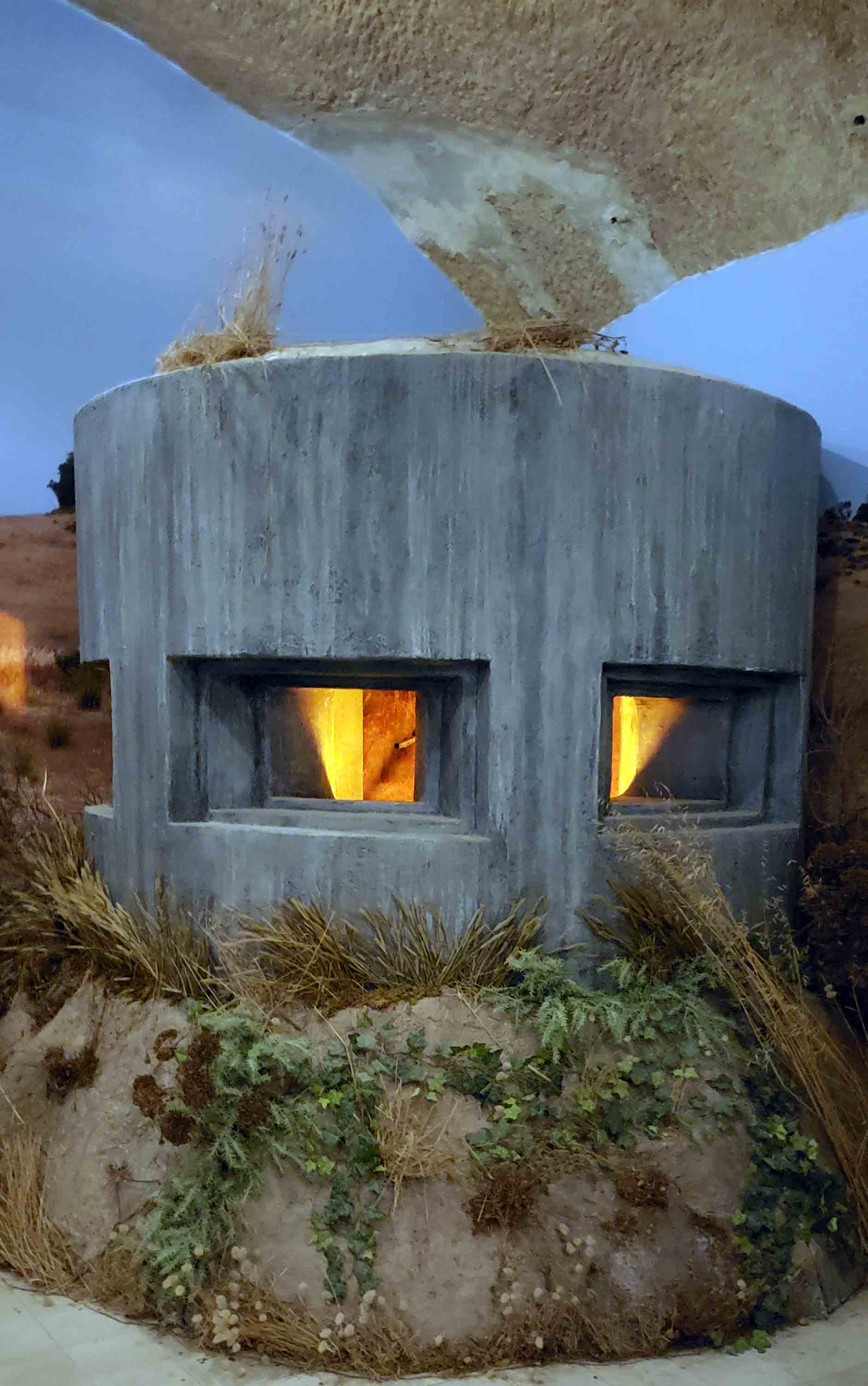
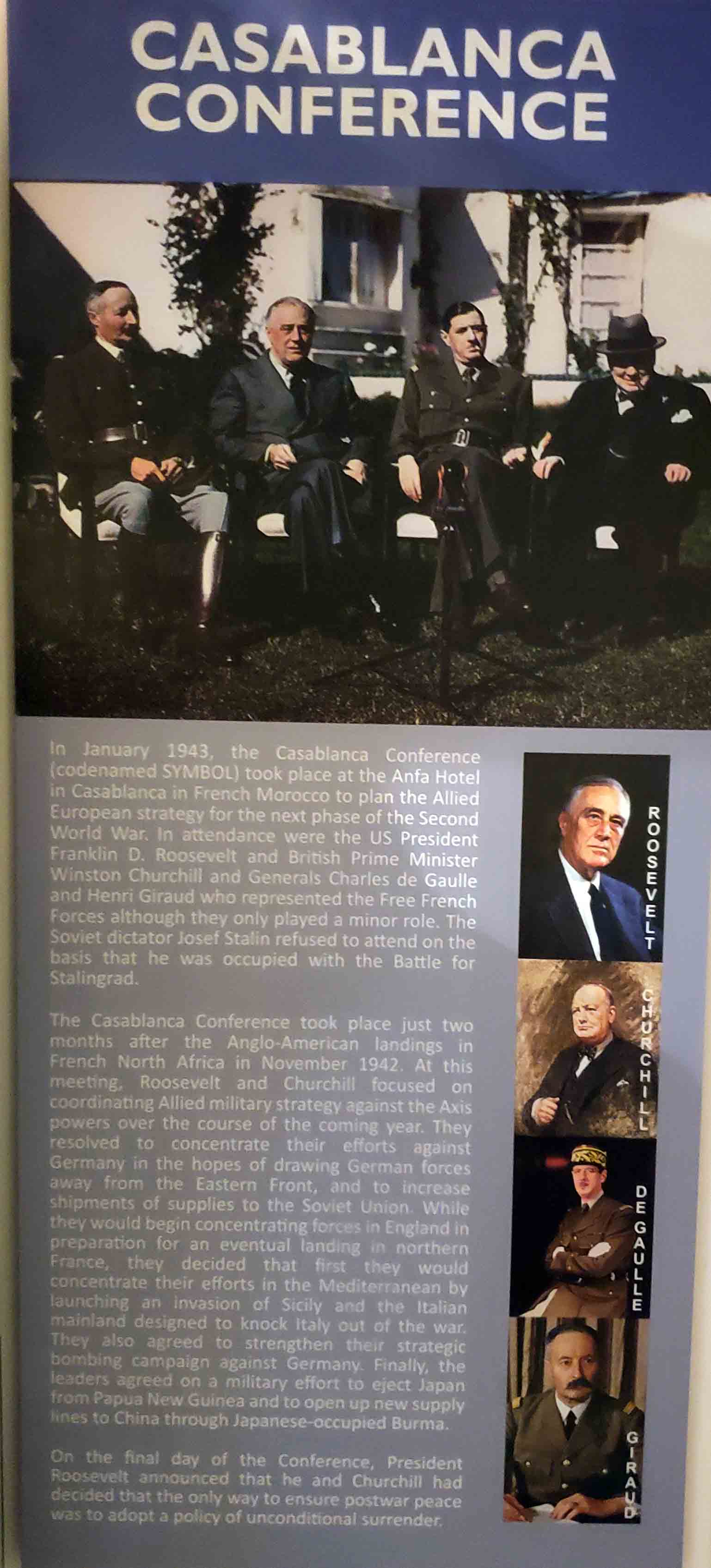
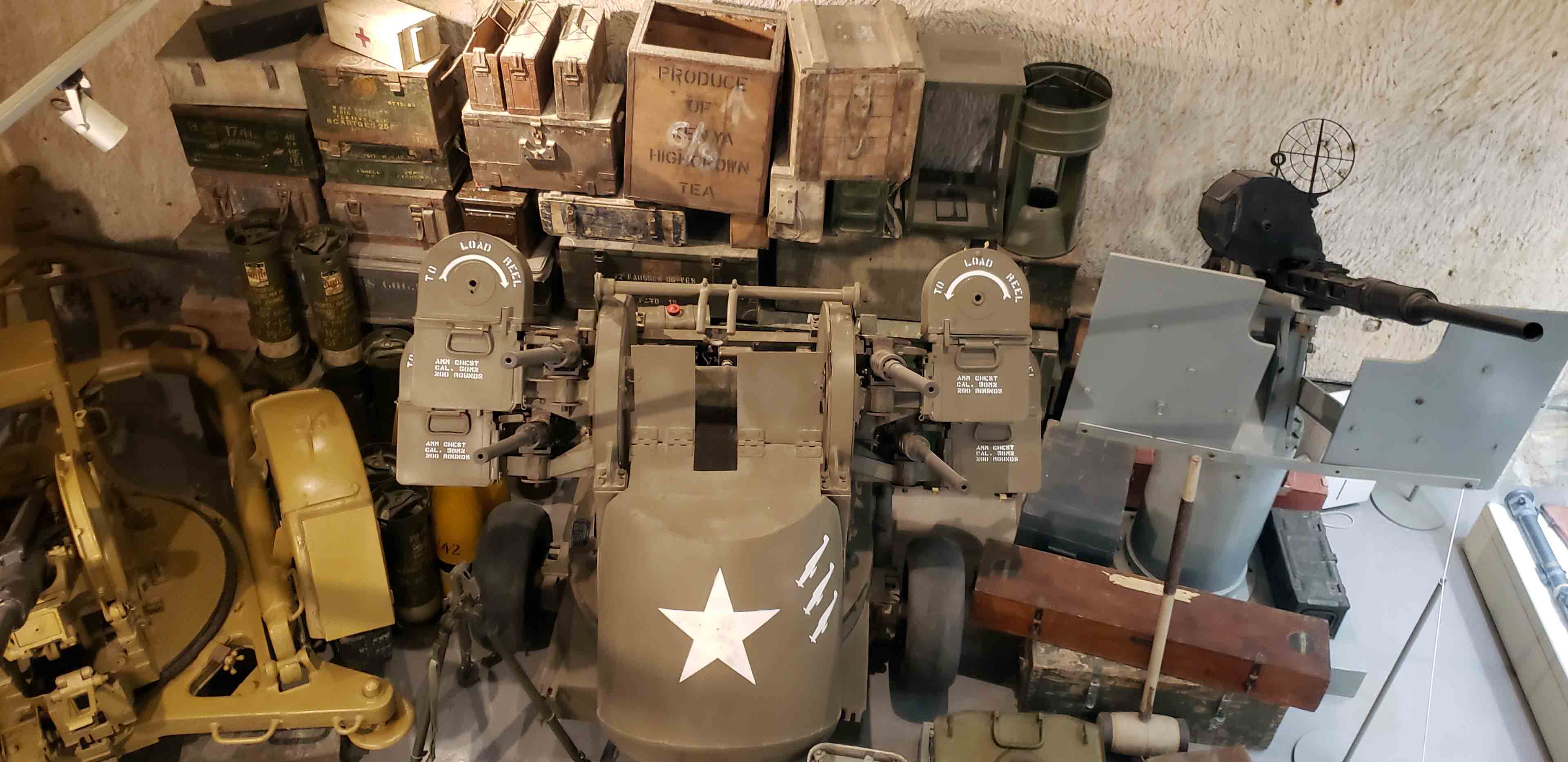
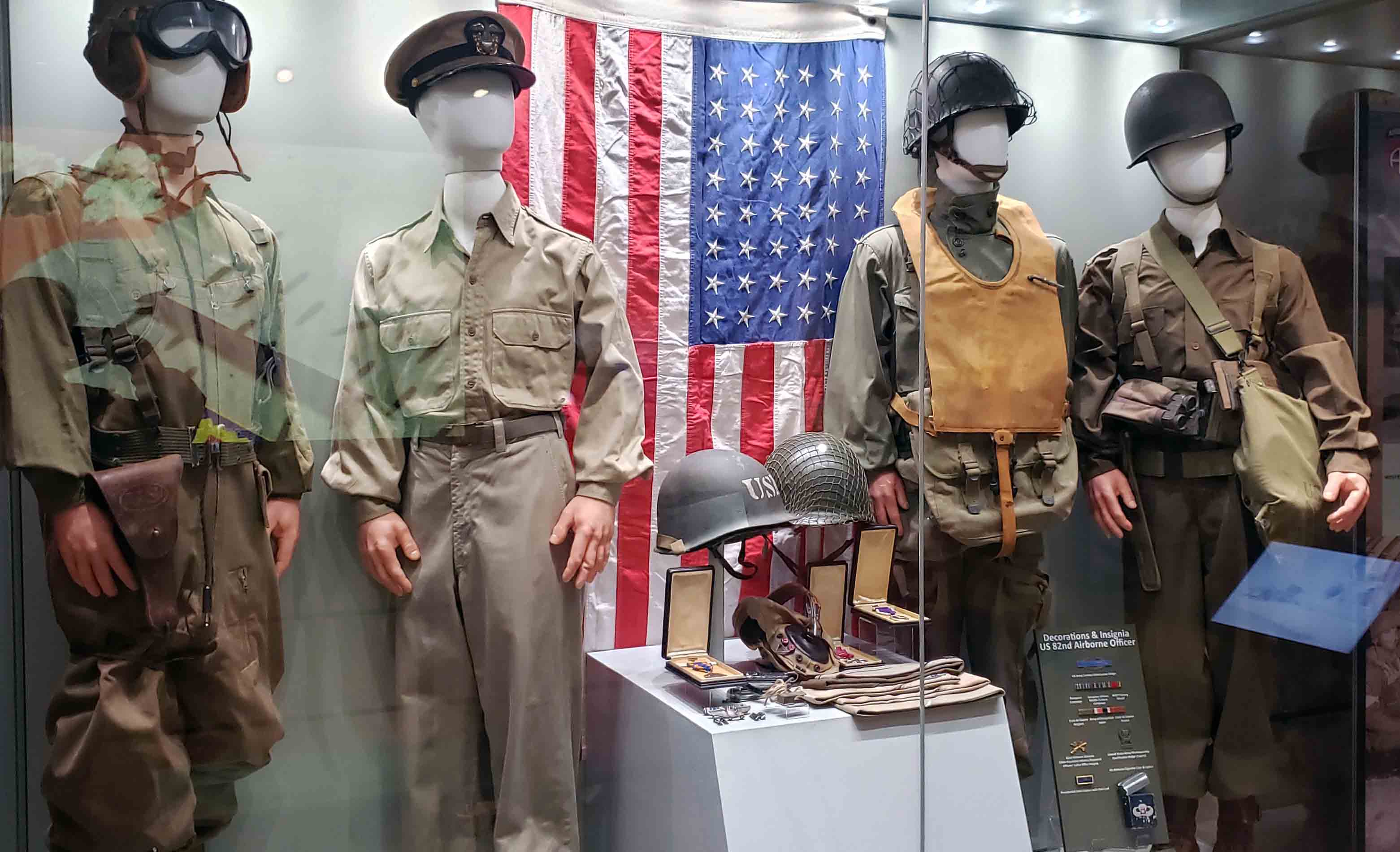
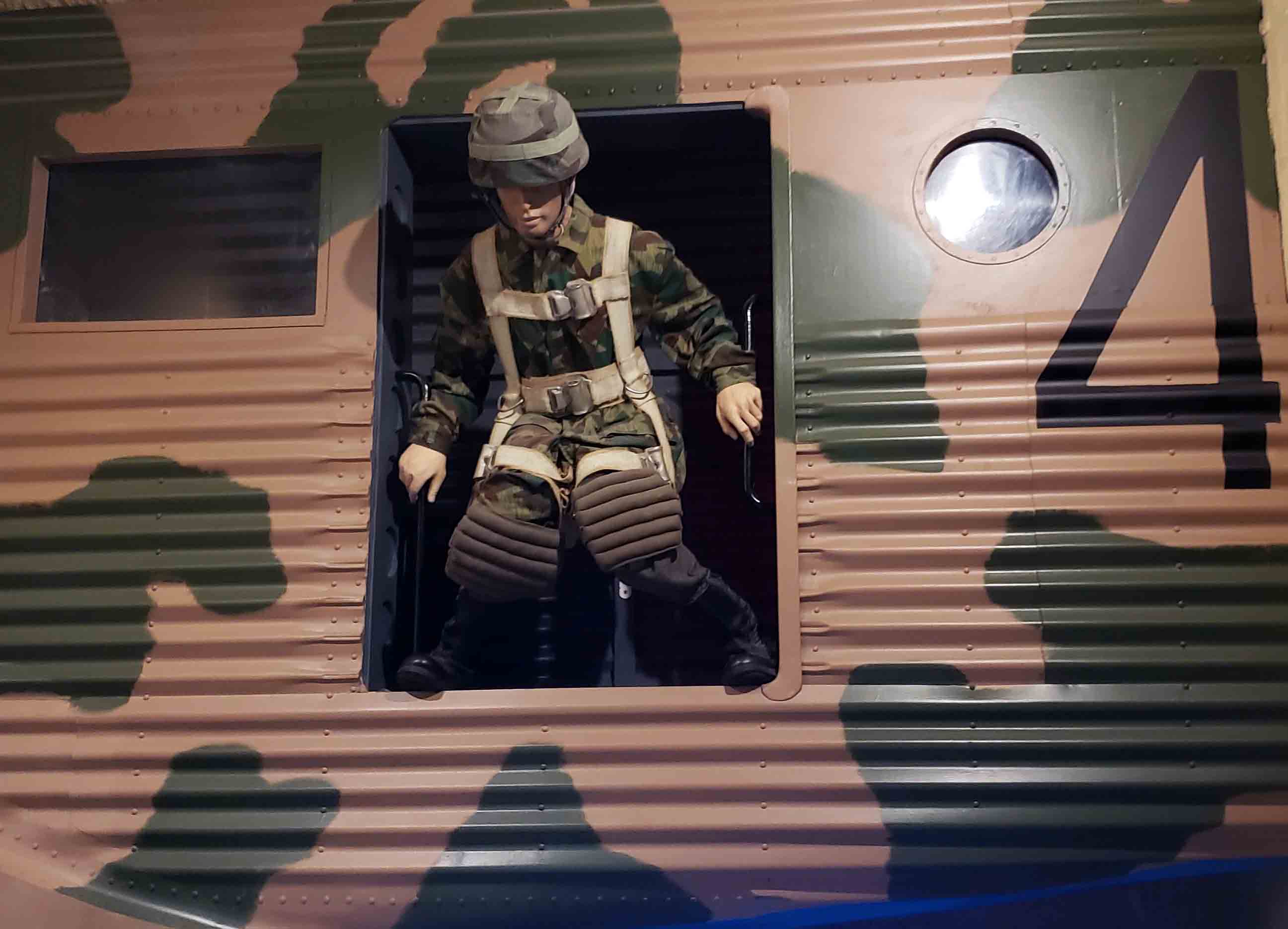
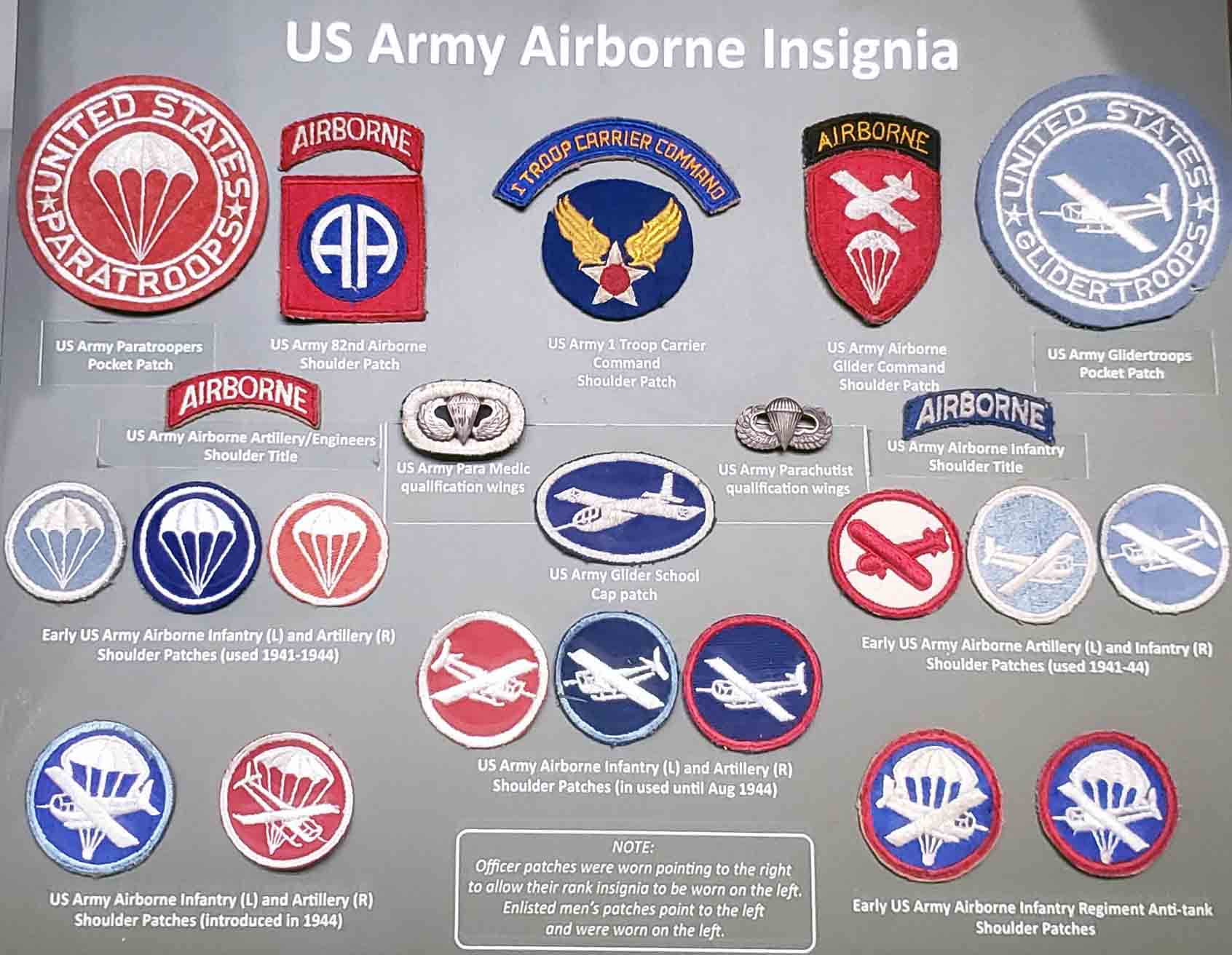
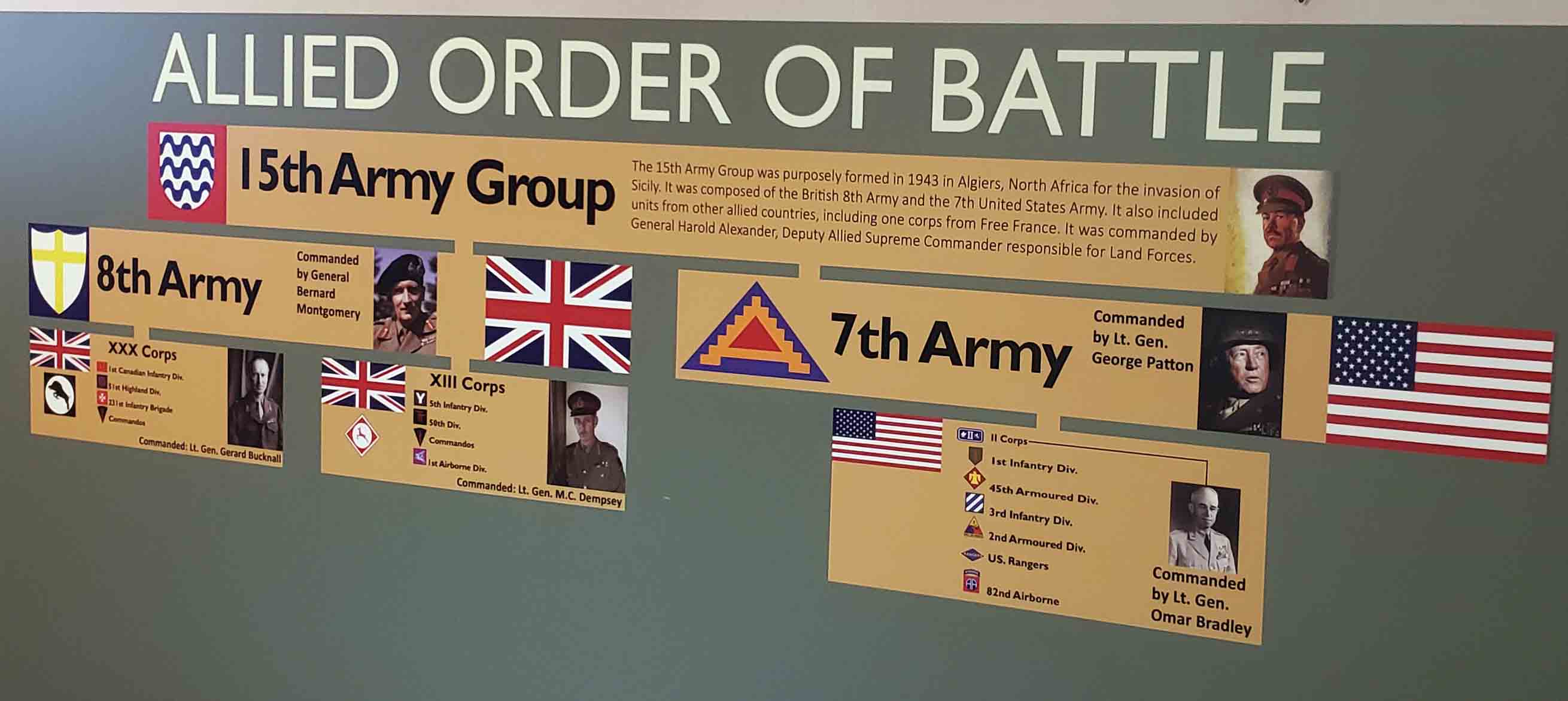
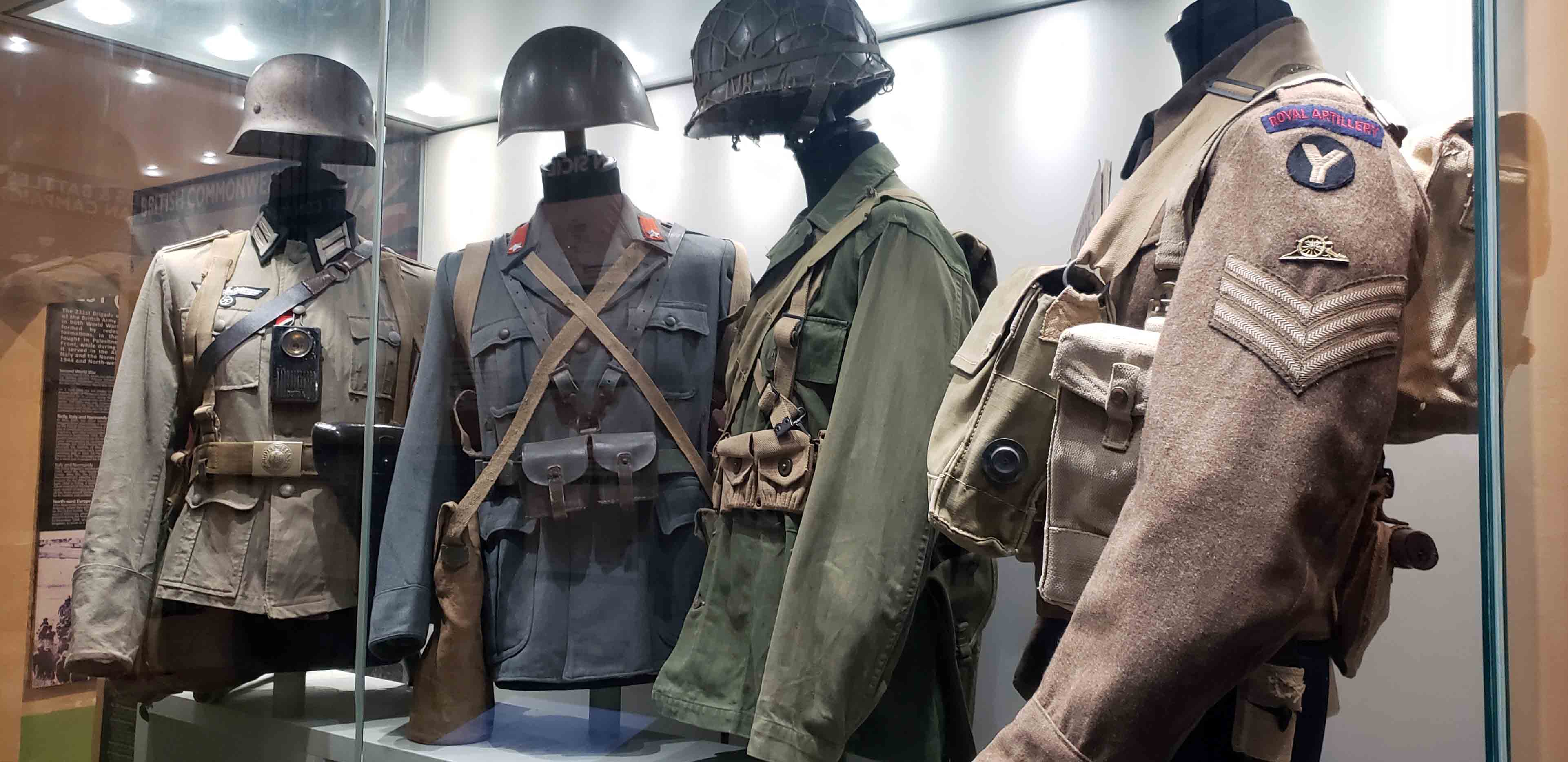
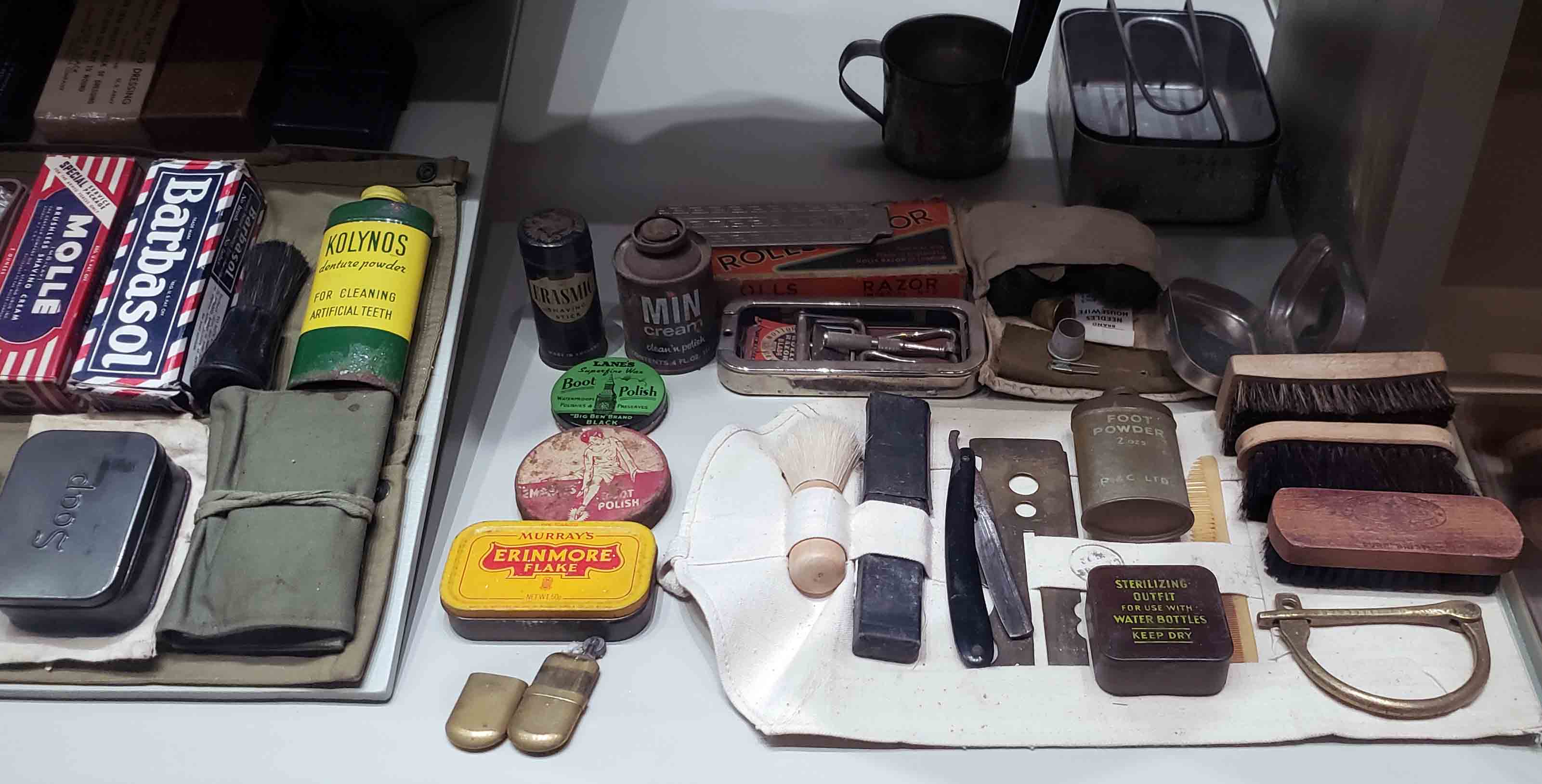
What really took me by surprise, though, was how far the web of wartime alliances stretched. I’d heard rumors before, but standing in the War Rooms, I learned the American Mafia actually provided intelligence for Operation Husky.
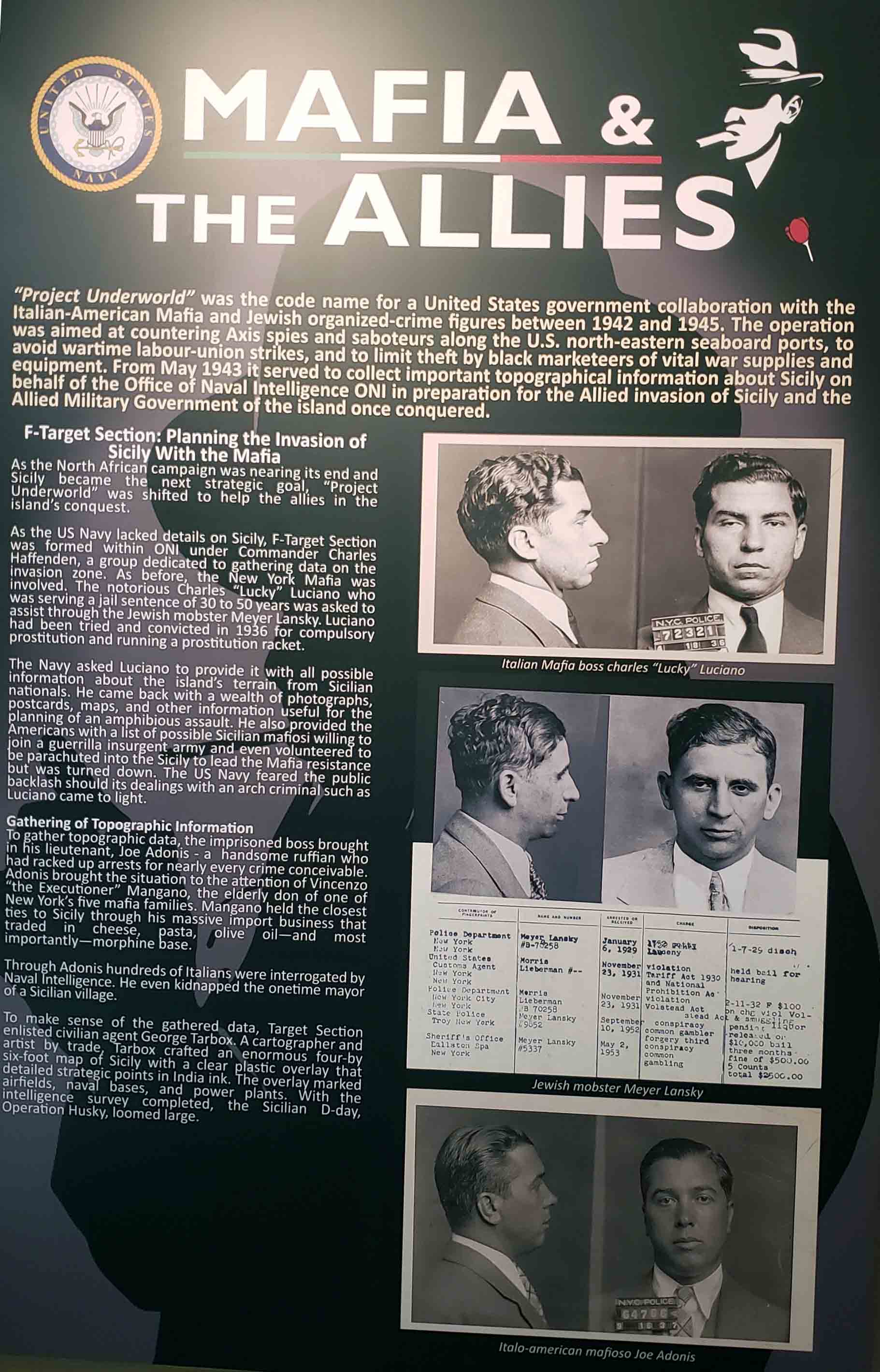
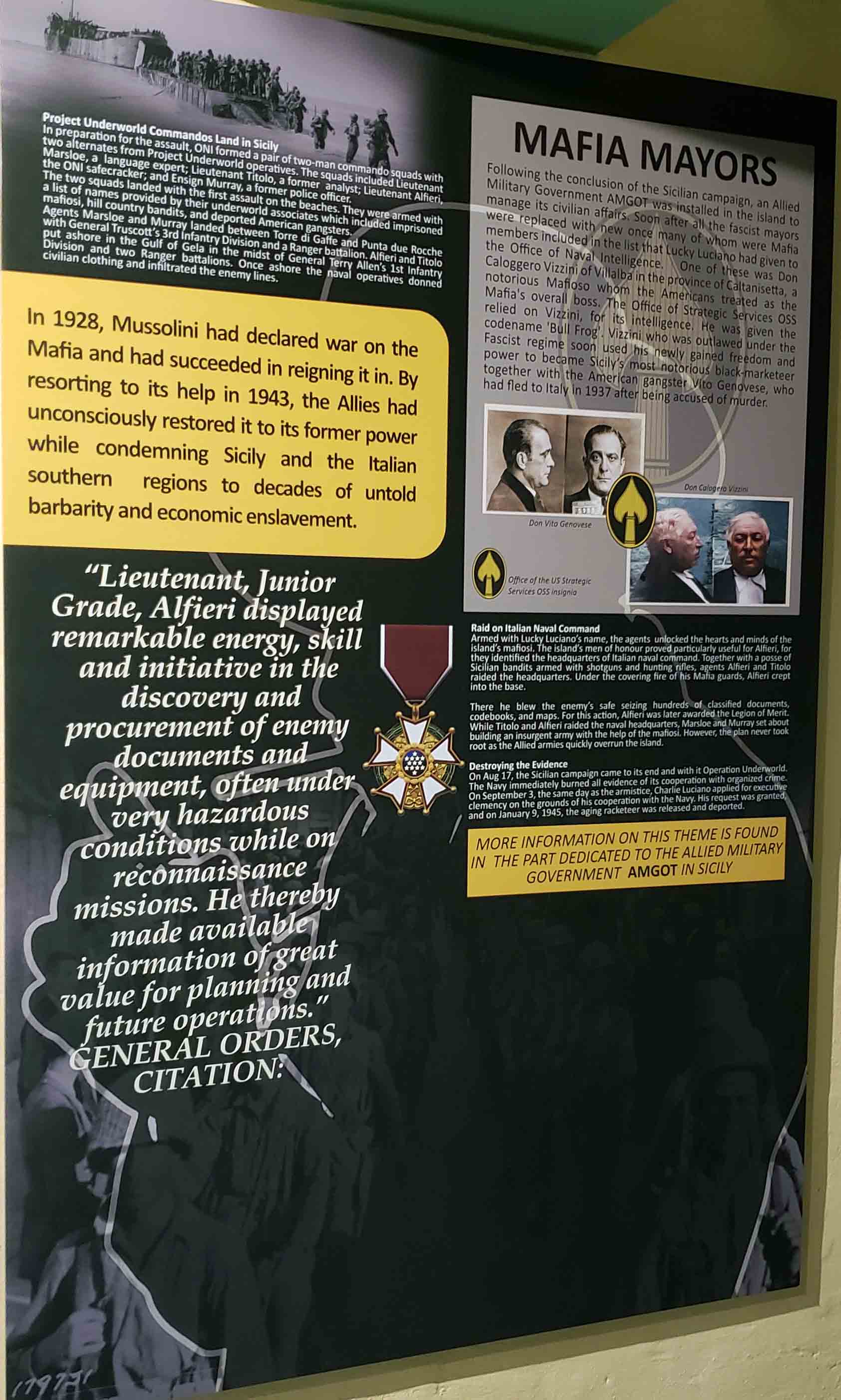
It felt like something out of a movie: “The good guys working with the bad guys?” Of course, the U.S. government tried to deny it at first, but everyone eventually learned the truth.
In that moment, the old saying — ‘the enemy of my enemy is my friend’ — made perfect sense.
But perhaps even more intriguing was the War Rooms’ connection to Operation Mincemeat — a deception plan so audacious it sounds like the plot of a spy novel. From this hidden command center, Allied intelligence coordinated the dissemination of false information to mislead the Axis powers about the true target of the invasion.
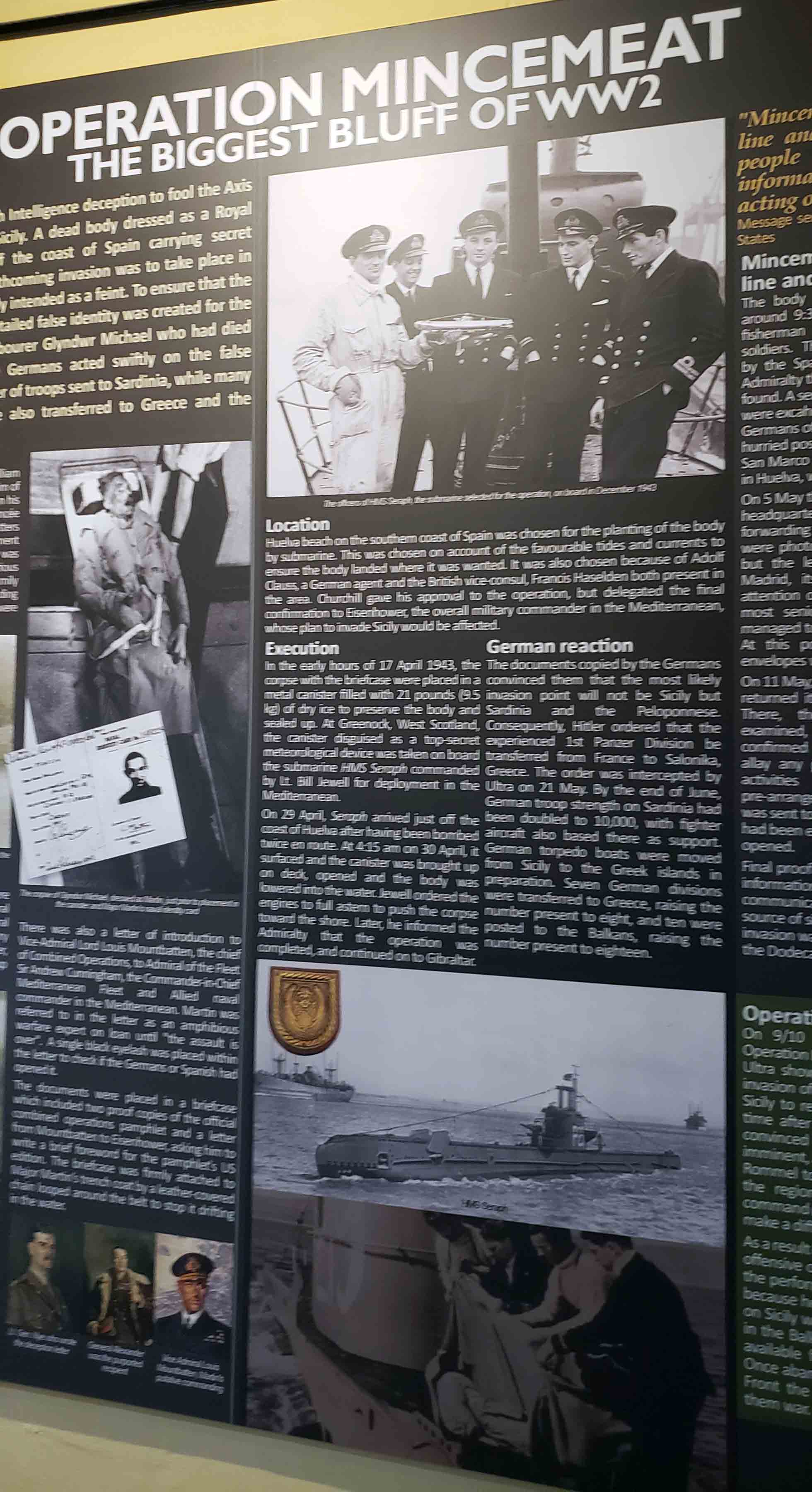
The success of Operation Mincemeat and the subsequent capture of Sicily owed much to the masterminds working in these very tunnels, proving that the battles beneath the surface were just as crucial as those fought above ground.
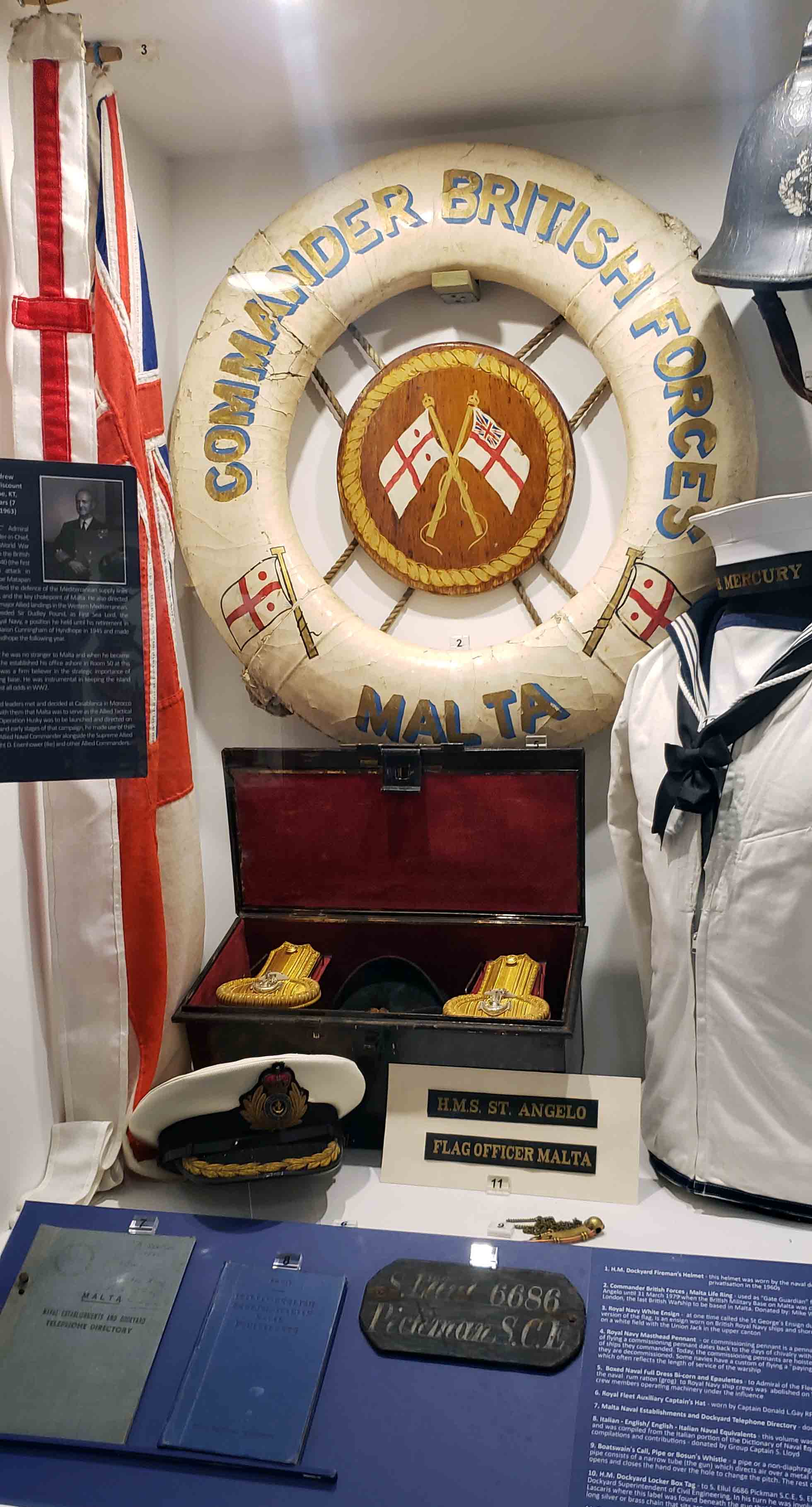
What truly captivated me was the resilience that filled these underground halls. Malta was besieged and nearly starved into submission, but its defenders plotted survival and victory here below ground. The War Rooms stand as a living testament to their ingenuity and grit, more than just a museum.
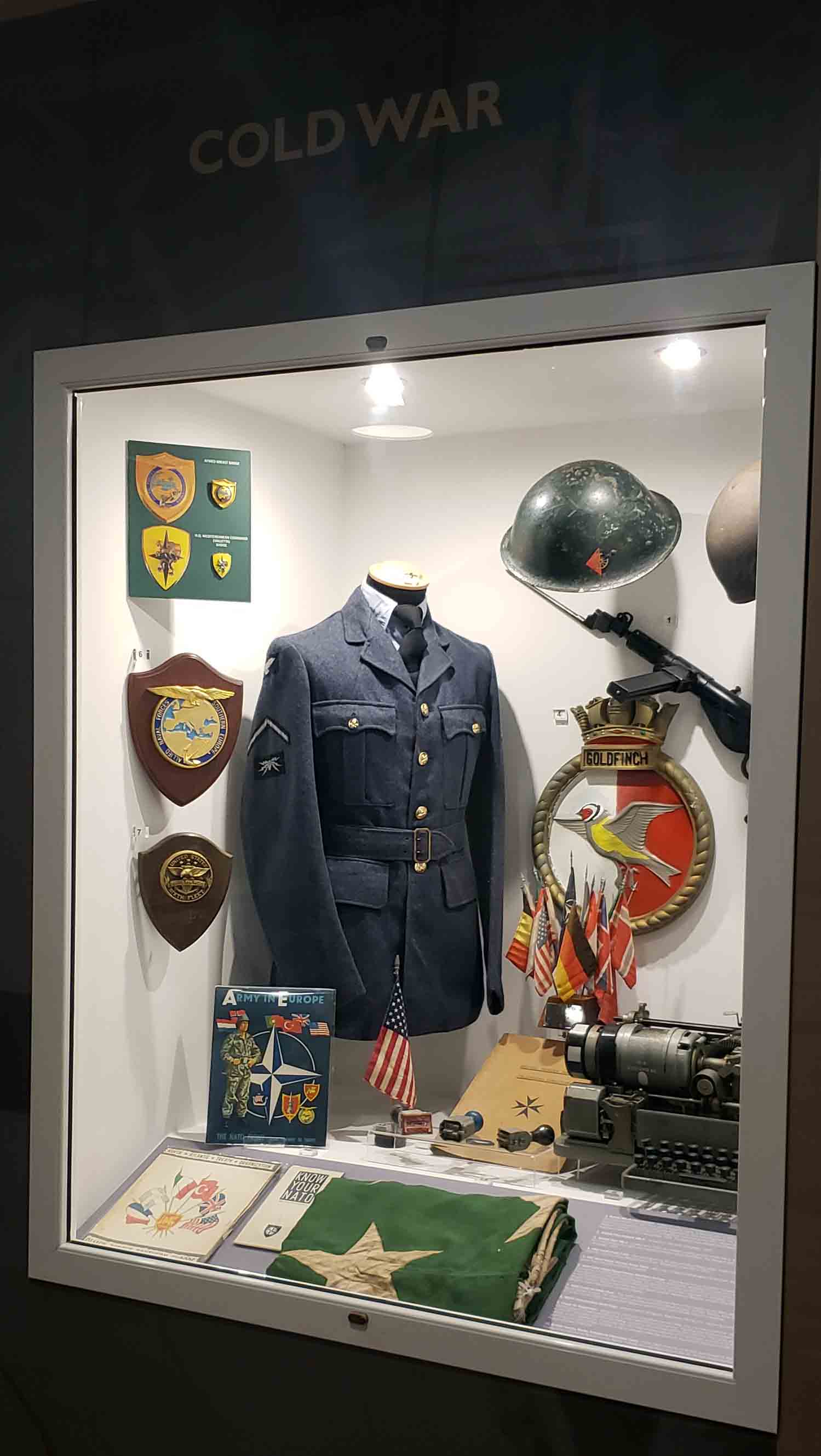
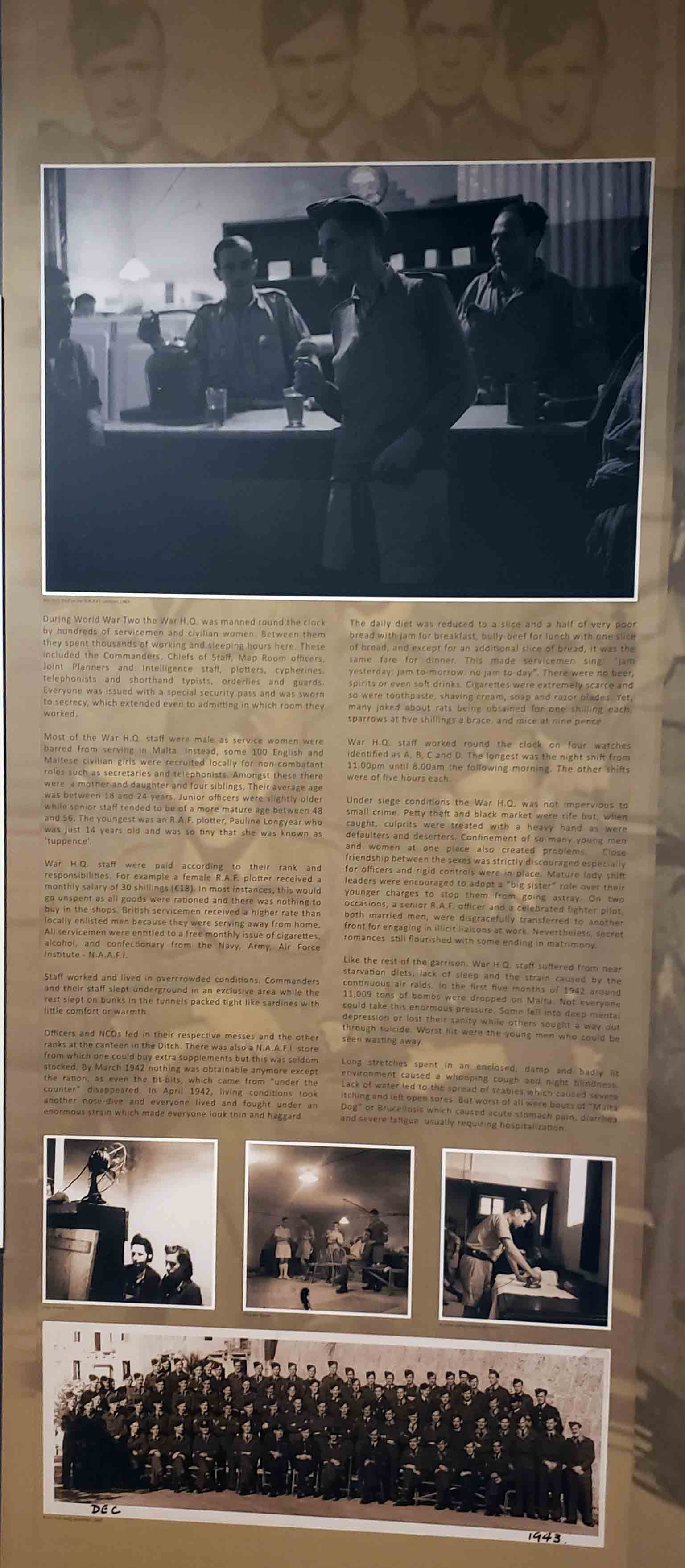
As I emerged, blinking into the golden Valletta sunlight, the city’s beauty felt even more profound, knowing what lay beneath its surface.
The Lascaris War Rooms aren’t just a window into Malta’s wartime past; they’re an adventure for anyone who loves stories of courage, cunning, and the thrill of discovery.
If you crave travel with a hint of mystery and a heavy dose of history, don’t miss this hidden world — it’s one of Malta’s most enthralling secrets, waiting for you just below your feet.
The Lascaris War Rooms are open Monday to Saturday from 10 a.m. to 4:30 p.m. To visit, head to Battery Street in Valletta. The entrance is just a short walk from the Upper Barracca Gardens. Clear signs will guide you down into the heart of Malta’s wartime secrets.
Visit www.lascariswarrooms.com for more information.
Until next time …
 Candy Knight's Stories