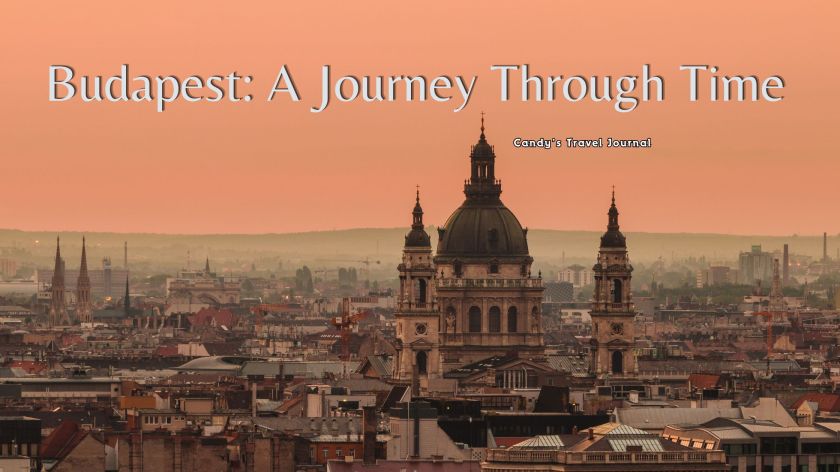
“Travel is fatal to prejudice, bigotry, and narrow-mindedness …” — Mark Twain
I agree with Mr. Twain’s assessment. I’ve found that those who don’t venture beyond their familiar surroundings often accept what they’re told without question. Travel, on the other hand, has the power to shatter these preconceptions and open our minds to new perspectives.
Like many, I used to form my opinions based on what I was told. It wasn’t until I started traveling that I began to see the world and form my own opinions.
Travel has been my greatest teacher, showing me that history is not a fixed narrative, but a trial where each side presents their story, and the truth often lies in the middle. This realization has been a significant part of my personal growth.
On Day 3 of my 2024 Budapest Adventure, I delved deeper into the city’s complex history, uncovering unique stories and experiences that only Budapest could offer.
MEMENTO PARK
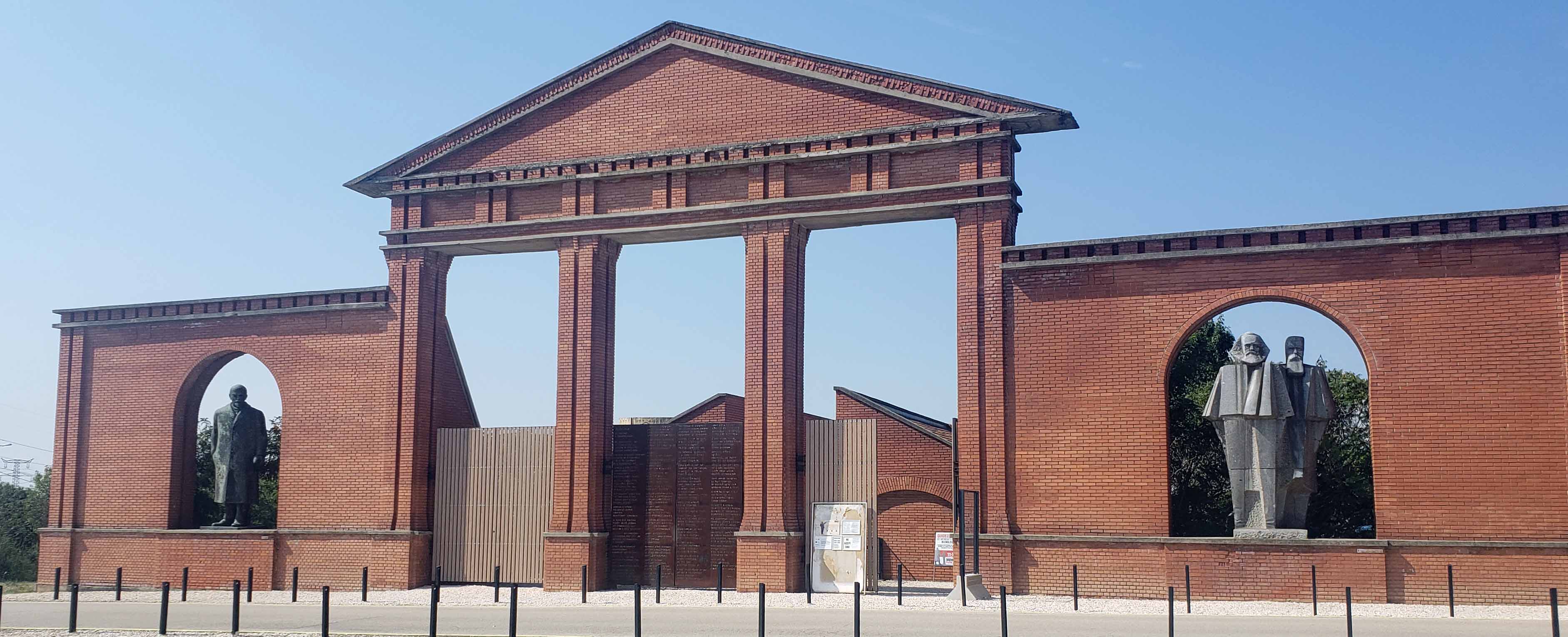
Day 3 began with a deeply engaging visit to Memento Park. Here, I didn’t just observe the monumental statues and artifacts, I felt a personal connection to the intense history and powerful symbolism they represent.
Getting to the park was a bit of a pickle with public transportation. Located outside the city, it would take about 65 minutes to get there using a combination of metro, trams and buses.
Although public transport was included with the Budapest Card, I felt spending 65 minutes on a bus was not the most efficient use of adventure time.
Thankfully, an Uber Taxi provided a more practical solution, taking only 20 minutes.
Entry to the park is included with the Budapest Card. I purchased a guidebook. Without it, I would not have uncovered the deeper meanings behind the statues and artifacts, and end up viewing this place as just a collection of lifeless objects.
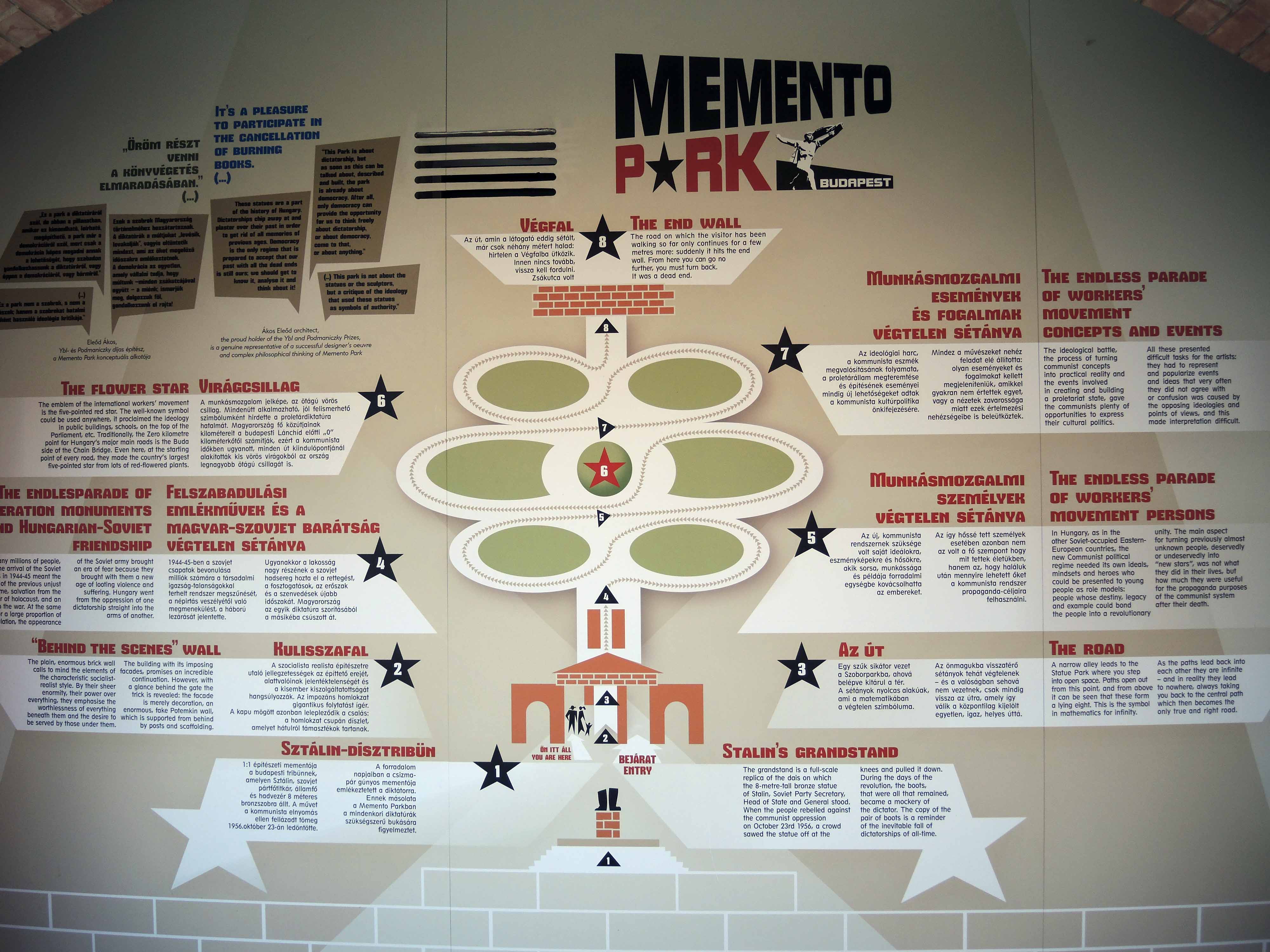
According to the guidebook, Memento Park simultaneously presents the themes of dictatorship and democracy. The park isn’t about Communism, but about the fall of Communism.
Memento Park is divided into two parts.
“A Sentence about Tyranny”
The statue park, called “A Sentence about Tyranny,” is the first part. More than 40 pieces of art from the Communist era between 1945 and 1989 sit in a neutral setting, a balanced approach that neither mocks nor honors them, allowing visitors to form their own interpretations.
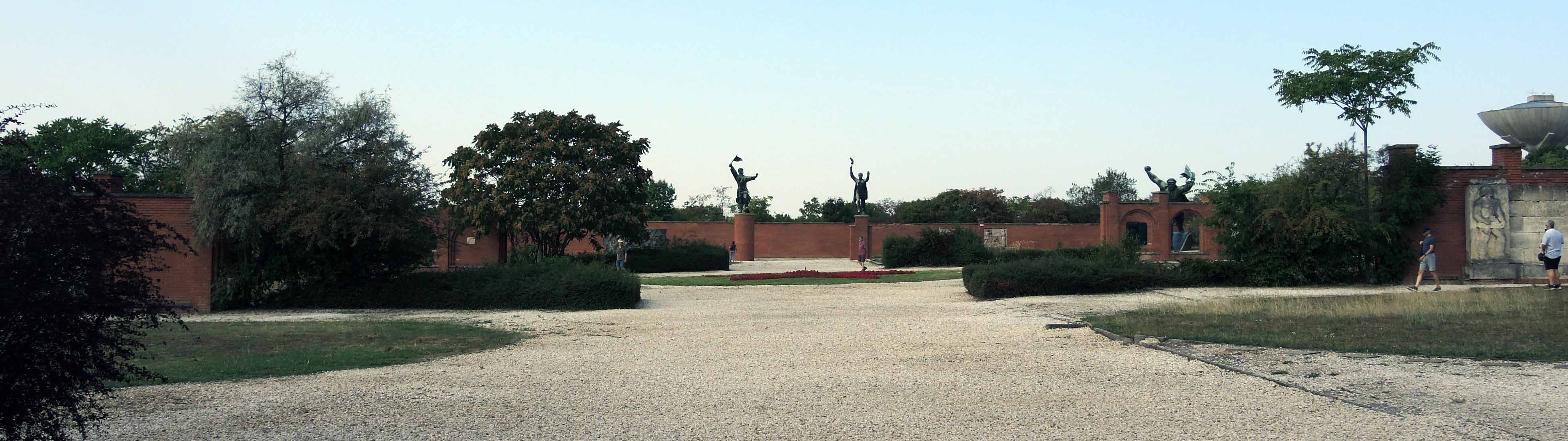
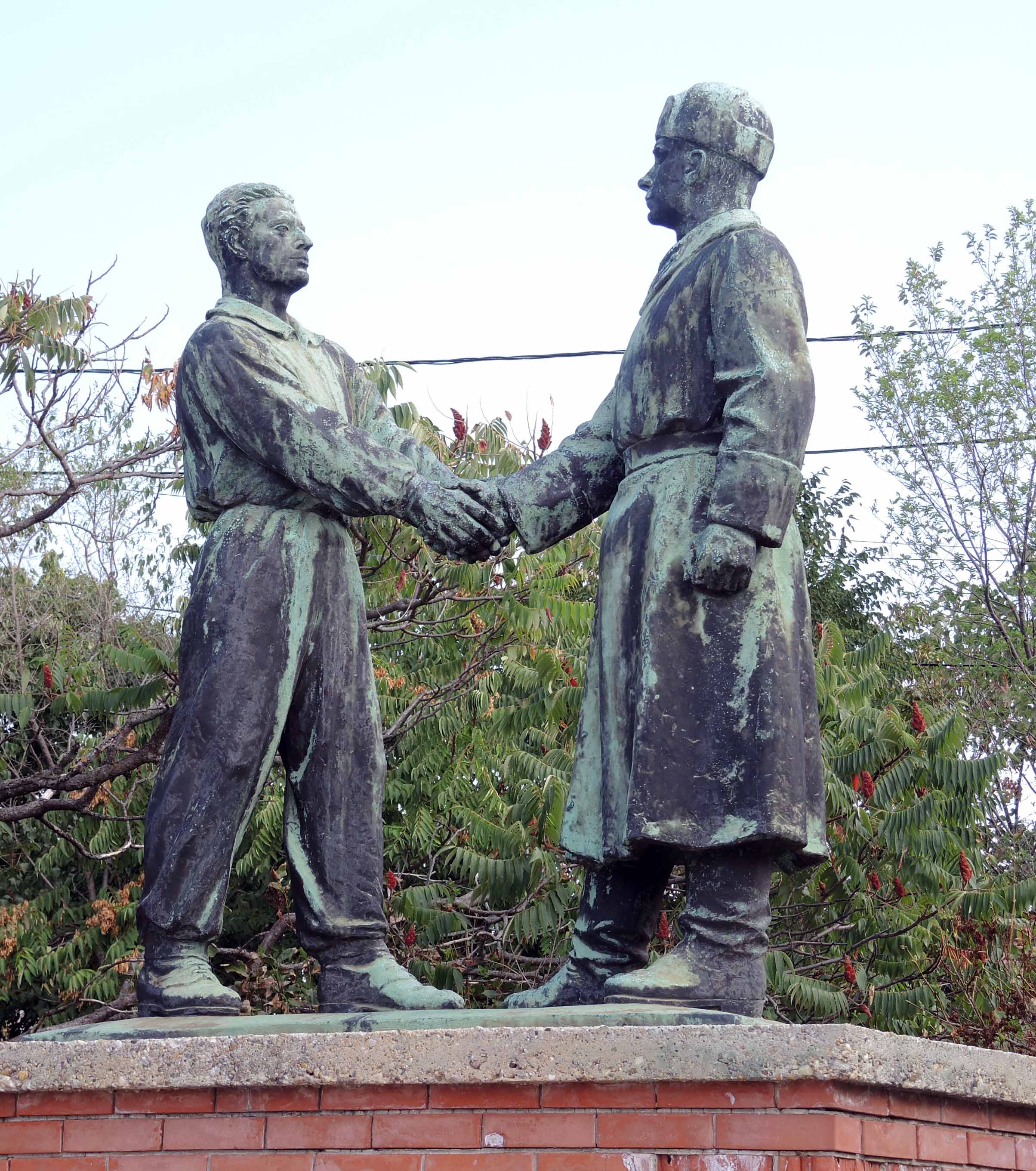
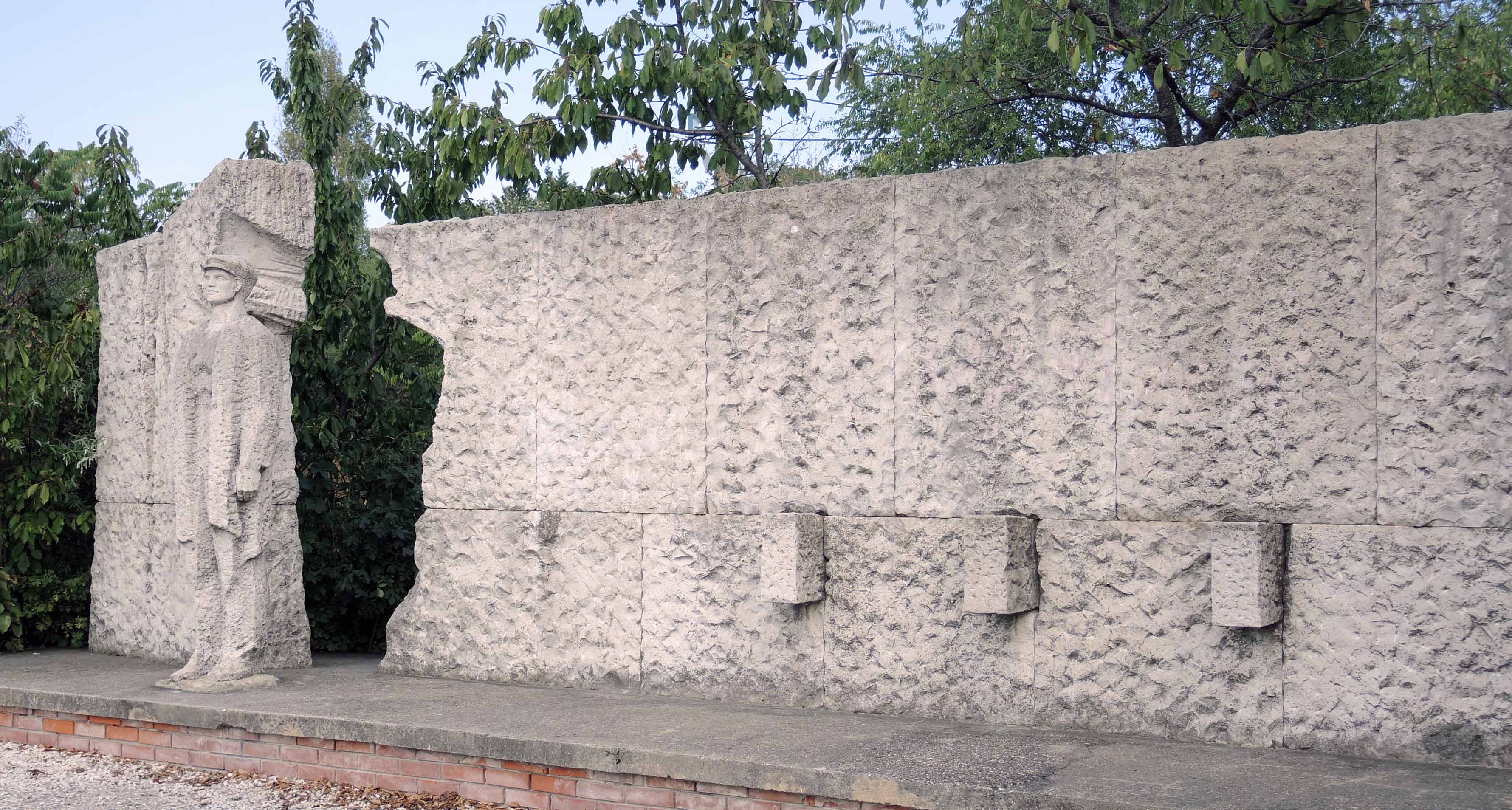
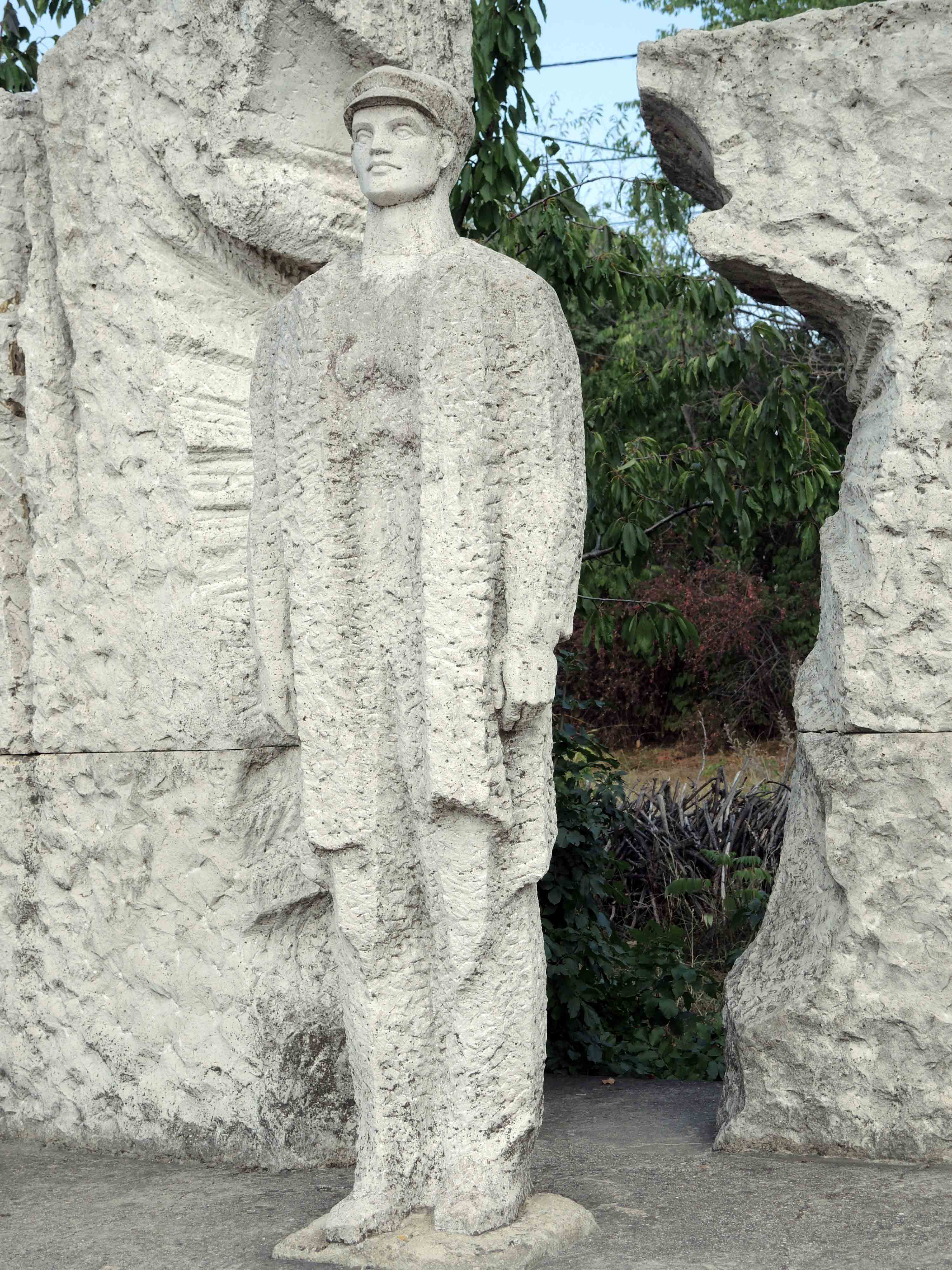
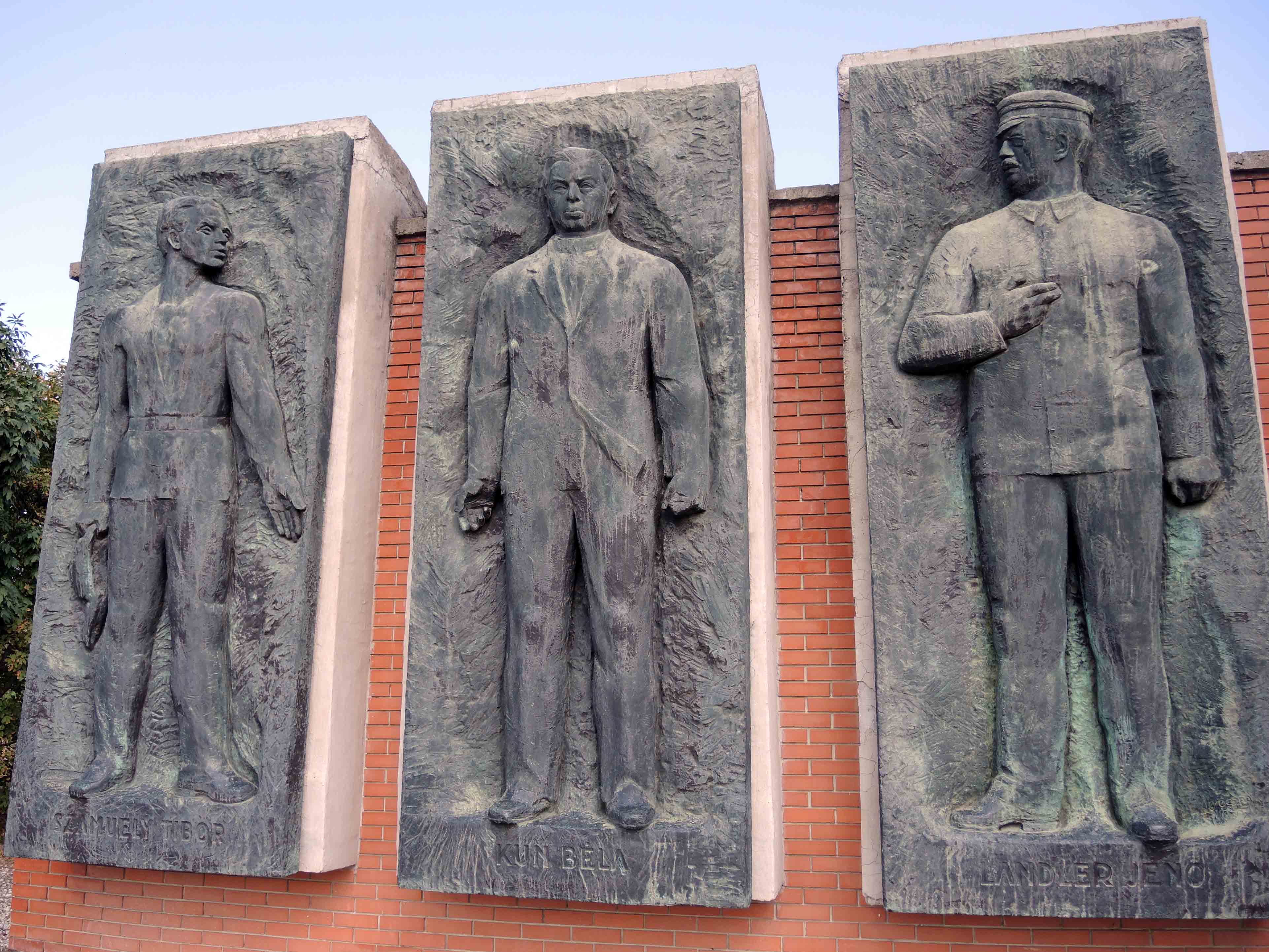
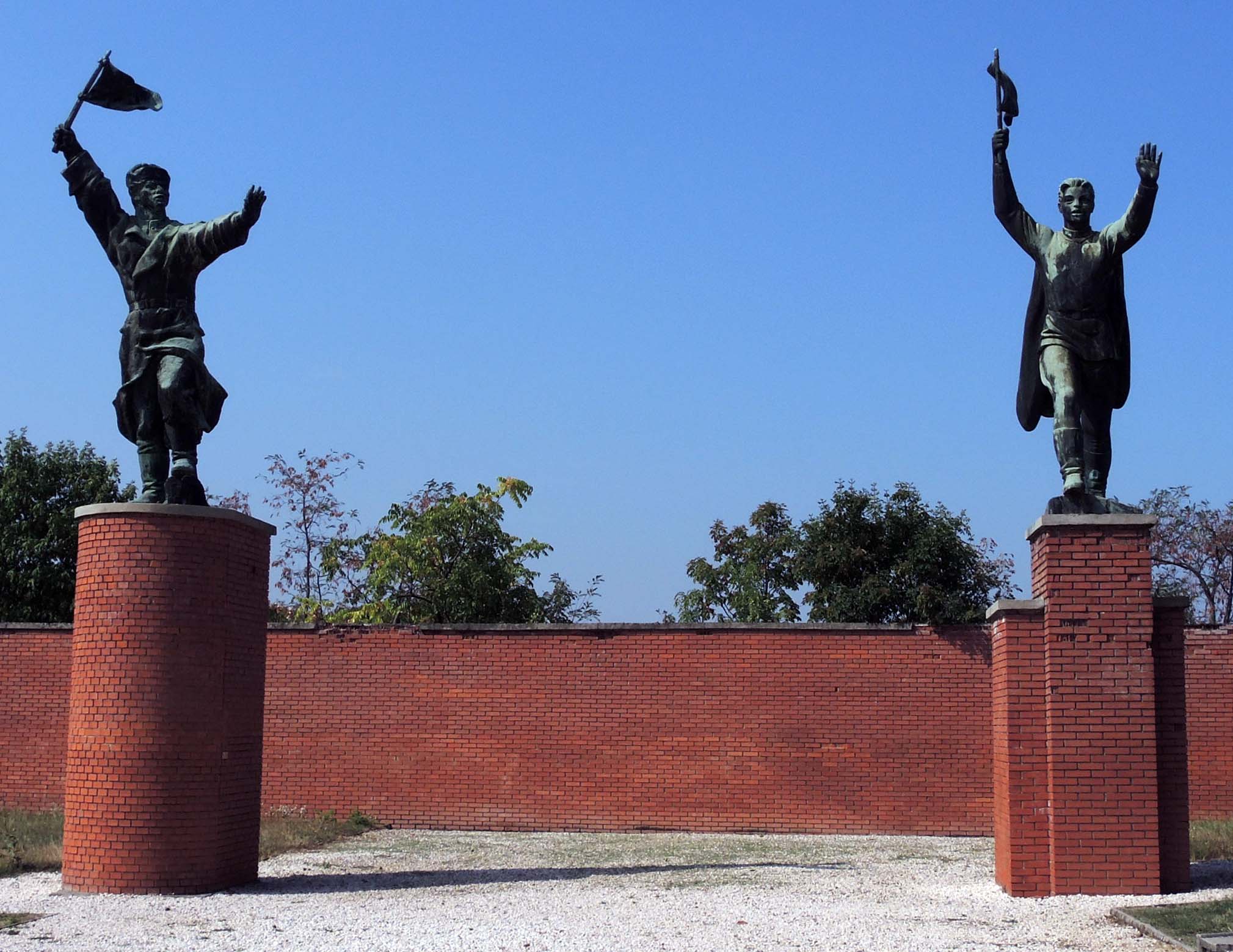
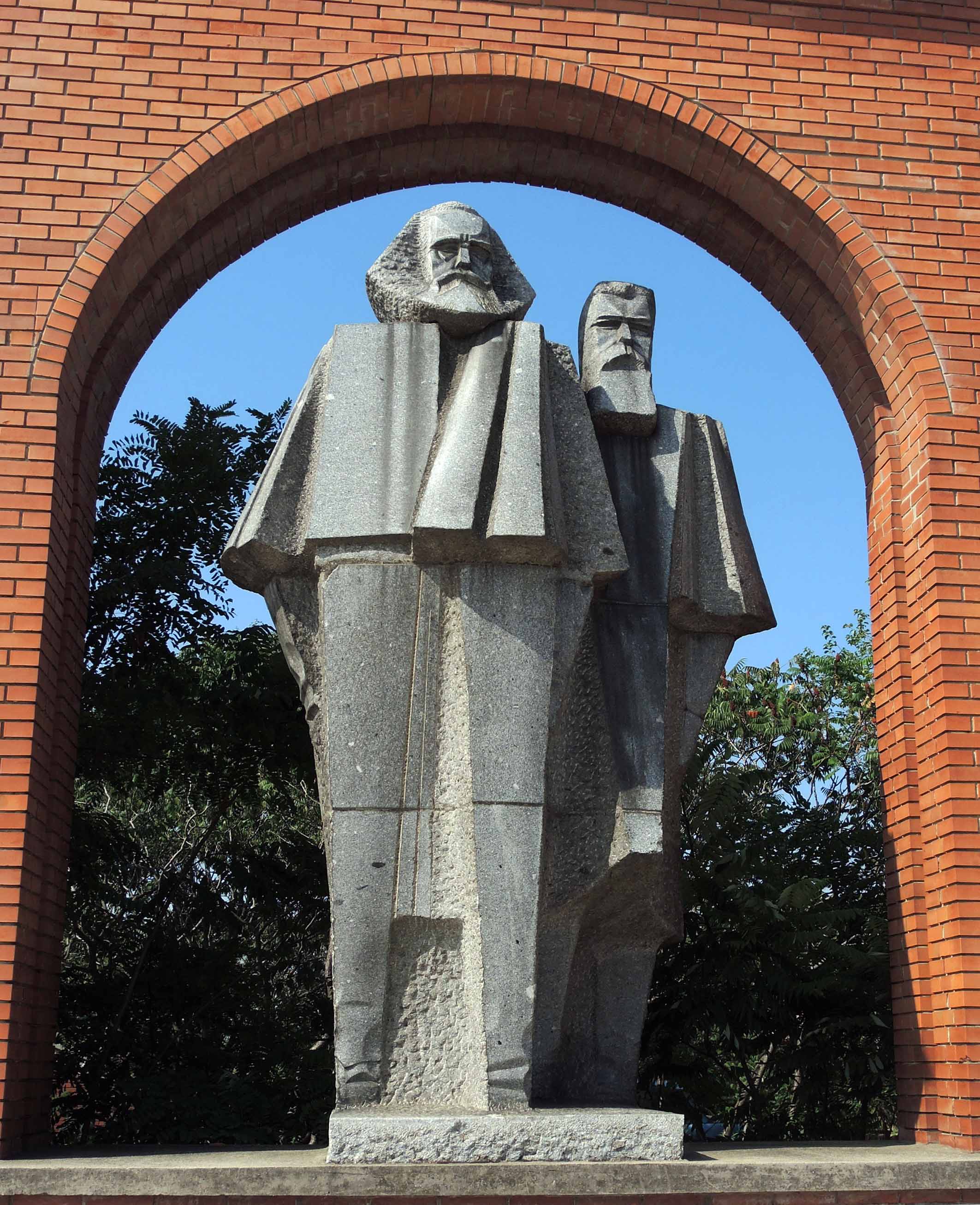
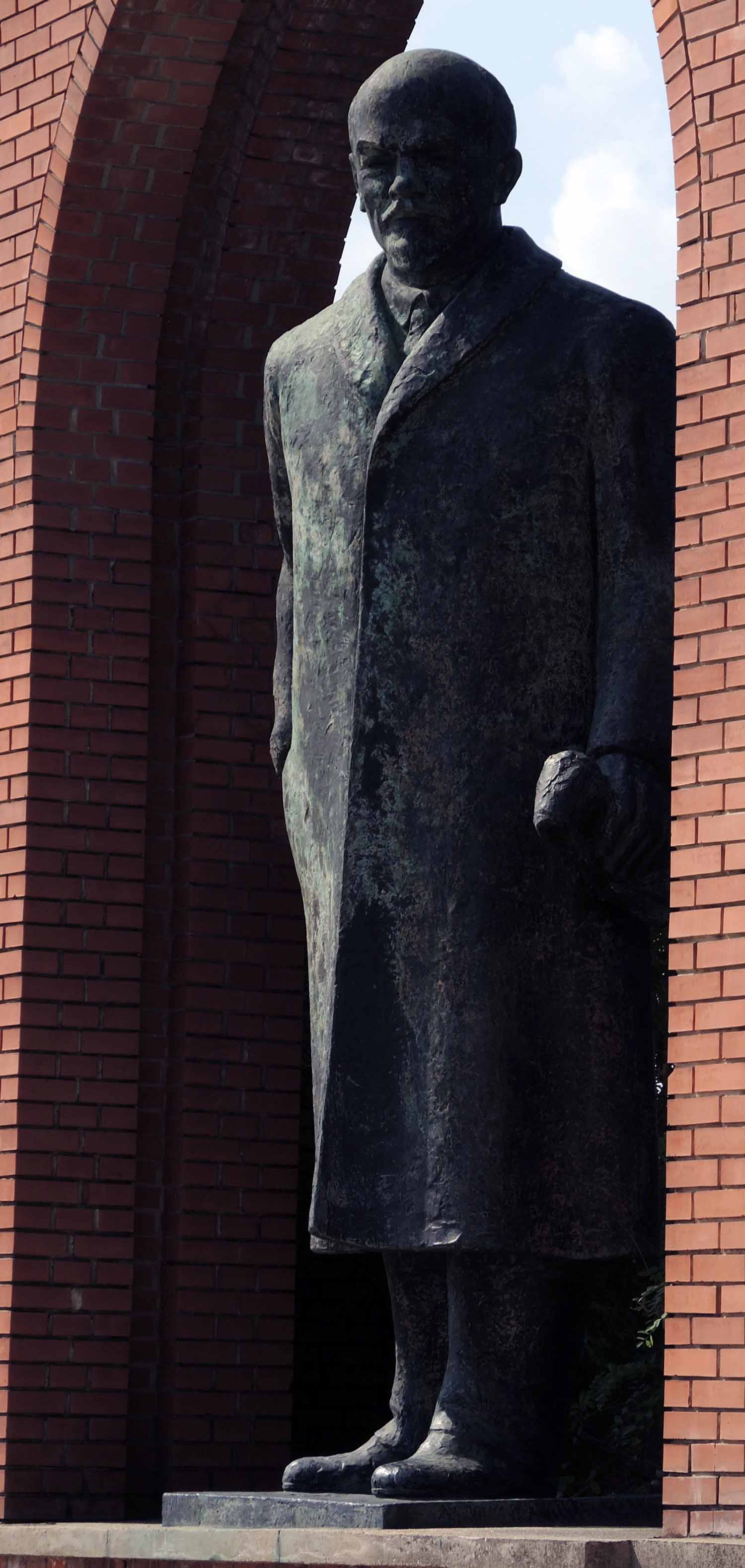
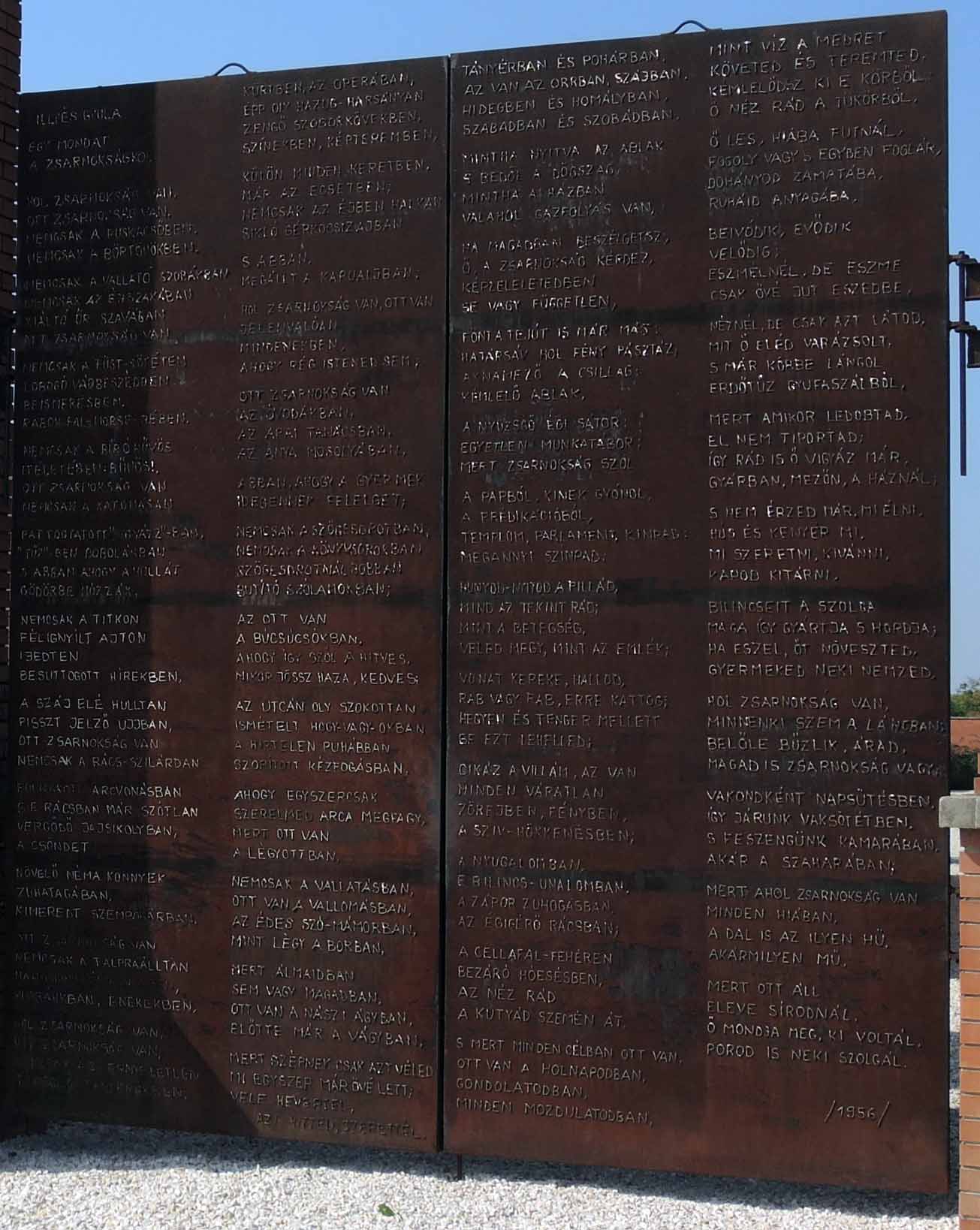

This portion of the park is designed to form a figure eight, which is the symbol for infinity in mathematics. The paths lead back to each other, which is meant to lead visitors back to the central path, or in essence, back to the one true and right road.
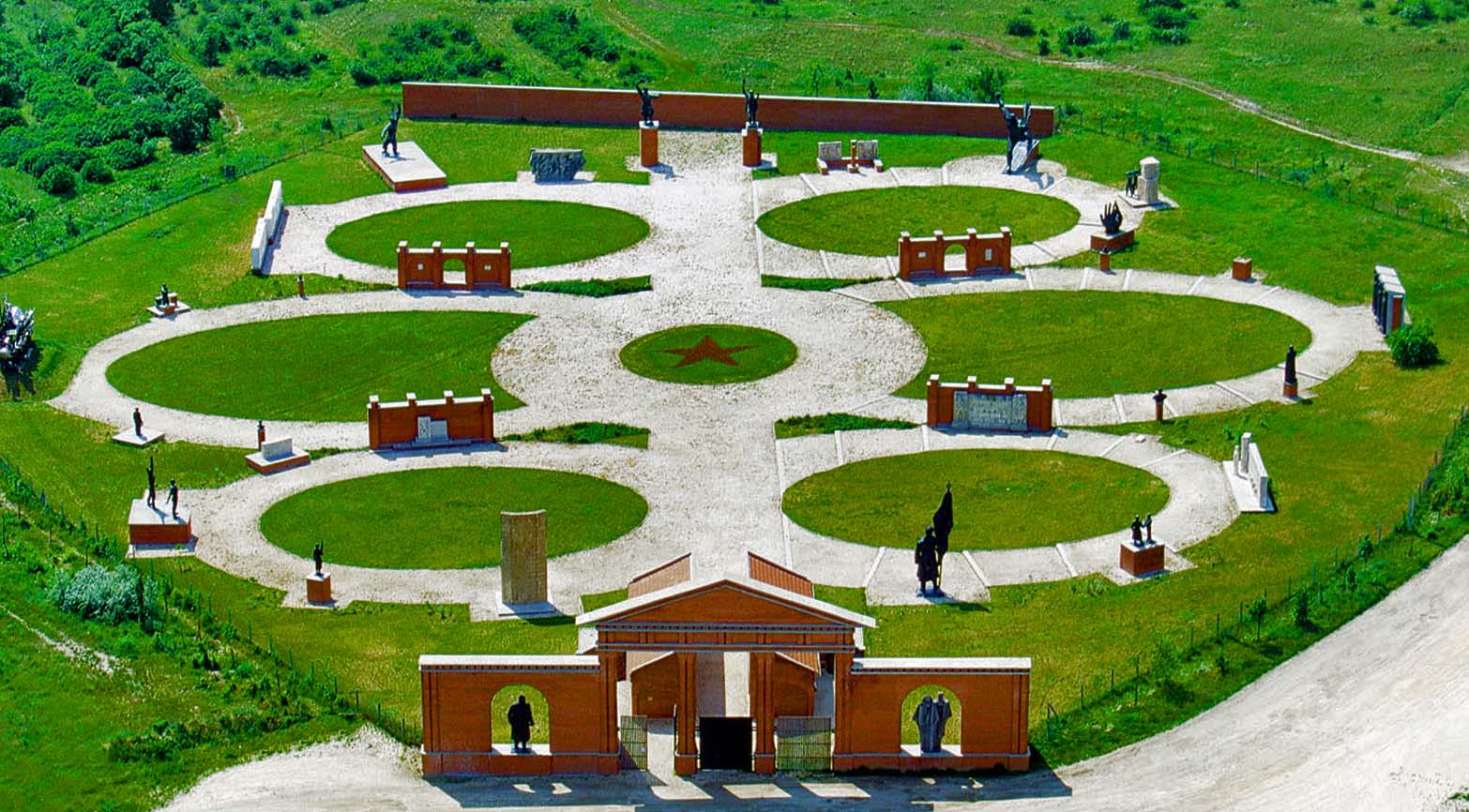
Every art piece in the park resonated with me, but a few made me pause. Thanks to the guidebook, I learned more about their history and significance, enriching my understanding of the park.
– The Liberating Soviet Soldier was designed to exude strength and authority as it symbolizes the act of taking control of a foreign land and asserting dominance. Originally, this striking statue was situated as a prominent feature of the Liberation Monument at the summit of Gellért Hill.
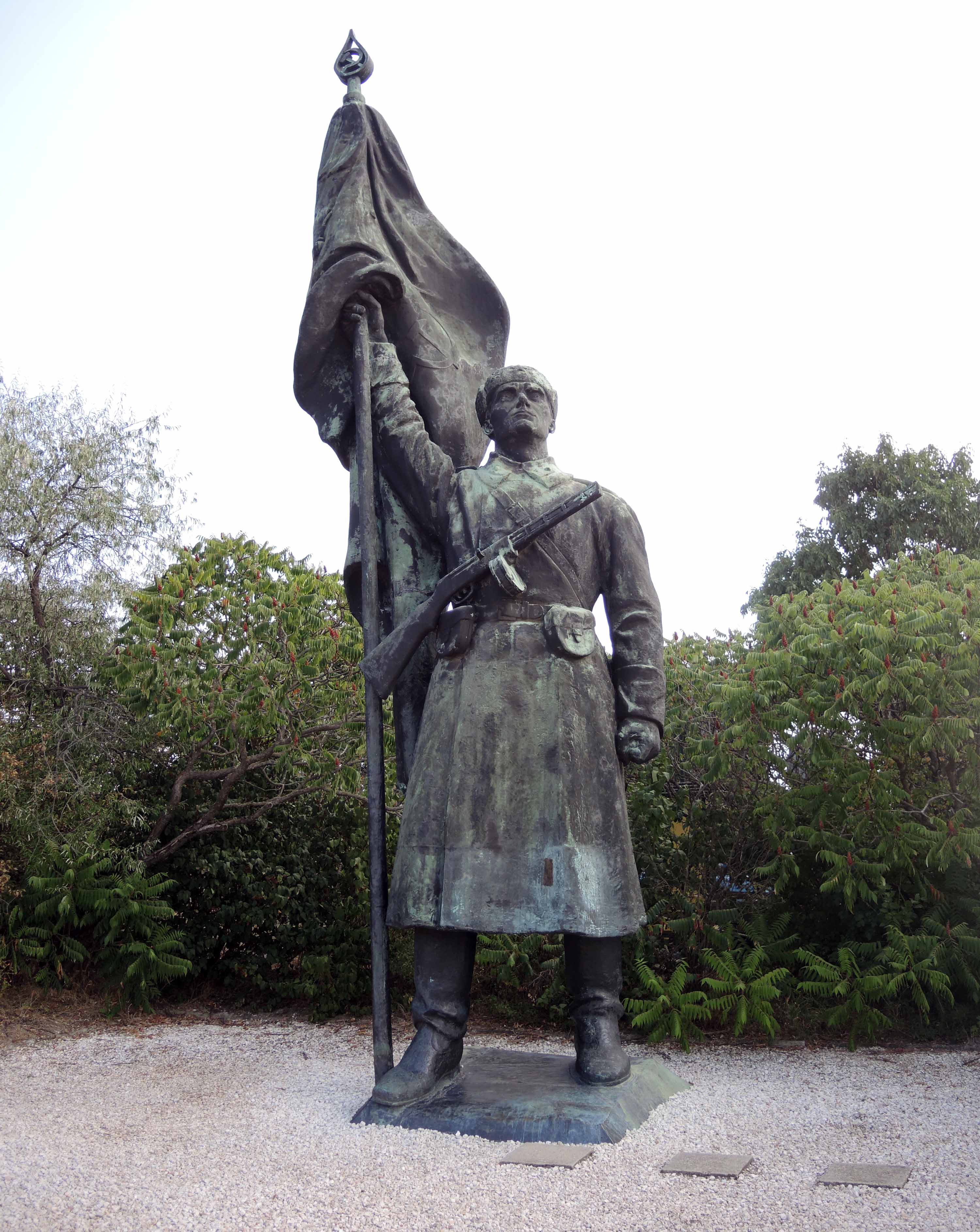
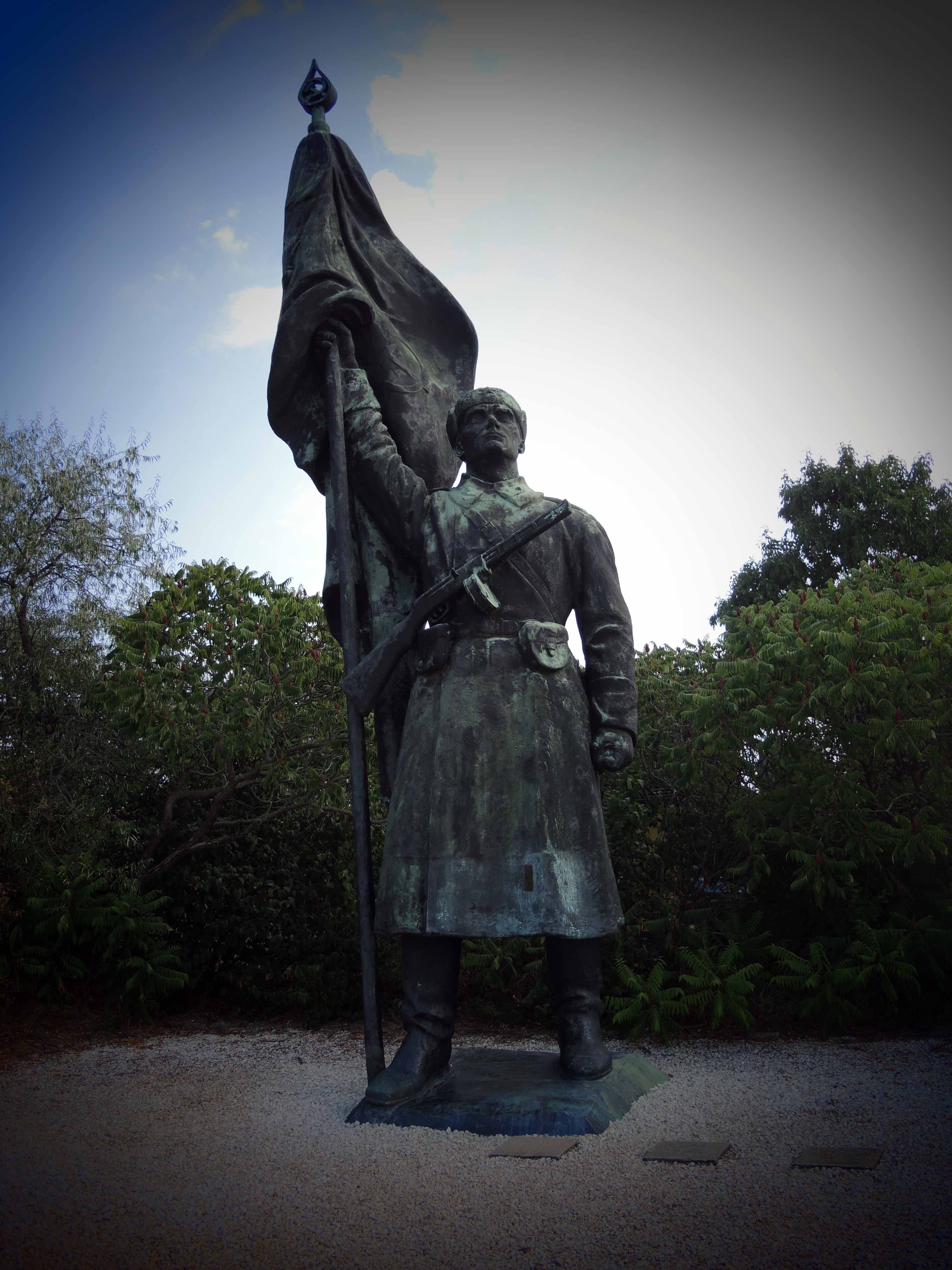
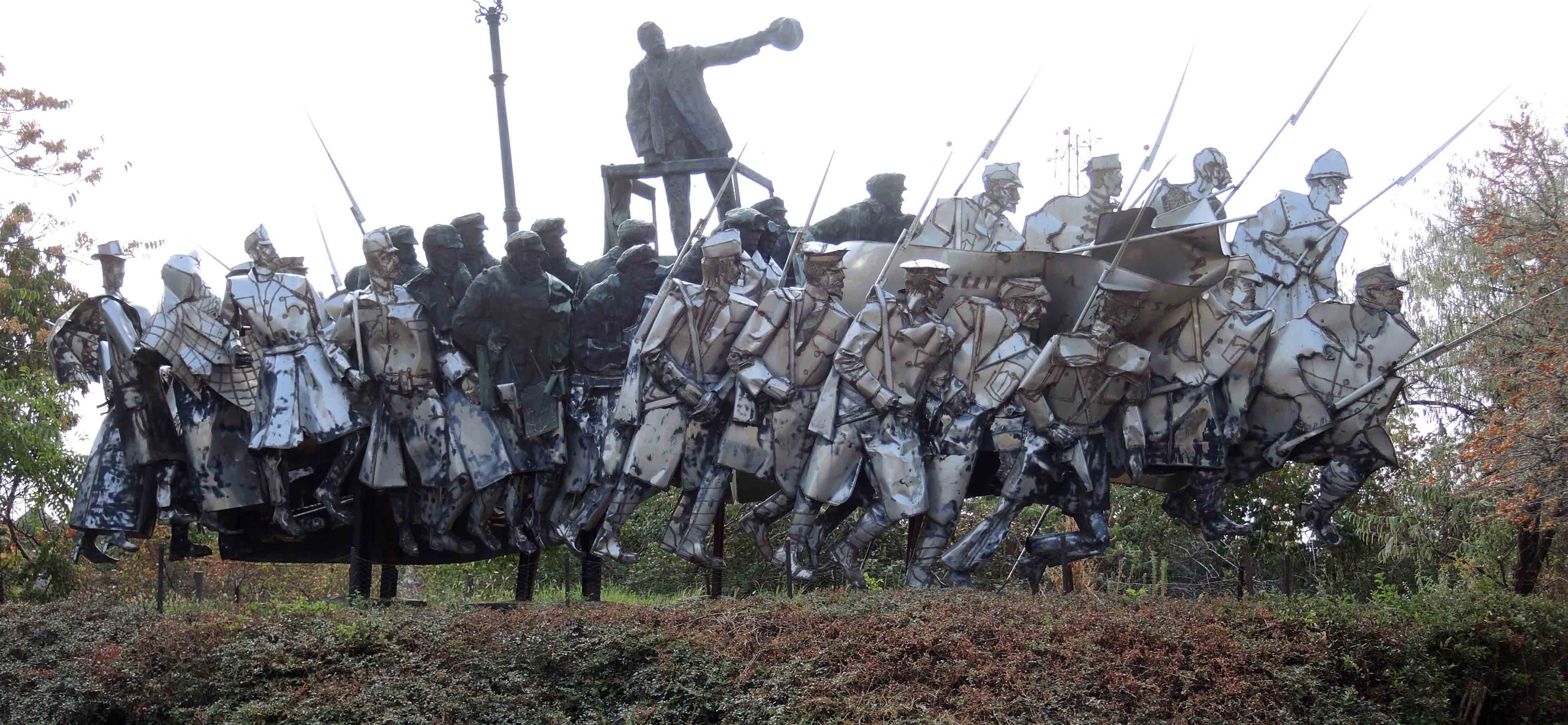
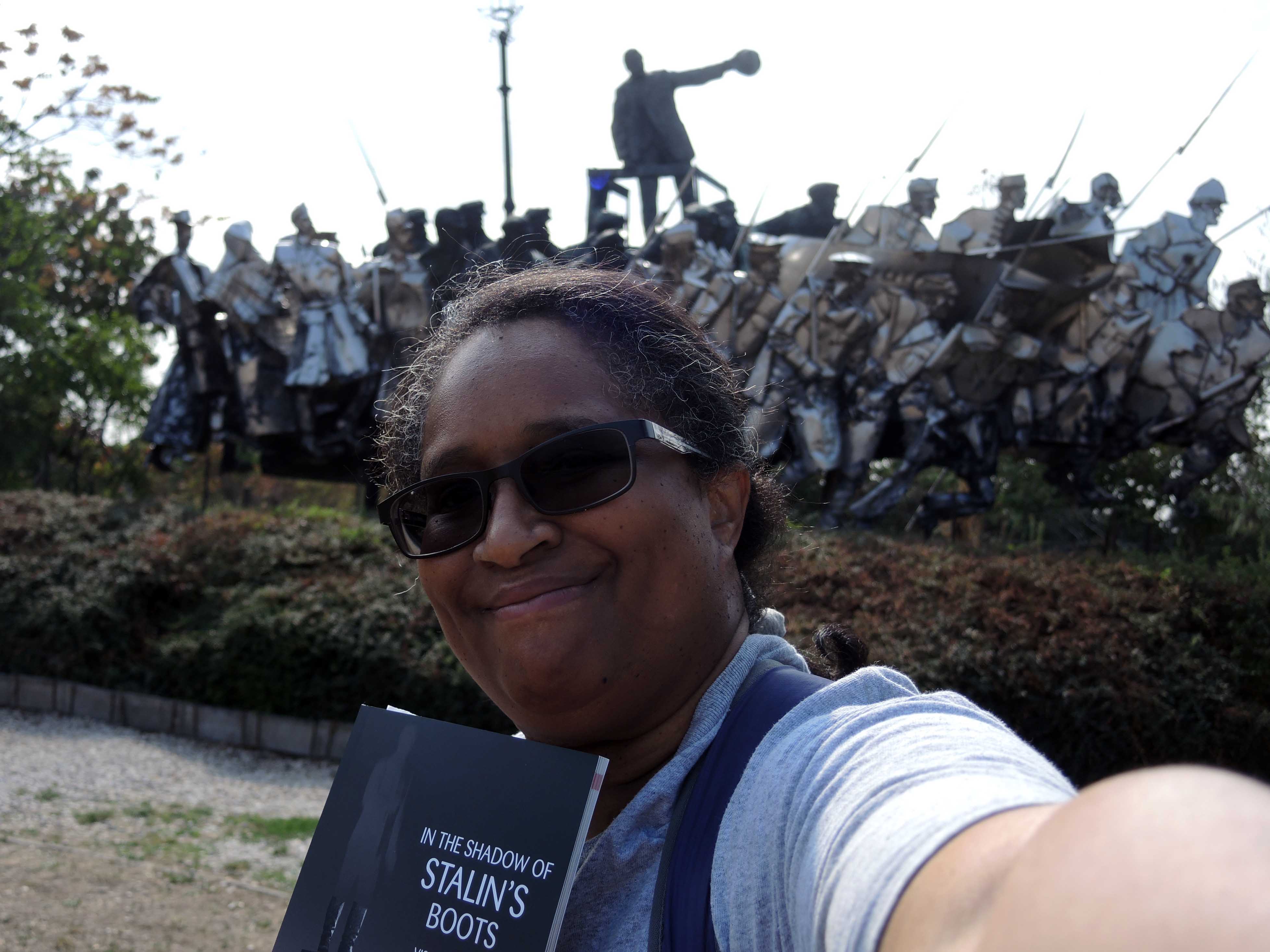
– The Béla Kun Memorial features Béla Kun towering over a group of people, showing them the way and leading the charge, while also waving his hat in farewell. Béla Kun was a Hungarian communist revolutionary and politician who governed the Hungarian Soviet Republic in 1919. His story, including his arrest, interrogation, trial, and possible execution during the Great Purge of the late 1930s, is a significant part of the historical context of this memorial.
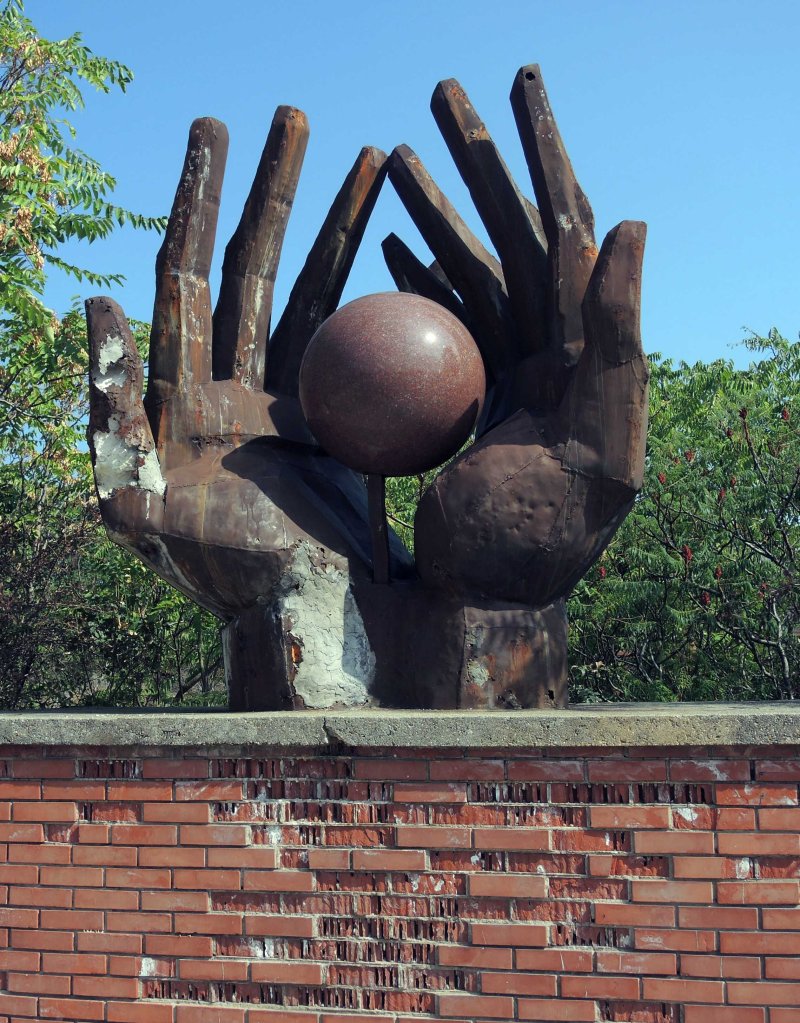
– Workers’ Movement Memorial features a ball encircled by two hands. As per the official interpretation, this sculpture symbolizes the ideal ideology of the workers’ movement, encapsulating the spirit and aspirations of the labor movement.
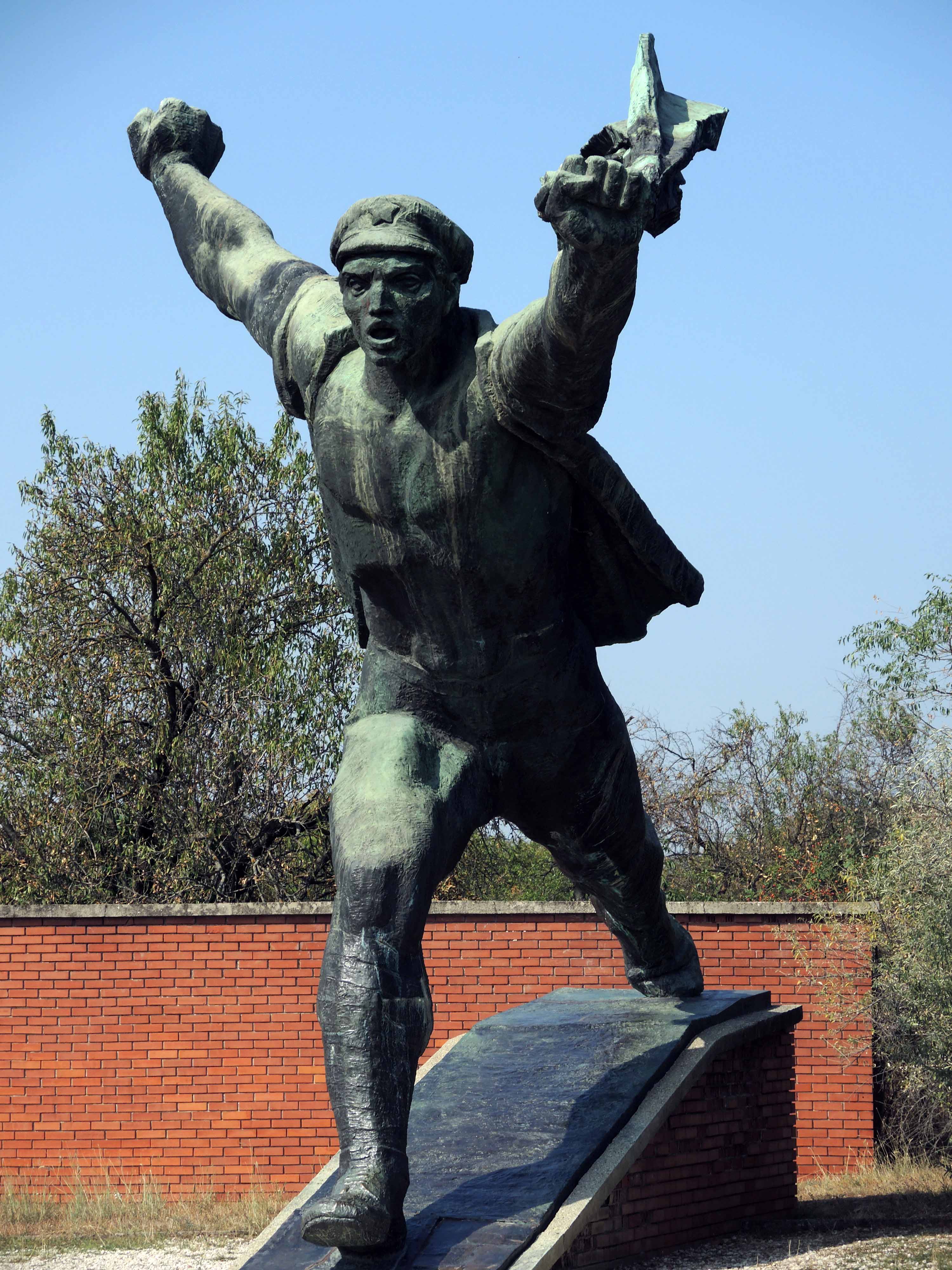
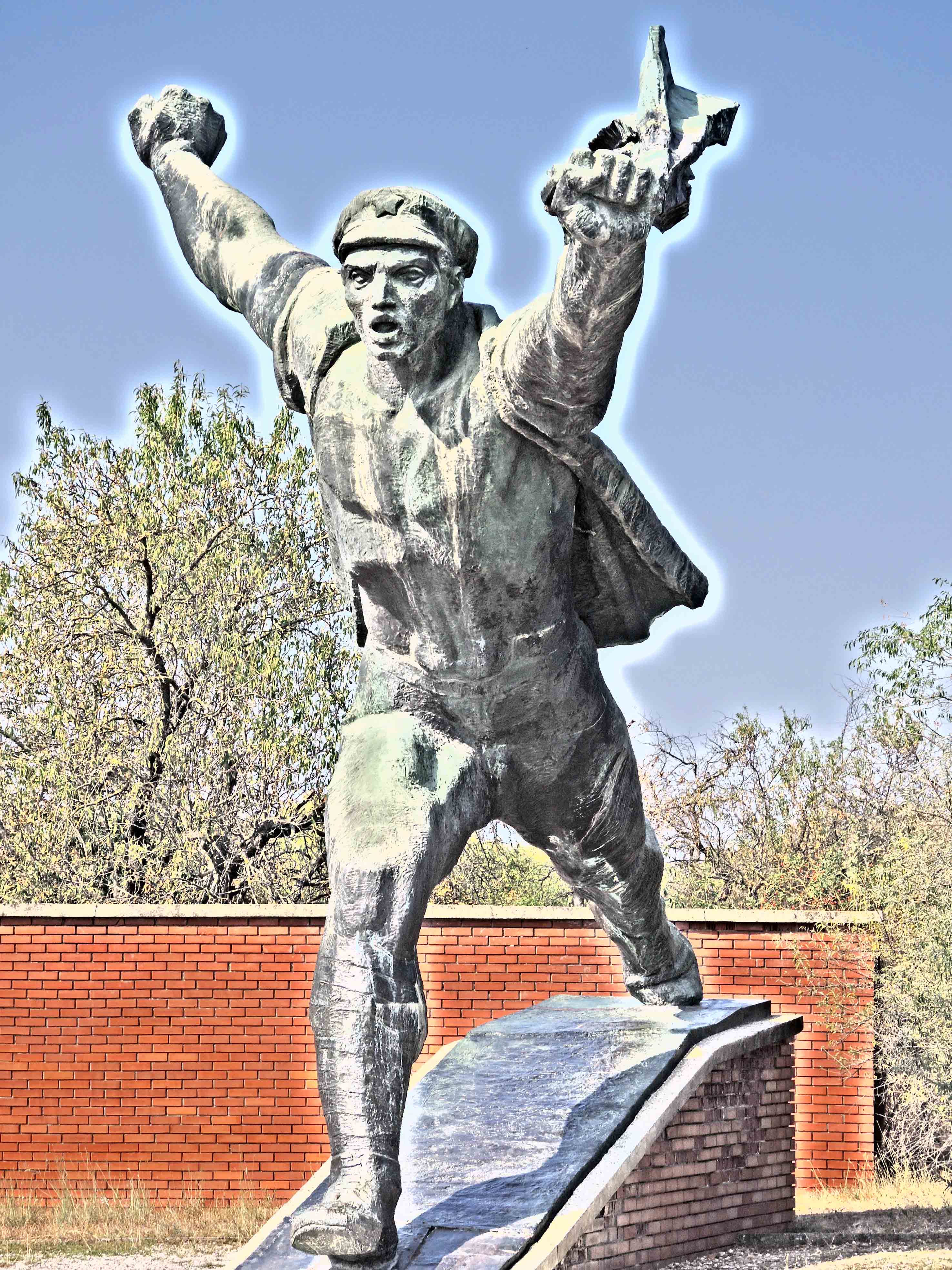
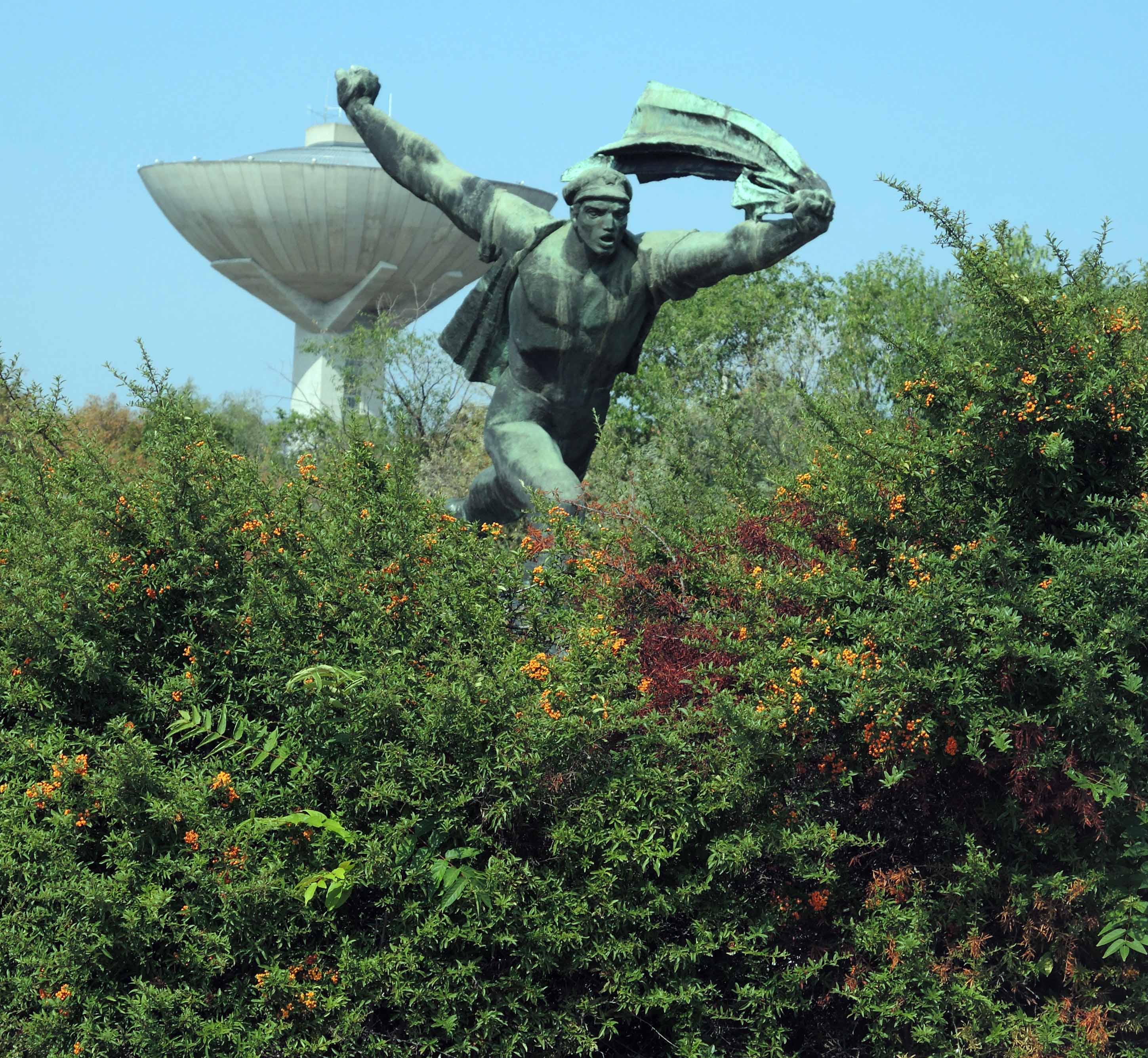
– The Monument to the Hungarian Socialist Republic depicts a powerful and dynamic scene of a man running with great intensity. He is shown gripping a banner with his fists thrust outward and letting out a passionate, full-throated scream.
“Witness Square”
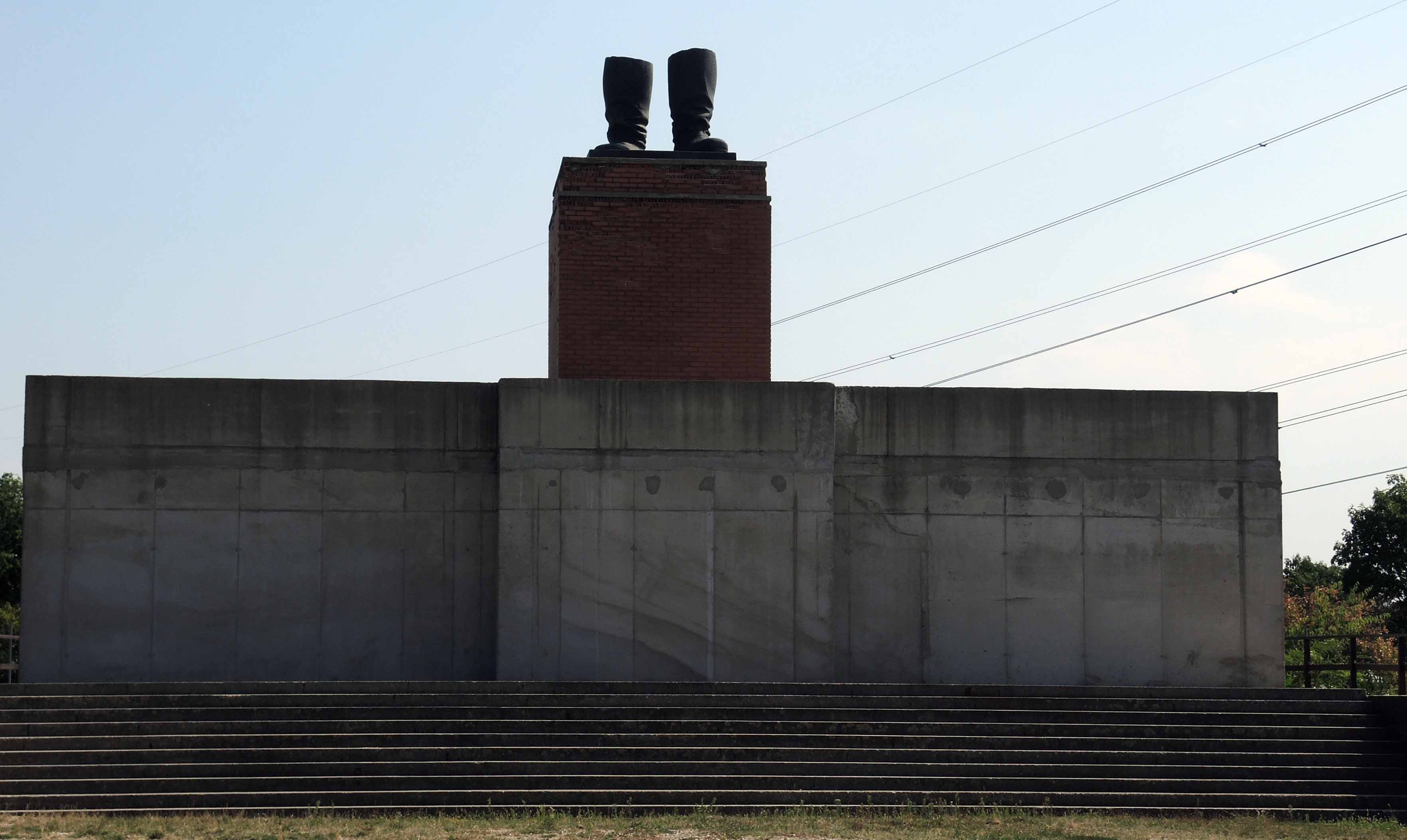
A towering pair of colossal boots perched atop a massive grandstand dominates “Witness Square,” the park’s second section.
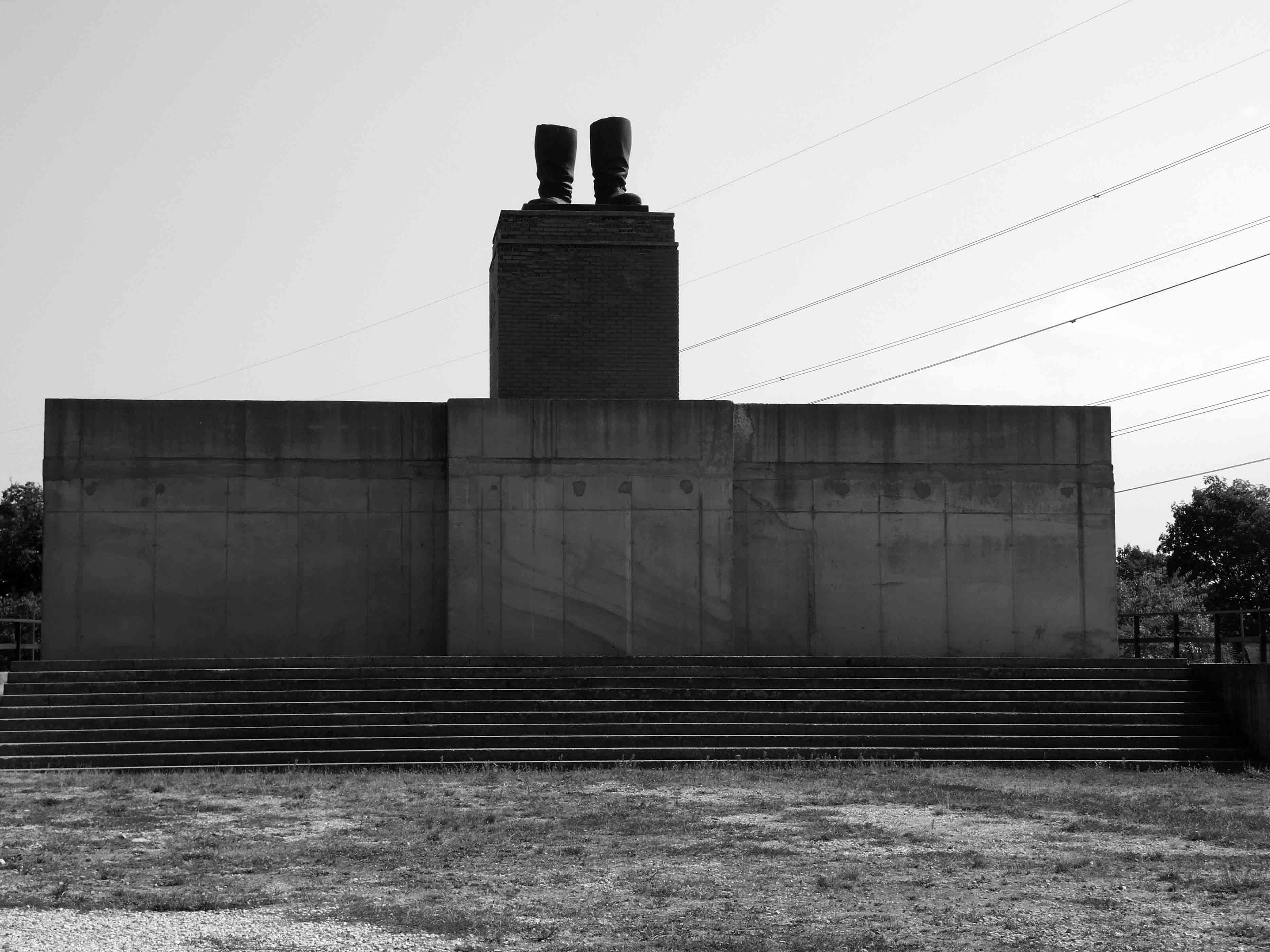
This is the Stalin Monument, or what remains of it. The 26-foot tall monument was a towering symbol of Joseph Stalin’s rule.
However, on October 23, 1956, during Hungary’s October Revolution, the monument was torn down by a crowd revolting against communist oppression. They cut the statue at its knees, leaving only the boots intact. These boots served as a bitter and sarcastic reminder of Stalin and the regime he represented.
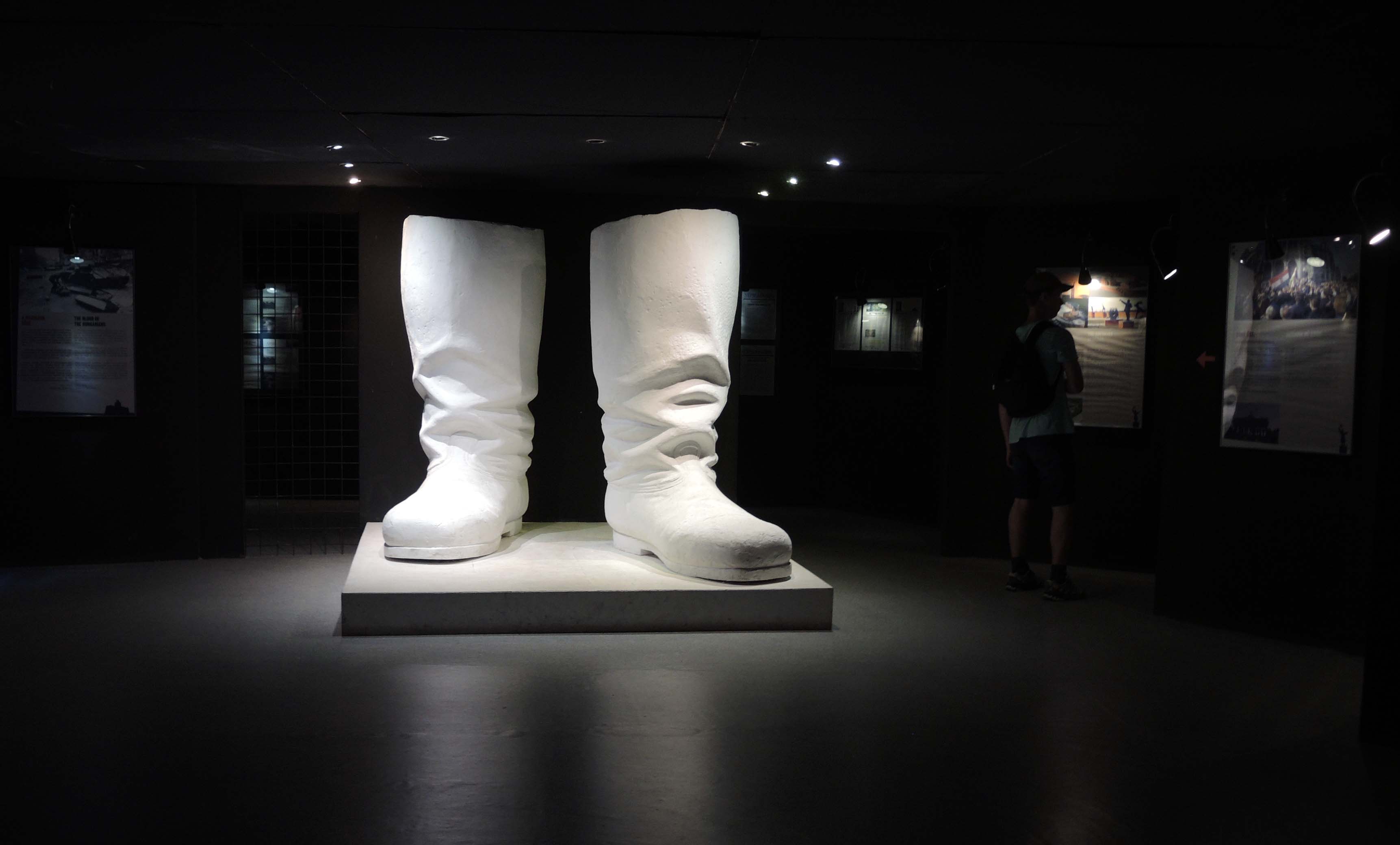
The barracks next to the grandstand host an engaging and educational exhibition that delves into the fall of the communist regime.
The exhibition provides a comprehensive and insightful exploration of this significant historical event, offering visitors a deeper understanding of the political and social changes during that period.
During my visit, I took the opportunity to explore the fascinating Barrack Cinema. Here, visitors can watch a collection of training videos used by the Ministry of Interior Affairs to train secret police agents. These short films, spanning from 1958 to 1988, offered a unique glimpse into the training and instruction methods used to prepare secret agents and spies to uphold “law and order.”
The film is divided into four 10 to 15-minute sections:
1. The way to hide bugs
2. Introduction to house-searching
3. Methods of recruitment
4. Effective networking
What an eye-opener!
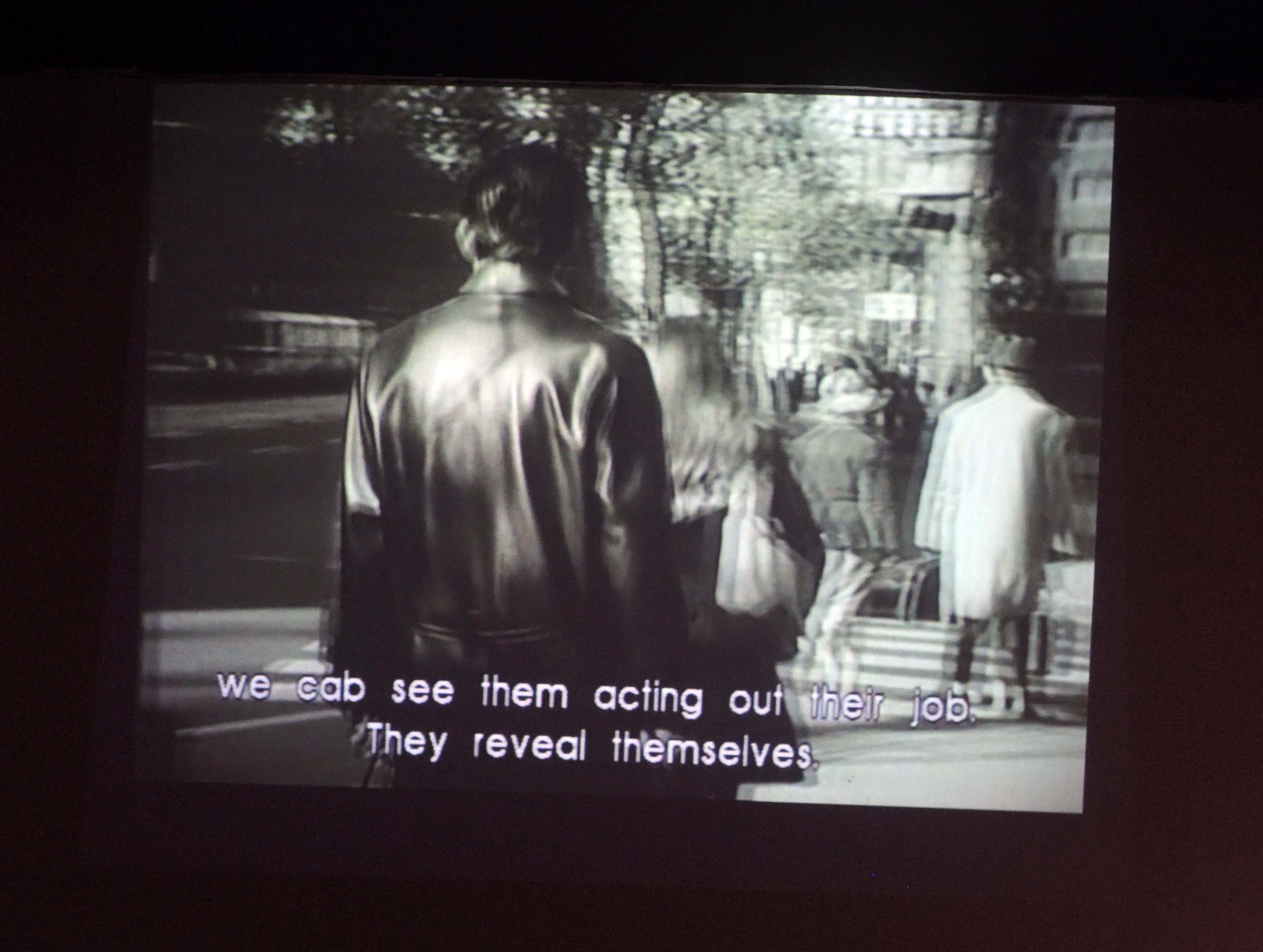
The series of videos provided a detailed and compelling look into an operation previously concealed from the public eye. I was amazed and gained a deeper understanding of the intricacies involved in this once-covert endeavor.
Spending about two hours at the park was truly worth every minute. I made sure to capture the essence of the park with a few additional photos, wanting to preserve the memories of its serene surroundings. Afterward, I called for an Uber Taxi to take me to my next destination, feeling genuinely satisfied with my time in the park.
The experience at Memento Park surpassed mere visitation; it offered an exceptional educational journey. The park’s captivating concept piqued my interest, but it was the rich historical narrative that truly made it an incomparable experience.
SHOES ON THE DANUBE BANK
After returning to the hotel to freshen up and replenishing my energy, I took the metro over to the Pest side of the Danube Promenade to see the Shoes on the Danube Bank.
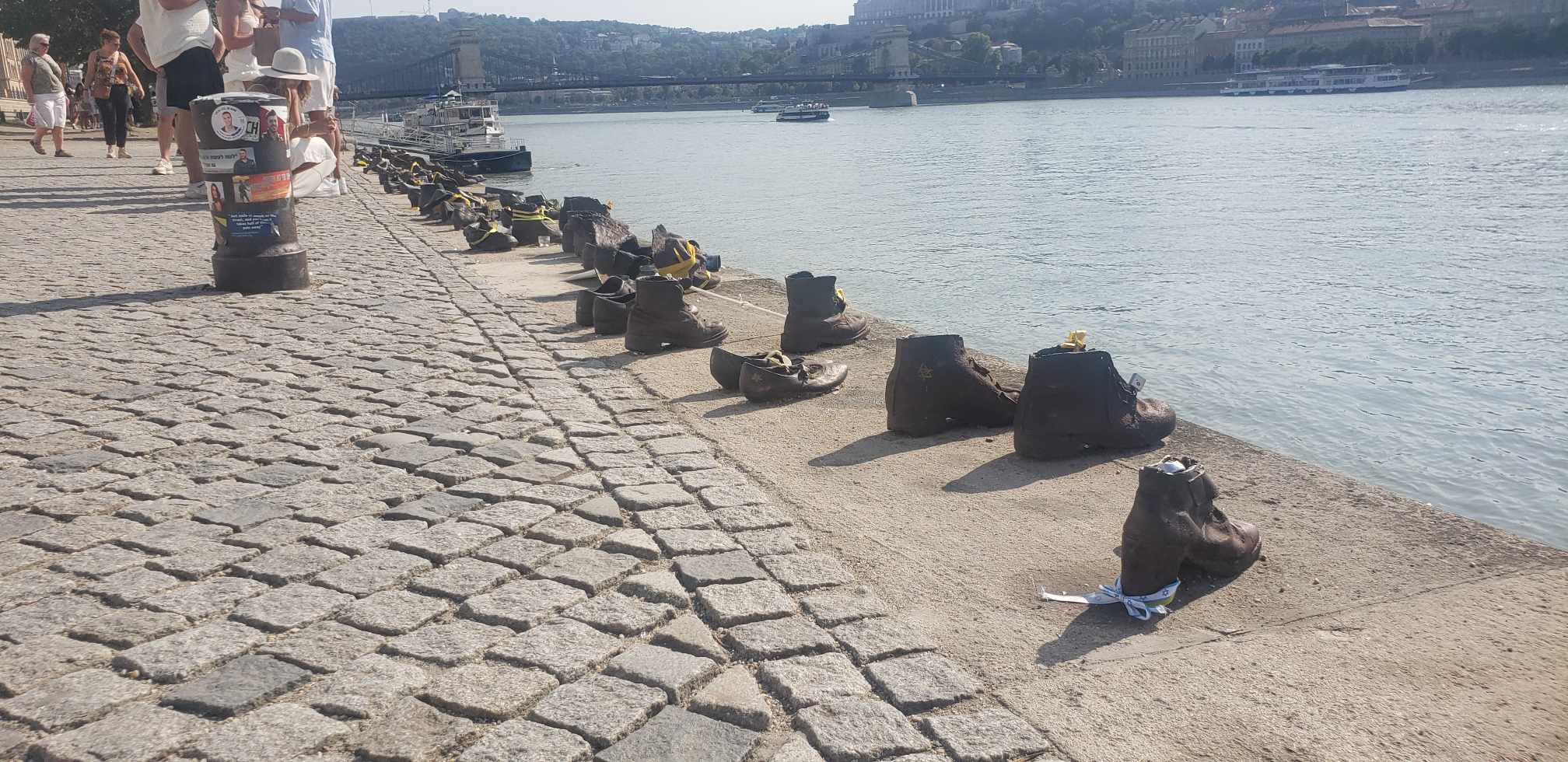
The haunting sight of these iron shoes laid in a solemn line serves as a chilling reminder of the multitudes who met a tragic fate along the Danube river during the dark days of World War II.
The memorial was erected in April 2005 in honor of individuals massacred by the Arrow Cross Party militia. The victims were forced to remove their shoes at gunpoint, as shoes were a valuable commodity during World War II, before being shot without mercy and falling over the edge into the river.
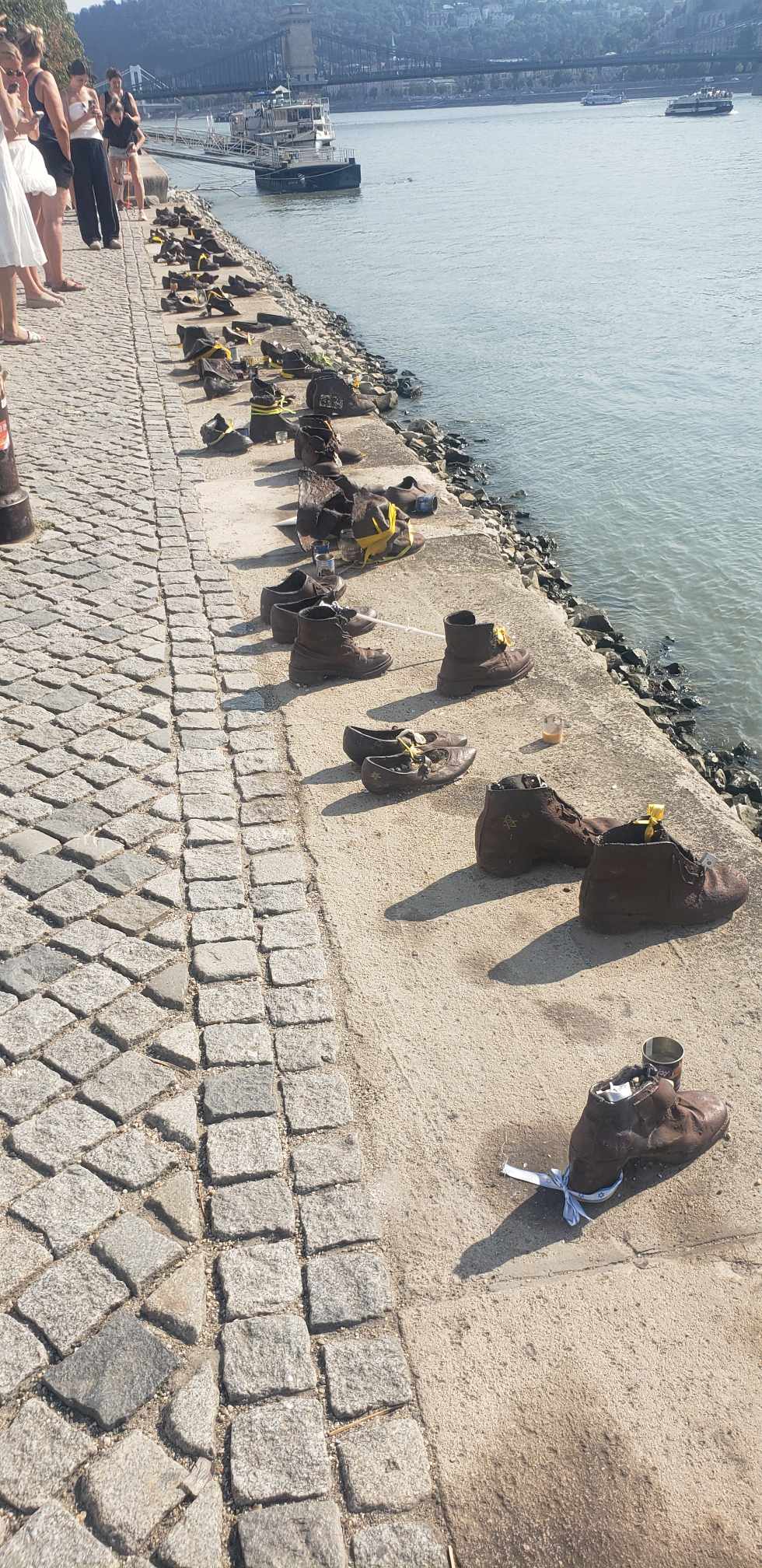
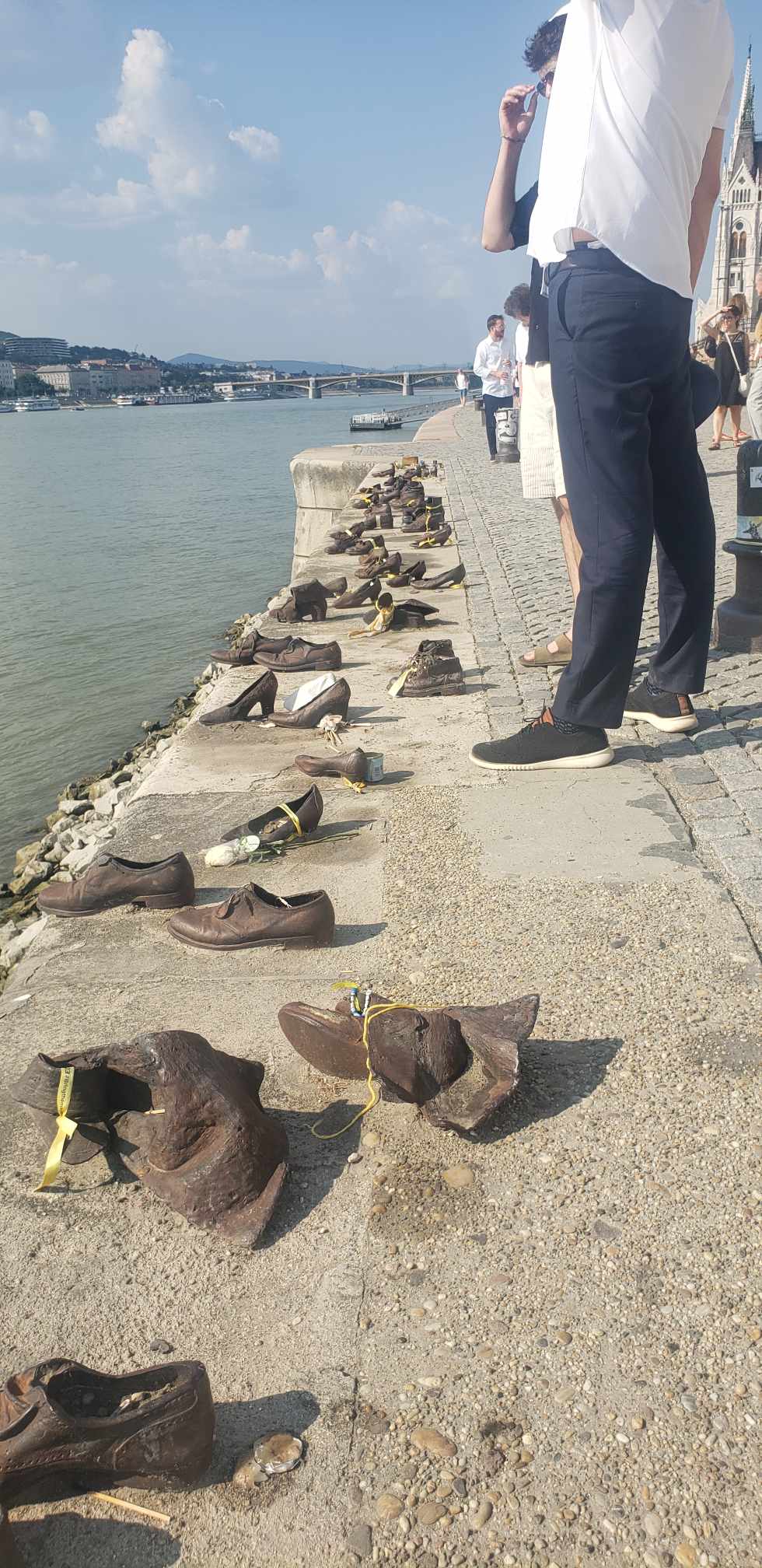
The style of footwear was chosen specifically to illustrate that no one, regardless of age, gender, or occupation, was spared.
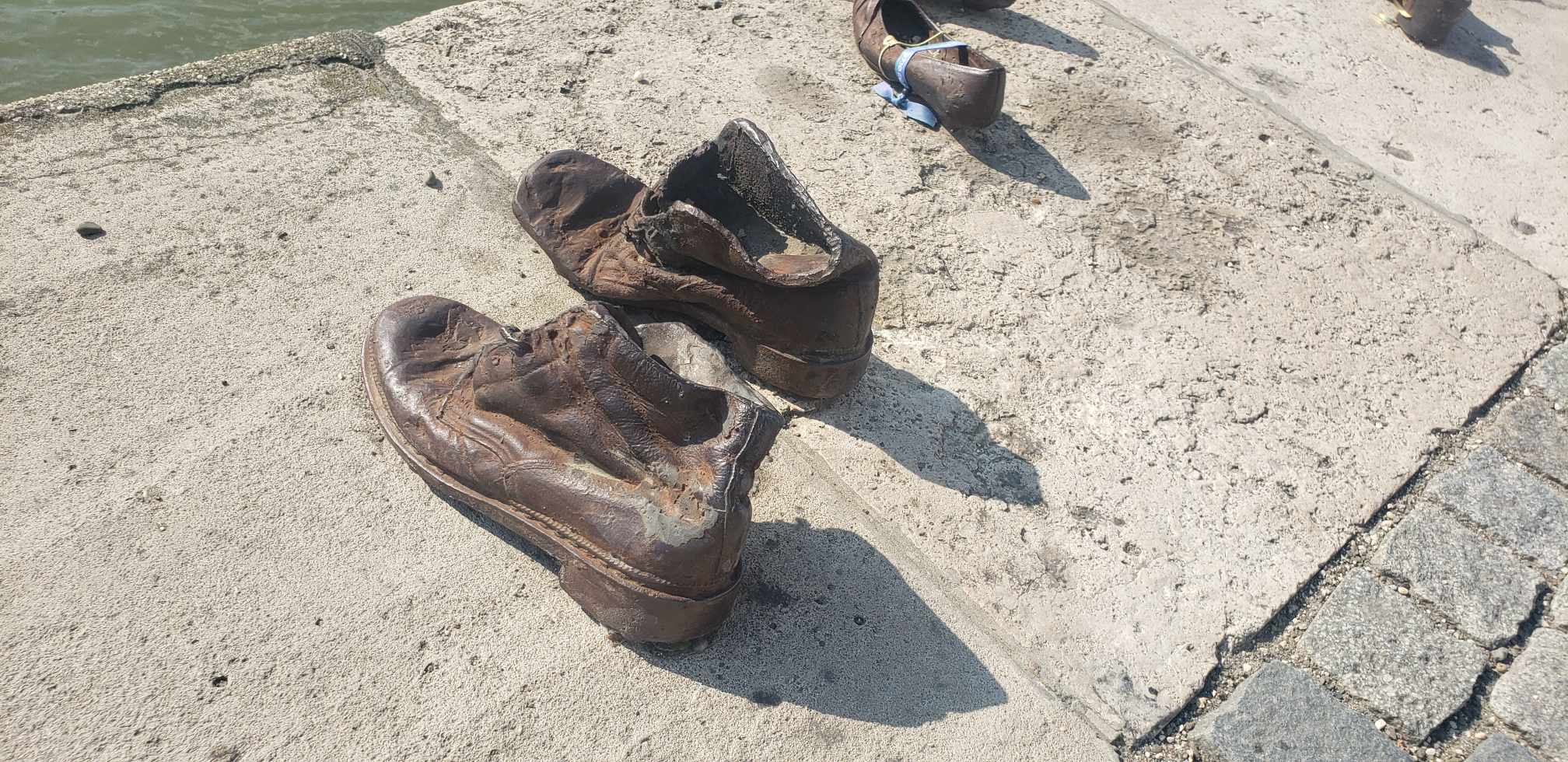
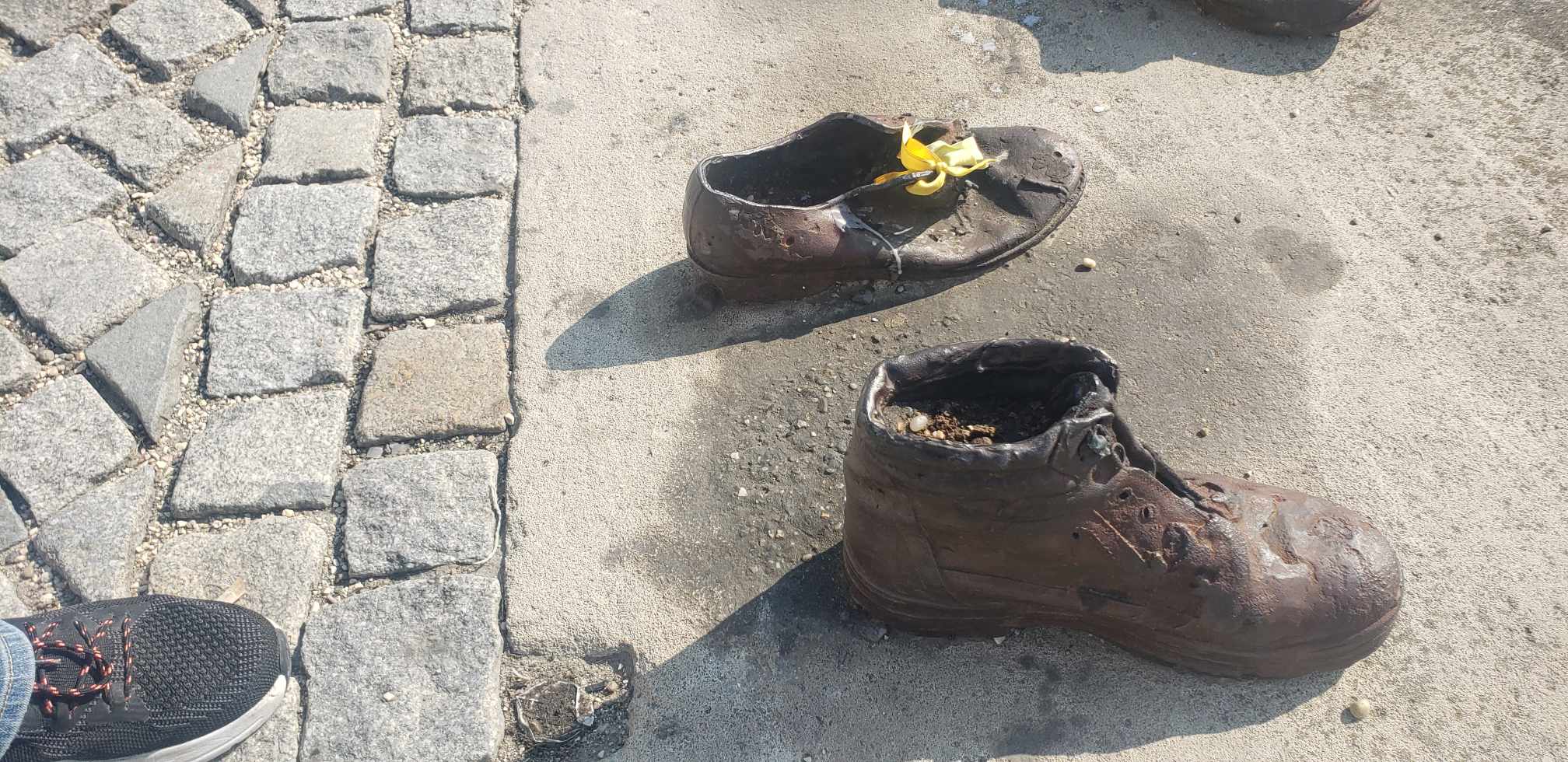
At three points along the memorial are cast iron signs with the following text in Hungarian, English, and Hebrew:
“To the memory of the victims shot into the Danube by Arrow Cross militiamen in 1944–45. Erected 16 April 2005.”
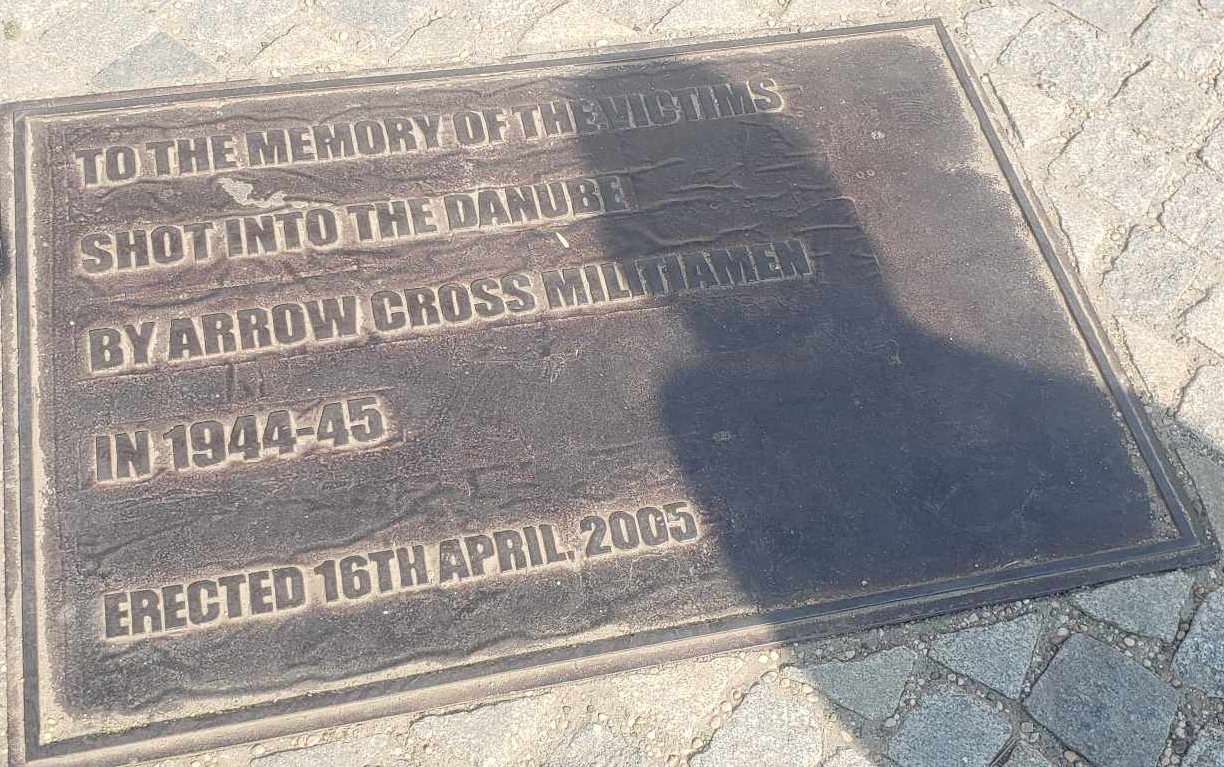
The timeless and understated memorial stands as a solemn tribute, serving as a chilling reminder of the unimaginable horrors that were endured in days long past.
DAY 3: TO BE CONTINUED
I took a leisurely stroll along the bustling promenade, savoring the atmosphere and observing the local life.
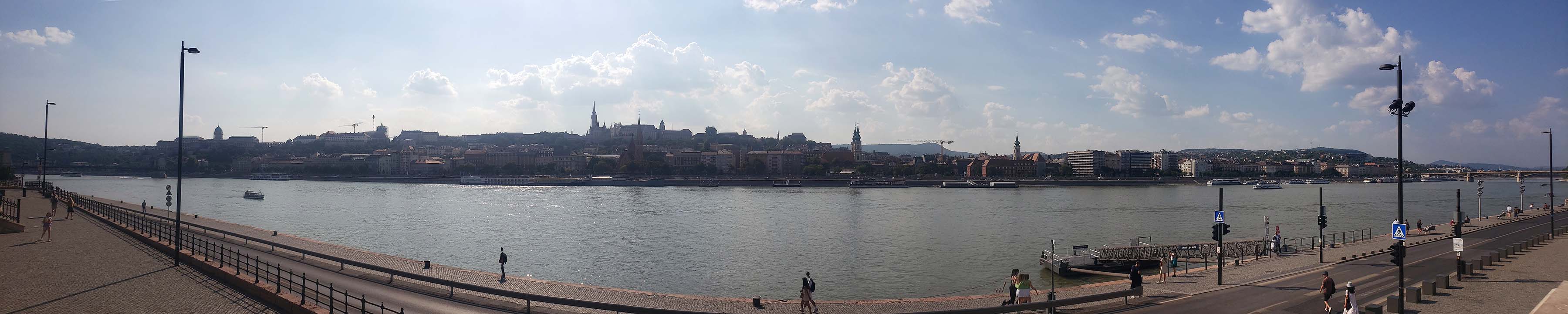
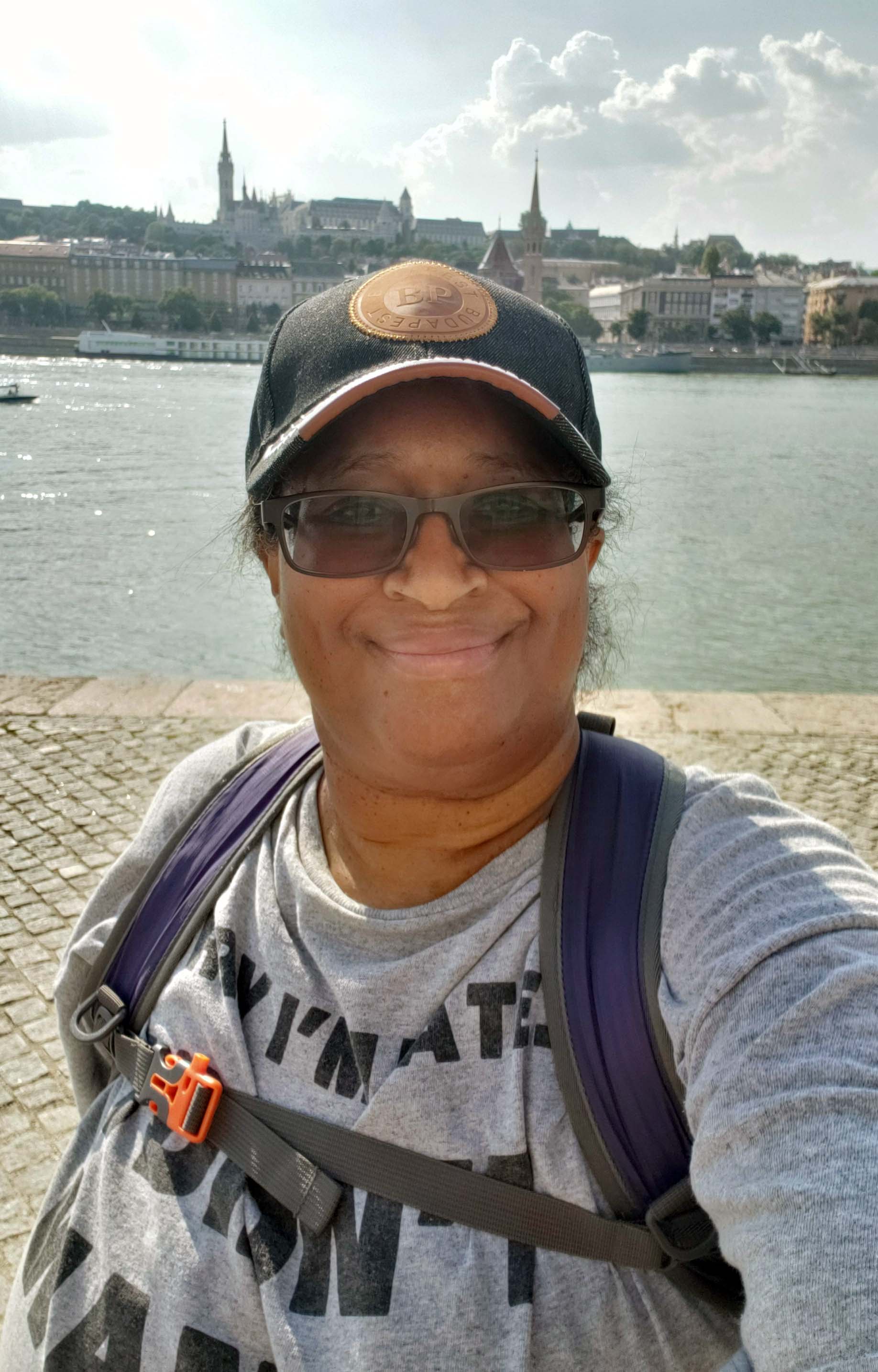
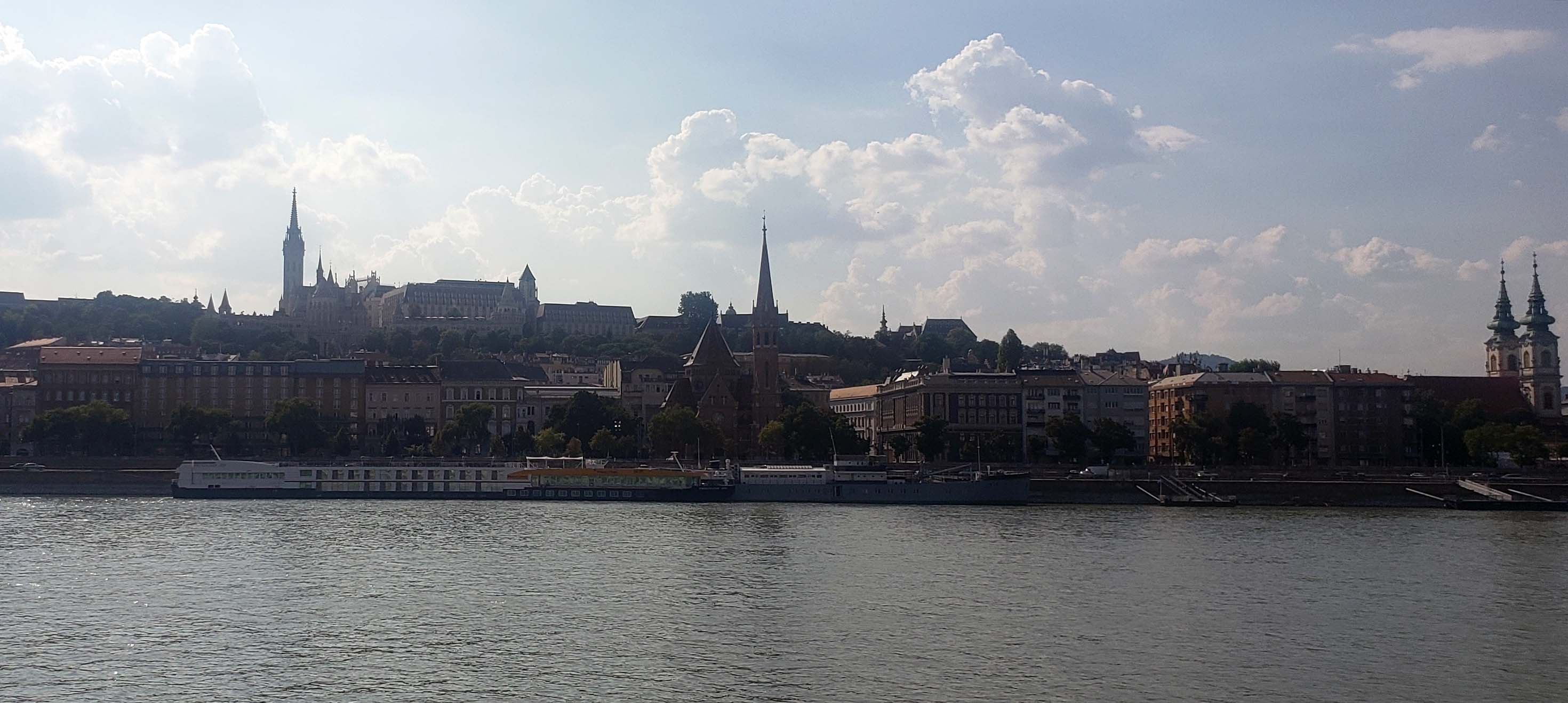
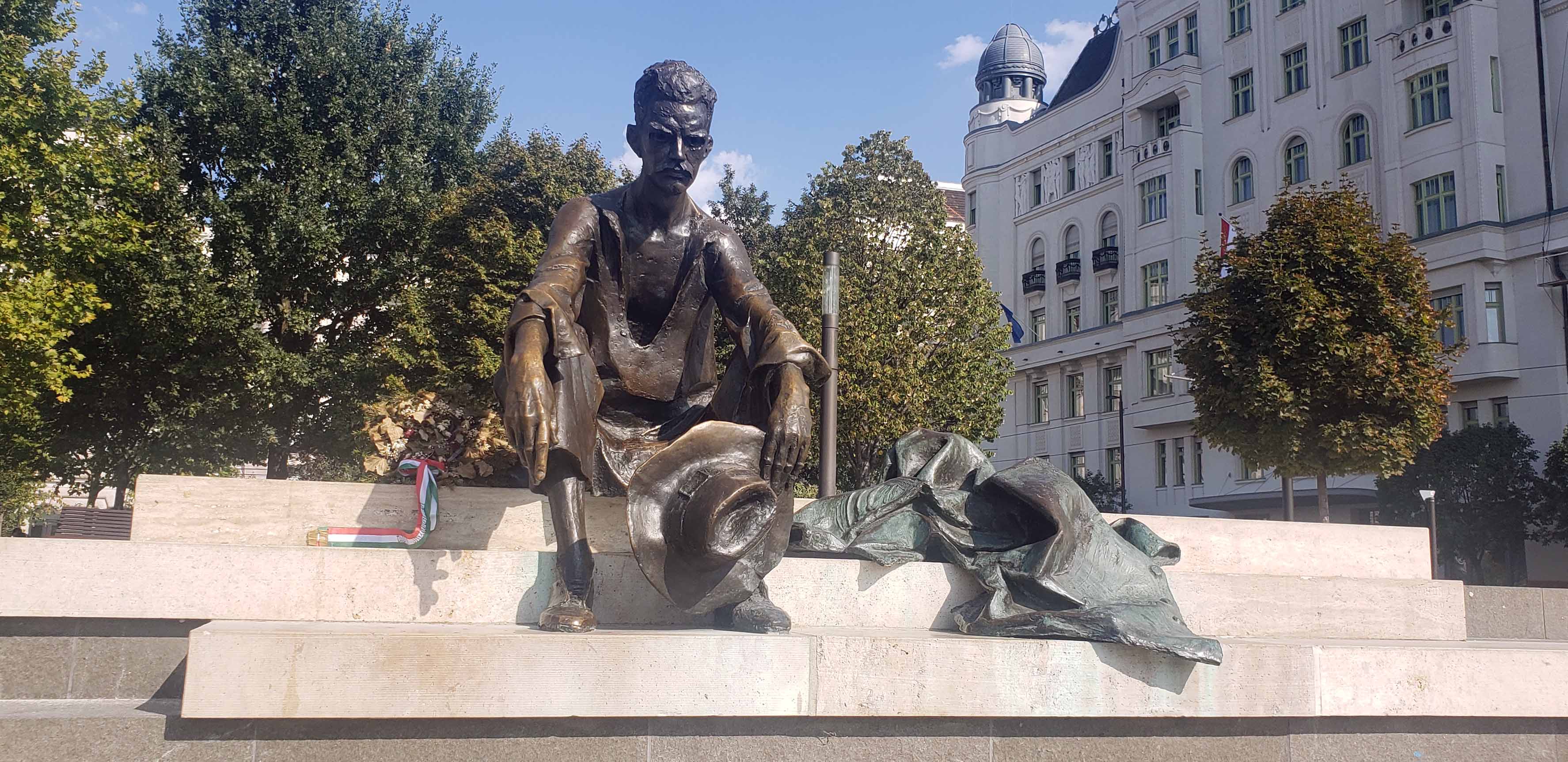
After immersing myself in the vibrant surroundings, I made my way to the metro station for the journey back to the hotel.
Reflecting on the day’s experiences, I found both Memento Park and the Shoes on the Danube Bank to be deeply meaningful and enlightening. Each site offered a powerful glimpse into history and culture, leaving a profound impact on me.
However, my journey through time continued as I had the opportunity to explore a fascinating museum that offered a unique insight into Budapest’s vibrant commerce and hospitality history. The visit was a highlight I had been eagerly anticipating, as I wanted to immerse myself in the rich cultural heritage of the city and gain a deeper appreciation for its past.


One comment