
My Day 3 journey through time continued with a visit a one-of-a-kind museum.
After my captivating visit to Memento Park, I took an Uber Taxi to the Hungarian Museum of Commerce and Hospitality to examine more of Budapest’s history and culture.
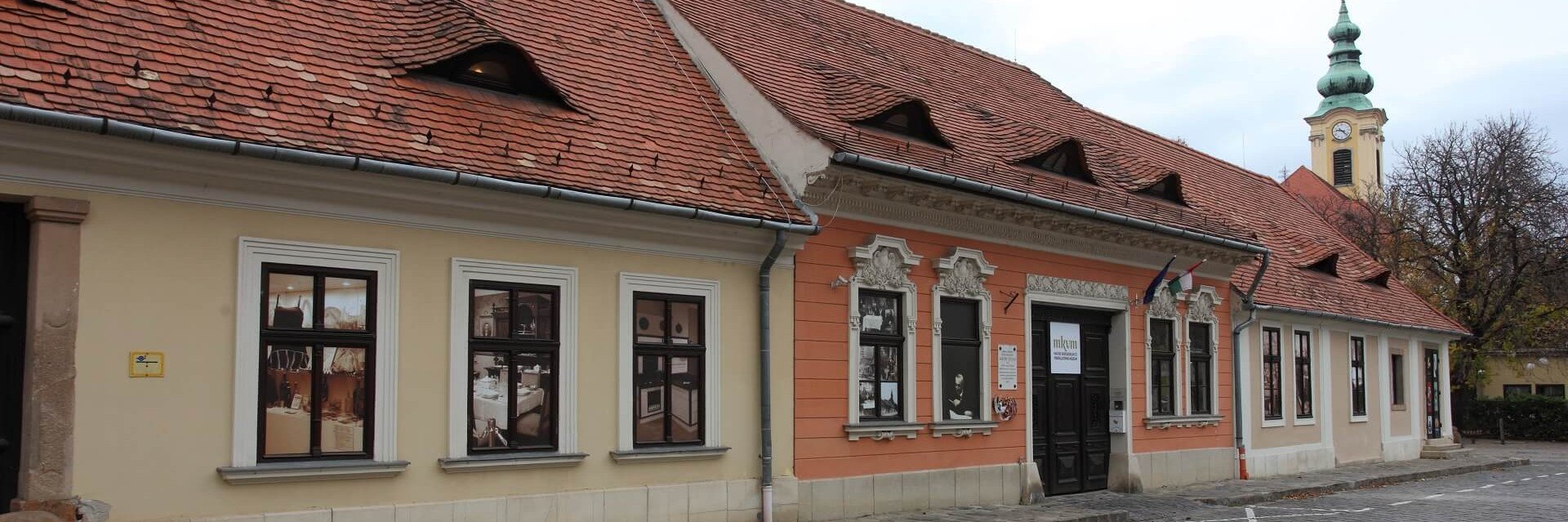

This Hidden Gem, also known as the Hungarian Museum of Trade and Tourism, offers a comprehensive narrative about Budapest’s commerce, trade, catering and hospitality industries during the last two centuries, particularly the significant transformations following World War II.
This museum’s unique insight left me feeling enlightened and more knowledgeable about the city’s history and culture.
Additionally, it presented a compelling view into the daily lives and experiences of diverse professionals, ranging from pastry chefs and tavern owners to hotel proprietors and launderers.
As an added treat, upstairs, I explored the thought-provoking temporary exhibition on the history of Goulash.
The museum’s fascinating portrayal of how the worlds of gastronomy, trade, tourism, and culture interact with scientific, educational, and general educational endeavors throughout history makes the museum a must-visit for those interested in the interconnectedness of these fields.
Entry to the museum is included with the Budapest Card, making it an incredibly affordable and worthwhile experience for all. Even without the card, the $ 9 entry fee is a small price to pay for the wealth of knowledge and insight you’ll gain.
A Good Merchant is the Benefactor of the World

I received my ticket and stored my travel backpack in the locker. As I ventured into the first room, an eerie silence enveloped the entire museum. I realized I was the sole visitor at the time. Although it felt a bit strange, I appreciated the solitude because I could take my time to carefully ponder each exhibit without any distractions.
The ‘A Good Merchant is the Benefactor of the World’ exhibit provided an immersive and in-depth exploration of the evolution and historical significance of Hungarian trade over a span of two centuries.


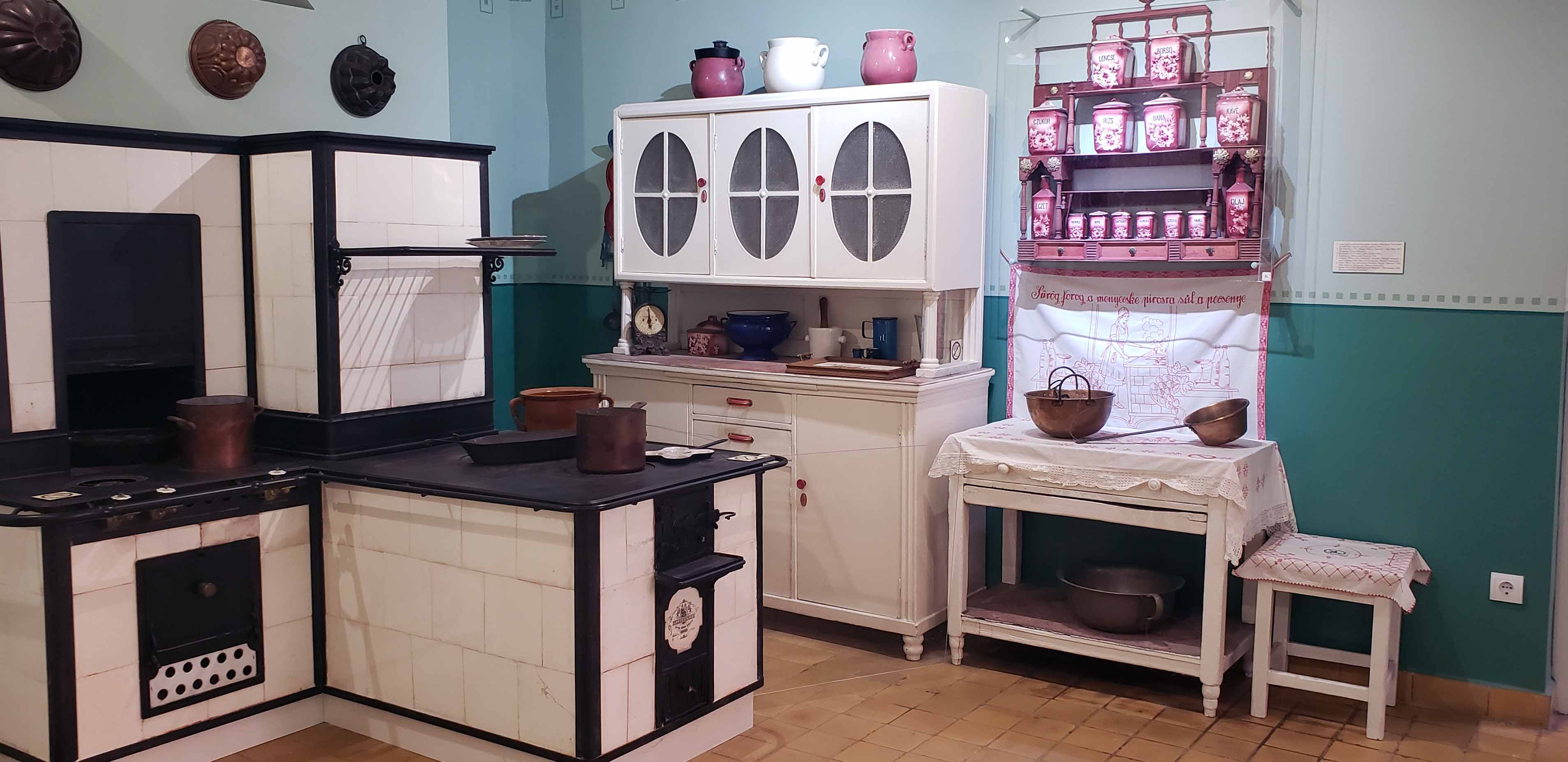
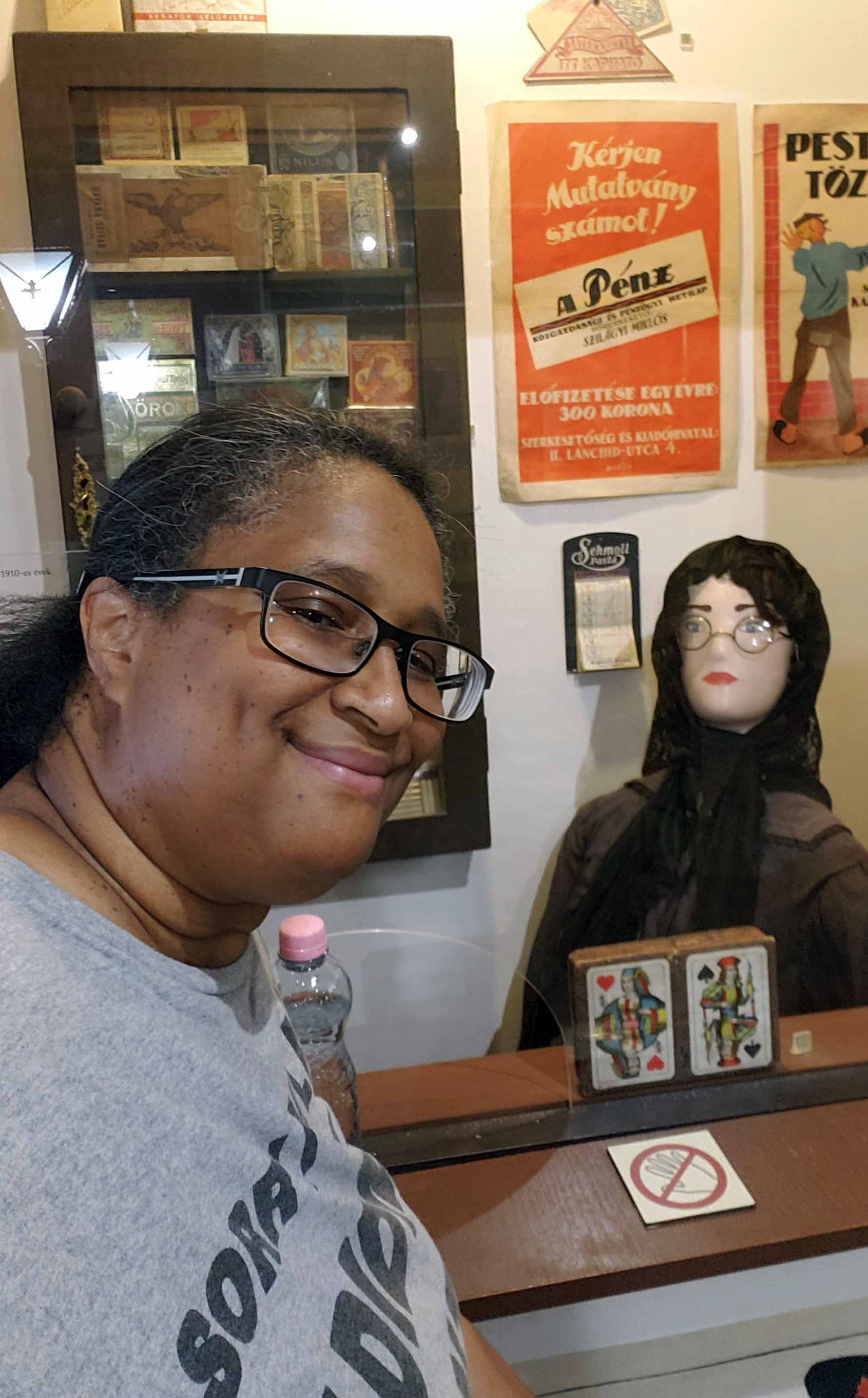
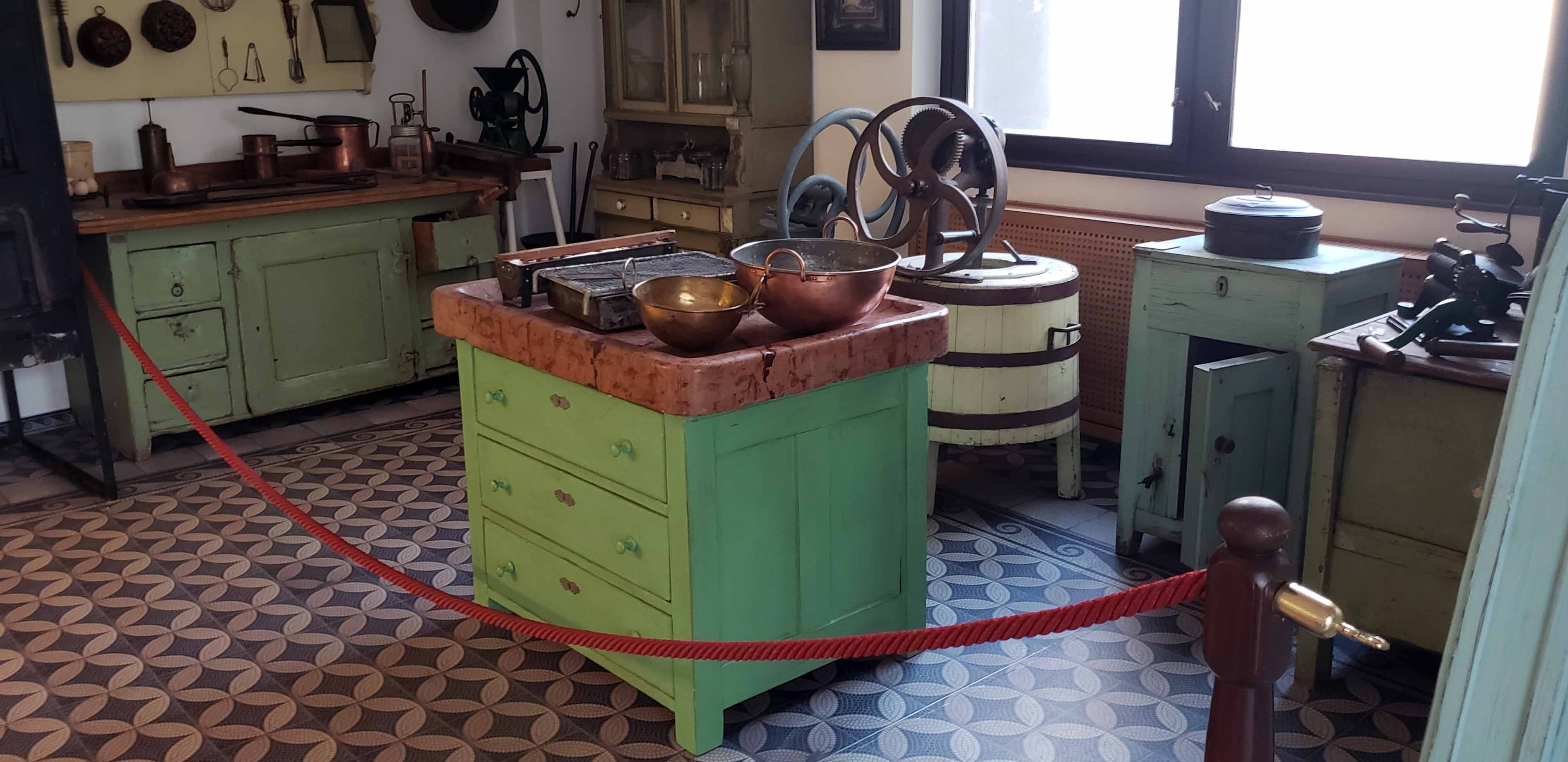
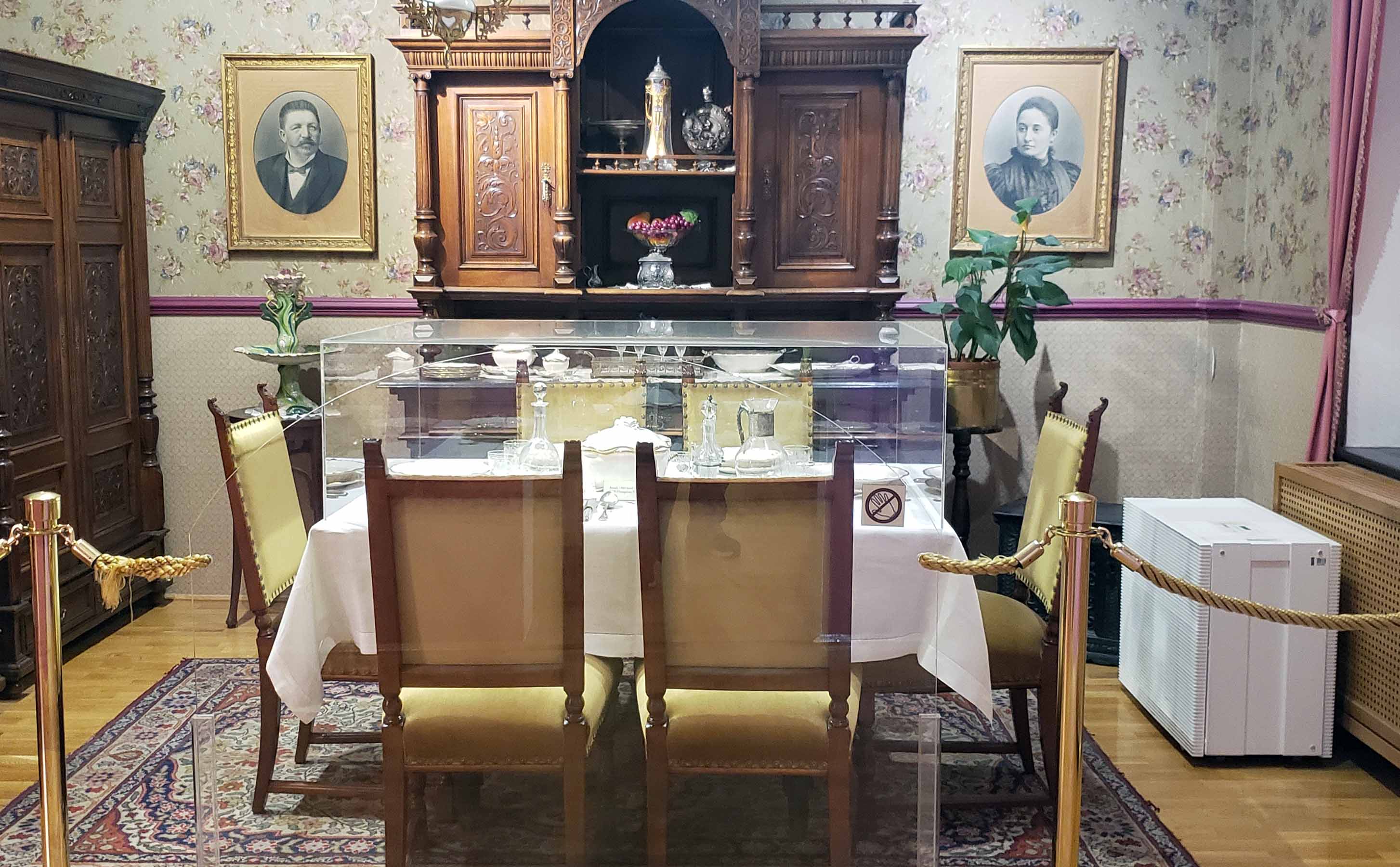
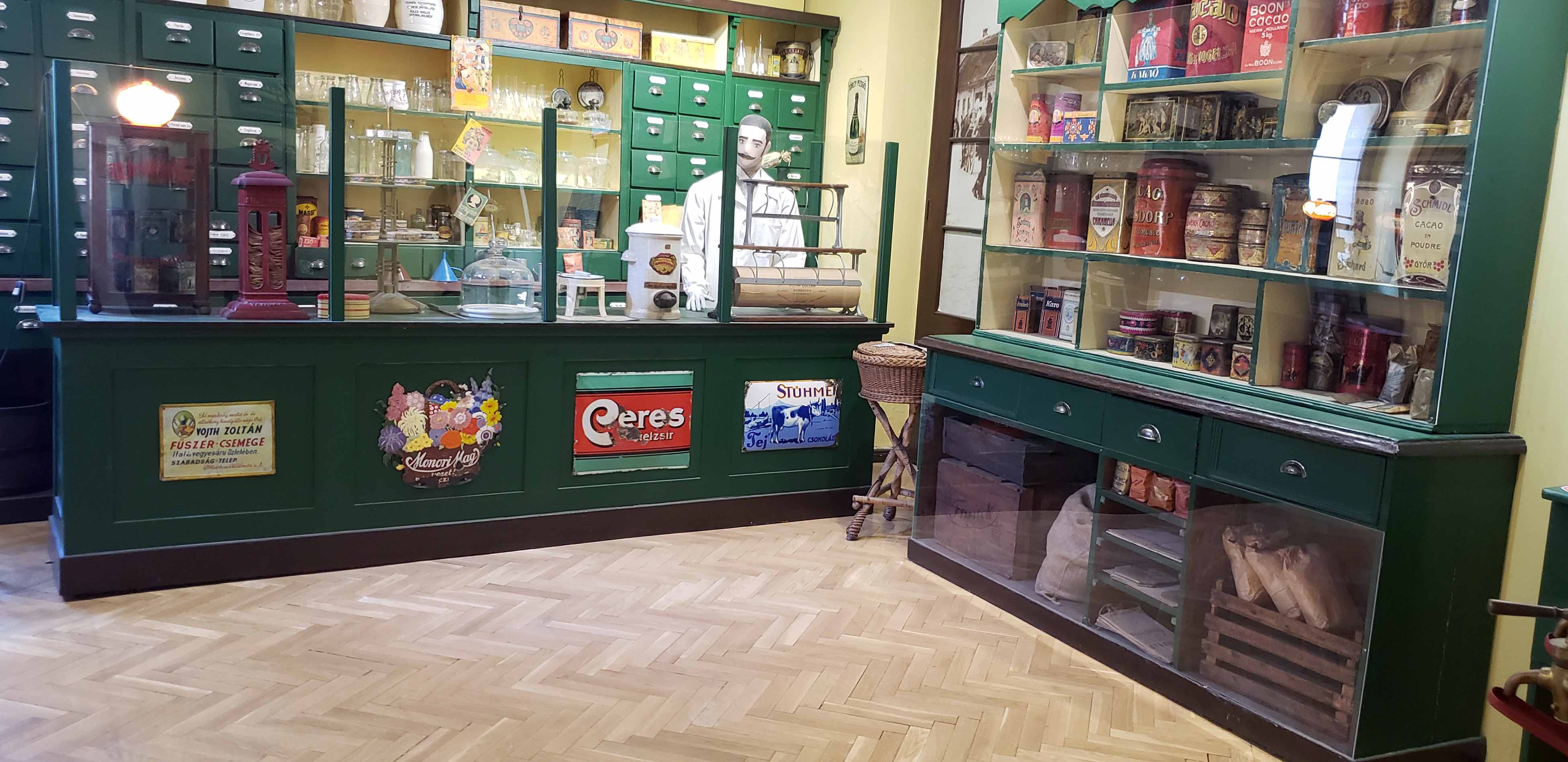

It offered a comprehensive overview of trade development, practices, and impact in Hungary, delivering intriguing insights into its transformation and evolution throughout history.
My favorite part of this exhibit was the Közért Company, which became the symbol of the socialist food trade. The section detailed the history of Közért, which was the name of the combined Municipal Food-Works, General Consumption Co-Operative and the Hungarian Food Transporting and Trading Ltd.
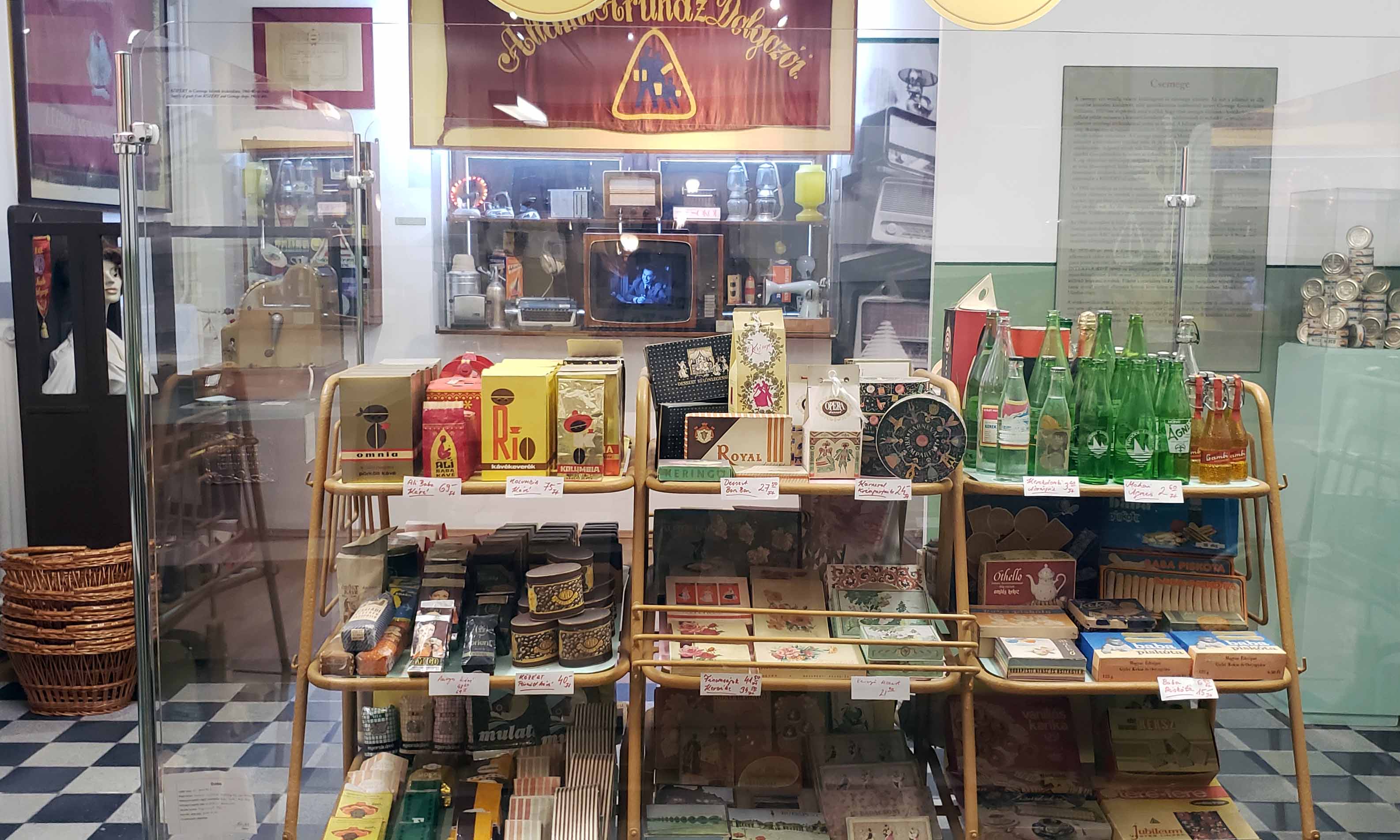
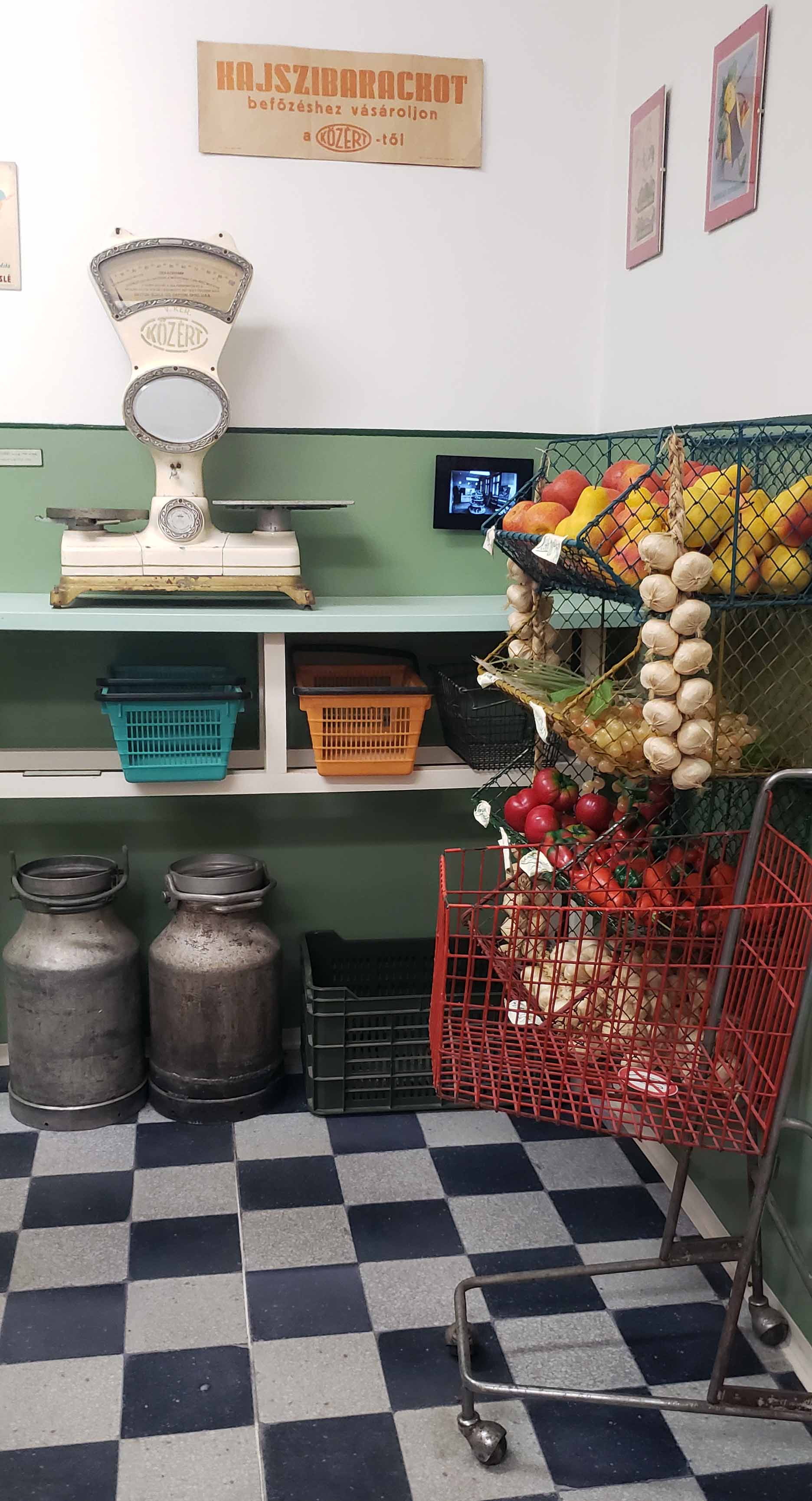
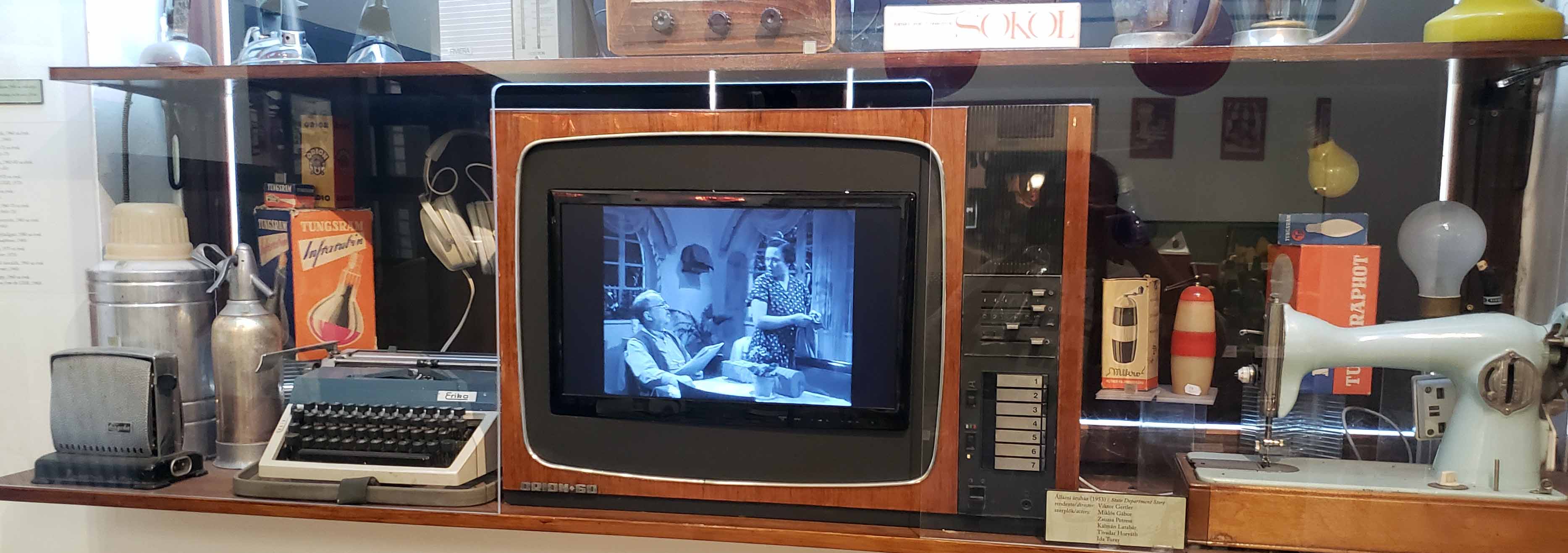
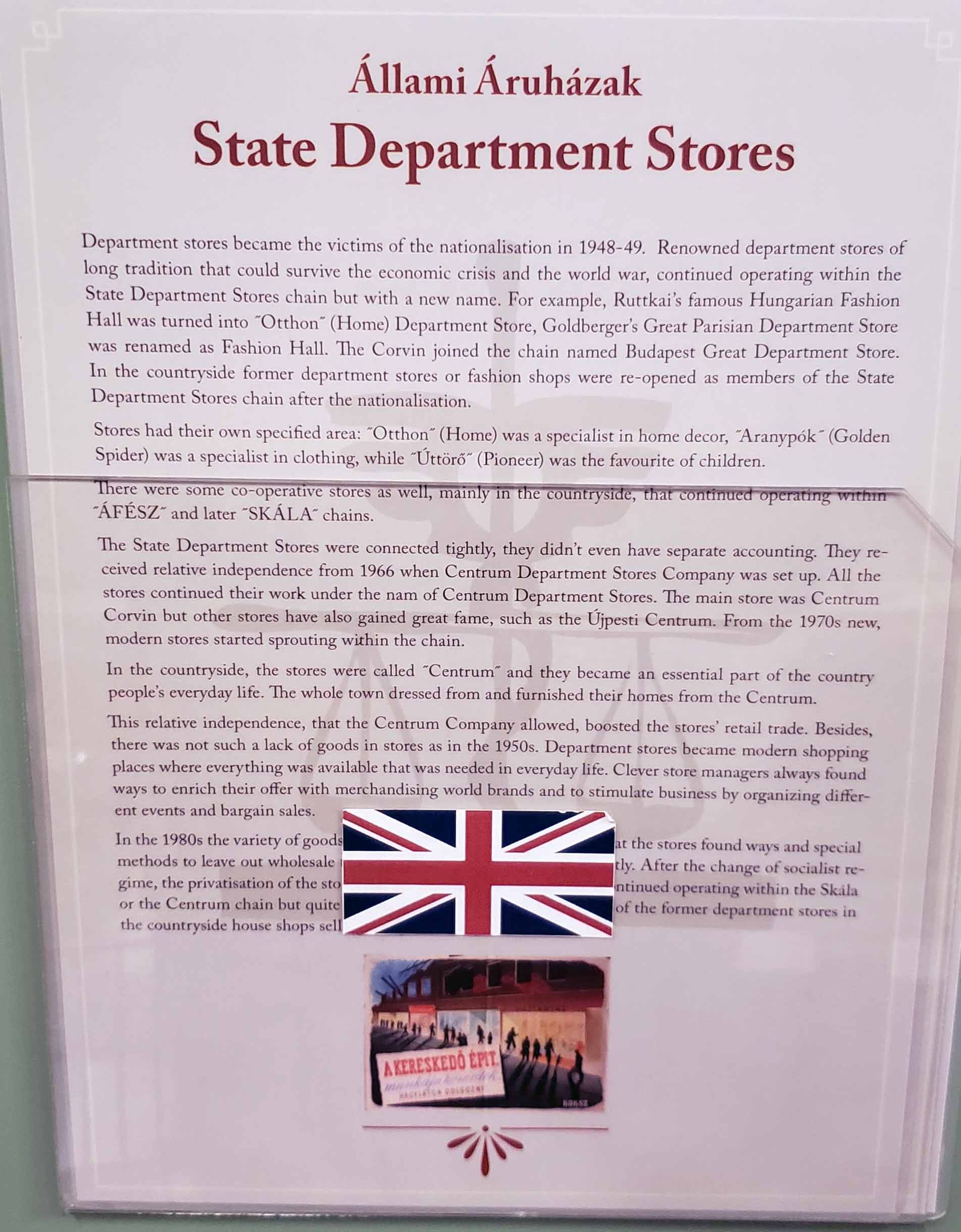

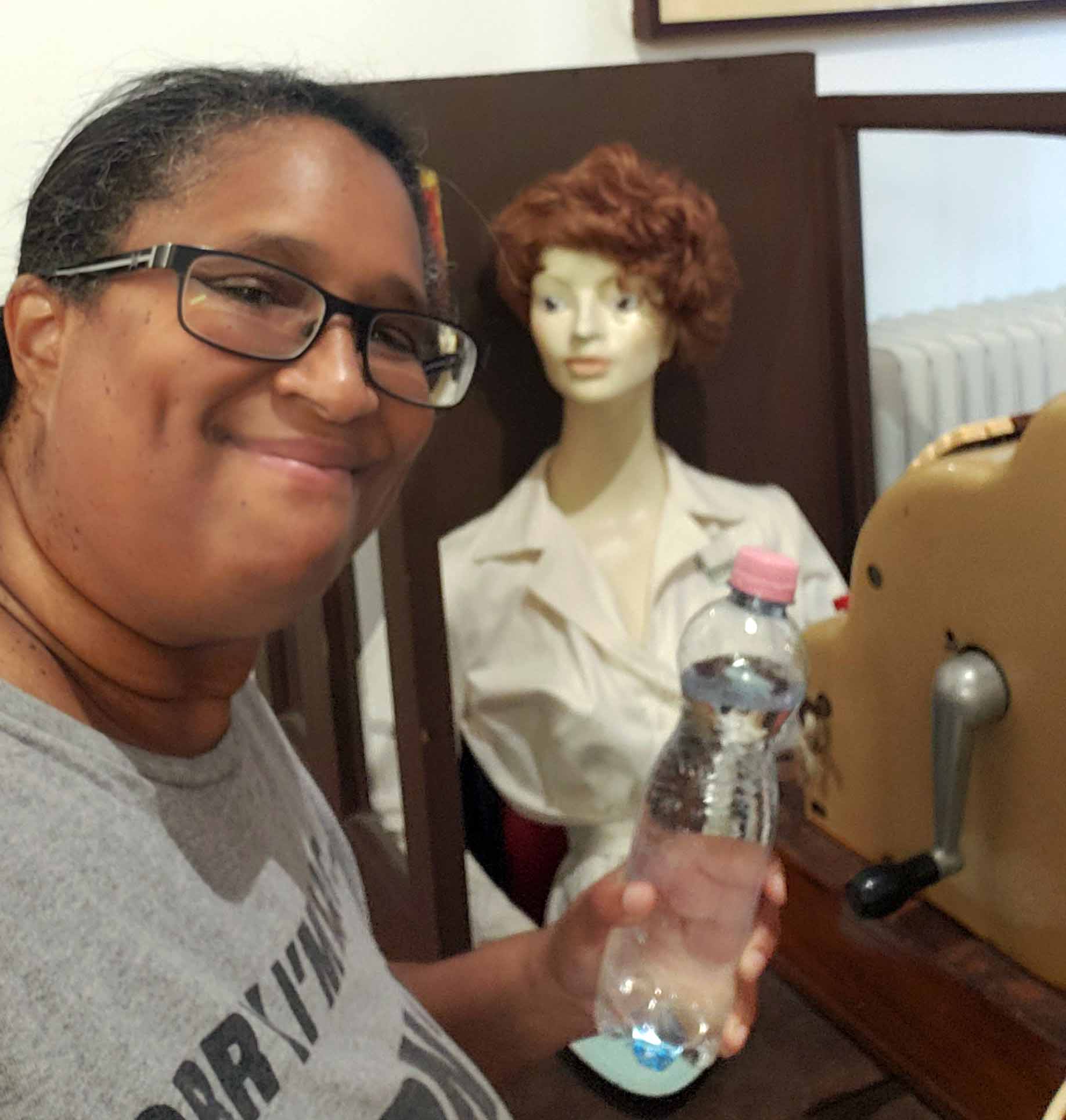
The largest and most diverse aspect of the exhibition is the ‘Goods and Packaging’ collection. This collection gives visitors a historical view of factory products, everyday objects, and mass goods from 1900 to the present.
Welcoming Guests, Being a Guest

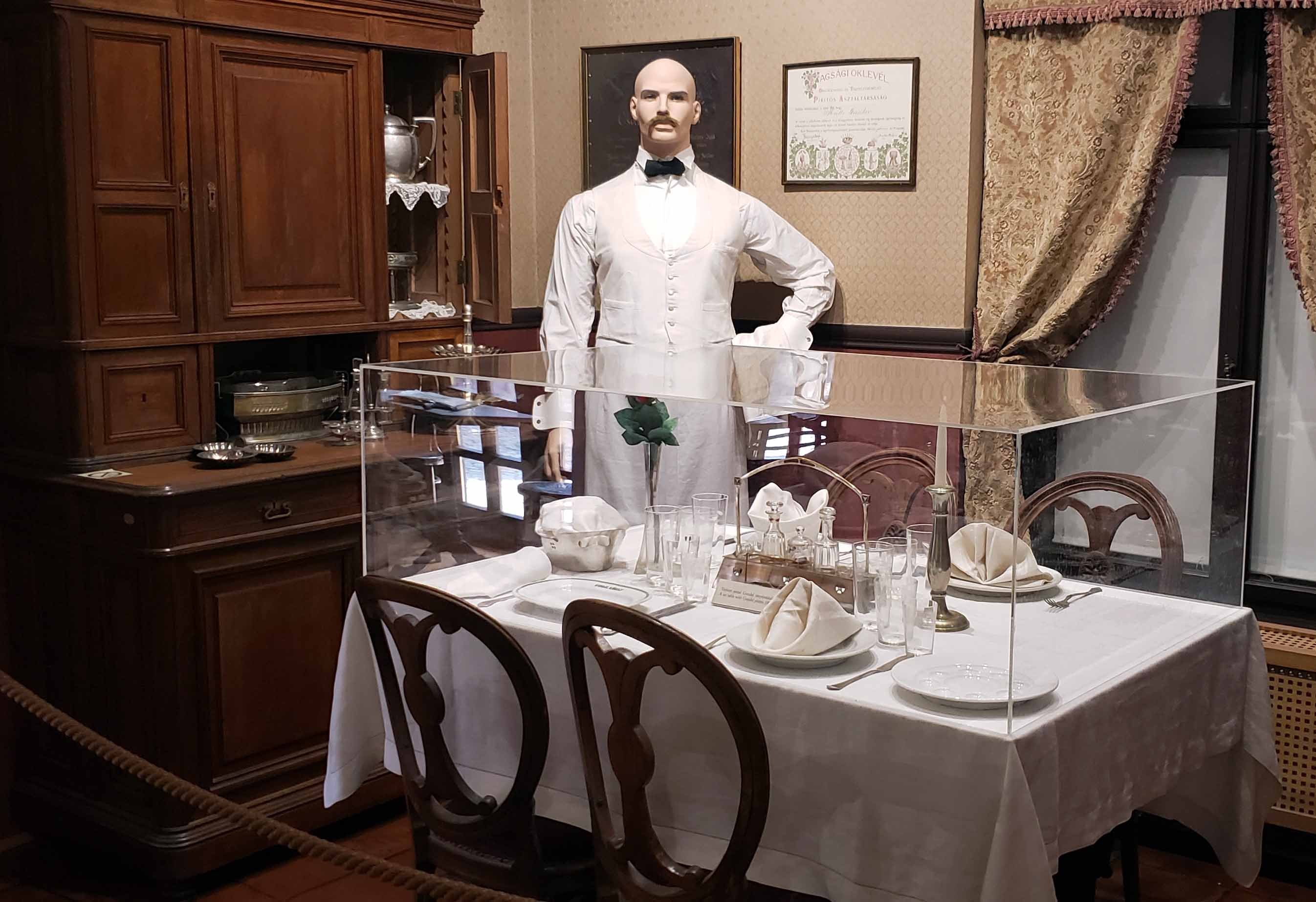
The next exhibition focused on Hungary’s ‘Golden Age’ of the catering and hospitality industry from the late 19th century to the first half of the 20th century. The ‘Welcoming Guests, Being a Guest’ exhibition showcases unique perspectives on the experiences of both hosts and guests during this period.
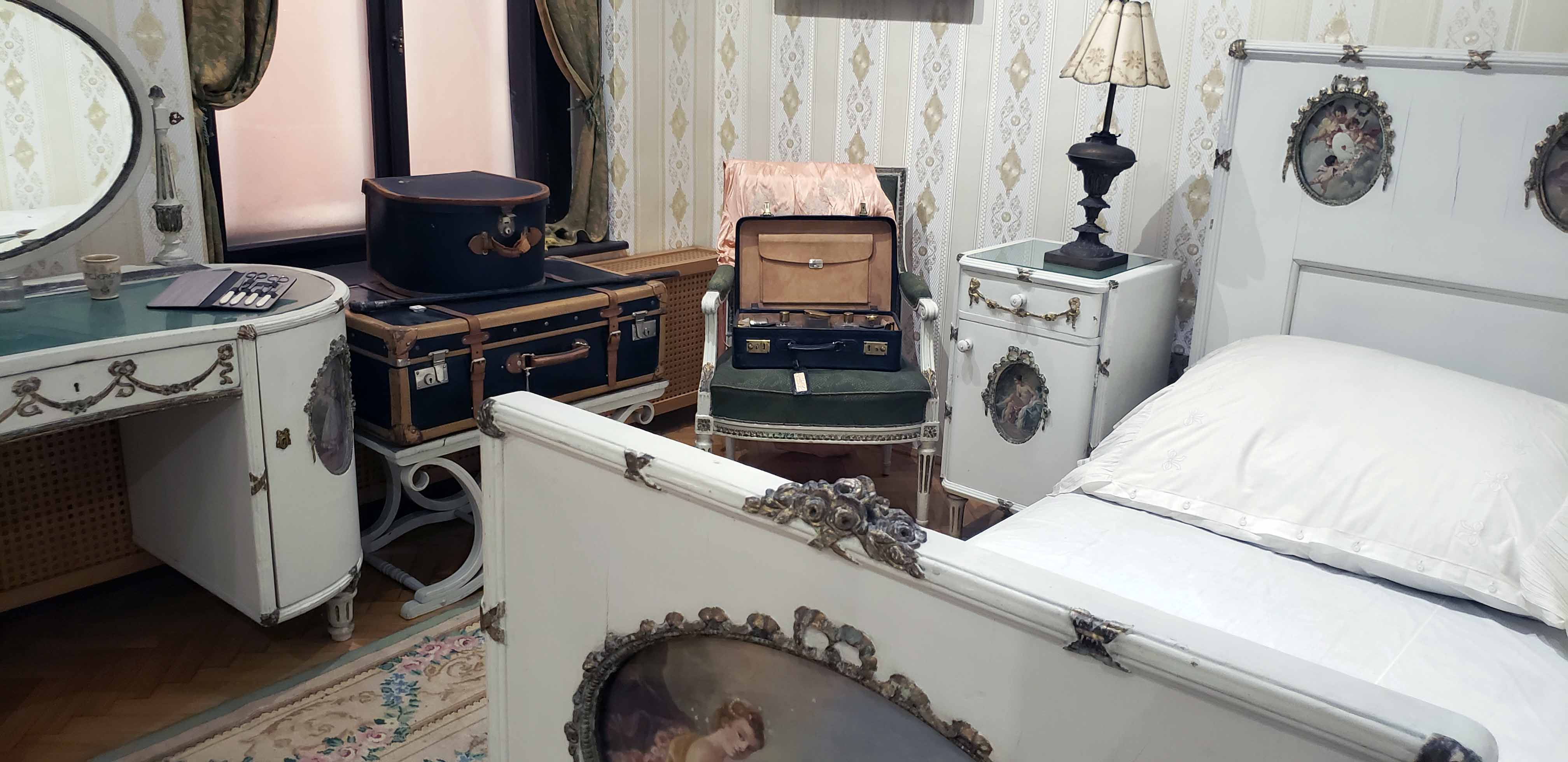
Here, I gained insight into how citizens and visitors spent their time when they traveled to Hungary. The exhibition showcased a realistic hotel room, a bustling coffee house, and a vibrant restaurant. Additionally, informative infographics detailed popular clubs, theaters, and relaxing thermal baths.


I was blown away by the interactive games showcasing stories about famous Hungarian dishes. It was absolutely thrilling and definitely the highlight of my day!
Goulash
I wandered upstairs to the “Goulash” temporary exhibit. Goulash is a famous Hungarian dish. The dish triggered a flood of nostalgic memories of the leftover stews I ate as a child. The exhibit proved to be an enlightening exploration of the distinctions between the stew I knew from California and the traditional Hungarian Goulash.

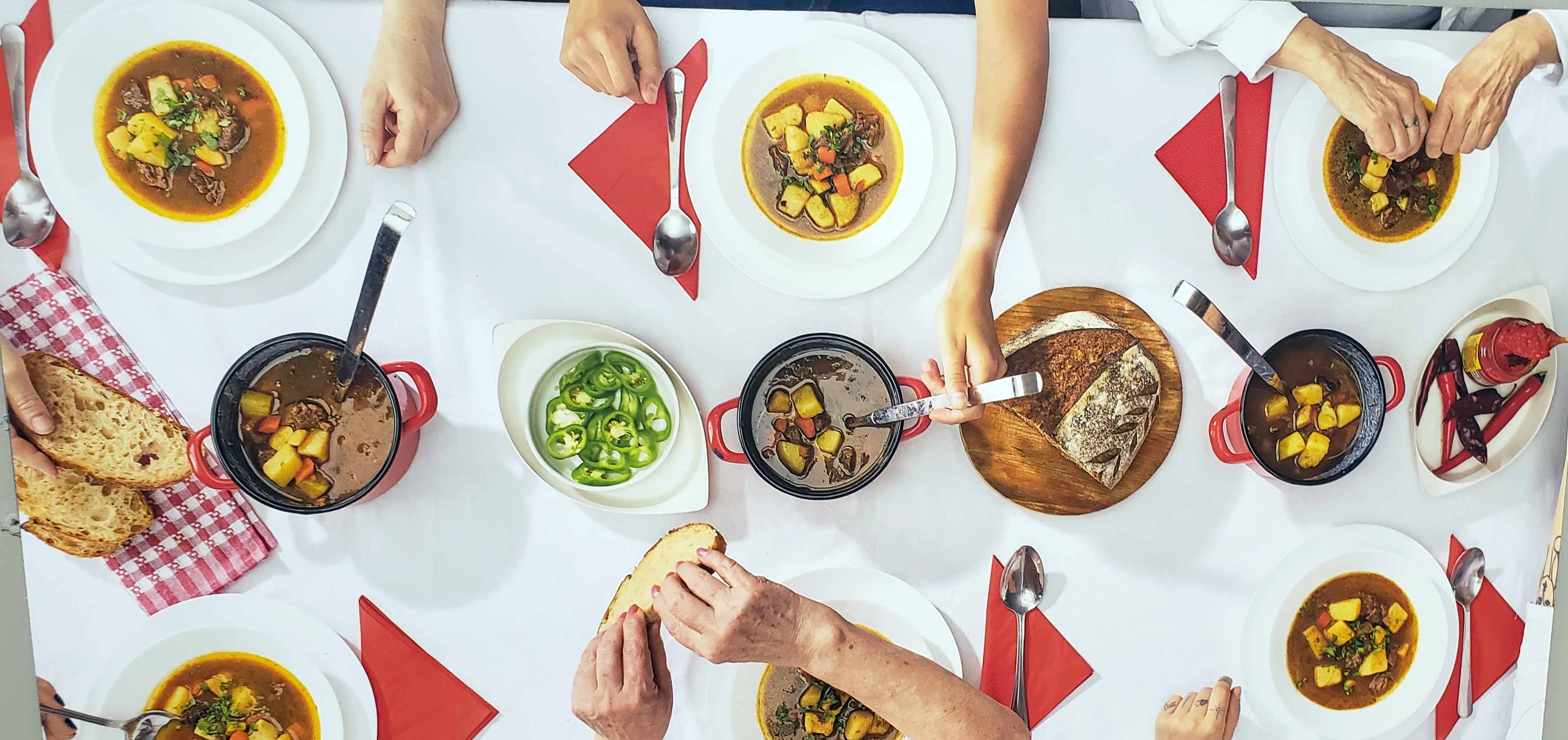

I learned that Goulash can be traced back to the 10th century, originating from the shepherds who tended to the herds of gray cattle grazing on the steppes of the Great Plains. However, it wasn’t until the late 18th century that a written recipe for Goulash was documented, and it wasn’t until the 19th century that this flavorful dish started to appear in cookbooks and on restaurant menus.
After completing my self-guided tour, I enjoyed engaging in a captivating conversation with two knowledgeable museum representatives. They offered me a wealth of educational insights about the intricate history of Hungarian trade and commerce, further enriching my understanding of Hungary’s cultural and economic heritage.
This museum is absolutely fantastic! What a great experience. I always enjoy exploring off-the-beaten-path museums you wouldn’t find on a typical ‘Top Ten’ list.
However, I think the museum would be even more impressive with a few updated items and additional language options for visitors.
HUNGARIAN PARLIAMENT
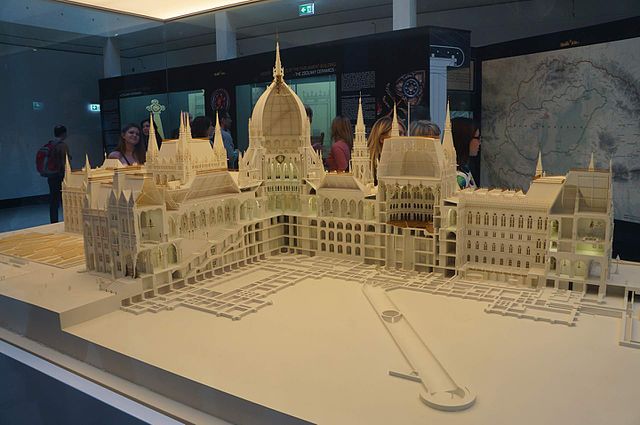
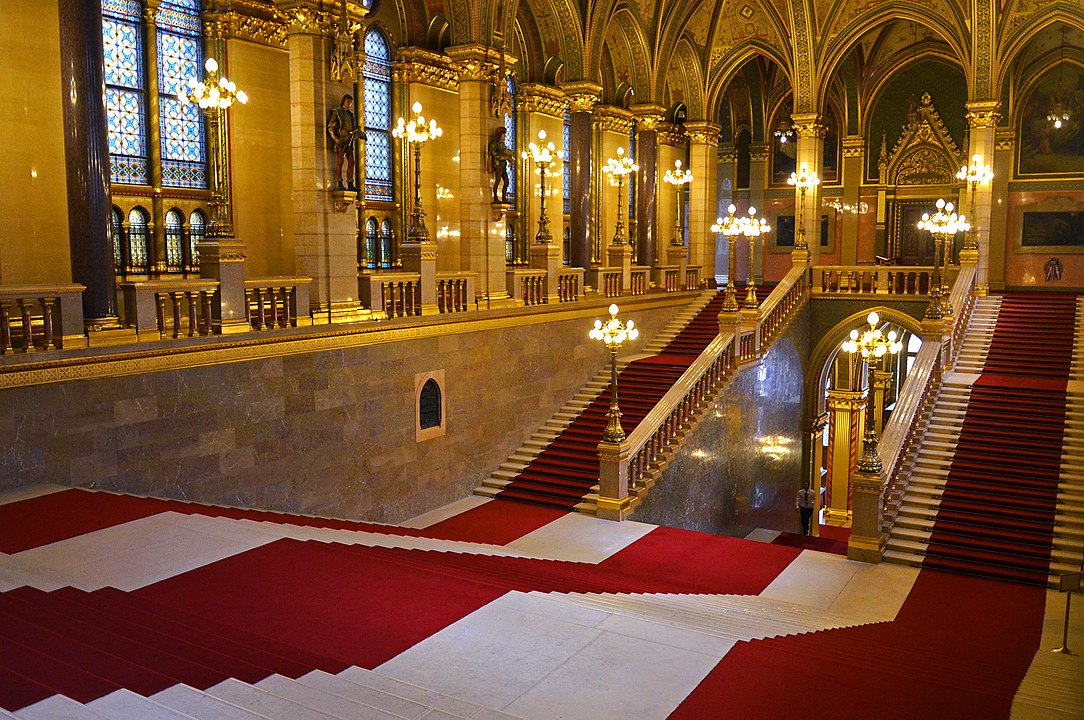
I wrapped up Day 3’s history adventure with a brief stop at the magnificent Hungarian Parliament Building to capture some stunning photographs.
Situated on Kossuth Square in the Pest side of the city, this architectural marvel stands as a popular tourist hotspot.

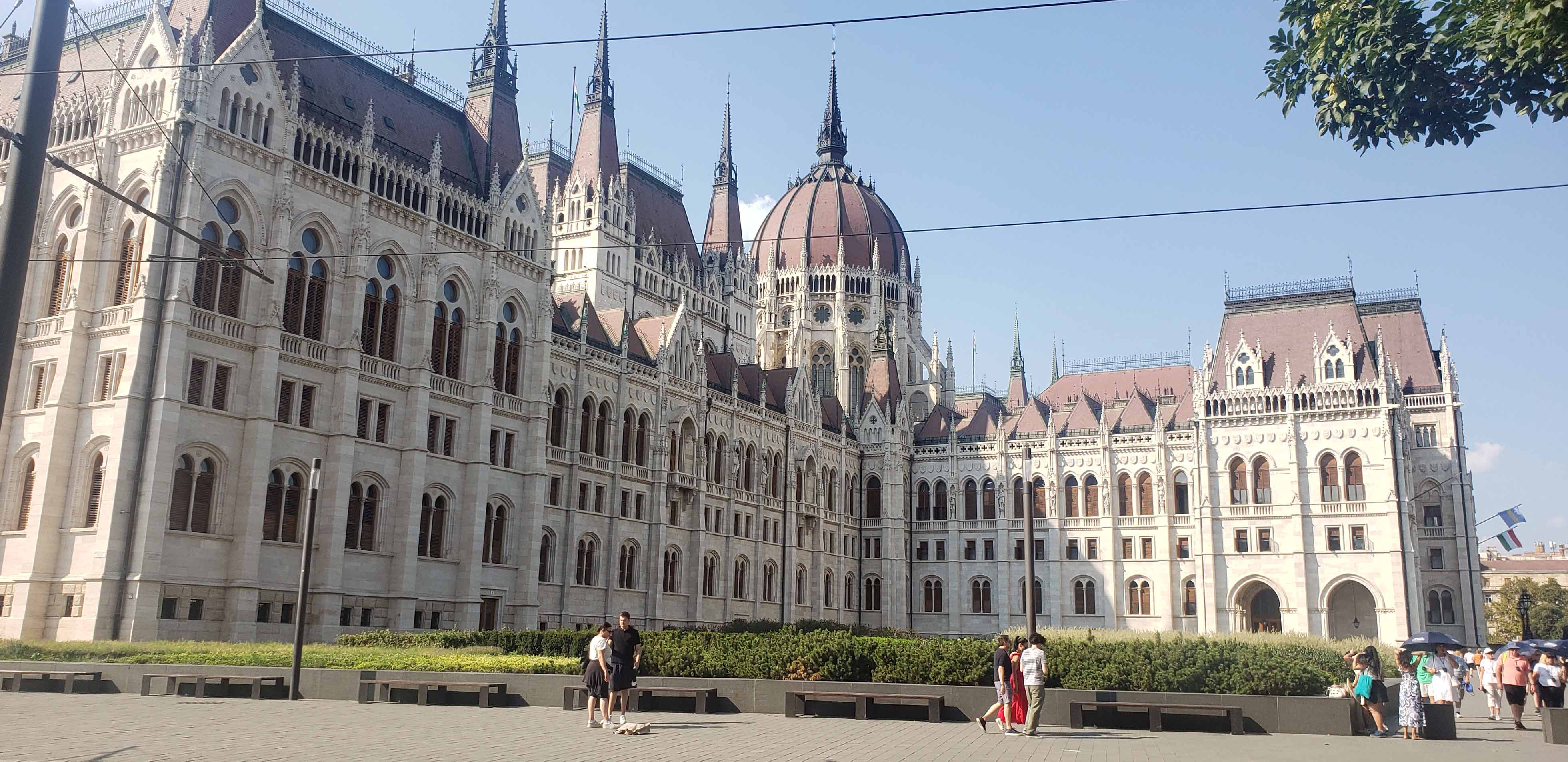
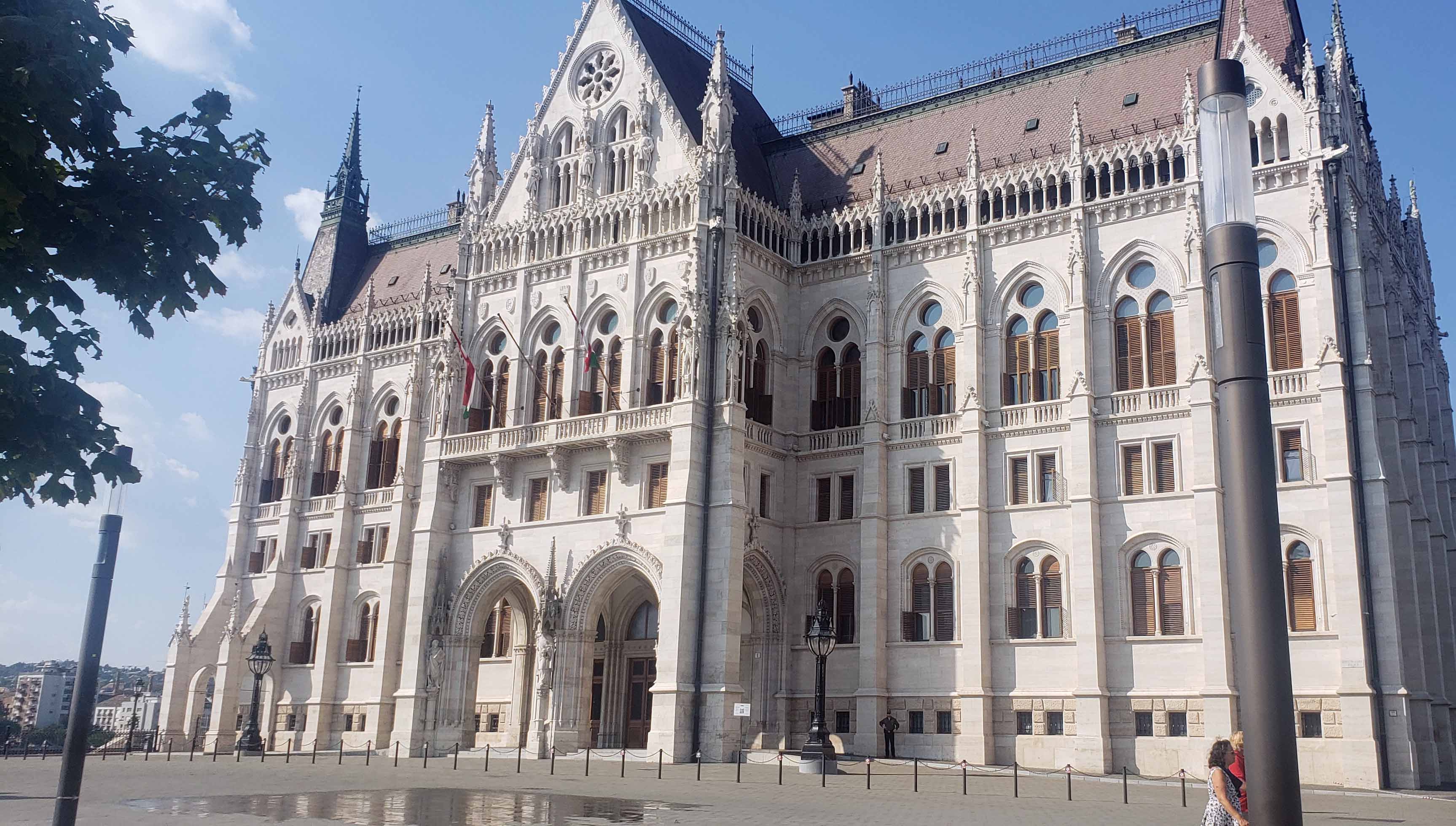
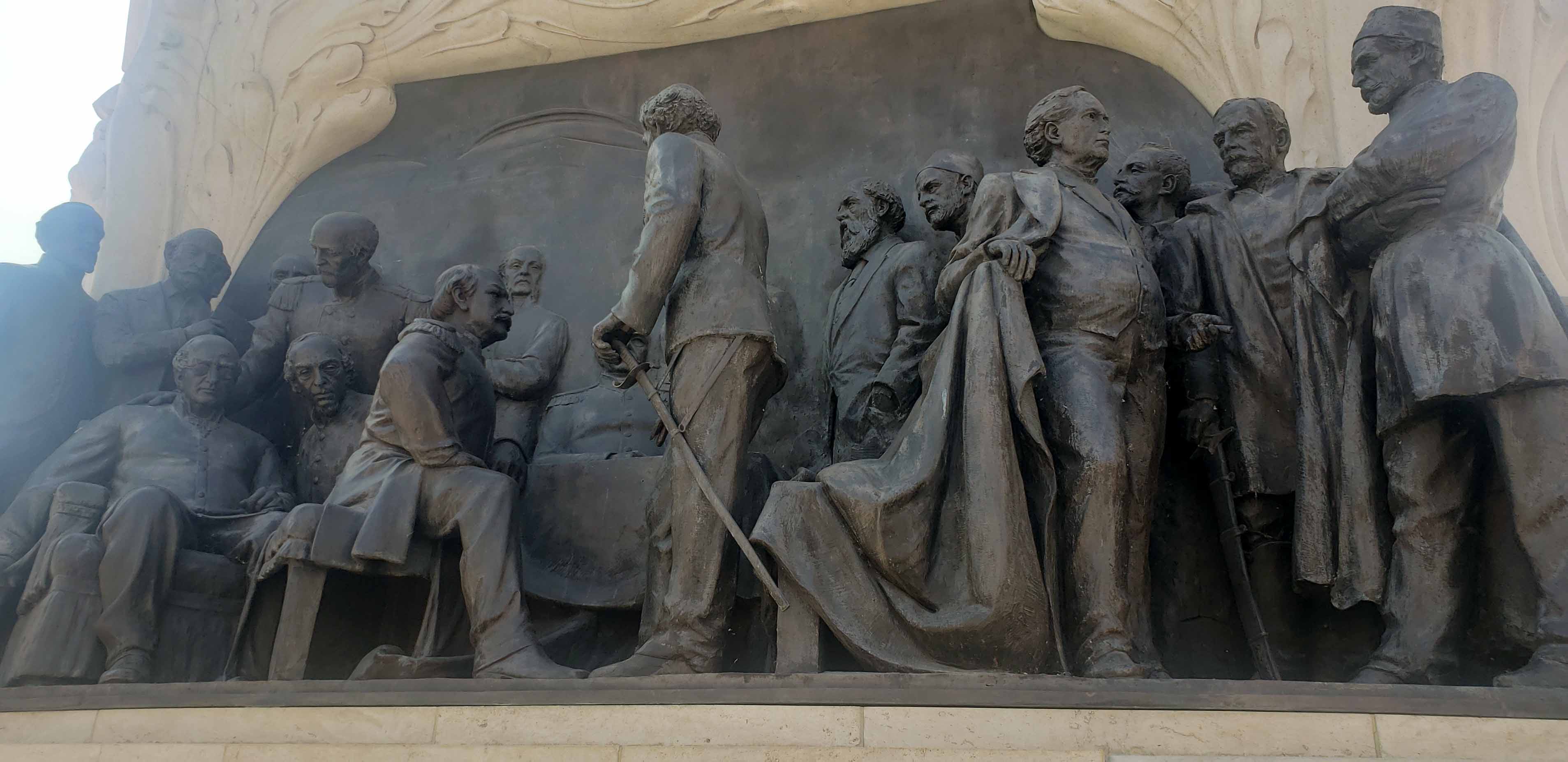
While its exterior is undeniably exquisite, its interior truly astonishes visitors with its grandeur and attention to detail.
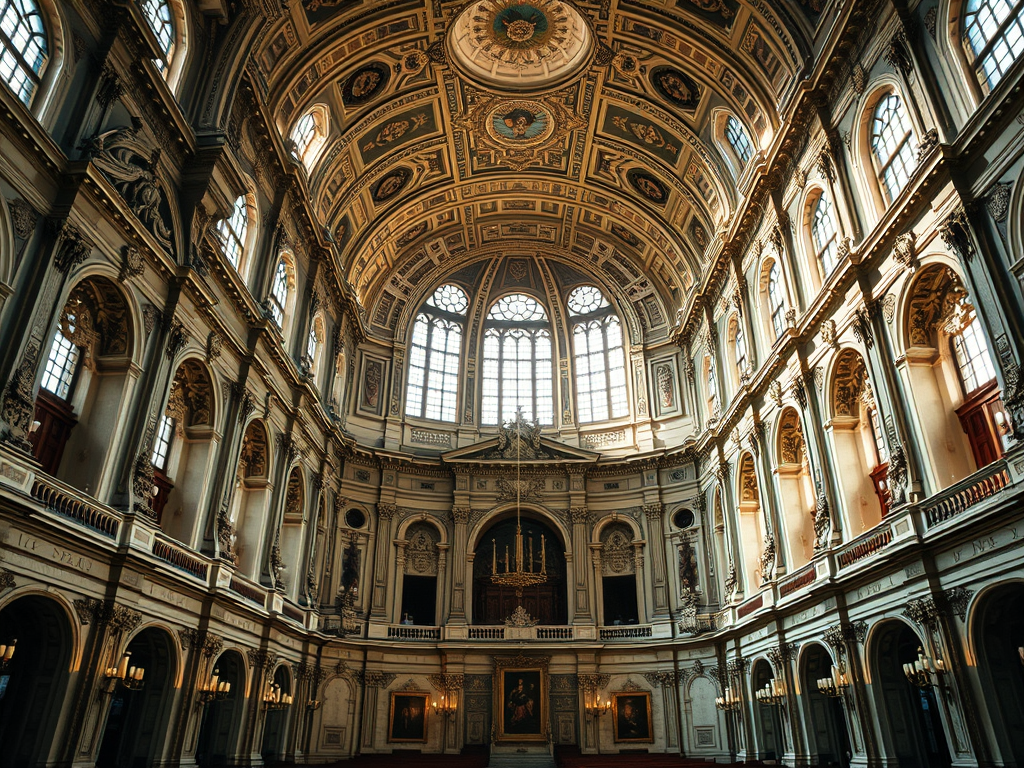
GOULASH FOR DINNER?
Time for dinner. My visit to the Hungarian Museum of Commerce and Hospitality had my tummy growling for some Goulash.
I selected SZÉK Restaurant & Bar, as their menu offered a variety of dishes that suited my taste. Although Goulash was what my tummy craved, disregarding other tasty offerings would have been foolish.
The restaurant had a nice ambiance, and the customer service was decent. I ordered the Goulash after perusing the menu’s offerings.
Regrettably, once again, I was let down by my high expectations. The dining experience did not meet my standards, and the meal was disappointing.

The Goulash appeared promising with its rich aroma and tempting presentation. However, to my disappointment, the flavors did not live up to the presentation. Despite its tender texture, the beef lacked depth and complexity in its seasoning. I did enjoy the pickled onion garnish because it provided a delightful contrast of textures and tangy flavors.
The raspberry tiramisu I chose as a dessert was disgusting! The visual presentation was commendable, but the dessert will forever be nothing more than a sad reminder that looks can be deceiving.
This meal left me so unsatisfied, I had to stop by the local grocery store and picked up some munchies to snack on back in my cozy hotel room.
FAREWELL BUDAPEST
My adventure came to an end the next day. I completed the W Budapest’s check-out process and met my Welcome Pickups driver outside. Together, we chatted about my Budapest Adventure on the journey back to Budapest Ferenc Liszt International Airport, where I would depart for my next destination.
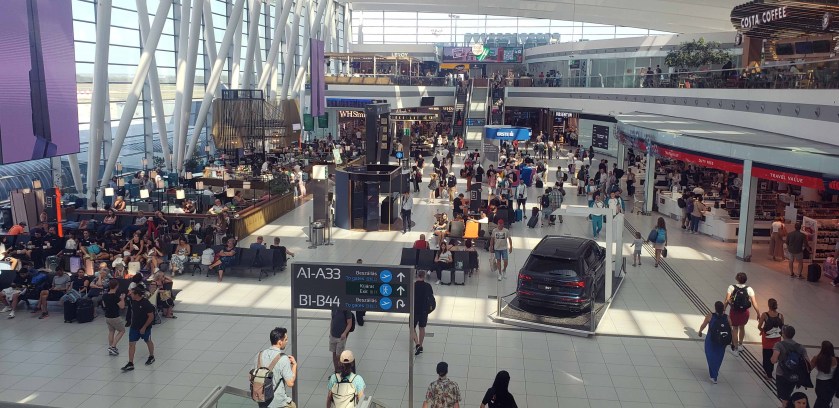
My Budapest Adventure was an exhilarating plunge into a world of captivating sights, vibrant sounds, enriching education, and intense history. Every moment, from thrilling attractions to unexpected surprises, fueled my passion for exploration and left an unforgettable impression.
Experiencing a breathtaking photo shoot, indulging in a delightful Chimney Cake workshop, and delving into the city’s enthralling history at Memento Park and the Commerce Museum made my time in Budapest an absolute blast!
As always,
Until next time …
HAVE PASSPORT, WILL TRAVEL!

 Candy Knight's Stories
One comment