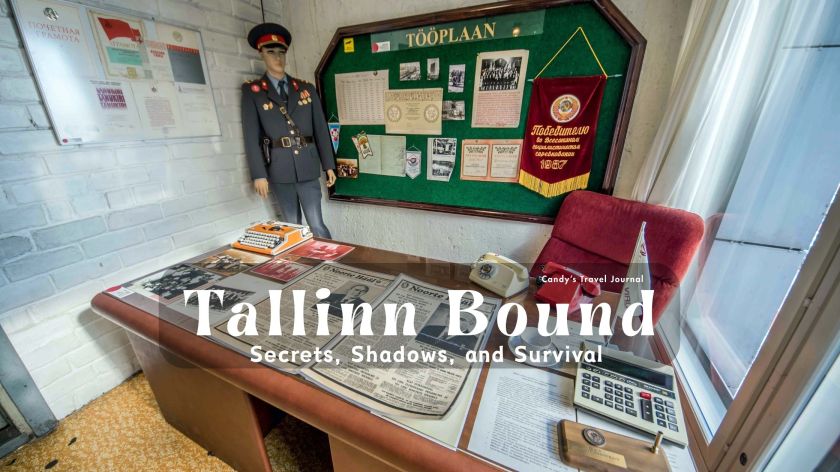
This episode of my Tallinn Bound series promised a different kind of sightseeing: less postcard-perfect, more cloak-and-dagger.
Forget cozy cafes and cobblestone strolls for today, I was on a quest to uncover Tallinn’s shadowy secrets at the KGB Museum and the KGB Prison Cells.
Sure, it’s a bit strange to trade pastries for tales of espionage and Soviet surveillance, but there’s something irresistible about peeking behind the Iron Curtain and walking in the footsteps of history’s spies and survivors.
I was ready for a day that would be as thought-provoking as it was unforgettable.
Both are steeped in Estonia’s Soviet-era history, and I arrived full of curiosity, eager to see how these places would bring the past to life.
KGB Museum: Peeking Behind the Curtain
The KGB Museum is tucked away on the top floor of the Hotel Viru, which opened in 1972 as Estonia’s first high-rise and quickly became a symbol of Soviet modernity.
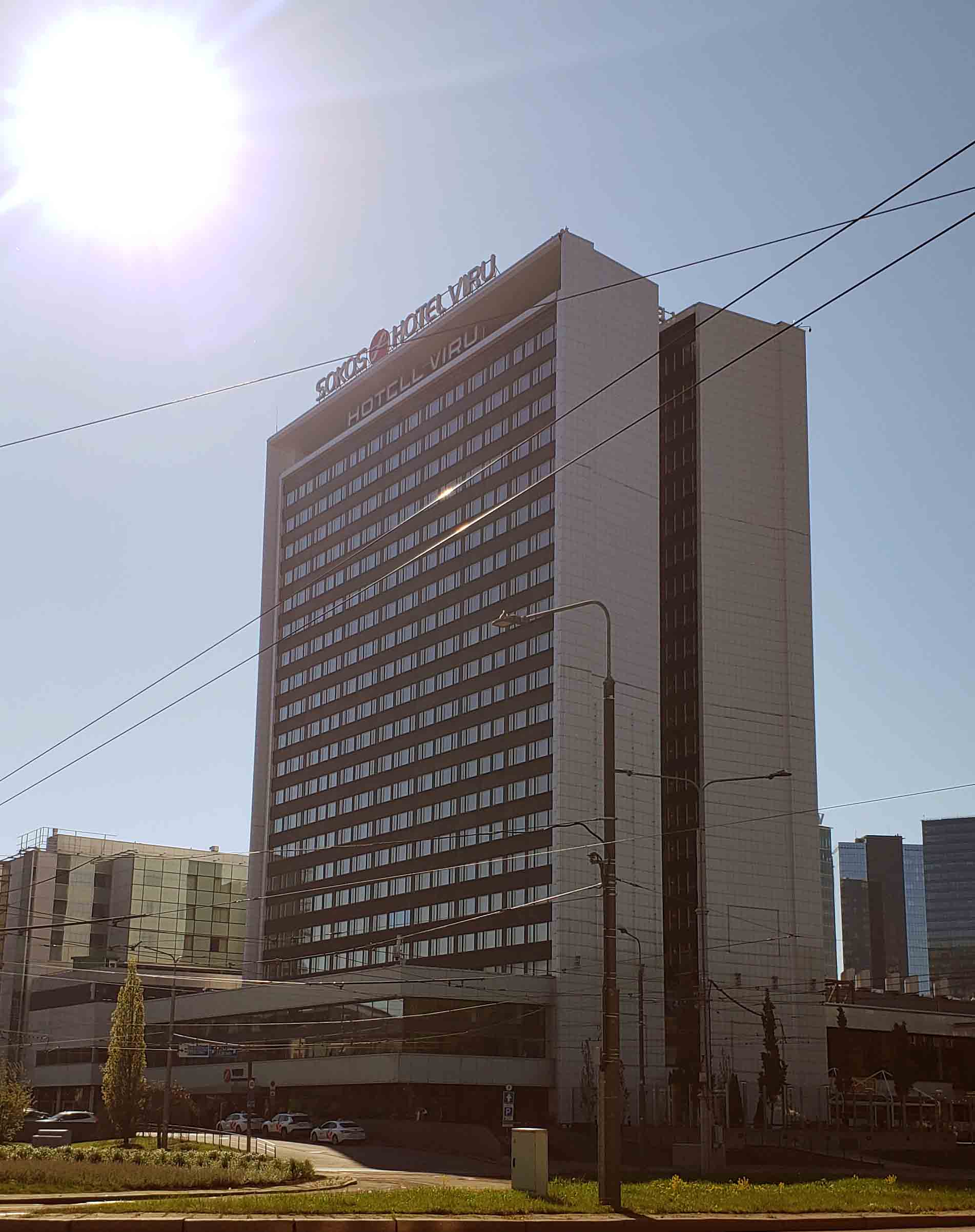
The hotel was built to attract foreign guests, including celebrities, politicians, and journalists.
Notable visitors over the years included Swedish pop group ABBA, Russian cosmonaut Yuri Gagarin, and Hollywood legend Elizabeth Taylor.
Unbeknownst to most guests, the hotel doubled as a listening post for the KGB. Hidden rooms, secret equipment, and bugged telephones were standard.
Learning about this strange blend of hospitality and surveillance offered a fascinating glimpse into Soviet-era Estonia.
My Expectations of the KGB Museum
Before arriving, I pictured myself stepping into a world straight from a spy novel. I imagined dimly lit corridors lined with heavy doors, the air thick with secrets.
Each turn would reveal a new riddle, perhaps a concealed listening device tucked behind a painting, or an old telephone that once carried whispered conversations in Russian.
I expected the guide to share not only facts but dramatic tales of espionage and betrayals, bringing the Soviet era to life in vivid detail.
In my mind, I would be piecing together clues, feeling the adrenaline of a real undercover agent, and catching glimpses into the paranoia that once gripped this place.
Okay, my imagination was running wild.
And soon, reality brought me back down to earth.
The Reality of the KGB Museum
You can only visit the KGB Museum on a guided tour, which runs about an hour. Tickets are €20 and must be booked in advance to secure your spot and preferred language.
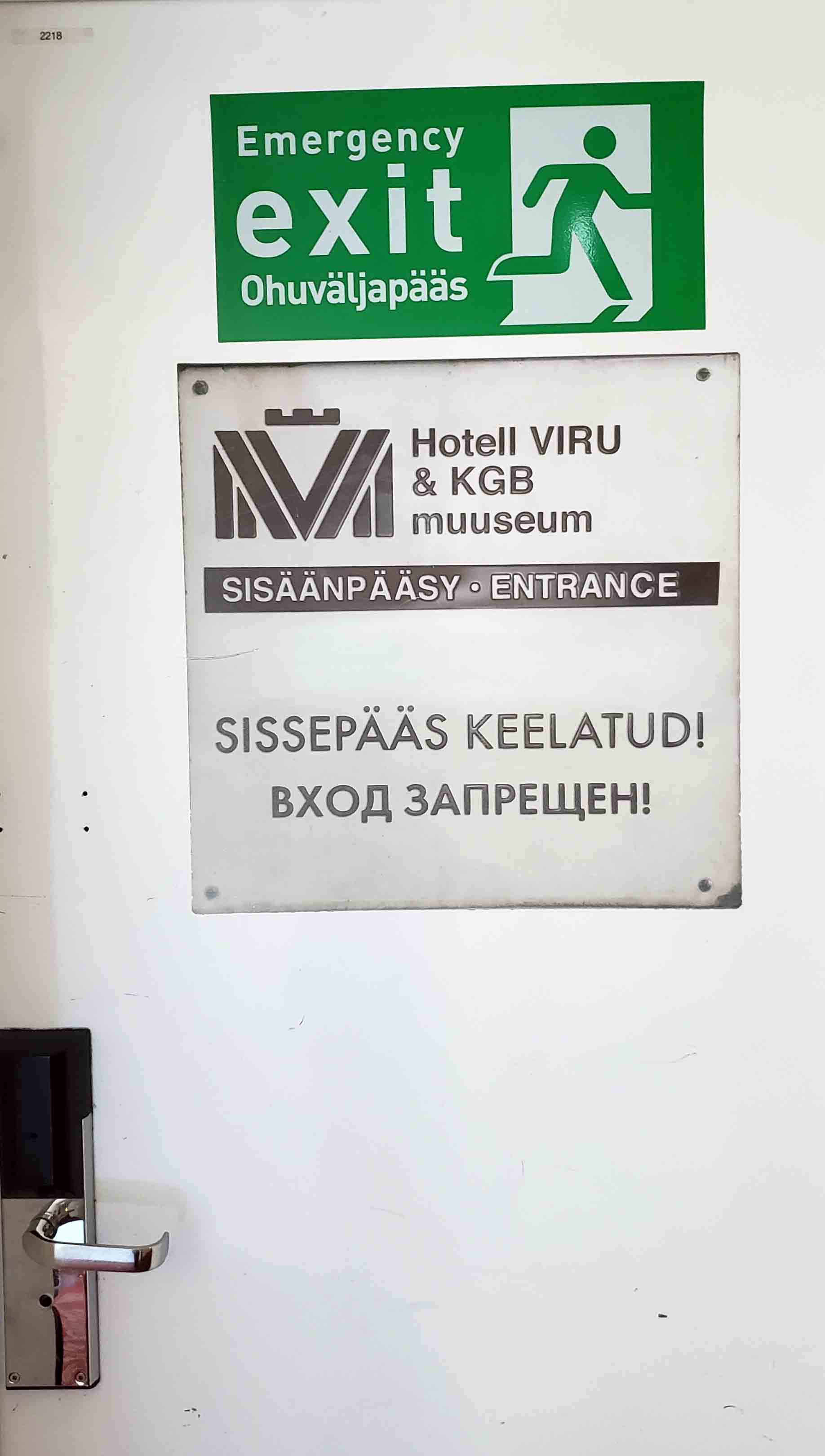
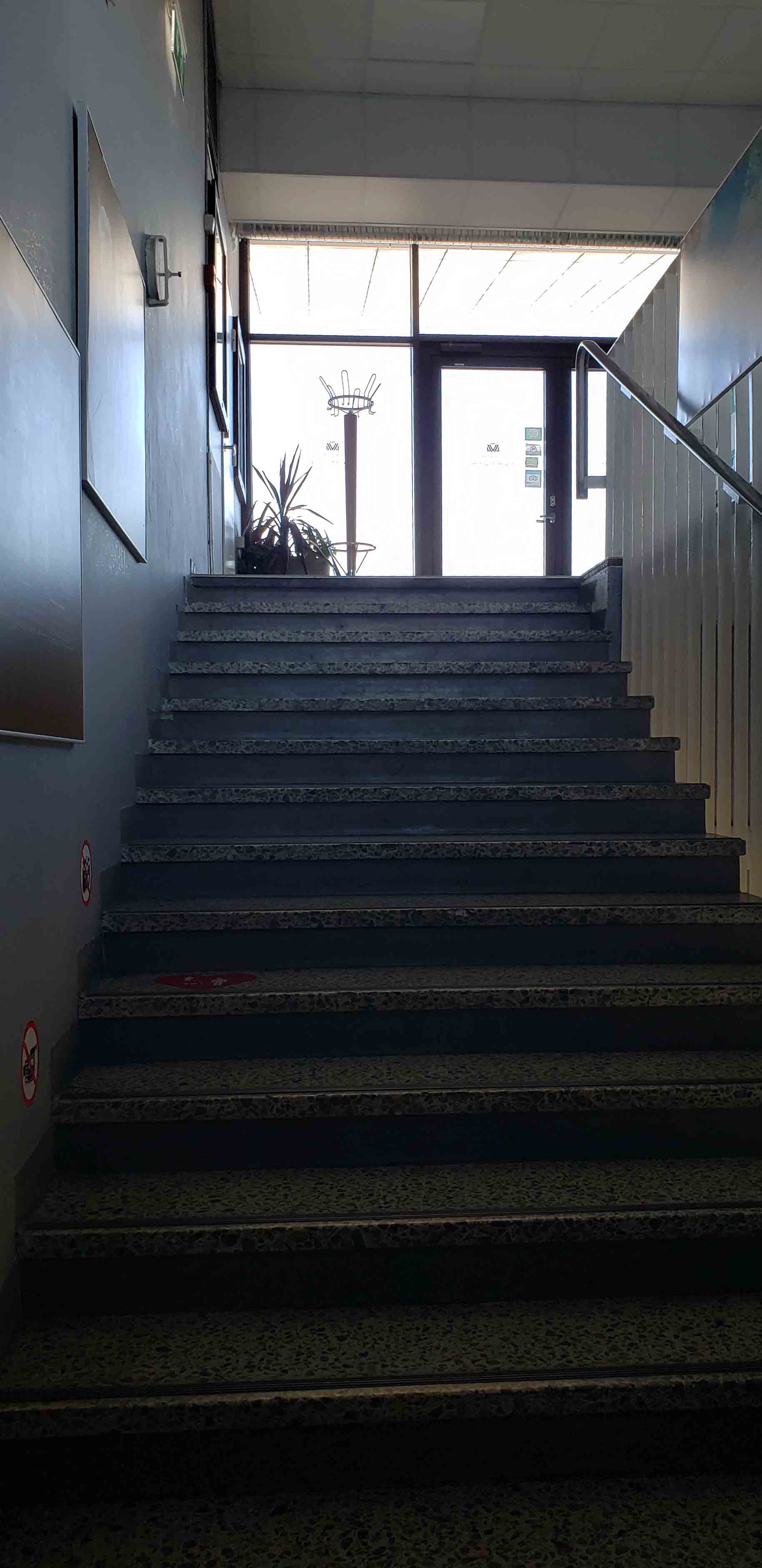
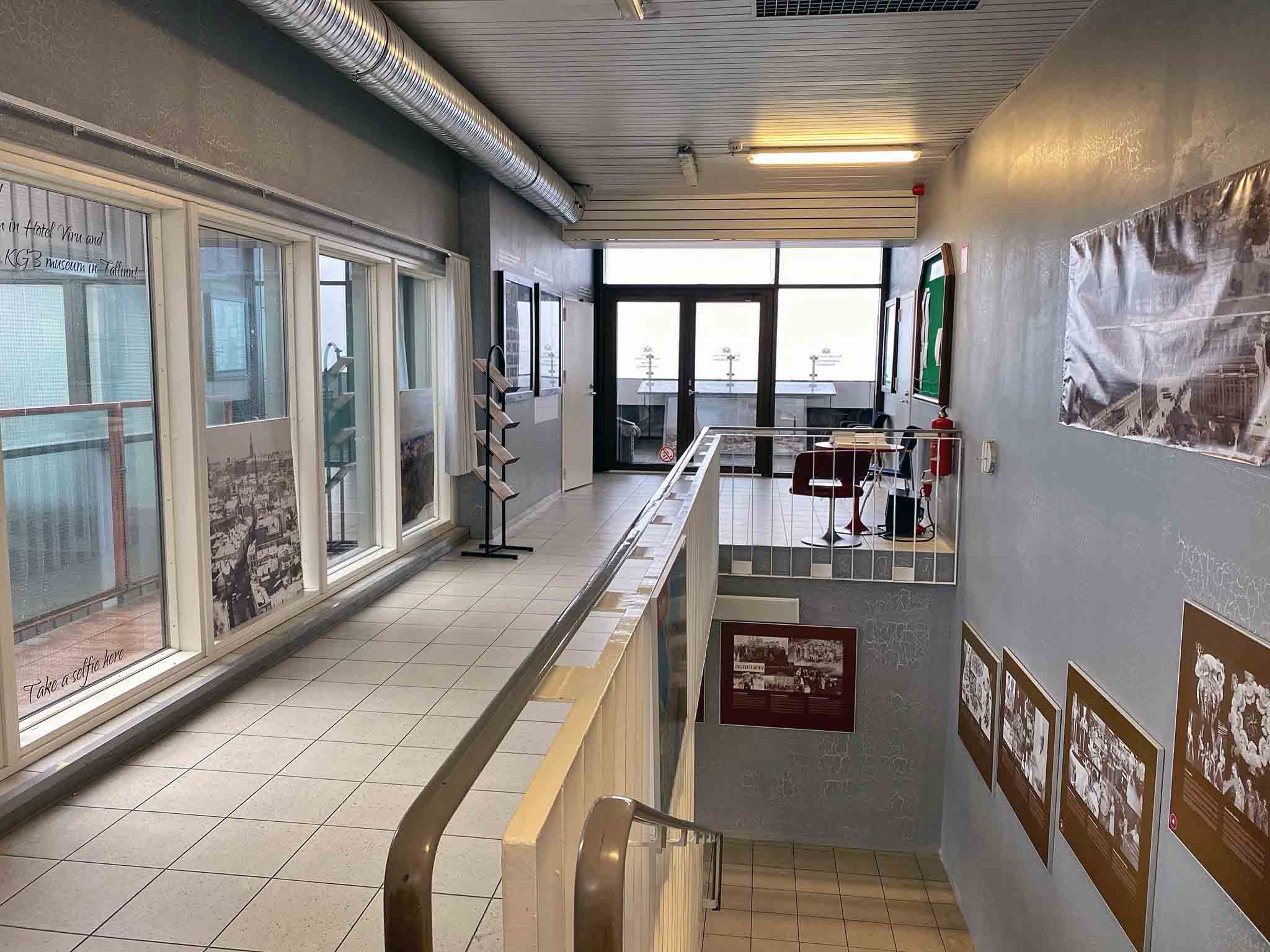
The tour covers two small rooms full of artifacts and stories.
To be honest, I was disappointed.
The €20 ticket felt steep for just two cramped rooms and a few displays. The guide seemed to stick to a familiar script, offering little more than what I could have read on Wikipedia.
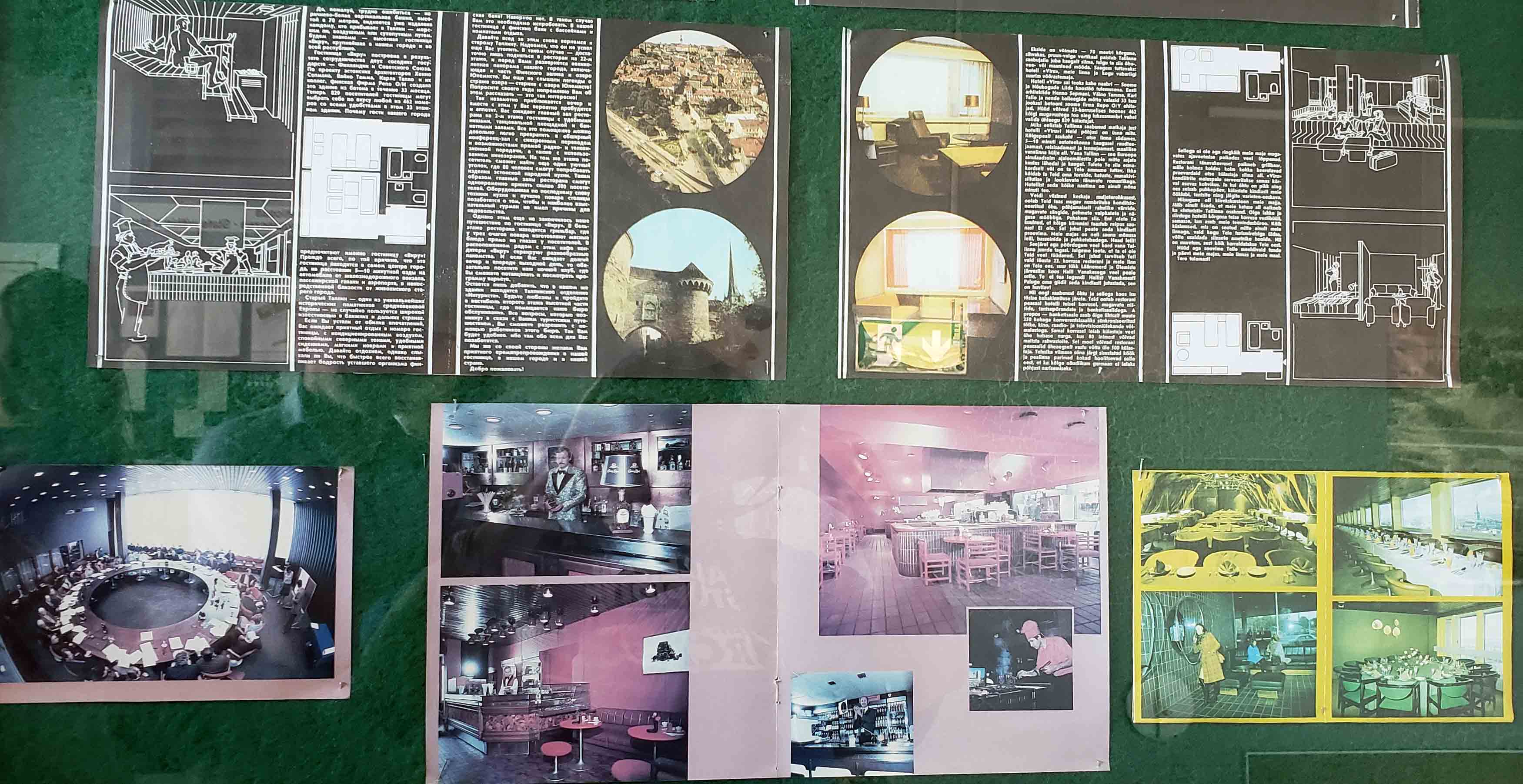
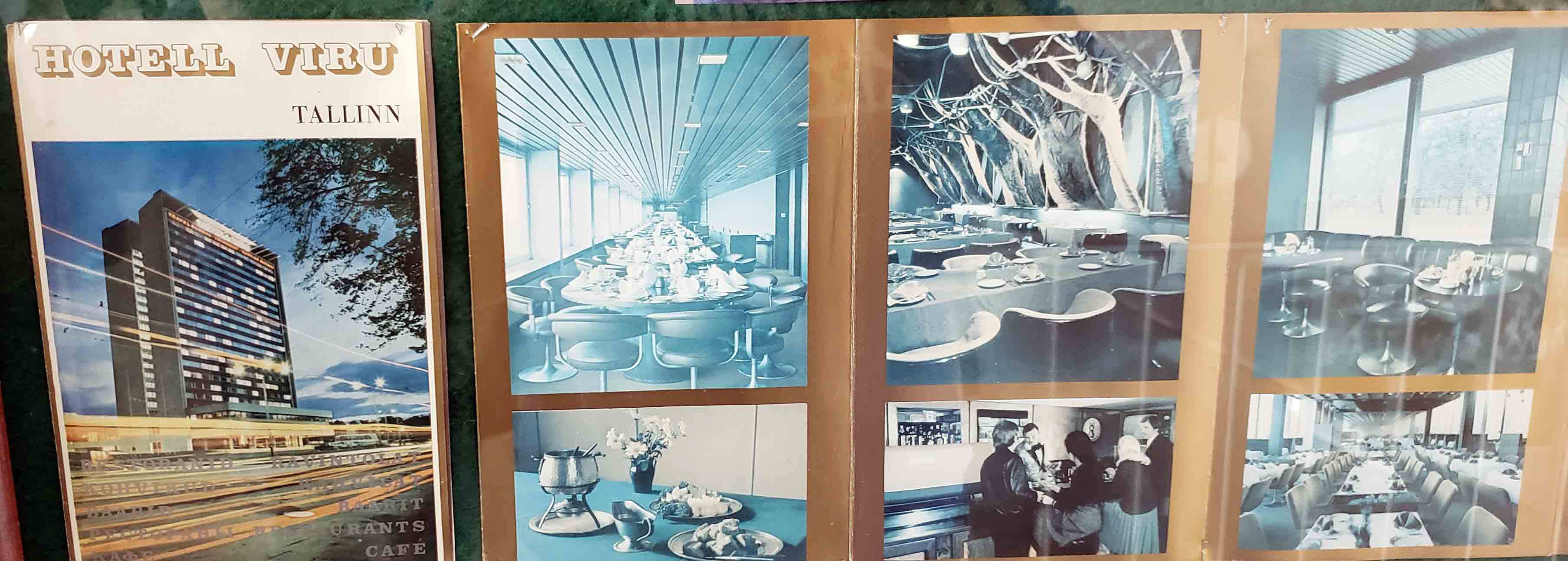
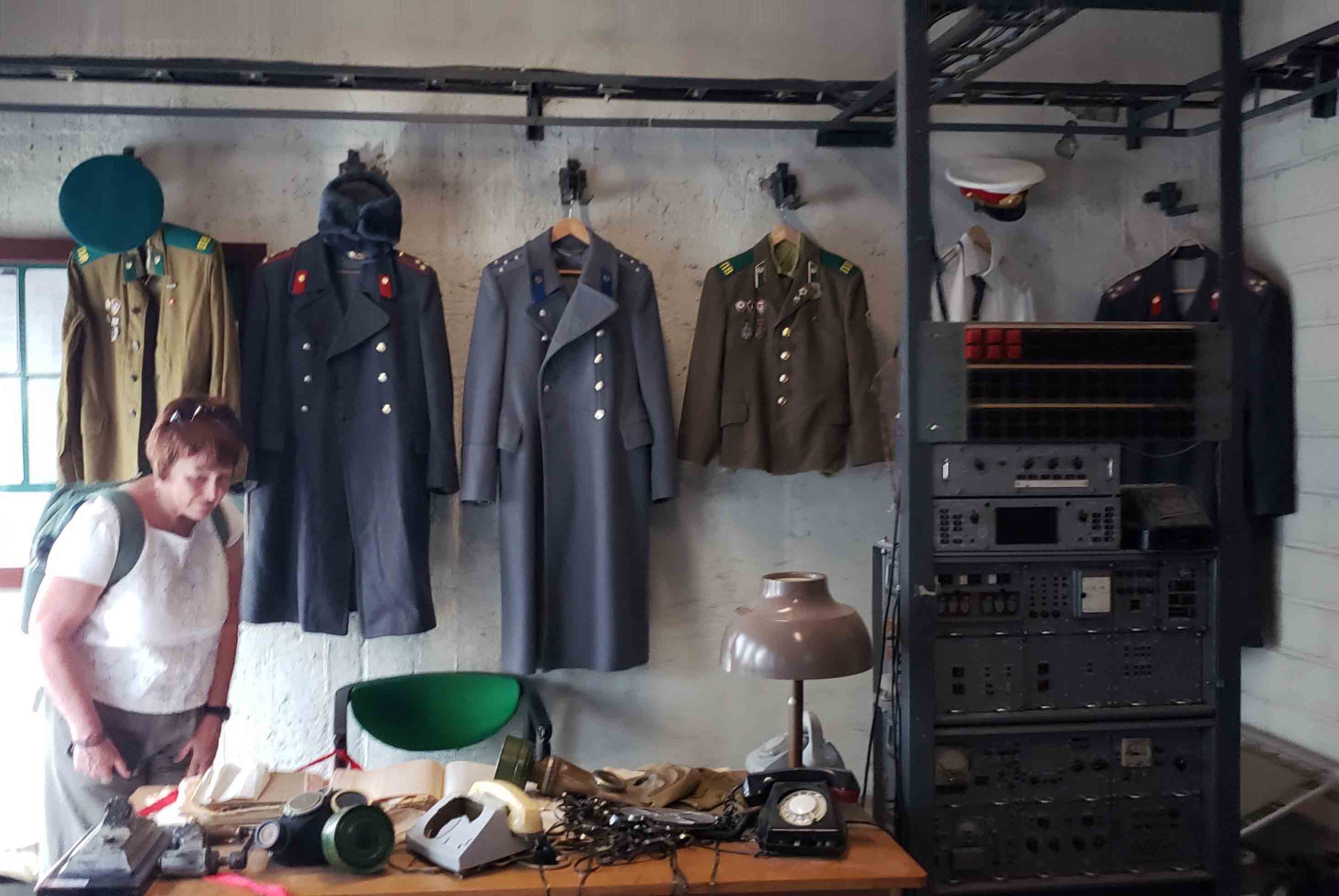
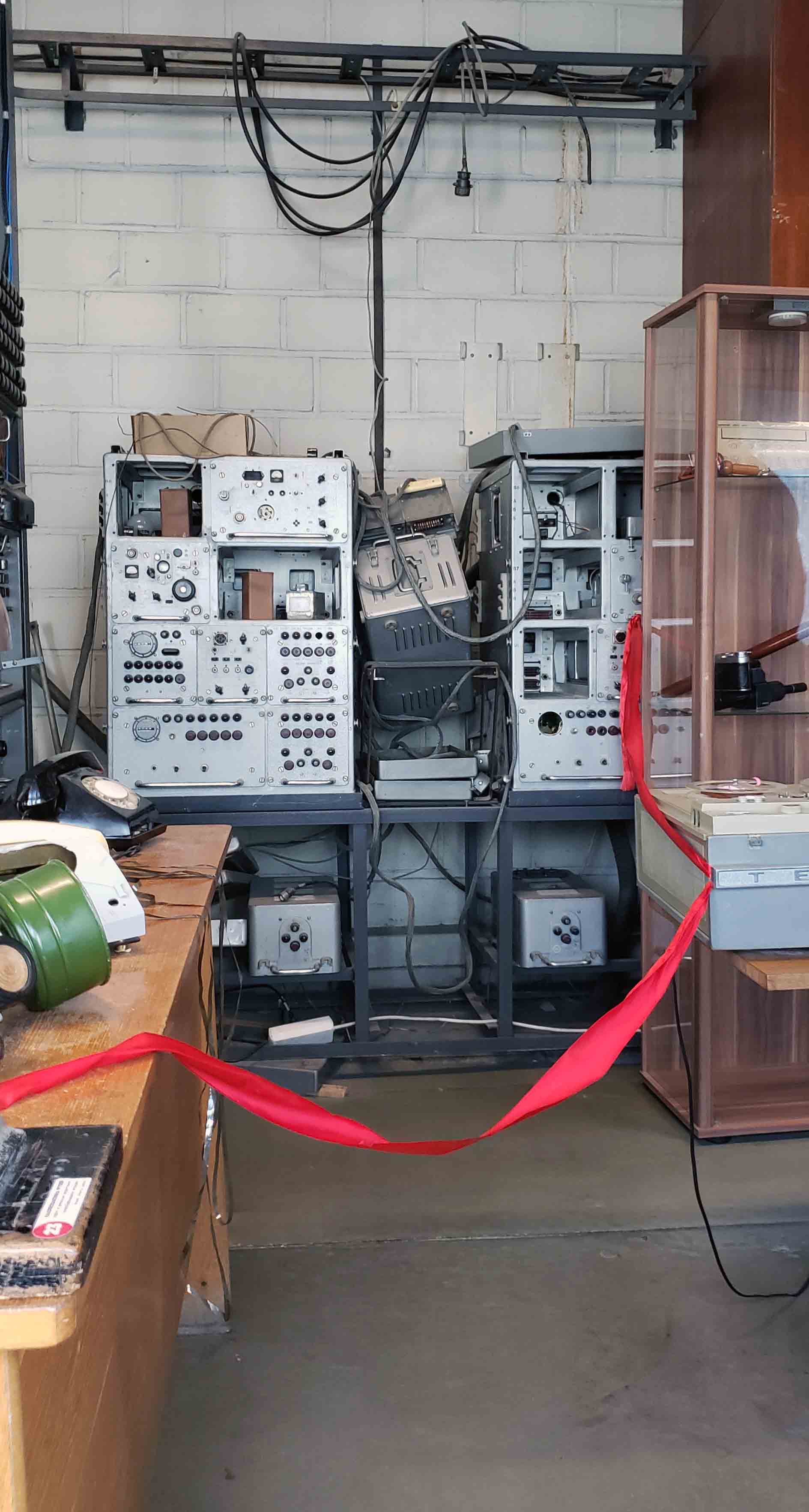
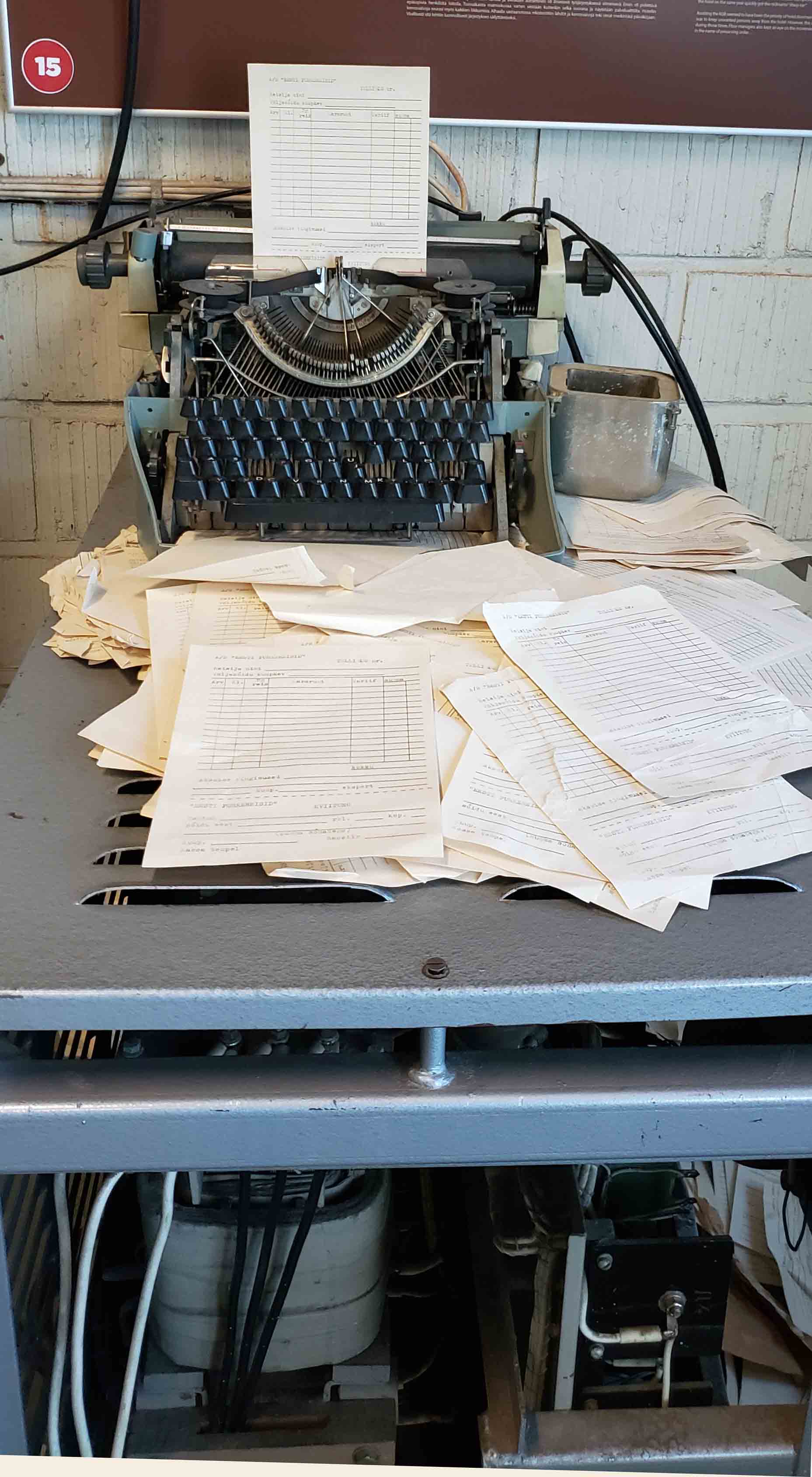
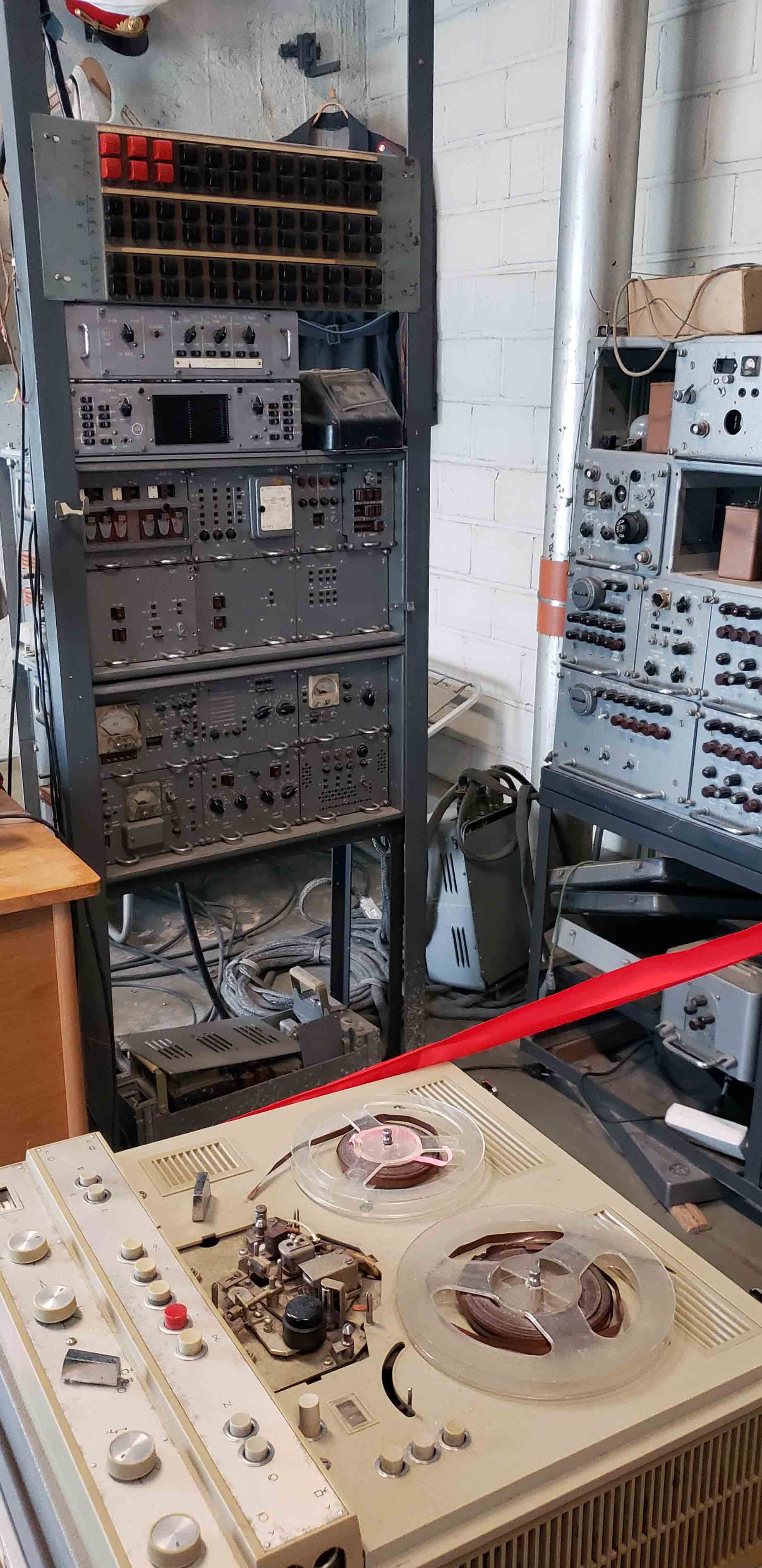
With so many people squeezed into the limited space, any sense of mystery or suspense quickly faded, replaced by a feeling of being rushed through a checklist.
It was hard not to wish for something more immersive, something that really captured the tension and drama I’d been expecting.
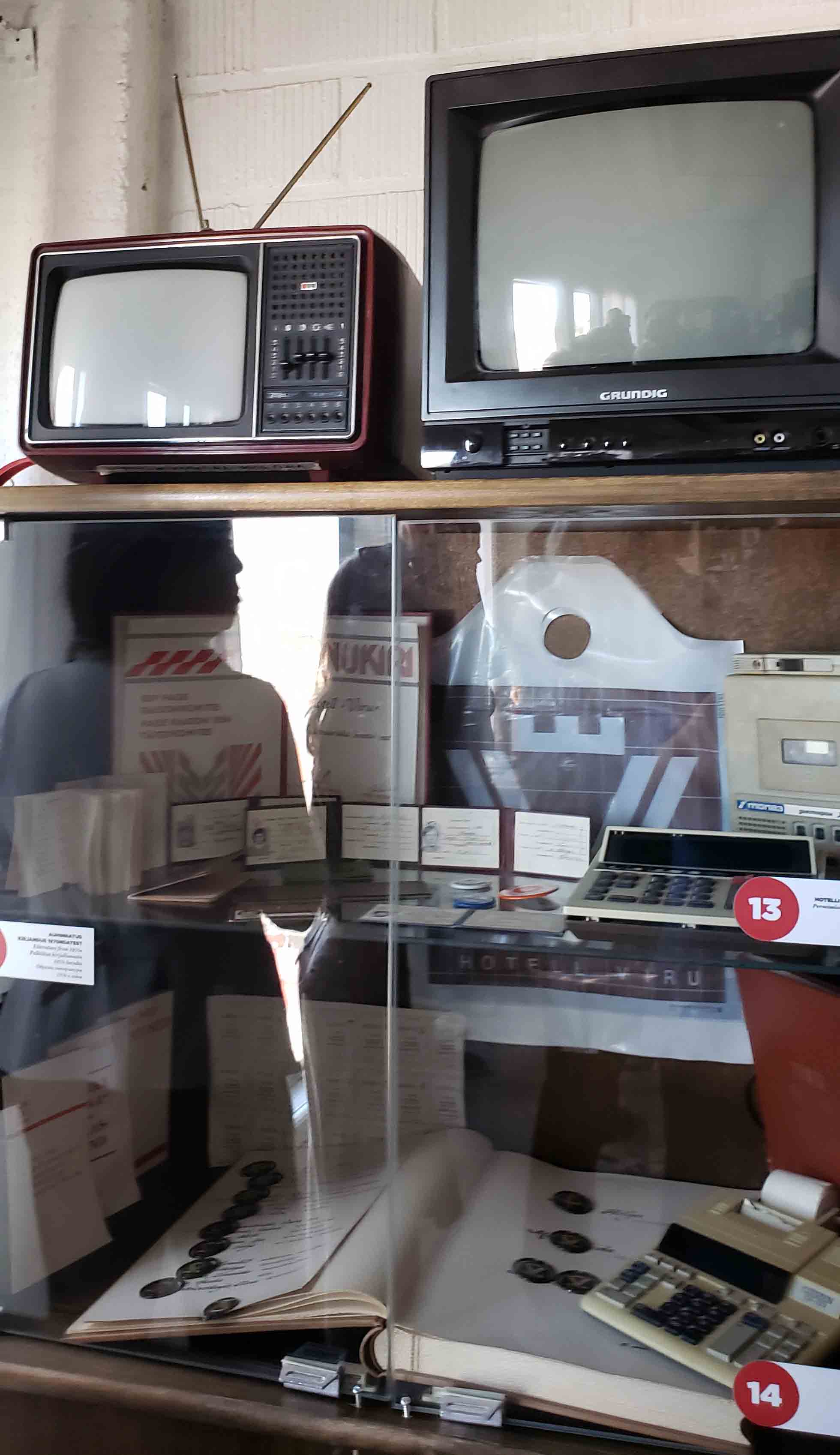
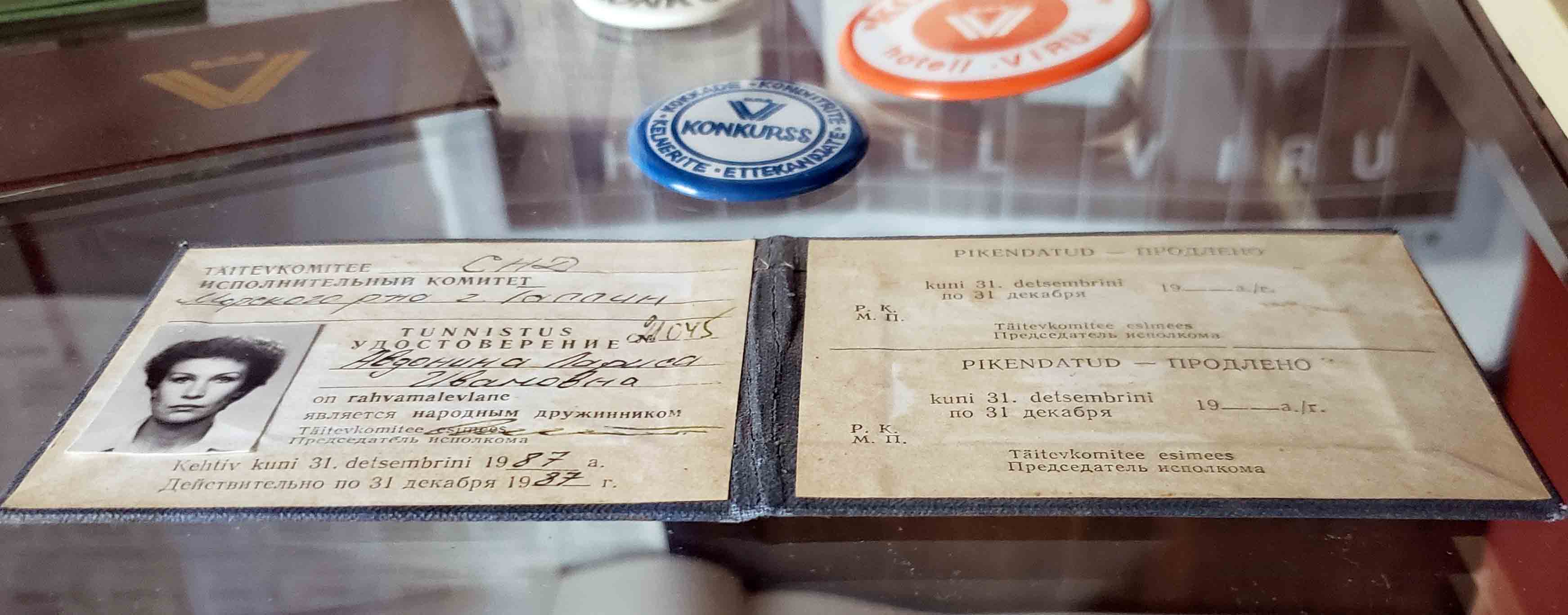
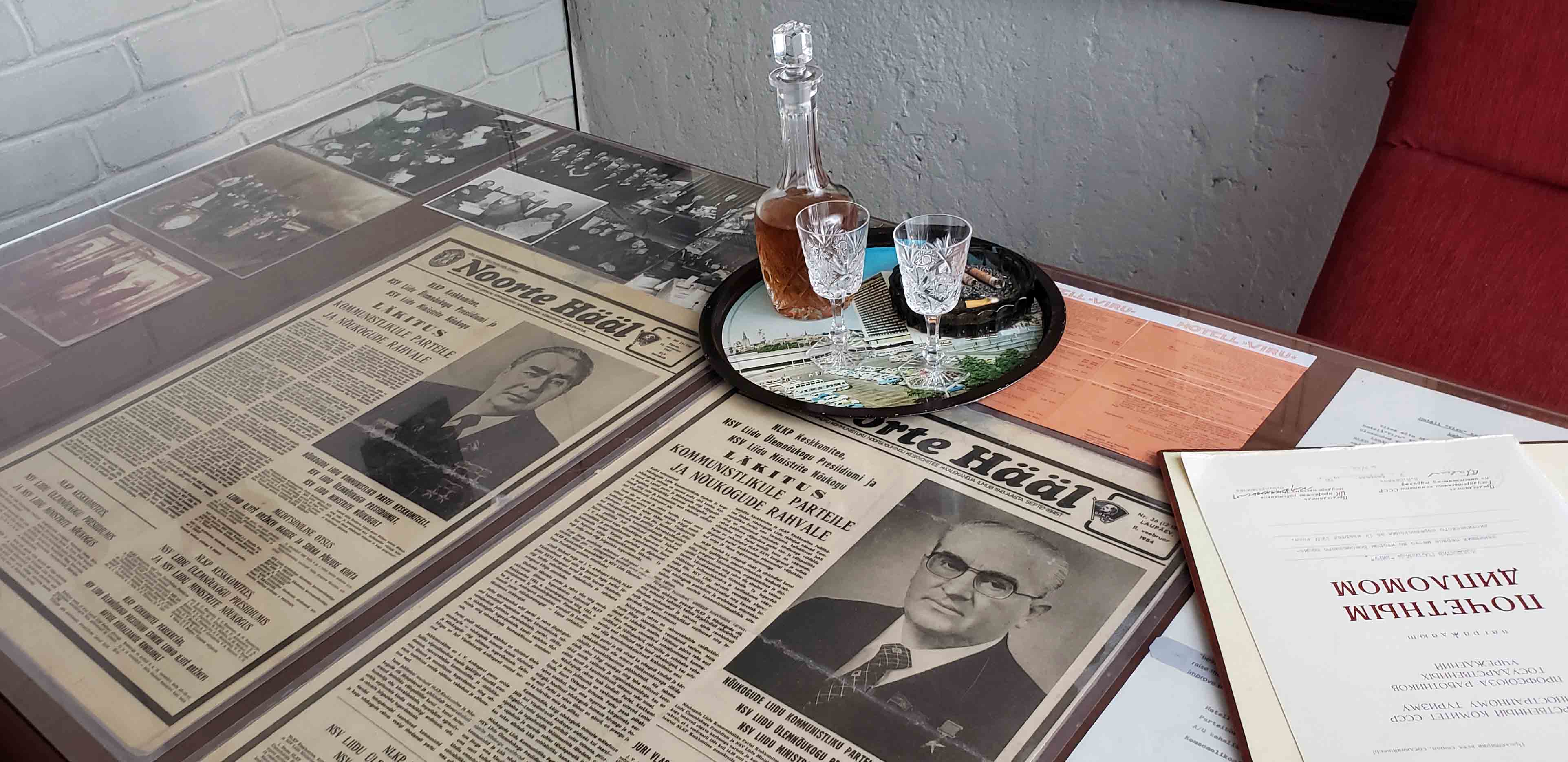
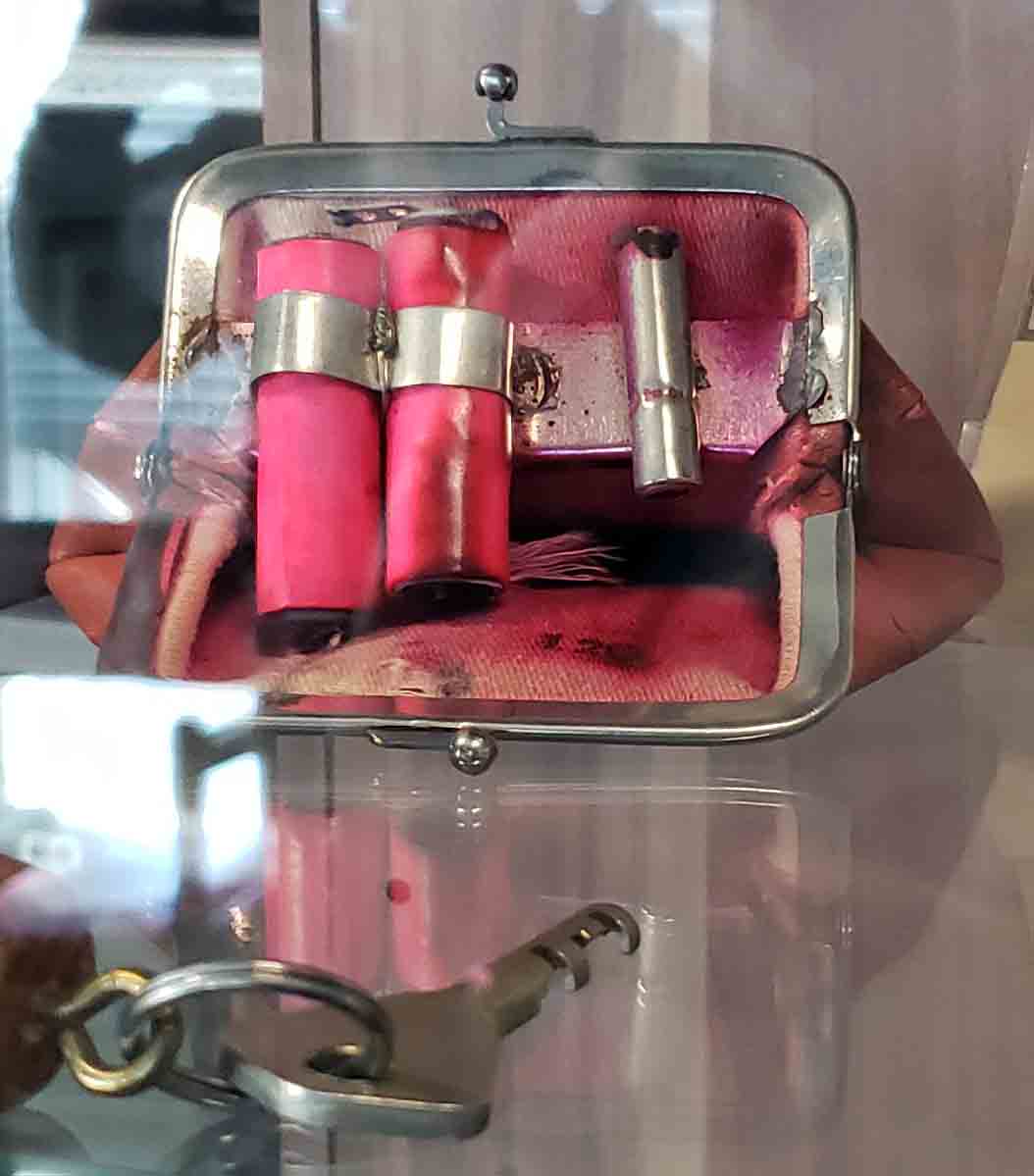
Yet, even with those letdowns, I still found value in the visit. Hearing about Estonia’s history from within the walls where it unfolded was a reminder of how real and recent these events were.
Sometimes, even a modest museum can leave you reflecting on the weight of the past, and I walked away with a deeper respect for the resilience of the Estonian people.
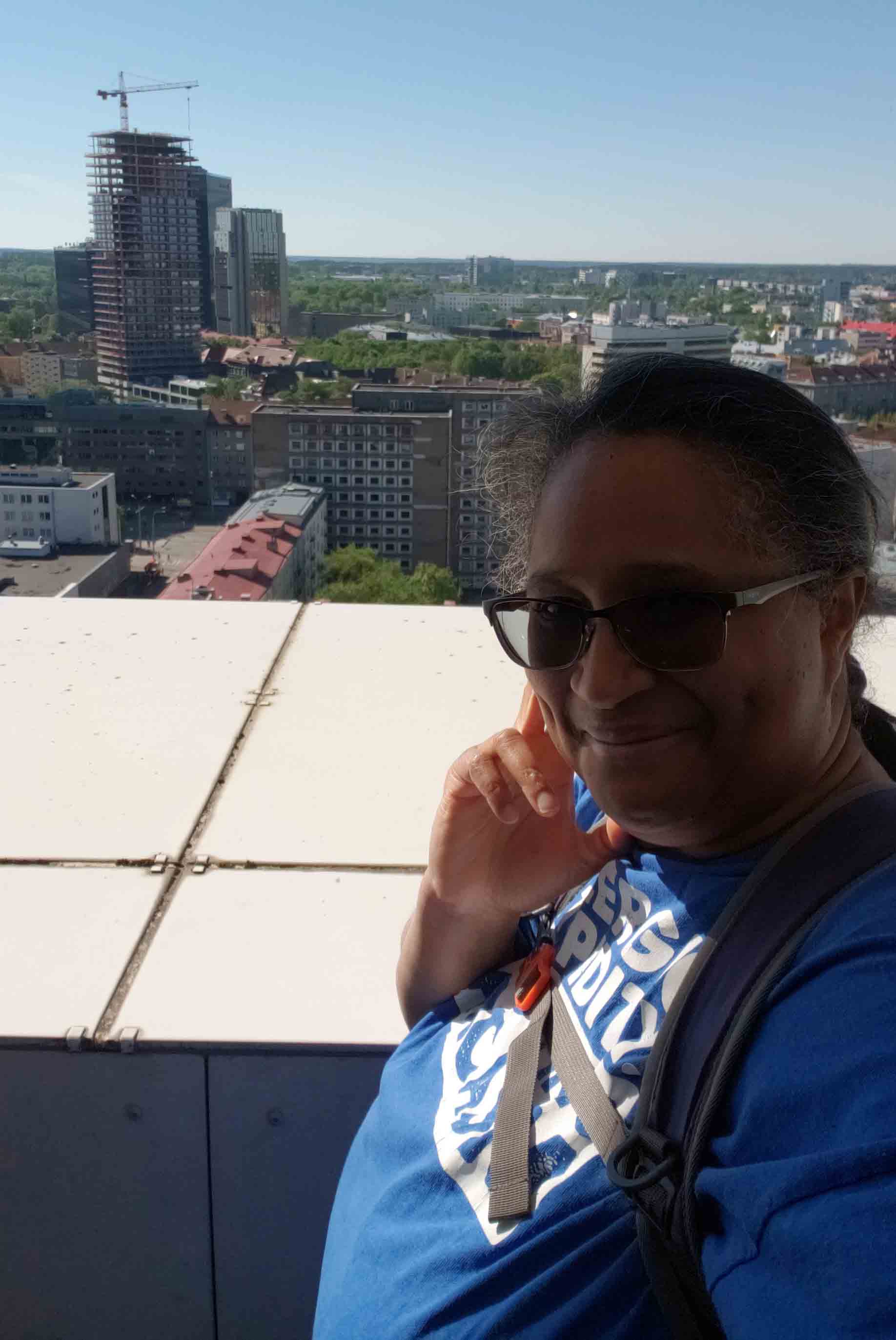
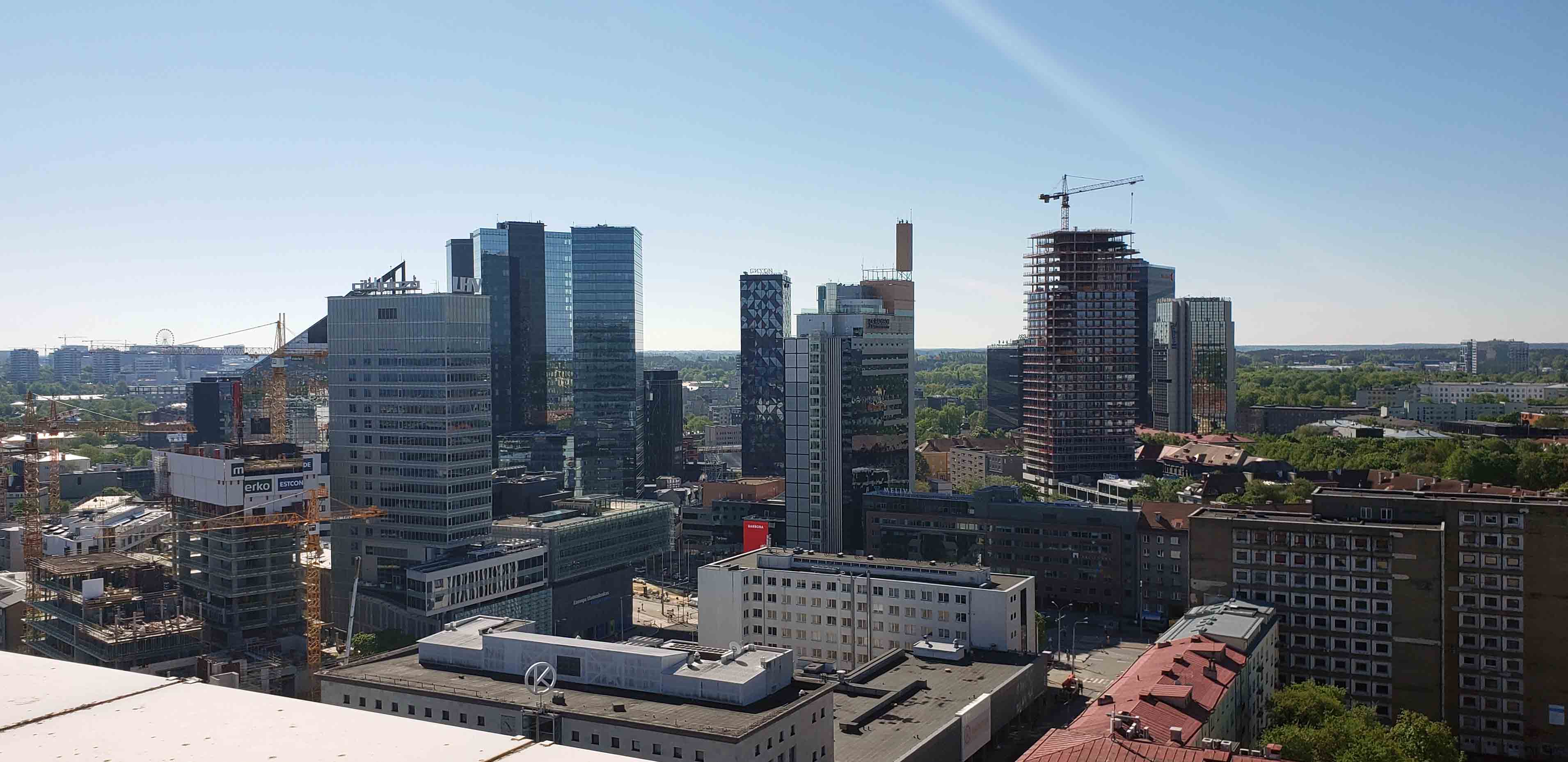
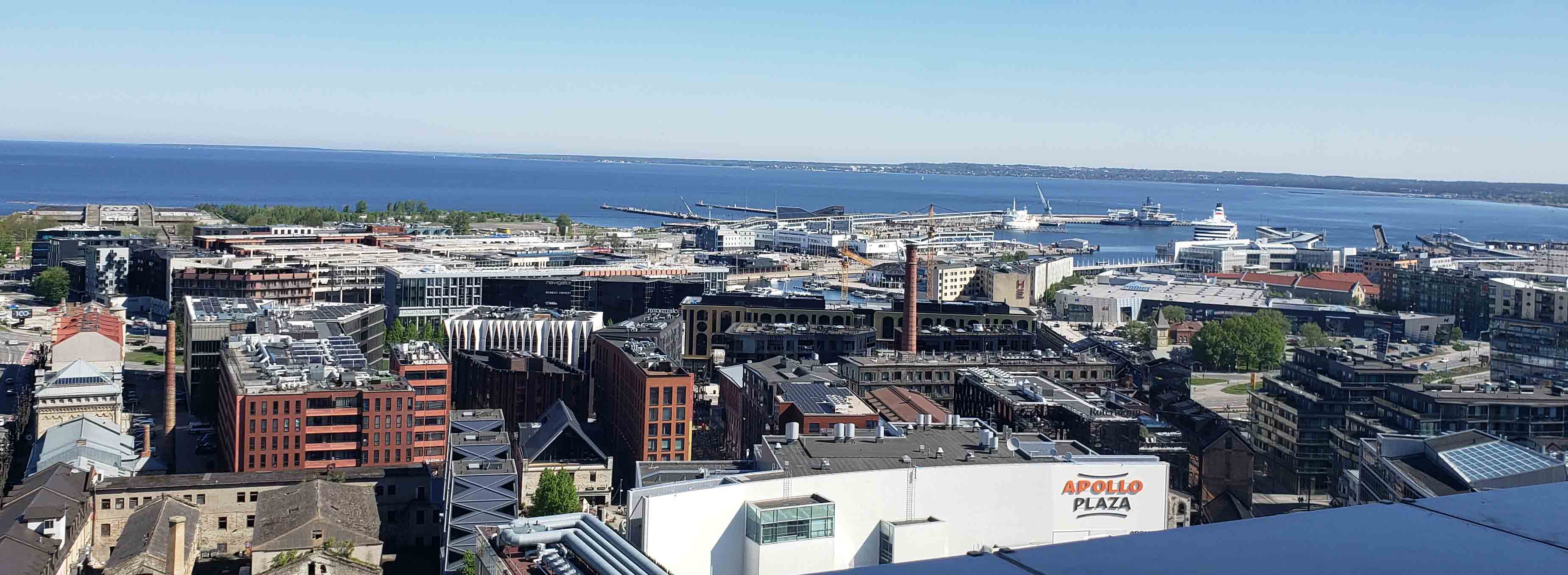
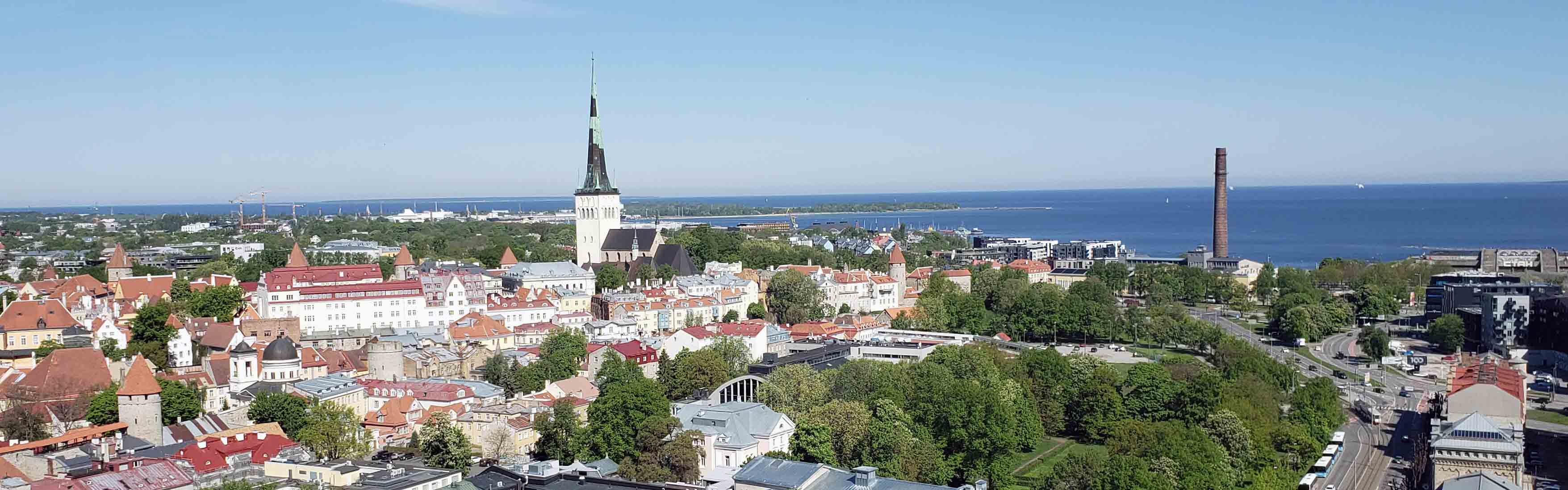
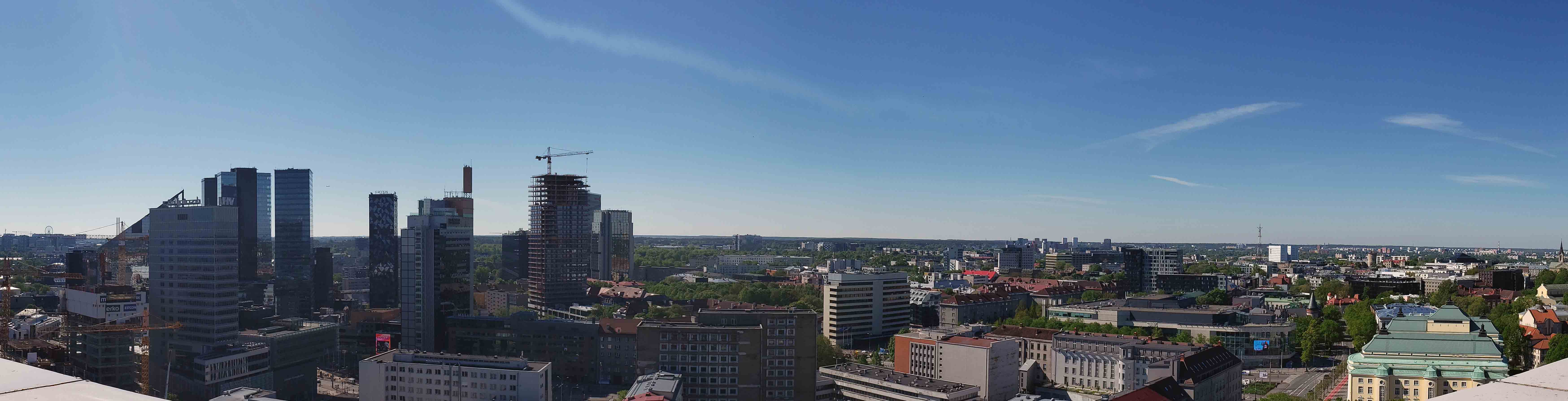
And, the views from the 23rd floor were mesmerizing.
KGB Prison Cells: Echoes of Estonia’s Past
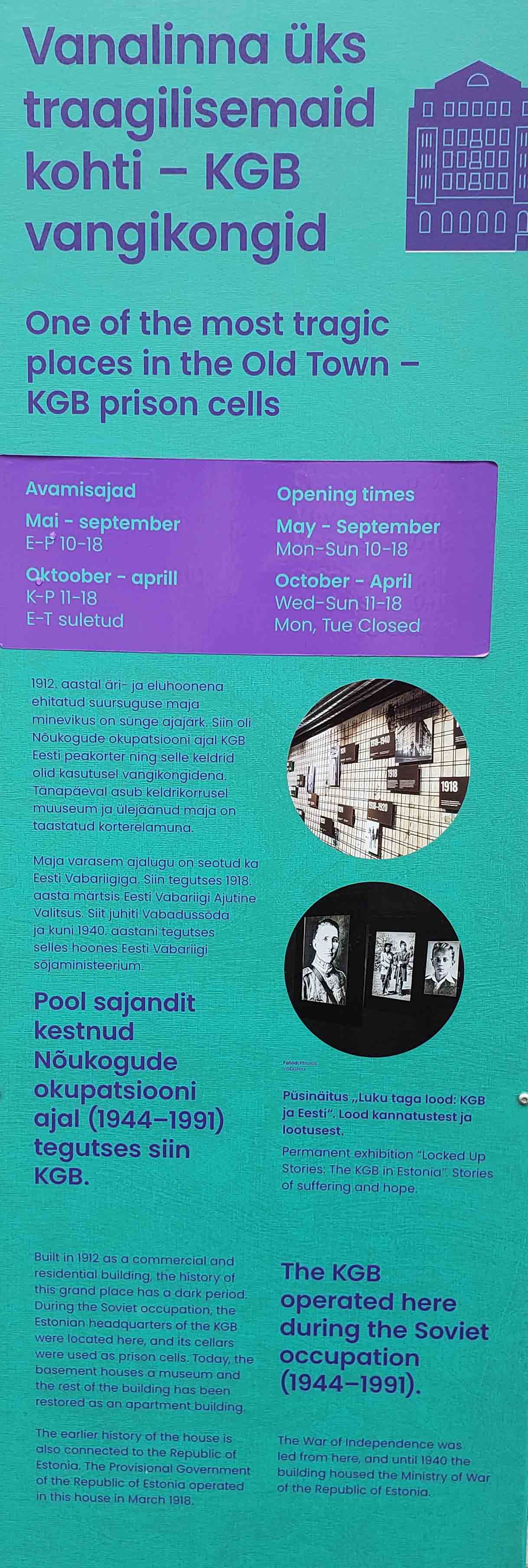
Tucked away at Pagari 1, just a short walk from Tallinn’s Old Town, the KGB Prison Cells offer a stark contrast to the city’s usual charm.
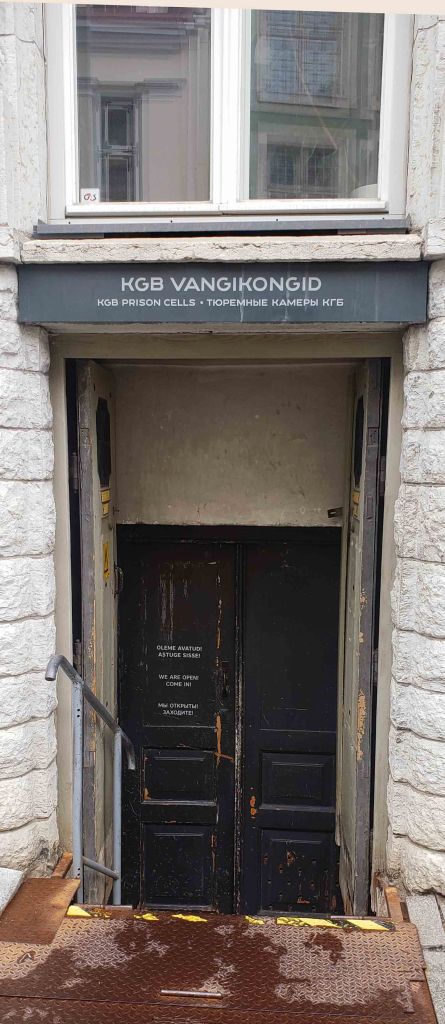
Entry costs €10, but it’s free with the Tallinn Card, which was a welcome surprise.
From the moment I stepped inside, the heavy doors and narrow corridors pressed in, and the thick silence made every footstep echo. The air felt heavy with history and pain.
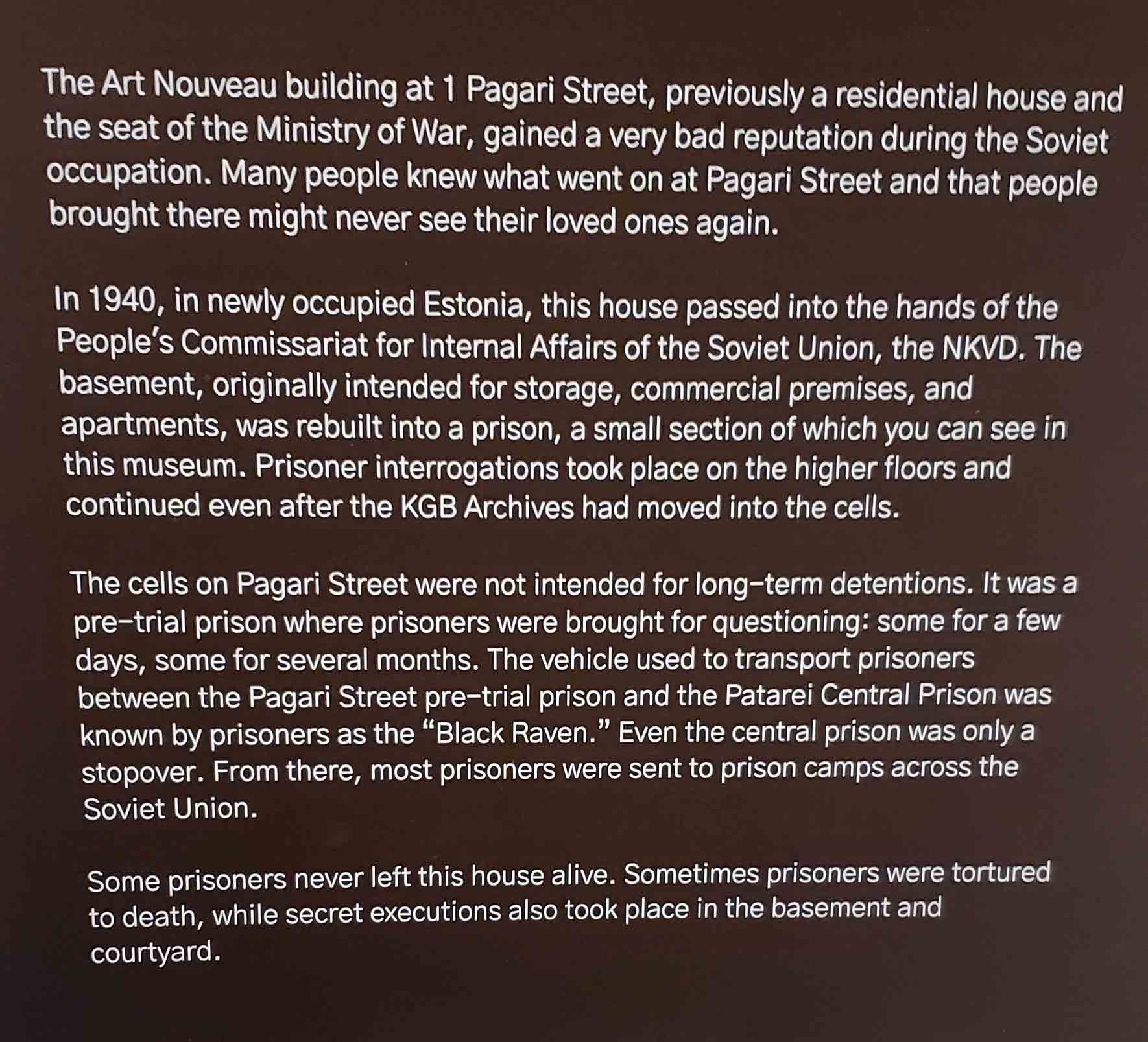
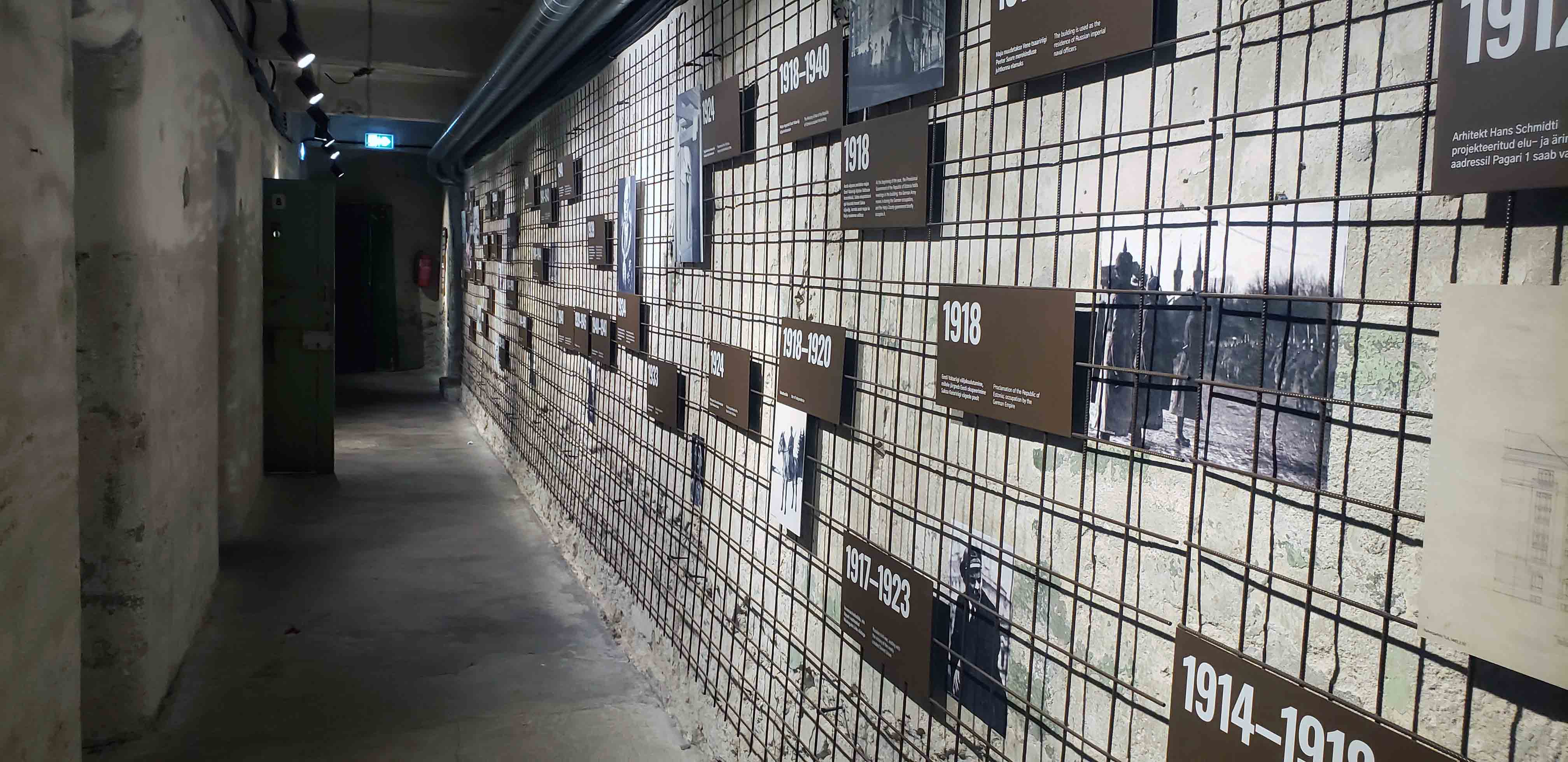
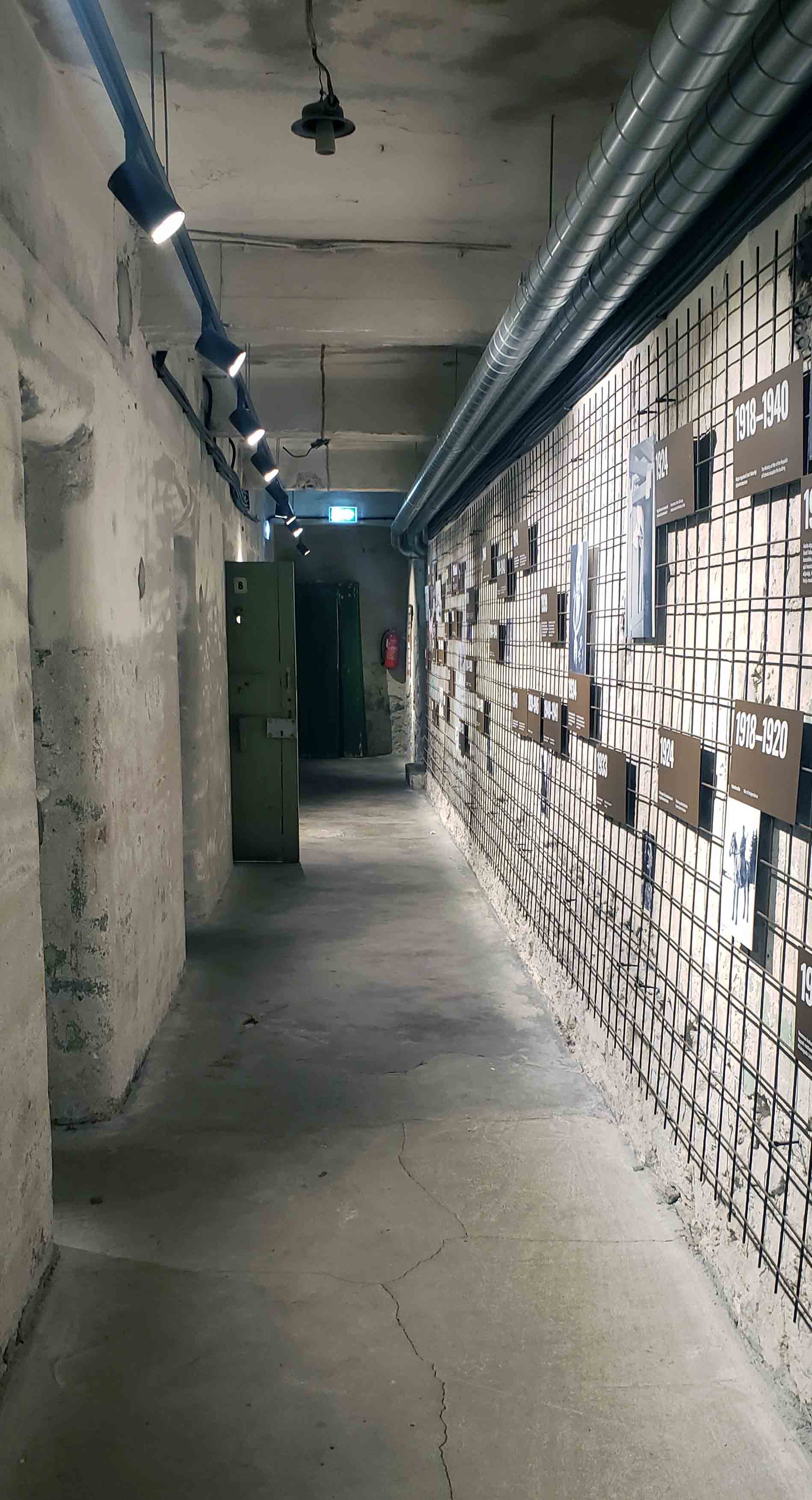
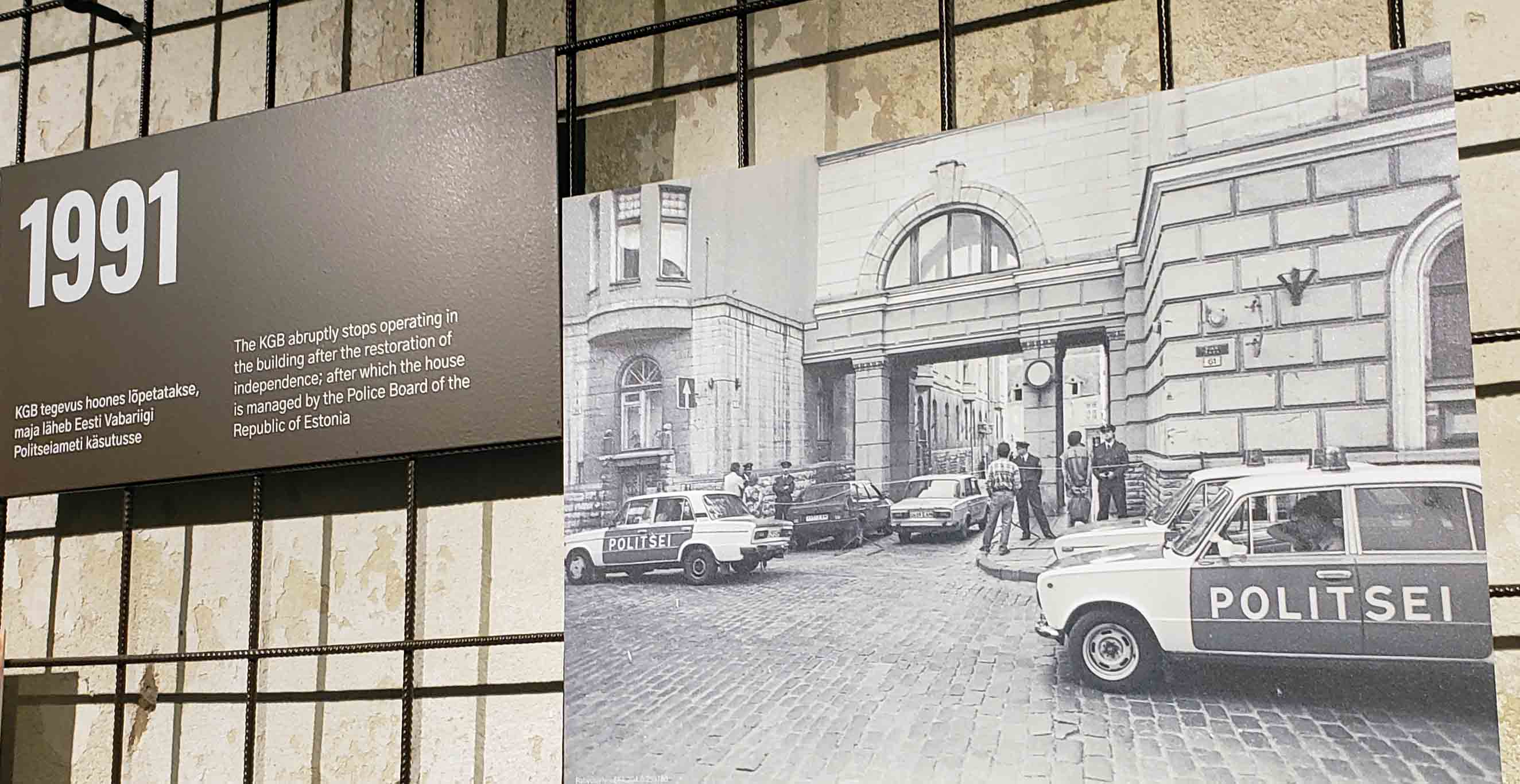
Each cell tells a story, with etched graffiti on the walls, faded photographs, and detailed placards recounting the fate of prisoners who were interrogated and often tortured here during the Soviet occupation.
The museum does not shy away from the brutality. Reading about the conditions and watching the survivor testimonies was deeply unsettling.
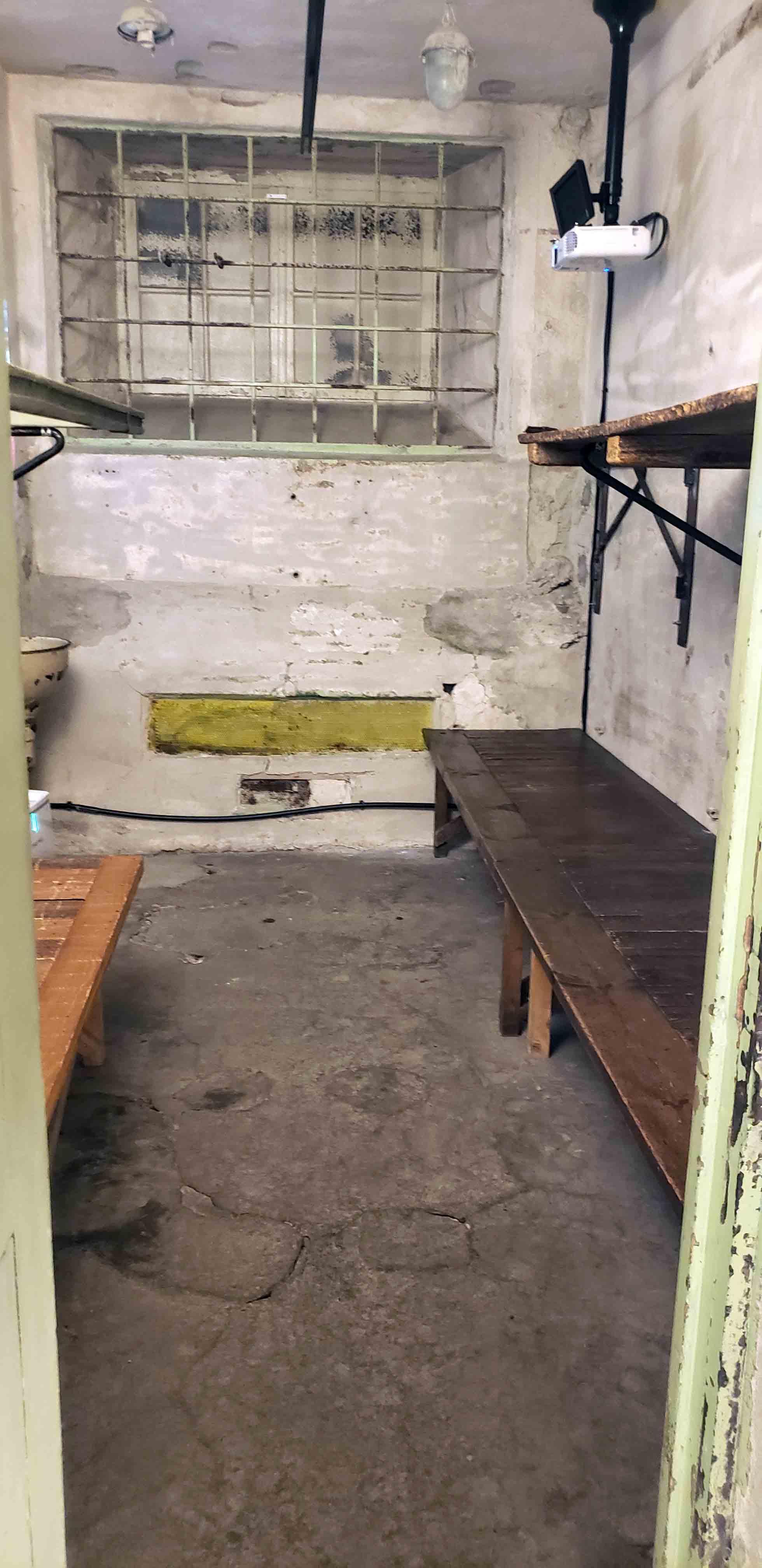
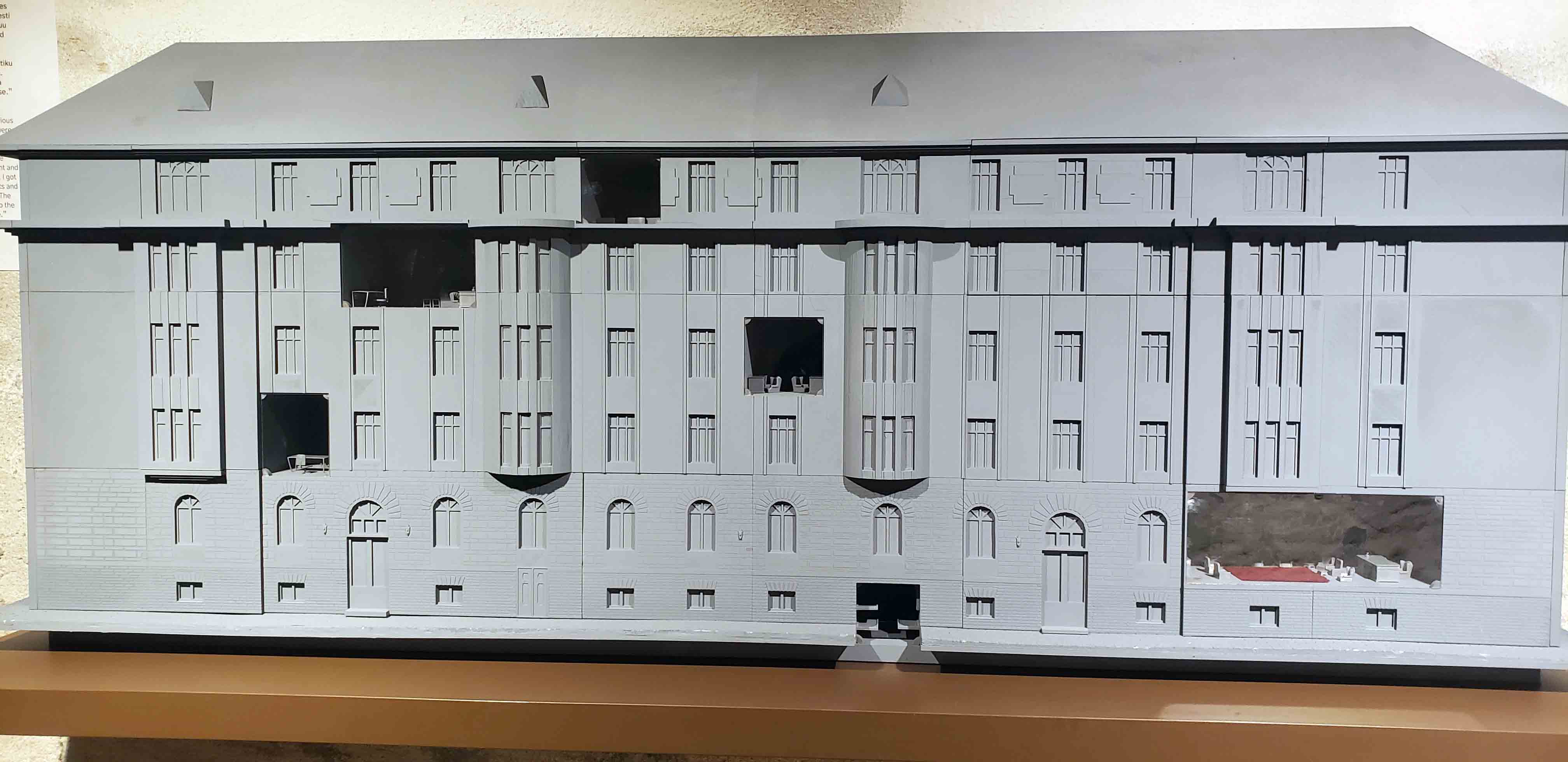
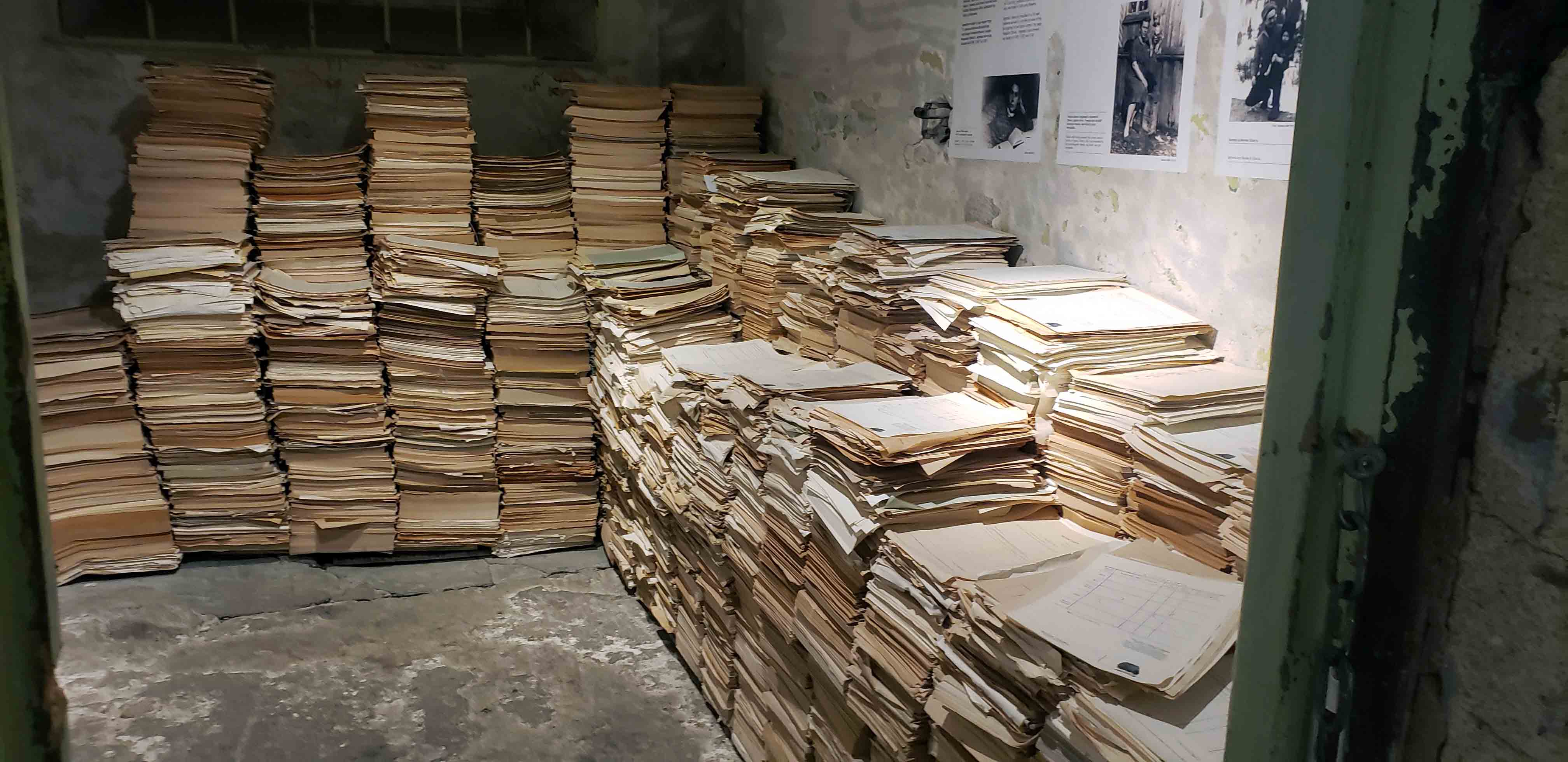
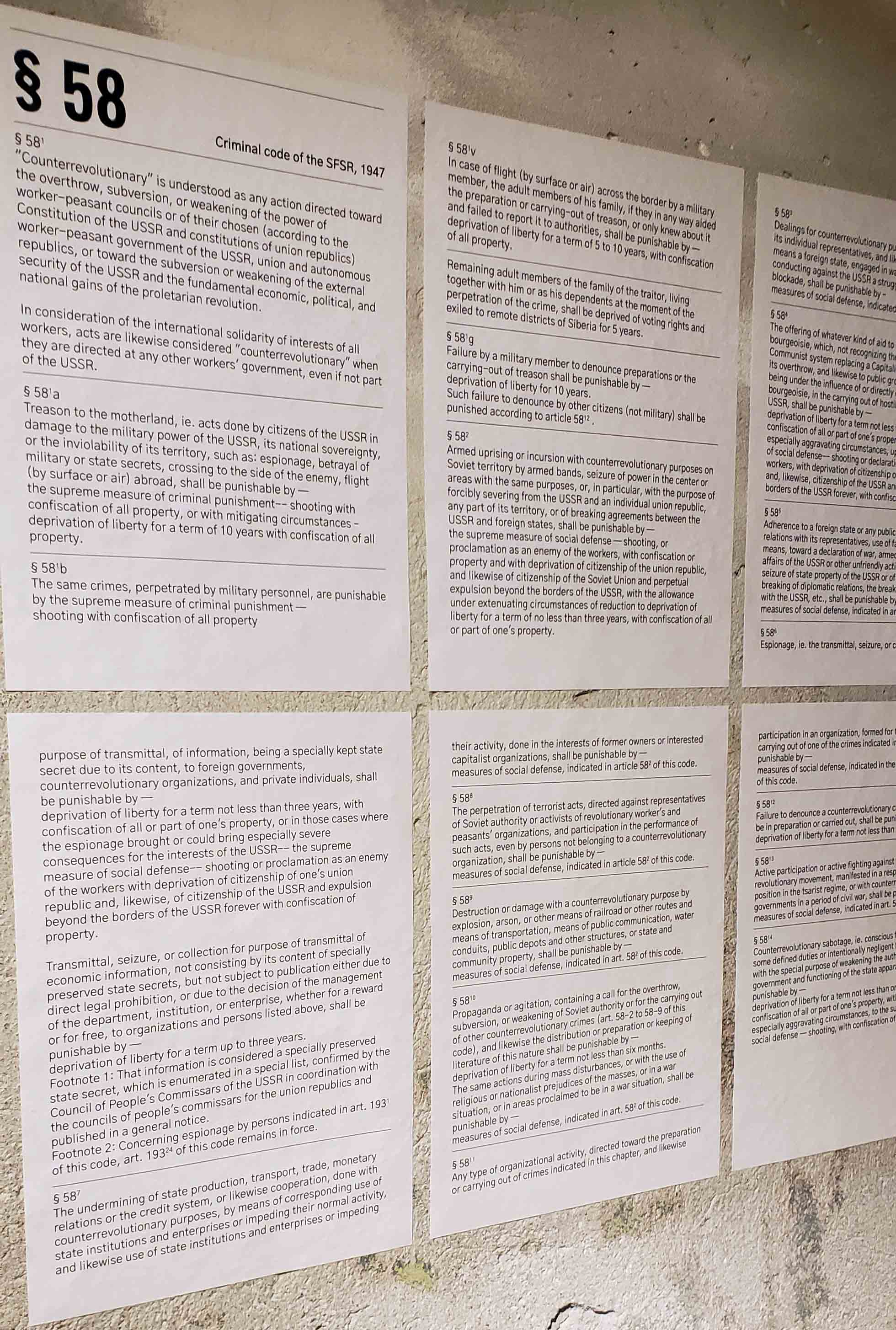
The small barred windows let in barely any light, which heightened the sense of claustrophobia.
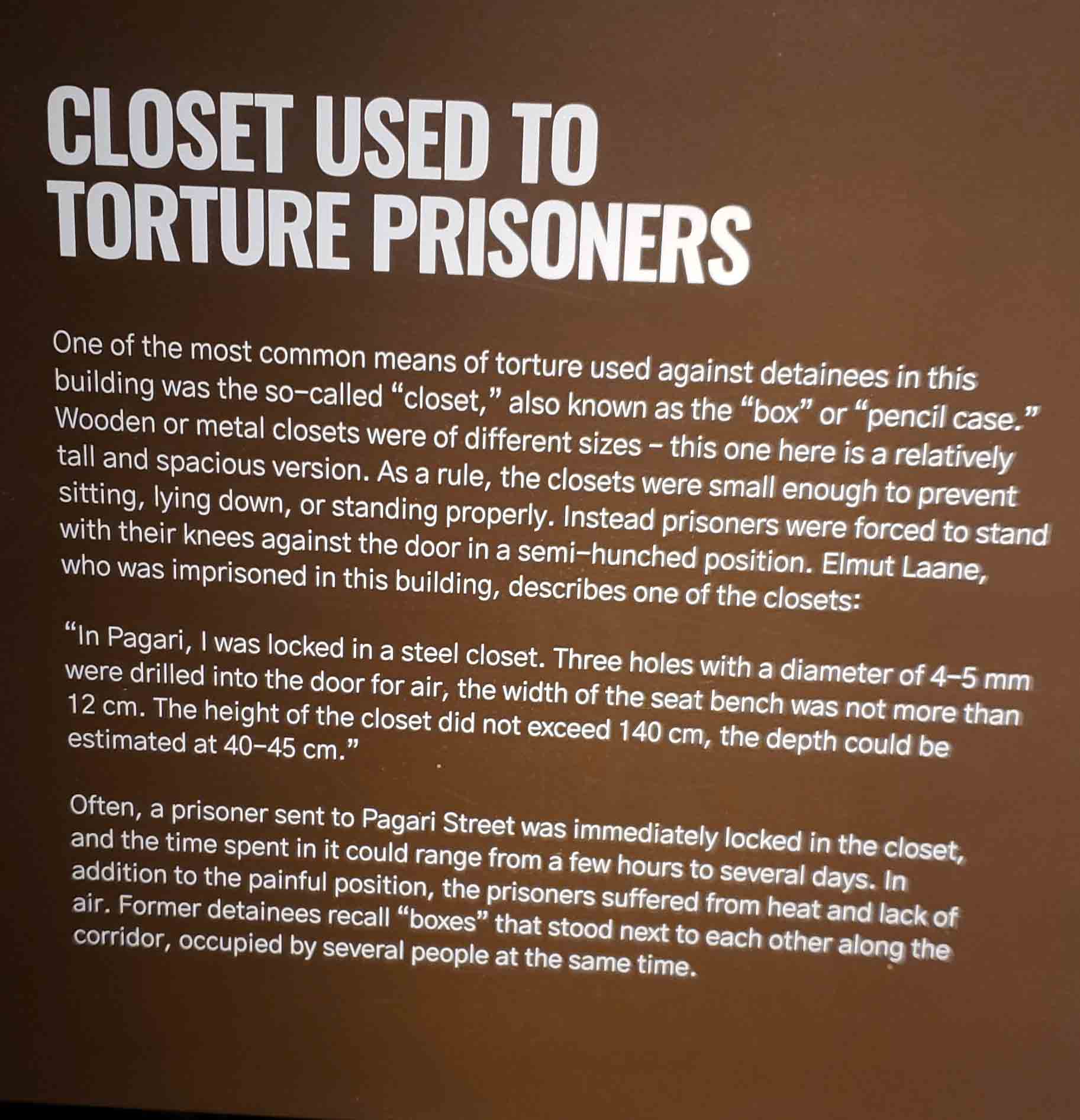
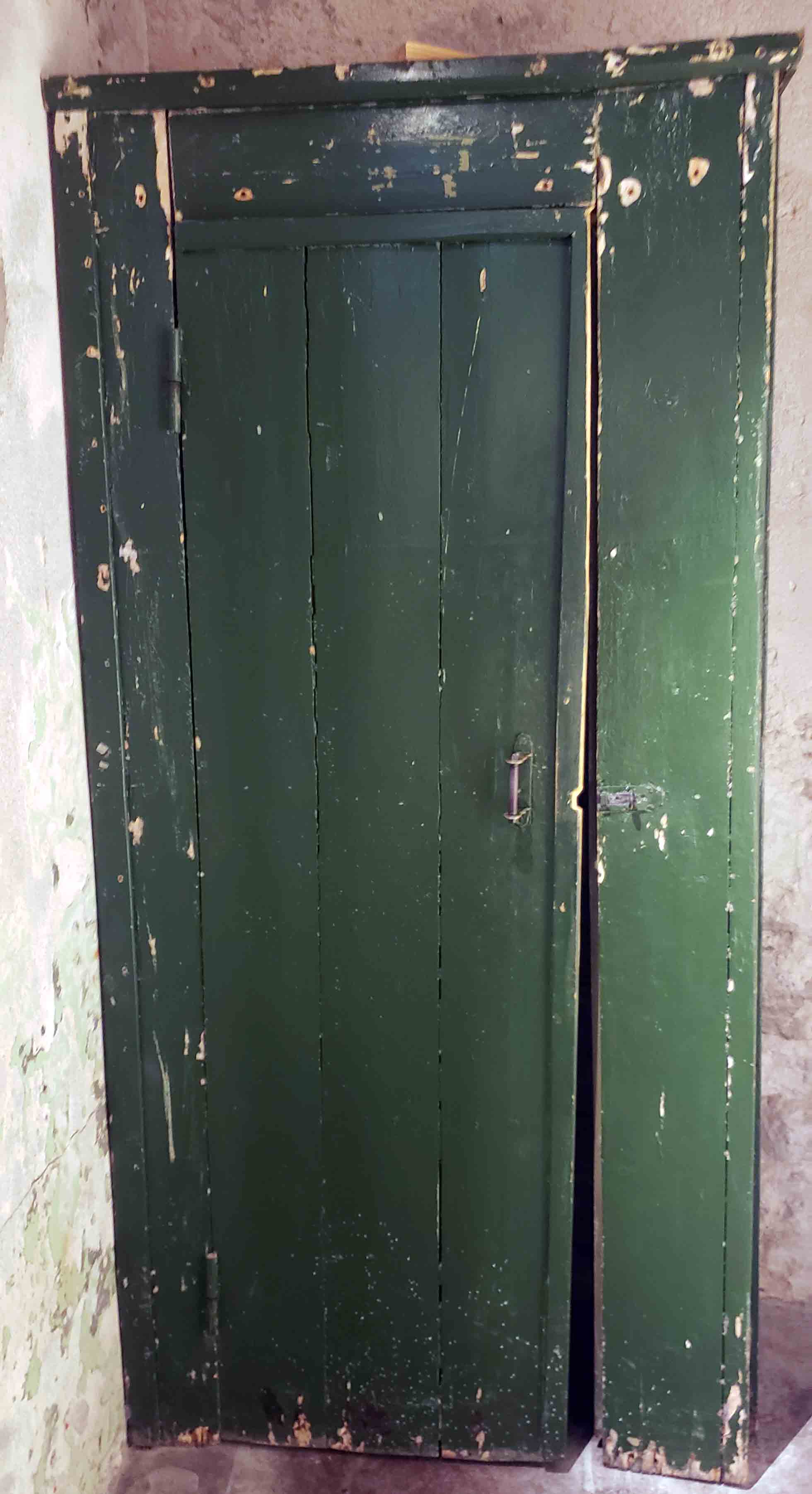
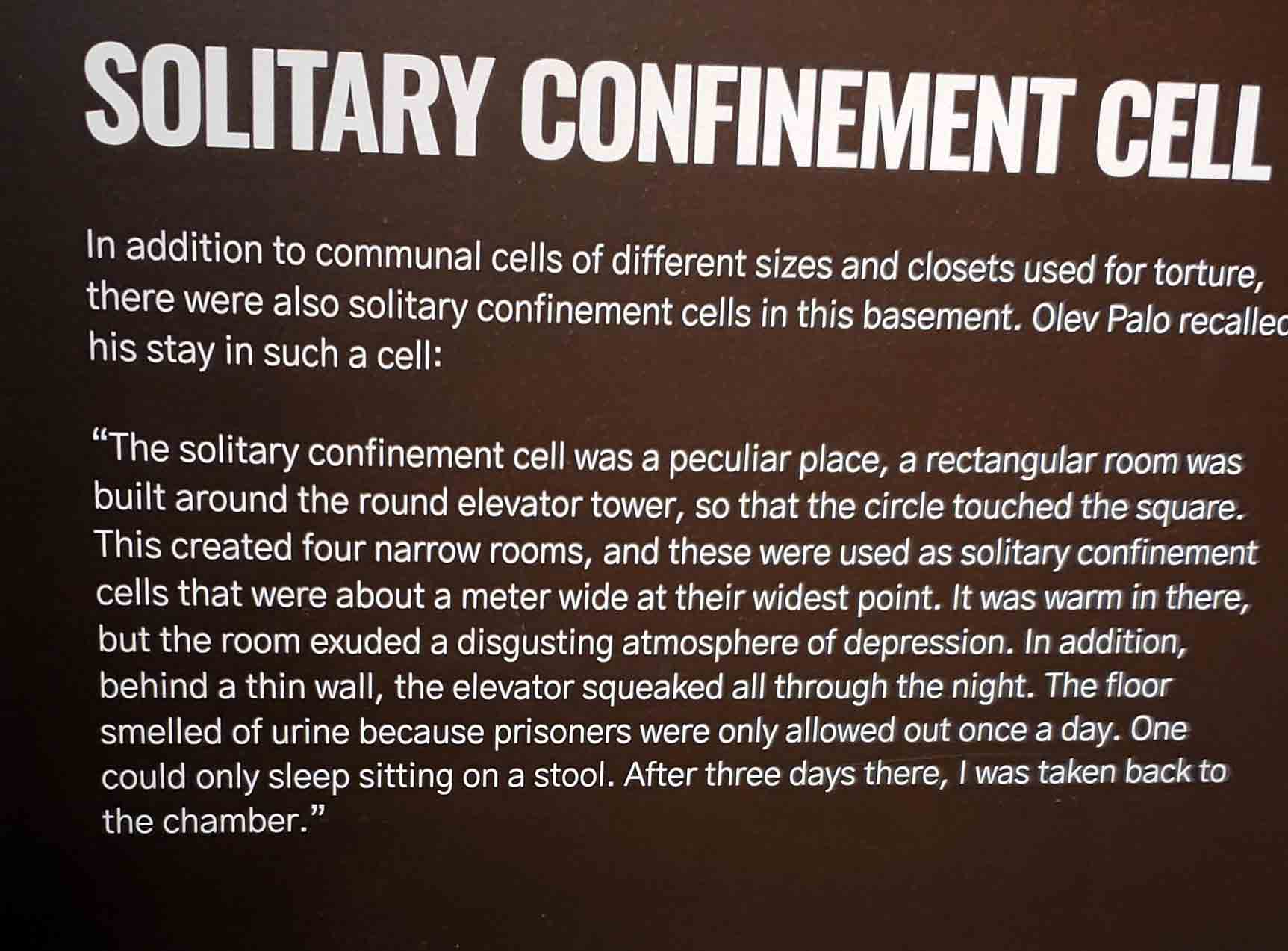
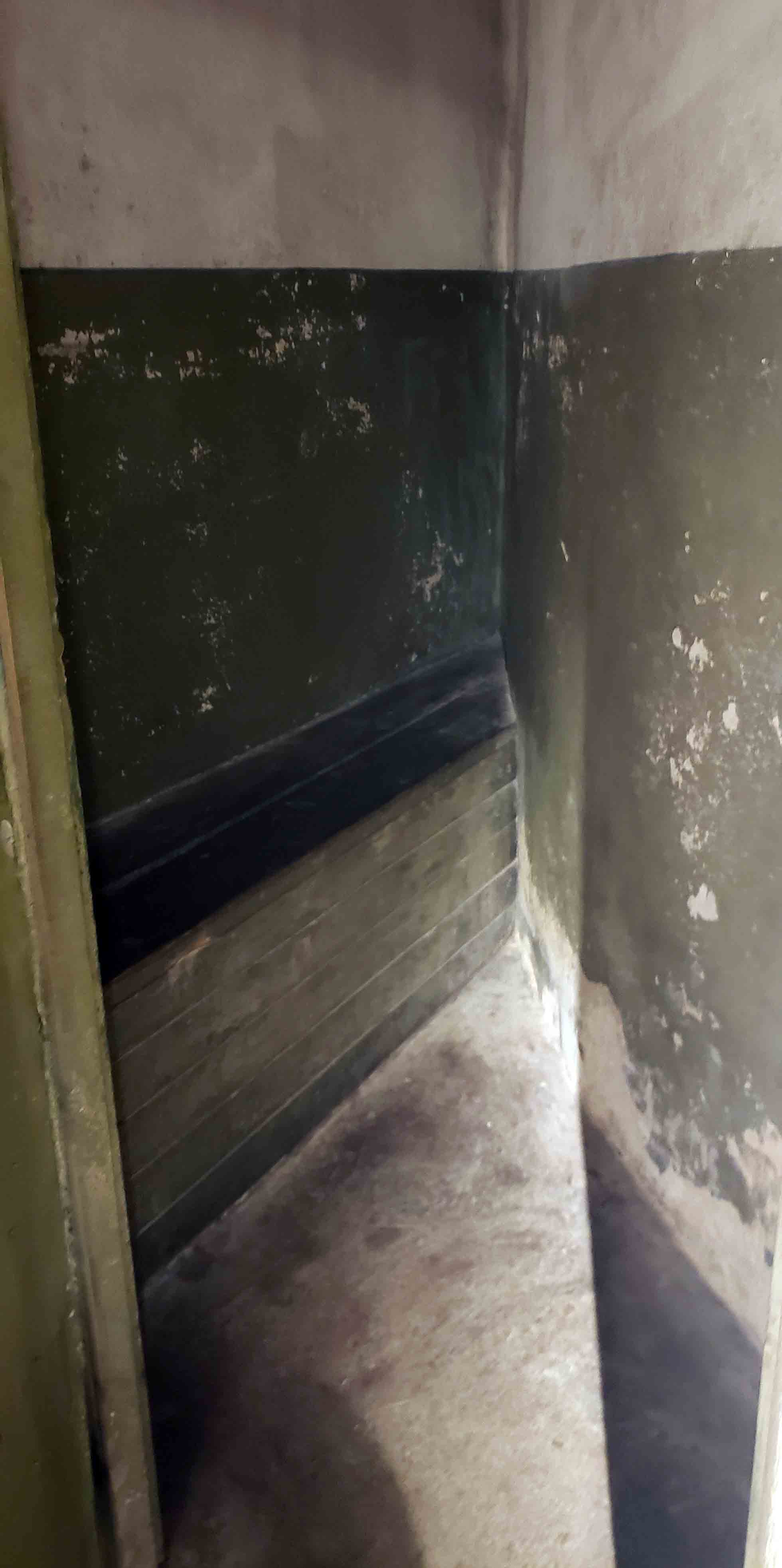
The experience is immersive and emotional, making it impossible not to reflect on the resilience and suffering of those who endured this place.
I spent nearly 45 minutes moving slowly from cell to cell, absorbing every account and watching the short but powerful documentary videos.
Up Next: Hidden Stories and Living History
The journey through Tallinn is far from over. Next time, I’ll be trading cold war secrets for the vibrant pulse of city life and the ancient stones of Tallinn’s fortifications.
Join me as I step into the Tallinn City Life Museum and the People’s Museum to discover the everyday spirit that shapes this city, before climbing into centuries-old towers at the Kiek in de Kök Fortifications Museum.
Expect tales of merchants and townsfolk, legends of sieges and survival, and glimpses into how Tallinn’s heart beats in both the past and the present.
If you thought the history here was gripping, just wait until you see what’s next.
Until next time…

