
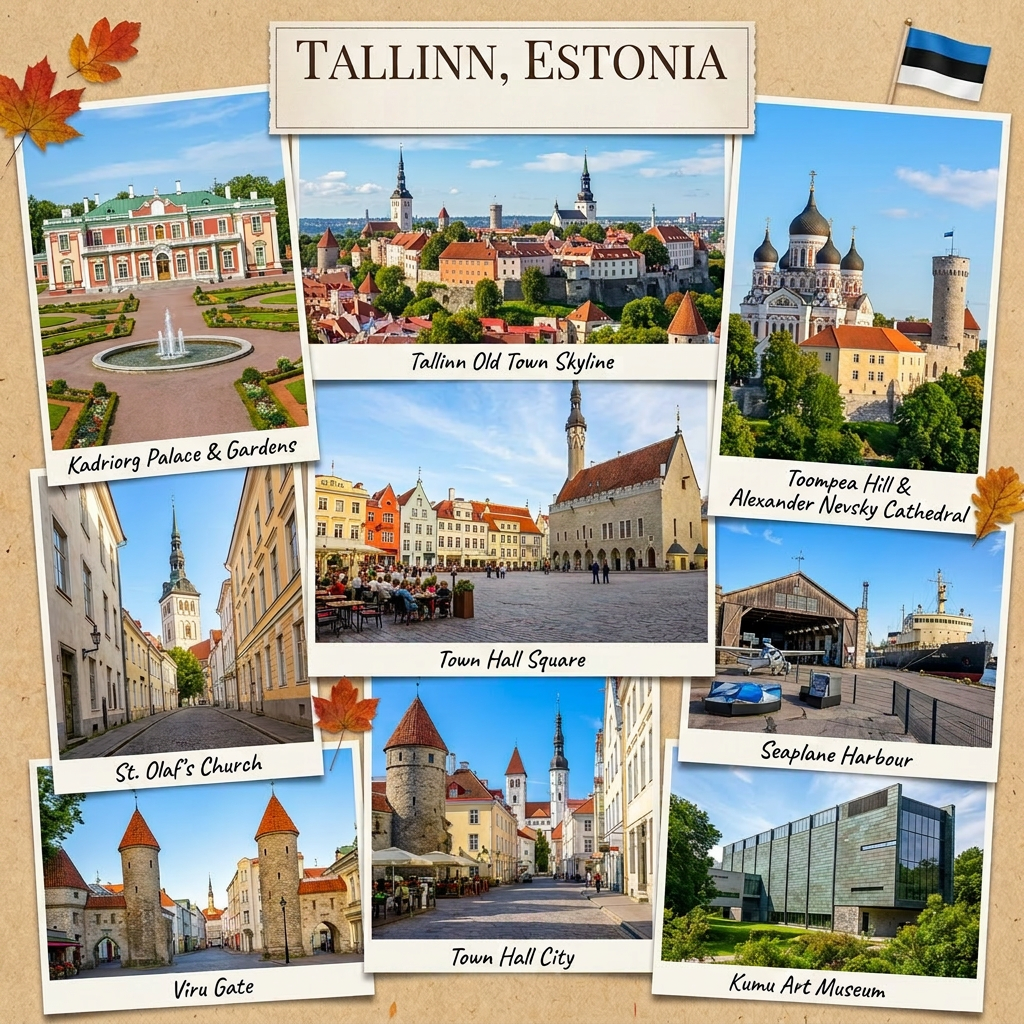
Tallinn Bound is back for a second round of travel shenanigans!
In my first entry, I spilled the beans on why Tallinn made the cut and how I crunched the numbers to create a budget.
#SpoilerAlert — my spreadsheet deserves a medal.
With my wanderlust and wallet lined up, the journey officially shifts gears. I moved from dreaming and budgeting to the fun, and sometimes chaotic, process of booking flights and finding lodging.
Booking flights and hotels is where the daydreaming gets real. Suddenly, you’re clutching a boarding pass and hoping your hotel bed is comfier than your couch back home. Fingers crossed for fluffy pillows and less snoring next door.
Jet, Set, Tallinn! (Booking Flights)
My journey to Tallinn began with a flurry of research into the best flights from my city.
But let’s be honest, there’s more than one way to make a grand entrance!

For a moment, I considered a Baltic ferry because nothing says adventure like braving sea breezes and mystery meat buffets.
An overnight train with scenery rolling by at the speed of your average nap was given great consideration.
If I were a road-trip romantic, zigzagging across half of Europe in a rental car, snacks at the ready, and my GPS begging for mercy, that would be an awesome adventure.
Long-distance buses? Sure, if you want stories about suspicious rest stops and the world’s strongest instant coffee.
I even pictured rolling up in James Bond style on a cruise ship, but since just thinking about boats makes me seasick, that fantasy didn’t last long.
Ultimately, flying won out. There’s just something magical about soaring above the clouds, passport in hand, munching on the world’s most overpriced airport snack while your featured movie plays on your iPad.
Flight Search Shenanigans
If finding cheap flights were an Olympic sport, I’d at least make it to the semifinals. Armed with caffeine and a deep distrust of Tuesday afternoon price drops, I sat down and got to work.
Before booking, there’s one more thing I always consider: should I buy my ticket directly from the airline, or use a third-party booking site?
Here’s a quick rundown of the pros and cons I consider when deciding:
Booking Direct with Airlines
Pros:
- Easier to resolve issues or make changes
- Get priority customer support
- Eligible for airline loyalty programs, upgrades, and perks
- Fewer risks of booking errors
Cons:
- Sometimes their prices are higher than those on third-party sites.
- Fewer bundled deals with hotels or car rentals
Booking Through Third-Party Sites
Pros:
- Can find lower prices or package deals
- Compare multiple airlines at once
- Flexible search tools for dates and routes
Cons:
- More difficult to change or cancel flights
- Customer service can be slow or unhelpful
- Risk of hidden fees or booking errors
- Changes may be subject to third-party policies, not airline policies
I chose to book directly with the airline. What can I say? When it comes to booking flights, I prefer to cut out the middleman.
There’s no mysterious third-party shenanigans, just me and the airline, staring each other down like it’s the Wild West of travel.
Plus, if something goes sideways, I know exactly who to call and who to blame.
Hack to the Future: Fare Play Edition
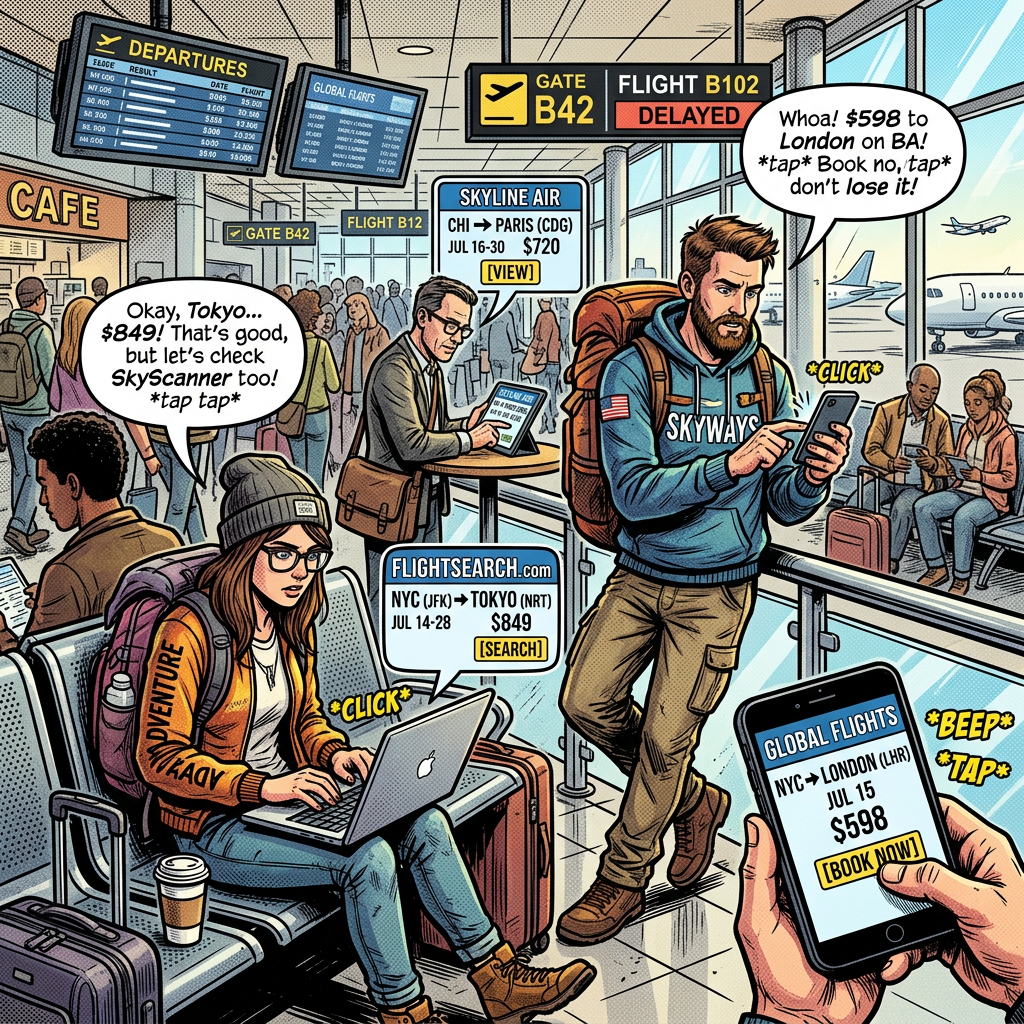
Here are a few of my favorite flight-finding hacks:
- I use flight comparison sites like Google Flights, Skyscanner, or Momondo to get a sense of the cheapest dates and routes. Sometimes shifting your trip by a day or two can save a surprising amount.
- I try searching for flights in different currencies or from various countries. Airlines sometimes price lower for different markets, a hack worth testing.
- Another hack: I always check nearby airports for both departure and arrival. A brief car or train ride could yield big savings.
- For example, when living in St. Louis, I often took Amtrak to Chicago and flew out of O’Hare. That five-hour train ride saved me $300 (one-way) compared to flying direct from St. Louis.
- For example, when living in St. Louis, I often took Amtrak to Chicago and flew out of O’Hare. That five-hour train ride saved me $300 (one-way) compared to flying direct from St. Louis.
- Finally, I set up fare alerts, so I’m instantly notified if prices drop or spike.
The Early Bird Gets the Boarding Pass
I always try to get the very first flight of the day, even if it means setting an alarm for what I’m pretty sure is still “yesterday.”
There’s something magical about navigating an almost-empty airport. It’s just you, the cleaning crew, and a single, over-caffeinated barista.

Unfortunately, the first flight from my city’s airport is in the late morning. Despite this, I chose this option because it was the first direct, non-stop flight of the day. There were earlier flights, but they weren’t direct.
Yes, there were even cheaper flights, but they didn’t arrive in Tallinn until late evening. I don’t want to waste an entire day trying to get to my destination. The flight I ultimately booked cost around $400 roundtrip, checked luggage included. This felt like a solid deal for a nonstop, mid-morning option.
Based on my research, reasonable price ranges for similar flights were $270 to $450, depending on the airline, airport, and layover. Having this range in mind helped me feel confident that I was getting good value for both my time and money.
With flights sorted, it’s time to tackle the next step: finding some place to stay.
Booking a seat on a plane is one thing, but picking the perfect place to rest your head? That’s a whole different adventure. Let’s dive into the hotel hunt and see what Tallinn has to offer!
Rest Assured: Tallinn’s Suite Life
Choosing where to stay took some time, and honestly, it was almost as much fun as planning the sightseeing.
Here’s what I’ve learned from countless hours of hotel research, a little trial and error, and a few travel hacks sprinkled in for good measure.
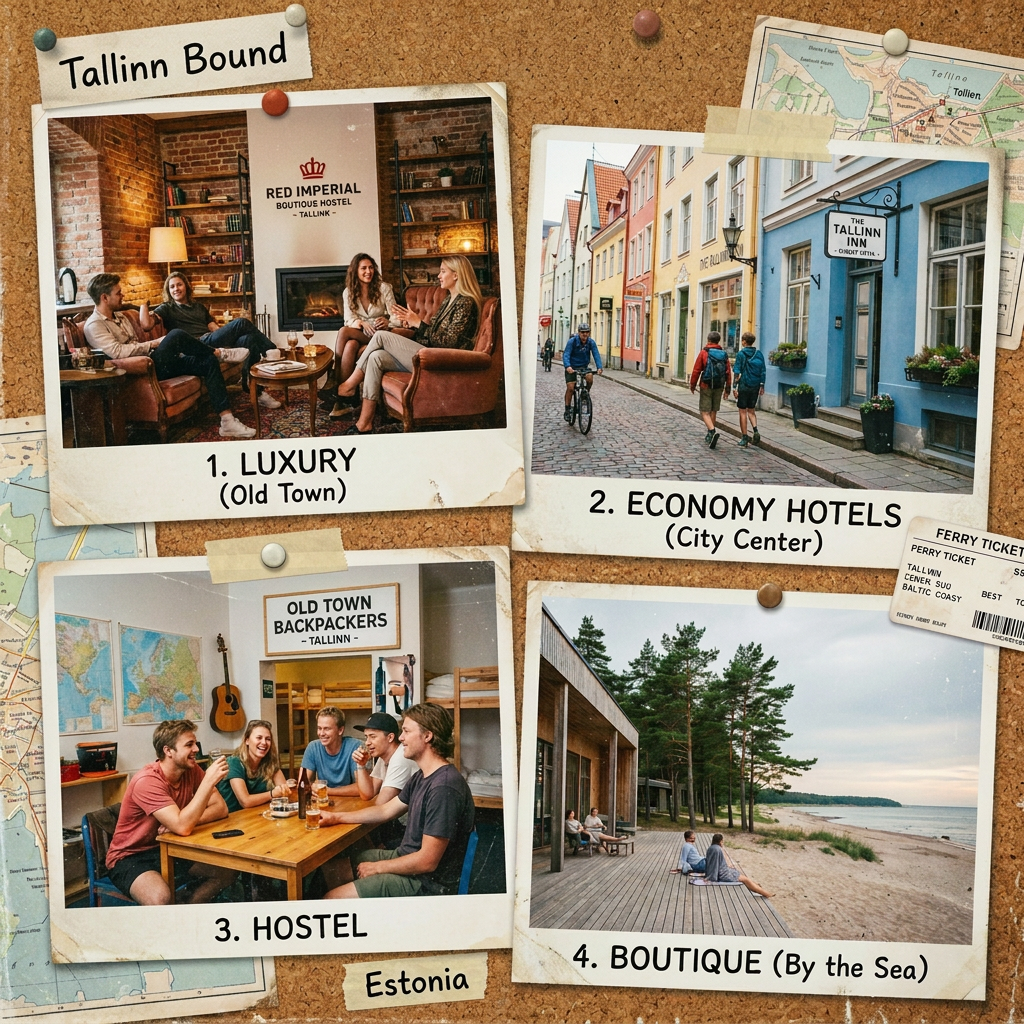
First, loyalty plays a critical role in my hotel selection process, and Marriott is usually my go-to choice.
Whenever I start planning a trip, I immediately look for Marriott properties in the city.
Marriott consistently offers reliable service, high standards of cleanliness, and a wide range of amenities, including plush bedding, well-equipped gyms, complimentary breakfast at many locations, and dependable Wi-Fi.
Plus, their loyalty program lets me often redeem points for free nights or enjoy upgrades and late check-out, which are major perks for frequent travelers.
If there are several Marriott options, I compare locations and prices to find the one that best fits my itinerary.
Once I’ve found a Marriott property, I use it as my benchmark when comparing other hotels in the area. This helps me ensure I’m getting the best combination of comfort, value, and amenities for my stay.
Location, Location, Location
One key aspect I considered is location. For my adventures, the hotel’s location is a major factor, as I don’t like to spend much on transportation to and from attractions or activities.
I always map out the must-see attractions before anything else, then check the distance from potential hotels. To make it easy, I list my top three ‘must-see’ attractions and use that as one filter.
For Tallinn, I want to stay within easy walking distance of Old Town to save time and money exploring other attractions and places of interest.
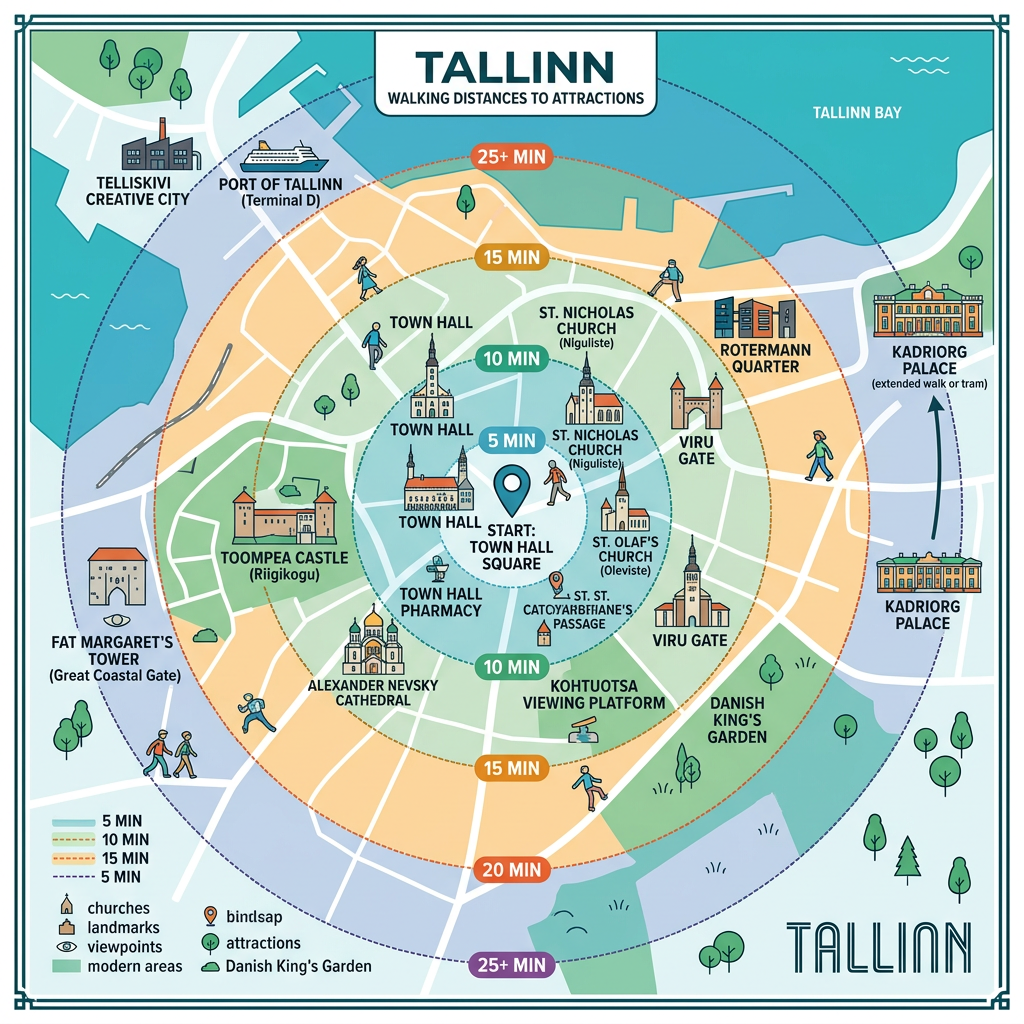
Another filter is public transportation options. I always check for transit links, as sometimes a hotel a bit farther out, but near a tram stop, can be a smart pick. I do this a lot for my London and Paris Adventures.
Hotel Security & Safety
Hotel security is non-negotiable for me. I always look for 24-hour reception and solid security features such as a safe in the room, double locks, and a telephone.
Before booking, I check if the hotel has an elevator for easy access and safety, especially if I have heavy luggage or mobility concerns. I make sure to ask about emergency exits and familiarize myself with their locations as soon as I arrive.
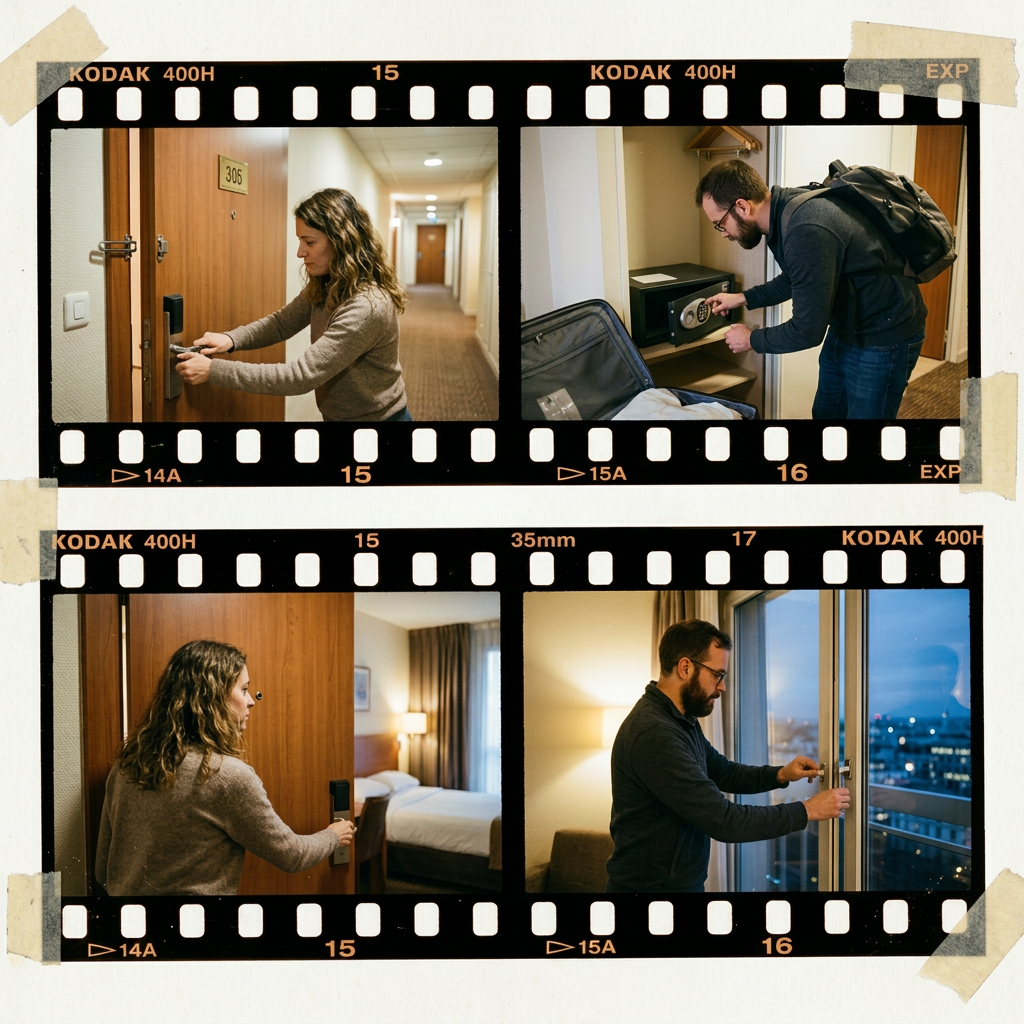
When possible, I avoid accepting rooms on the ground floor or rooms with a direct exterior entrance since they’re more vulnerable. I also prefer rooms located near the elevator but not directly next to it, and avoid rooms at the far ends of hallways for added security.
There’s nothing worse than arriving late after a delayed flight and finding a locked lobby. I always double-check that someone is at the desk round-the-clock, especially when traveling solo.
If arriving late, I make sure the hotel can accommodate late check-in and that lobby access is secure.
I also check if the hotel offers free luggage storage in case my room isn’t ready when I arrive, and if they’ll store my bags for a few hours after checkout if I have a late flight. These extra steps help me feel safe and confident wherever I stay.
How I Decode Hotel Reviews
Reviews and amenities are my next filter. When it comes to reviews, I dive into the negative ones first to see if the complaints are constructive or if the reviewer is just being an entitled prick.
I also pay attention to the year the review was made. Anything older than three years, I take with a grain of salt. I scrutinize recent guest reviews for clues about cleanliness, noise, and staff helpfulness.
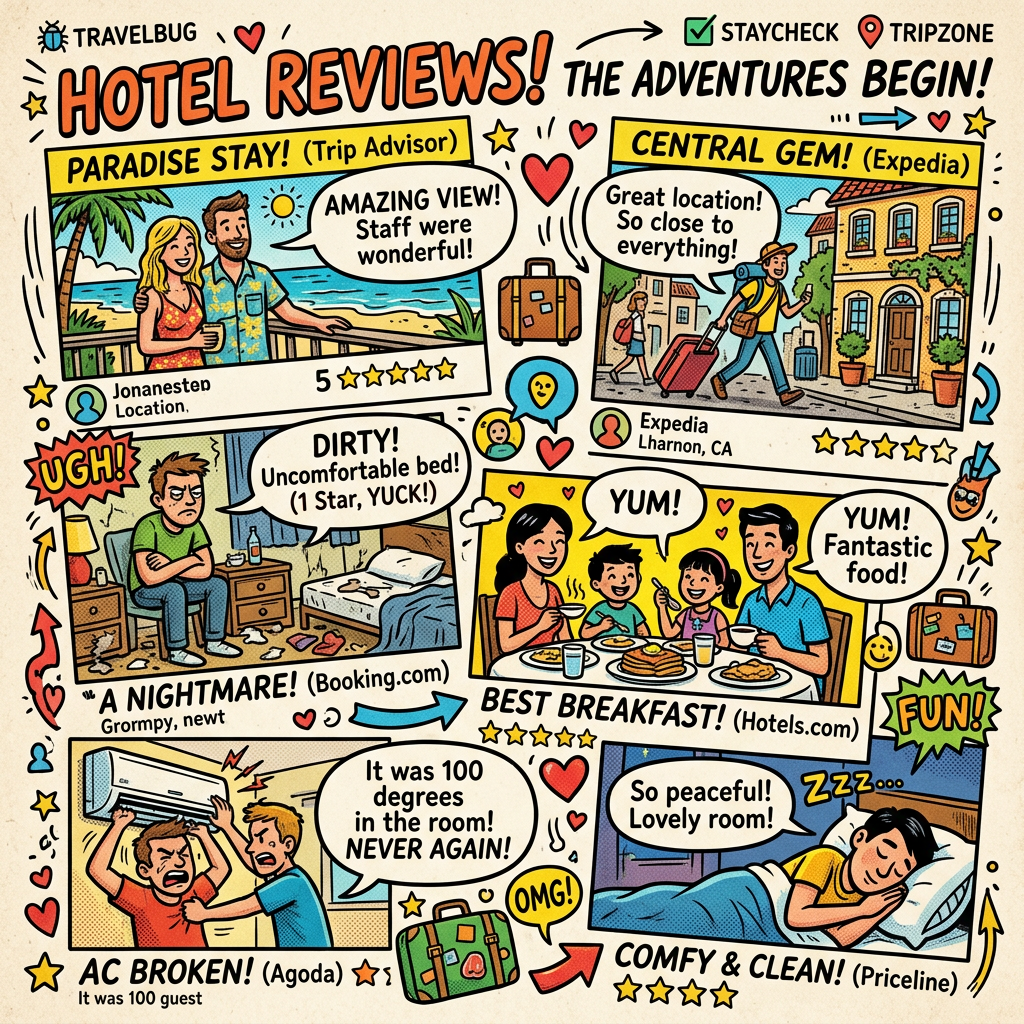
The number of reviews matters too; a hotel with hundreds or thousands of reviews gives a more reliable picture than just a handful.
And I always check out the most recent travelers’ photos because I find those photos are often reveal the hotel’s true condition better than any professional shot.
Amenities can make or break a stay: free breakfast is a bonus, especially when you want to fuel up before exploring.
I pay close attention to room details, such as whether it’s a bathtub or shower, air conditioning (a must in summer), and whether the room has a smart TV or fast, free Wi-Fi for those cozy evenings in.
To Book or Not to Book (Direct): That is the Question
I also compare booking options on third-party hotel search sites like Booking.com, Hotels.com, and Expedia.
To cast an even wider net, I use hotel aggregator sites like Kayak and Trivago, which pull prices from dozens of booking sites at once.
These aggregators make it much easier to spot the lowest rates, see price trends, and catch limited-time deals I might otherwise miss.
Using a site like Kayak or Trivago helps me avoid overpaying and ensures I’m not missing a better deal hidden on a lesser-known site.

These platforms let me quickly see prices, reviews, and amenities side by side, and sometimes offer exclusive deals.
But I always check the hotel’s website directly, too. Occasionally, booking direct gets you perks like free upgrades, flexible check-in, or a better cancellation policy.
Here’s a quick rundown of the pros and cons I’ve found when booking direct versus through third-party sites:
Direct Flight to Perks: Booking with Hotels
Pros:
- May get better room upgrades or perks
- Easier to change or cancel reservations
- Direct support from hotel staff
- Loyalty points or special offers
Cons:
- Higher prices than third-party deals
- Fewer bundled offers (like flights + hotel)
Third Wheel or Third-Party? Booking Elsewhere
Pros:
- Can compare many hotels easily
- Sometimes lower prices or flash deals
- Access to guest reviews and flexible filters
Cons:
- Changes or cancellations can be trickier
- Customer service may be slow or less helpful
- Occasionally, special requests get lost in the shuffle
Here’s the real secret: 99.9% of the time, I book direct with the hotel. Even if the price seems higher at first glance, I’ll use the price-matching option many hotels offer.
Take my Lisbon Adventure, for instance. I stumbled upon a third-party deal so good it made me do a double-take — $100 less per night than the hotel’s own site!
Armed with undeniable proof (read: a screenshot and my best polite-but-persistent email), I slid into the reservations desk’s inbox and asked if they’d match the deal.
Did they drop the price? Nope.
But they did sweeten the pot: I scored an upgraded room, free breakfast (hello, endless pastries), half-off dinner in the hotel restaurant, and even a ride to the airport. Not bad for a little friendly negotiation, right?


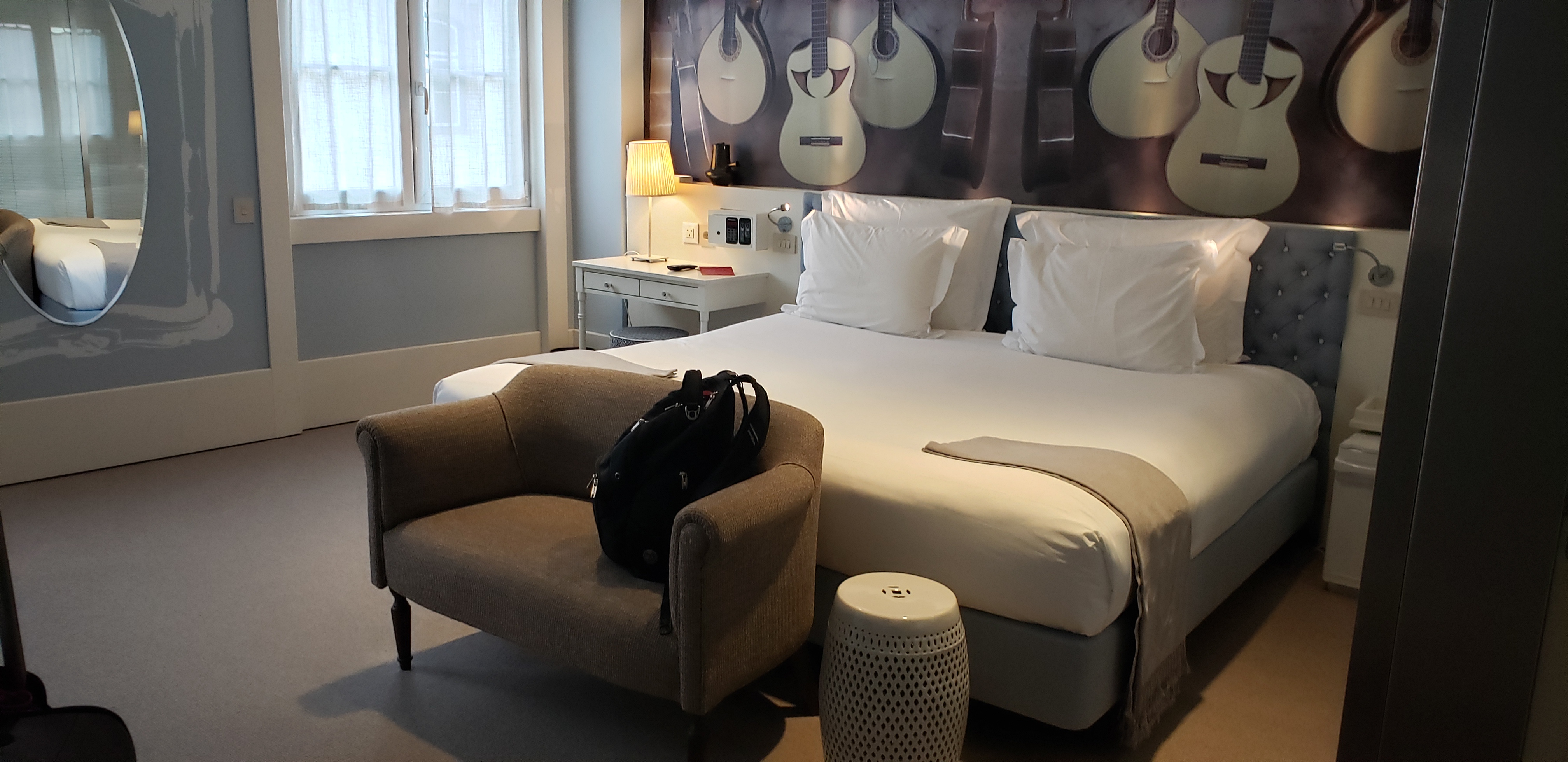
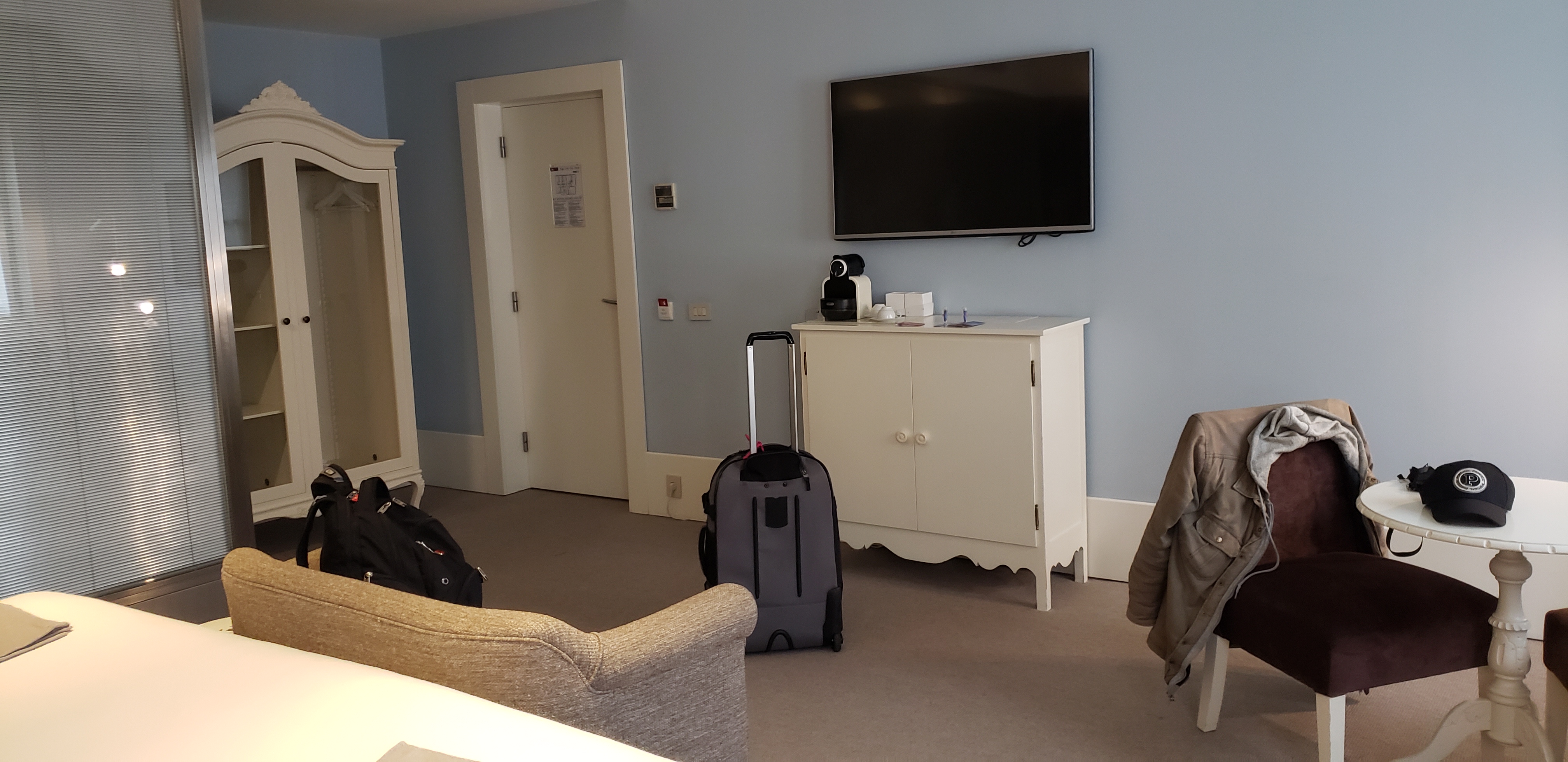

It took just a few minutes and a friendly email. I didn’t get the lower price, but the extra perks were better.
Booking direct also gives me more flexibility with changes and cancellations, and I get points for my loyalty program.
I still use third-party sites to research and compare, but ultimately, booking direct almost always pays off for me.
In the end, I chose a nice hotel with great ratings and a central location, perfect for easy access to everything I wanted to see and do in Tallinn.
Final Boarding Call
That wraps up this second entry of my Tallinn Bound series, where I walked you through my approach to booking flights and hotels.
If you missed the first entry, “Decision, Dates, and Dollars,” check it out. In that chapter, I shared how I chose Tallinn as my destination, set my travel dates, and built a realistic budget to get started.
Next up, I’ll dive into how I researched and selected “Things To Do” in Tallinn and built an itinerary that’s relaxed but unforgettable. Stay tuned!
Until next time…


3 comments